
Latest News

Billie Eilish’s Grammy Acceptance Speech Draws Mixed National Reaction
The 68th Annual Grammy Awards, held on February 1, 2026, delivered what many viewers have come to expect from Hollywood: a night of historic wins overshadowed by aggressive political posturing. While Billie Eilish and her brother Finneas secured a milestone victory for Song of the Year, the celebration was quickly eclipsed by a controversial acceptance speech that critics are calling a textbook example of “celebrity virtue signaling.” At Modern Memo, we examine the fallout from Eilish’s “stolen land” remarks, the pushback from federal officials, and the “hypocrisy” highlighted by her own multi-million dollar property holdings. The Speech: “No One is Illegal on Stolen Land” After accepting her award for the hit “Wildflower,” Eilish utilized her time at the podium to launch an attack on federal law enforcement. Both she and Finneas appeared onstage wearing “ICE Out” pins, signaling their opposition to the administration’s recent efforts to enforce U.S. immigration law. “I honestly don’t feel like I need to say anything but that no one is illegal on stolen land,” Eilish declared. “Our voices really do matter, and the people matter.” She concluded her remarks with an explicit, bleeped-out condemnation of U.S. Immigration and Customs Enforcement (ICE), prompting a standing ovation from the Hollywood elite in the room but a very different reaction from the millions of Americans watching at home. The Hypocrisy Debate: The $14 Million Mansion The most significant backlash didn’t come from Eilish’s politics, but from the perceived gap between her rhetoric and her lifestyle. Conservative commentators and social media users were quick to point out that Eilish’s own vast real estate portfolio—including a $14 million Los Angeles estate—sits directly on the “stolen land” she decried. Americans are now daring Billie Eilish to return her $14M LA mansion to the Tongva Tribe after declaring no one is illegal on stolen land. Funny how slogans are loud and deeds are silent. Let’s see if principles survive real estate. pic.twitter.com/jgVQFw9k45 — Chad Prather (@WatchChad) February 2, 2026 The “Tongva” Revelation: Investigations into Eilish’s property history confirmed that her home is situated on ancestral territory historically inhabited by the Tongva people. A spokesperson for the tribe confirmed to news outlets that Eilish has never contacted them regarding her property ownership or offered any form of restitution. DHS Pushes Back The Department of Justice and the Department of Homeland Security (DHS) have not remained silent. Following the broadcast, DHS Assistant Secretary Tricia McLaughlin dismissed the comments as a distraction from the dangerous reality of border security. “While Hollywood celebrities embarrassed themselves trying to drum up hatred of ICE officers from the Grammys, DHS law enforcement was hard at work arresting sex offenders, child abusers, and criminals convicted of assault,” McLaughlin stated in a sharp rebuke. The administration’s allies have characterized the “ICE Out” pins as a “theatrical” attack on the men and women who protect American communities, noting that celebrities who live behind gated walls and private security are the most insulated from the consequences of open-border policies. The “Silent” Majority at the Crypto.com Arena Despite the televised standing ovation, some attendees suggested the room wasn’t as unified as it appeared. Conservative influencer Emily Austin, who filmed her own “visibly stunned” reaction to Eilish’s speech from the audience, claimed that many industry insiders approached her privately to express their agreement with her stance. “It’s all fake,” Austin said in a follow-up interview. “So many people came up to me and whispered, ‘You’re so brave, we agree with you.’ People are scared to say it out loud in these spaces.” Final Word Staying informed on the cultural impact of the Grammys isn’t just about the music—it plays a powerful role in your understanding of the intersection between art and political activism. When you look past the headlines and analyze the specific historical context of “land rights” and “immigration policy,” you gain a clearer picture of the tensions currently shaping the American narrative. Quality information replaces the noise of social media outrage with the clarity of tribal statements and legislative context. It allows you to see these celebrity moments as more than just soundbites, but as reflections of a broader national debate on identity and justice. By choosing to follow the facts of the response rather than just the rhetoric, you align your perspective with the complexity of the current cultural climate and support a more informed, resilient society. Where Facts, Context, and Perspective Matter At The Modern Memo, our goal is simple: to provide clear, well-researched reporting in a media landscape that often feels overwhelming. We focus on substance over sensationalism, and context over commentary. If you value thoughtful analysis, transparent sourcing, and stories that go beyond the headline, we invite you to share our work. Informed conversations start with reliable information, and sharing helps ensure important stories reach a wider audience. Journalism works best when readers engage, question, and participate. By reading and sharing, you’re supporting a more informed public and a healthier media ecosystem. The Modern Memo may be compensated and/or receive an affiliate commission if you click or buy through our links. Featured pricing is subject to change. 📩 Love what you’re reading? Don’t miss a headline! Subscribe to The Modern Memo here!

Moon Mission Under Pressure: NASA Battles “Cryogenic Leaks” in Artemis II Test
The road back to the Moon is rarely a smooth one. As of Monday evening, February 2, 2026, NASA’s Artemis II mission is undergoing its final “Wet Dress Rehearsal” (WDR) at Kennedy Space Center’s Launch Complex 39B. While fueling operations are well underway, the team is currently troubleshooting a liquid hydrogen leak that has injected new tension into the countdown. At Modern Memo, we break down the critical milestones of this rehearsal, the technical hurdles on the pad, and what this means for the historic crewed launch later this month. The “Wet” Dress Rehearsal: Why It Matters A wet dress rehearsal is the final “test like you fly” operation before an actual launch. NASA calls it “wet” because it involves pumping over 700,000 gallons of super-cold liquid oxygen (LOX) and liquid hydrogen (LH2) into the Space Launch System (SLS) rocket. The mission has three primary objectives: Validate the “Stack”: Ensuring the SLS rocket and Orion spacecraft can handle the immense thermal stress of cryogenic fuel. Practice the Countdown: Running the launch team through the precise 48-hour timeline they will follow on launch day. The “T-Minus” Recycle: Proving the ground systems can stop the clock and “recycle” the countdown in the event of a last-minute technical glitch. Status Update: The Hydrogen Hurdle Earlier today, Launch Director Charlie Blackwell-Thompson gave the official “go” to begin tanking. However, the simulation hit a snag around midday when sensors detected a liquid hydrogen leak at the tail service mast umbilical—the connection point between the ground and the rocket. The Response: NASA engineers have paused the LH2 flow to the core stage to perform “troubleshooting procedures” developed after the Artemis I mission. The Workaround: While hydrogen flow is paused for the core stage, the liquid oxygen loading continues, and fuel continues to flow into the Interim Cryogenic Propulsion Stage (ICPS), the rocket’s upper stage. This type of leak is a familiar ghost for NASA; similar issues delayed the Artemis I mission for months in 2022. However, the team is applying “lessons learned” to attempt a fix while the rocket remains fueled. The Path to “T-0” Despite the leak, NASA is still targeting a simulated T-0 for 9:00 PM EST tonight. If the troubleshooting takes longer, the agency has the flexibility to extend the test window until 1:00 AM EST Tuesday. If the simulation reaches the final minutes, the team will perform two distinct countdown runs: The Terminal Count: Taking the clock down to T-minus 33 seconds, then stopping to test a recycle. The Final Cut: Restarting the clock and taking it all the way to T-minus 10 seconds—just seconds before the four RS-25 engines would normally ignite. Launch Window: When Will Humans Fly? The outcome of tonight’s test will determine if NASA can hit its earliest available launch window. Target Date: If the wet dress is successful and data review goes smoothly, the earliest possible launch for the crewed Artemis II mission is Sunday, February 8 (Super Bowl Sunday). Backup Windows: If the team needs more time for repairs, subsequent windows are available on February 10 and 11. The Crew: The four astronauts—Reid Wiseman, Victor Glover, Christina Koch, and Jeremy Hansen—remain in medical quarantine in Houston, monitoring the test remotely before flying to Florida later this week. Final Word Staying informed on the complexities of the Artemis mission isn’t just about space—it plays a powerful role in your understanding of human persistence and engineering precision. When you look past the frustration of “delays” and focus on the data behind safety protocols, you gain a clearer picture of the immense effort required to protect the lives on board. Quality information replaces the noise of scheduling rumors with the clarity of technical benchmarks. It allows you to see every troubleshooting step as a necessary layer of protection for the four souls making this historic journey. By choosing to follow the science rather than the clock, you align your perspective with the reality of deep-space exploration and support a more informed, resilient future for humanity. Where Facts, Context, and Perspective Matter At The Modern Memo, our goal is simple: to provide clear, well-researched reporting in a media landscape that often feels overwhelming. We focus on substance over sensationalism, and context over commentary. If you value thoughtful analysis, transparent sourcing, and stories that go beyond the headline, we invite you to share our work. Informed conversations start with reliable information, and sharing helps ensure important stories reach a wider audience. Journalism works best when readers engage, question, and participate. By reading and sharing, you’re supporting a more informed public and a healthier media ecosystem. The Modern Memo may be compensated and/or receive an affiliate commission if you click or buy through our links. Featured pricing is subject to change. 📩 Love what you’re reading? Don’t miss a headline! Subscribe to The Modern Memo here!

The Epstein Vault Opens: New Files Detail Network of “Favors” for the Global Elite
The massive declassification of the “Epstein Files” has entered a new and more volatile phase. On Friday, January 30, 2026, the Department of Justice released a final tranche of more than 3.5 million pages, alongside thousands of videos and images, under the mandates of the Epstein Files Transparency Act. At Modern Memo, we analyze the specific allegations of third-party trafficking, the names emerging from the shadows, and the growing frustration over the government’s continued use of redactions to protect high-level “politically exposed” individuals. The “Favor” System: Trafficking Beyond the Island The most explosive revelations in the 2026 release involve documents suggesting that Jeffrey Epstein’s operation was not merely for his own gratification, but functioned as a high-stakes trafficking service used to compromise or curry favor with powerful men. According to internal FBI summaries and victim testimony now made public, Epstein allegedly “lent out” girls to his associates as a currency for business and political leverage. The “Client” Testimony: Several newly unredacted victim statements describe being directed by Epstein or Ghislaine Maxwell to perform sexual acts for other prominent men—often with the explicit promise of financial reward or career advancement from Epstein if they complied. The “Favors” List: Attorneys for the survivors, including Sigrid McCawley and Spencer Kuvin, note that the documents confirm long-held suspicions that providing young women to the wealthy was a cornerstone of Epstein’s power. “Usually these were favors with the hope that he would get something in return,” Kuvin stated following the release. Prominent Names and New Scrutiny While the Department of Justice continues to withhold millions of pages it deems “non-responsive,” the names that have emerged in the January 2026 dump are already causing international tremors: Prince Andrew (Mountbatten-Windsor): The files include private email correspondence suggesting the former prince invited Epstein to Buckingham Palace for “privacy” even after Epstein’s 2008 conviction. Photos also appear to show the former prince in compromising positions with unidentified women. The Clinton Connections: Conservative commentators have highlighted grainy photographs and guest lists from the early 2000s that place former President Bill Clinton in social settings with Epstein and unidentified females, prompting renewed calls for his testimony before the House Judiciary Committee. Business Magnates: The files mention high-level communications with figures across the tech and finance sectors, including Leon Black and Bill Gates, though many have maintained that their interactions were strictly professional or that they were unaware of Epstein’s criminal activities. The Transparency Battle: “Shielding the Powerful” Despite the massive size of the document dump, a bipartisan group of lawmakers—led by Rep. Thomas Massie (R-KY) and Rep. Ro Khanna (D-CA)—is accusing the DOJ of a “blatant cover-up.” The primary point of contention is the missing 50%. While the DOJ identified 6 million responsive pages, it only released 3.5 million, claiming the rest contain sensitive victim information or material depicting violence. However, critics point out that many “politically exposed persons” remain redacted in the public files, while the names of some victims were accidentally left exposed in unvetted spreadsheets—a move survivors’ advocates called a “betrayal.” “This is still just what they were willing to release—in violation of the law,” remarked one House Oversight member. “We are seeing the enablers continue to benefit from secrecy while the survivors are re-traumatized.” The Potential for Blackmail A common theme throughout the newly released FBI presentations is the theory of blackmail. One newly surfaced memo notes that there was “only one reason” for Epstein to keep such meticulous records and photographs of his guests: to maintain control over individuals who were implicated in his operation. The DOJ is now facing intense pressure to investigate whether this kompromat (compromising material) is still being used to influence American policy or business. Final Word Staying informed on the Epstein investigation isn’t just about following the scandal—it plays a powerful role in your understanding of how the elite operate outside the standard rule of law. When you look at the raw data of a trafficking operation, you gain a clearer picture of why transparency is the only antidote to corruption. Quality information improves your mental health by replacing the noise of “conspiracy theories” with the clarity of documented evidence. It reduces “civic cynicism” by helping you realize that even the most powerful individuals can eventually be held to account through persistent legislative pressure. By choosing to follow the facts of the release, you protect your perspective and support a more informed, resilient justice system. Where Facts, Context, and Perspective Matter At The Modern Memo, our goal is simple: to provide clear, well-researched reporting in a media landscape that often feels overwhelming. We focus on substance over sensationalism, and context over commentary. If you value thoughtful analysis, transparent sourcing, and stories that go beyond the headline, we invite you to share our work. Informed conversations start with reliable information, and sharing helps ensure important stories reach a wider audience. Journalism works best when readers engage, question, and participate. By reading and sharing, you’re supporting a more informed public and a healthier media ecosystem. The Modern Memo may be compensated and/or receive an affiliate commission if you click or buy through our links. Featured pricing is subject to change. 📩 Love what you’re reading? Don’t miss a headline! Subscribe to The Modern Memo here!

The Arrest of Don Lemon: A Federal Indictment and the First Amendment Debate
On the morning of January 30, 2026, federal agents in Los Angeles took former CNN anchor and independent journalist Don Lemon into custody. The arrest occurred while Lemon was in California to cover the upcoming Grammy Awards and is the latest development in a high-profile federal investigation into a protest that took place earlier this month at a Minnesota church. At Modern Memo, we analyze the specific charges, the administration’s stated rationale, and the significant constitutional questions being raised by press freedom advocates. The Charges: The FACE Act and Civil Rights Conspiracy According to statements from Attorney General Pam Bondi, Don Lemon was arrested alongside three other individuals: independent journalist Georgia Fort, and activists Trahern Jeen Crews and Jamael Lydell Lundy. The group faces a federal indictment with two primary charges: Conspiracy to Deprive Civil Rights: Alleging a coordinated effort to interfere with the constitutional right to religious freedom. Violation of the FACE Act: The Freedom of Access to Clinic Entrances Act, which also protects places of worship, prohibits using physical obstruction or intimidation to interfere with individuals exercising their right to religious freedom. The charges stem from a January 18 demonstration at Cities Church in St. Paul, Minnesota. Protesters entered the sanctuary during a service to demonstrate against one of the church’s pastors, who also serves as a local official for U.S. Immigration and Customs Enforcement (ICE). The Legal Context: A Disputed Warrant The arrest follows a period of significant judicial friction. Last week, a federal magistrate judge in Minnesota, Douglas Micko, rejected the Department of Justice’s (DOJ) initial request for arrest warrants for Lemon and four others, citing a lack of probable cause. Judge Micko and Chief U.S. District Judge Patrick J. Schiltz both noted that there was no clear evidence of criminal intent or conspiracy by the journalists present. However, the DOJ successfully sought a grand jury indictment this week, which bypassed the need for a magistrate’s approval of the warrant. Two Perspectives: Law Enforcement vs. Press Freedom The case has ignited a national debate over where news gathering ends and “participation” in a disruption begins. The Administration’s Stance Attorney General Bondi described the protest as a “coordinated attack” on a house of worship. The administration maintains that “agitators” who invade a church service must be held accountable to ensure that all Americans can worship freely and safely. White House officials have characterized the presence of the journalists as being part of the “St. Paul church riots,” suggesting their prior knowledge of the event constituted involvement in the conspiracy. The Defense and Media Stance Lemon’s attorney, Abbe Lowell, has called the arrest an “unprecedented attack on the First Amendment.” Lemon has consistently stated that he was at the church solely as a journalist to document the protest, not as a participant. Advocacy groups like the National Association of Black Journalists (NABJ) and the Freedom of the Press Foundation have condemned the arrests, arguing that documenting a protest on private property is protected newsgathering. They express concern that the federal government is using “intimidation tactics” to discourage journalists from reporting on dissent. The Broader Impact in Minnesota The arrest comes during a period of intense tension in the Twin Cities. The DOJ investigation into the church protest began shortly after the fatal shootings of Renee Good and Alex Pretti by federal agents earlier this month—incidents that have driven the very protests Lemon was documenting. While the administration focuses on the “coordinated attack” on the church, local leaders and civil rights attorneys continue to call for investigations into the use of lethal force by federal agents. The contrast in the speed and scale of these two different types of federal investigations has become a central point of criticism for local officials. Final Word Understanding the arrest of a journalist isn’t just about the person behind the camera—it plays a powerful role in your understanding of the First Amendment and the limits of government power. When you follow the data behind a grand jury indictment and a contested warrant, you gain a clearer picture of how the “freedom of the press” is being tested in 2026. Quality information improves your mental health by replacing the noise of social media outrage with the clarity of legal filings. It reduces “news fatigue” by helping you focus on the constitutional stakes rather than the personalities involved. By choosing to analyze both the charges and the defense, you protect your perspective and support a more informed, resilient democracy. Where Facts, Context, and Perspective Matter At The Modern Memo, our goal is simple: to provide clear, well-researched reporting in a media landscape that often feels overwhelming. We focus on substance over sensationalism, and context over commentary. If you value thoughtful analysis, transparent sourcing, and stories that go beyond the headline, we invite you to share our work. Informed conversations start with reliable information, and sharing helps ensure important stories reach a wider audience. Journalism works best when readers engage, question, and participate. By reading and sharing, you’re supporting a more informed public and a healthier media ecosystem. The Modern Memo may be compensated and/or receive an affiliate commission if you click or buy through our links. Featured pricing is subject to change. 📩 Love what you’re reading? Don’t miss a headline! Subscribe to The Modern Memo here!

The Iran Ultimatum: Diplomacy Under the Shadow of the “Armada”
As of late January 2026, the long-simmering standoff between Washington and Tehran has reached what military analysts describe as a critical decision point. Following a month of severe domestic upheaval in Iran and a massive U.S. military buildup in the Middle East, President Trump has issued a definitive ultimatum: negotiate a new, restrictive nuclear deal immediately or face military action “far worse” than previous interventions. At Modern Memo, we analyze the strategic movement of the U.S. “Armada,” the administration’s shifting demands, and the high-stakes mediation currently underway in regional capitals. 1. The Arrival of the “Massive Armada” The centerpiece of the current U.S. strategy is the deployment of a significant naval force, which President Trump has publicly termed a “massive armada.” As of January 27, 2026, the USS Abraham Lincoln (CVN-72) carrier strike group has officially entered the region. This deployment is a heavy psychological and military signal. The strike group brings a comprehensive array of airpower and electronic warfare capabilities to Iran’s doorstep, including: Advanced Aviation Power: F-35C Lightning II stealth fighters and F/A-18E/F Super Hornets. Integrated Air Defense: Coordination with land-based THAAD and Patriot missile systems recently surged to neighboring allies. Maritime Force Flexibility: Accompanied by Arleigh Burke-class destroyers and specialized electronic jamming assets. Eight destroyers threatening Iran right now: • USS Frank E. Petersen Jr. — North Arabian Sea (escorting USS Abraham Lincoln carrier) • USS Spruance — North Arabian Sea (escorting USS Abraham Lincoln carrier) • USS Michael Murphy — North Arabian Sea (escorting USS… pic.twitter.com/dVqhGuhZ2R — Open Source Intel (@Osint613) January 29, 2026 2. The Trump Ultimatum: “NO NUCLEAR WEAPONS” On January 28, the President shifted the rationale for this buildup from supporting domestic protesters to a hardline nuclear demand. In public statements, he warned that “time is running out” and urged Tehran to “Come to the Table” for a deal that would be “good for all parties.” The administration’s preconditions for a new agreement have shifted toward an “all-or-nothing” framework: The Zero-Enrichment Standard: A total ban on domestic uranium enrichment, which remains a “red line” for the Iranian leadership. Stockpile Removal: The mandatory transfer of all highly enriched uranium to a third-party country. Missile Caps: Strict limits on Iran’s long-range ballistic missile stockpile. Regional Influence: A requirement for a fundamental change in Iran’s policy regarding support for regional proxy groups. The administration has pointed to “Operation Midnight Hammer”—the June 2025 operation that destroyed several key Iranian nuclear facilities—as a precedent for the “speed and violence” that could follow if negotiations fail. 3. Tehran’s Stance: “Finger on the Trigger” The Iranian leadership is currently navigating a period of internal crisis. Protests that began in December 2025 over a collapsing currency and the rising cost of living have led to a brutal crackdown, with casualties estimated in the thousands and widespread internet blackouts. Despite this domestic pressure, Tehran’s official stance remains defiant: Defensive Readiness: The Iranian mission to the UN stated that while they stand ready for “dialogue based on mutual respect,” they will respond “like never before” if a military strike occurs. Economic Fragility: The Iranian rial hit an all-time low on January 27, and basic goods have seen a 60% price increase since mid-December, complicating the regime’s ability to sustain a prolonged conflict. 4. The Mediation Race and Regional Friction The current buildup has created a complex diplomatic environment among regional allies. While some partners support the “maximum pressure” campaign, others are wary of a total regional destabilization. Turkish Mediation: Foreign Minister Abbas Araghchi has engaged in urgent talks in Ankara, seeking to find a middle ground before the U.S. ultimatum expires. Neutrality Declarations: High-level allies, including the United Arab Emirates, have signaled they will maintain neutrality and not allow their airspace or territory to be used for an offensive strike on Iran. Final Word Staying informed on the shifting lines of Middle Eastern diplomacy isn’t just about geopolitics—it plays a powerful role in your understanding of global energy stability and national security. When you follow the data behind carrier movements and diplomatic cables, you gain a clearer picture of the forces shaping our world. Quality information improves your mental health by replacing the noise of “imminent war” headlines with the clarity of strategic analysis. It reduces “news anxiety” by allowing you to distinguish between coercive deterrence and actual mobilization. By choosing to analyze the policy rather than the posturing, you protect your perspective and support a more informed, resilient global community. Where Facts, Context, and Perspective Matter At The Modern Memo, our goal is simple: to provide clear, well-researched reporting in a media landscape that often feels overwhelming. We focus on substance over sensationalism, and context over commentary. If you value thoughtful analysis, transparent sourcing, and stories that go beyond the headline, we invite you to share our work. Informed conversations start with reliable information, and sharing helps ensure important stories reach a wider audience. Journalism works best when readers engage, question, and participate. By reading and sharing, you’re supporting a more informed public and a healthier media ecosystem. The Modern Memo may be compensated and/or receive an affiliate commission if you click or buy through our links. Featured pricing is subject to change. 📩 Love what you’re reading? Don’t miss a headline! Subscribe to The Modern Memo here!

The Southern Ice Siege: Navigating the Aftermath of Winter Storm Fern
As the historic “Winter Storm Fern” begins to recede, it leaves behind a landscape of structural damage and humanitarian crisis across the Southern United States. What began as a massive cold front has evolved into a localized infrastructure catastrophe, with northern Mississippi and parts of Tennessee and Louisiana bearing the brunt of a “slow-motion disaster.” At Modern Memo, we analyze the data behind the power grid’s struggle, the rising toll of the storm, and the logistical nightmare facing utility crews in the “whack-a-mole” recovery effort. The Grid Crisis: Why the Power Won’t Stay On While national attention often focuses on the Texas ERCOT grid, which has held “flawlessly” during this event, the real crisis is at the local distribution level. Over 550,000 Americans remained without power as of Tuesday evening, primarily due to catastrophic ice accumulation—exceeding one inch in some areas—that physical infrastructure simply wasn’t designed to support. The “Whack-a-Mole” Effect: Mississippi Governor Tate Reeves described the restoration process as a constant battle against physics. As crews repair one line, the lingering weight of ice causes a neighboring tree limb to snap, creating a new outage. The Damage Toll: In Mississippi alone, utility companies like Entergy and local cooperatives are reporting hundreds of snapped poles and thousands of spans of downed wire. Restoration Timelines: Officials have warned that for the hardest-hit rural counties, power restoration could take “weeks, not days,” with some customers projected to remain in the dark until February. A Rising Human Toll The storm’s impact has moved beyond inconvenience into the realm of tragedy. At least 42 storm-related deaths have been confirmed across a dozen states. The hazards of the “Ice Siege” are multifaceted: Exposure and Hypothermia: Several fatalities involved elderly residents found in unheated homes or individuals found outdoors during record-breaking sub-zero wind chills. Icy Water Accidents: In a devastating incident in Texas, three brothers (ages 6, 8, and 9) died after falling through the ice of a private pond. Infrastructure Hazards: Two deaths were attributed to snowplow accidents in the Northeast, while others resulted from trees falling onto houses or medical devices failing during prolonged power outages. The Federal and State Response In response to the crisis, President Trump has approved 12 emergency declarations, allowing FEMA to mobilize resources including bottled water, blankets, and industrial generators. In Mississippi, up to 500 members of the National Guard have been deployed to assist in debris removal and safety checks. The focus has now shifted to “Life Safety” as temperatures remain below freezing. Warming centers have been established across the South, though officials warn that travel remains treacherous due to black ice and “obstacle course” conditions on secondary roads. Final Word Surviving the aftermath of a historic storm isn’t just about the weather—it plays a powerful role in your long-term resilience and safety. When you follow the data and heed the warnings of local officials, you help your entire community function more safely during a crisis. Quality information improves your mental health by replacing the chaos of a disaster with a clear understanding of the recovery timeline. It reduces “storm fatigue” by helping you prepare for the reality of long-term outages rather than hoping for a quick fix. By choosing to stay informed on the grid and the ground, you protect your family and support a more resilient, better-prepared society. Where Facts, Context, and Perspective Matter At The Modern Memo, our goal is simple: to provide clear, well-researched reporting in a media landscape that often feels overwhelming. We focus on substance over sensationalism, and context over commentary. If you value thoughtful analysis, transparent sourcing, and stories that go beyond the headline, we invite you to share our work. Informed conversations start with reliable information, and sharing helps ensure important stories reach a wider audience. Journalism works best when readers engage, question, and participate. By reading and sharing, you’re supporting a more informed public and a healthier media ecosystem. The Modern Memo may be compensated and/or receive an affiliate commission if you click or buy through our links. Featured pricing is subject to change. 📩 Love what you’re reading? Don’t miss a headline! Subscribe to The Modern Memo here!

Economic Vision Meets Public Skepticism: The AI-Driven Revolution
As we enter 2026, the administration has doubled down on an “AI-First” economic strategy, pitching a radical transformation of the American workforce as the key to long-term global dominance. Proponents call it a “techno-industrial revolution” that will usher in unprecedented GDP growth. However, this optimistic vision is increasingly colliding with a wall of public skepticism, as workers and economic analysts raise alarms over job displacement and the widening gap between productivity and pay. At Modern Memo, we analyze the data behind the administration’s projections and the grassroots concerns currently shaping the national debate. The Vision: America’s AI Action Plan The administration’s cornerstone policy—the “America’s AI Action Plan”—focuses on three primary pillars: accelerating private-sector innovation, building domestic AI infrastructure, and streamlining regulations. The goal is to outpace global competitors by integrating autonomous systems into manufacturing, logistics, and professional services. Growth Projections: Official reports suggest that AI integration could boost U.S. GDP by as much as $1 trillion by the end of the decade. The “Agentic” Shift: 2026 is being hailed as the “Year of the Agent,” as AI transitions from a tool used by humans to autonomous “agents” capable of performing complex labor independently. The Skepticism: Displacement and “Redundancy Washing” Despite the promise of growth, public sentiment is at a tipping point. Recent surveys from Davos 2026 indicate that worker anxiety has climbed from 28% to 40% in just two years. The primary concern is no longer just “automation” in factories, but the displacement of white-collar roles in law, accounting, and software development. The “11.7% Factor” A landmark MIT study released late last year revealed that 11.7% of all U.S. jobs could already be fully automated using existing AI technology. Analysts warn of “Redundancy Washing”—a trend where companies cite AI as a scapegoat for layoffs to please investors, even when the technology isn’t yet ready to replace the displaced human capital. The Productivity Paradox While the administration predicts a 15% rise in labor productivity, economists are questioning who will capture that value. Historical data shows that when productivity outpaces wage growth, the resulting inequality can lead to social and economic instability. Critics of the current push argue that without a robust “Reskilling Pipeline” or changes to the tax code—which currently makes it cheaper to invest in machines than in human training—the AI revolution may benefit corporate margins at the expense of the middle class. Conclusion: Balancing Progress and People The administration’s push for an AI-driven economic revolution is a high-stakes gamble on the future of American leadership. While the technical potential for growth is undeniable, the success of this vision may ultimately depend on the “Human Factor.” If the government cannot bridge the gap between its high-tech vision and the very real fears of the American worker, the “AI Revolution” may face more resistance from the public than from its global competitors. Final Word Staying informed on the intersection of technology and policy isn’t just about the latest gadgets—it plays a powerful role in your long-term autonomy. When you follow the raw data behind the headlines, you help your entire professional life function more efficiently. Quality information improves your mental clarity by removing the noise of hype and replacing it with the reality of economic shifts. It reduces “future-shock” by allowing you to prepare for the job market of tomorrow, rather than reacting to it today. By choosing to analyze the vision alongside the skepticism, you protect your perspective and support a more resilient, informed society. Where Facts, Context, and Perspective Matter At The Modern Memo, our goal is simple: to provide clear, well-researched reporting in a media landscape that often feels overwhelming. We focus on substance over sensationalism, and context over commentary. If you value thoughtful analysis, transparent sourcing, and stories that go beyond the headline, we invite you to share our work. Informed conversations start with reliable information, and sharing helps ensure important stories reach a wider audience. Journalism works best when readers engage, question, and participate. By reading and sharing, you’re supporting a more informed public and a healthier media ecosystem. The Modern Memo may be compensated and/or receive an affiliate commission if you click or buy through our links. Featured pricing is subject to change. 📩 Love what you’re reading? Don’t miss a headline! Subscribe to The Modern Memo here!

The Floor Watch: This Week’s Most Impactful Votes
In the fast-moving environment of Capitol Hill, significant legislation often moves through the House and Senate under the radar of the 24-hour news cycle. At Modern Memo, our “Floor Watch” series strips away the partisan rhetoric to provide a neutral, data-driven summary of the bills that actually moved this week. Understanding the legislative process is the first step toward civic clarity. Here is a breakdown of the most impactful votes from the current session. 1. The Small Business Tax Credit Extension (H.R. 5402) Status: Passed the House (235-190); Moving to Senate Committee. This bill aims to extend the “Research and Development (R&D) Tax Credit” for businesses with fewer than 100 employees. Originally set to expire at the end of this fiscal year, the extension would allow small tech and manufacturing firms to continue deducting specialized research expenses from their federal tax obligations. The Impact: If signed into law, the Treasury Department estimates an annual tax relief of $4.2 billion for the small business sector over the next five years. The Debate: Supporters argue it incentivizes domestic innovation; critics suggest the lost tax revenue could increase the federal deficit if not offset by spending cuts elsewhere. 2. The Rural Broadband Infrastructure Act (S. 1294) Status: Passed the Senate (82-17); Awaiting House Floor Vote. This Senate bill allocates $15 billion in supplemental funding to the Federal Communications Commission (FCC). The funds are specifically earmarked for the “High-Cost Program,” which provides subsidies to telecommunications companies to build out fiber-optic infrastructure in zip codes where the population density is too low for traditional private investment. The Impact: The bill targets approximately 4.5 million households currently lacking high-speed internet access. The Data: According to recent Census data, rural connectivity is linked to a 1.2% increase in local GDP growth over a three-year period following installation. 3. The Healthcare Price Transparency Amendment Status: In Conference Committee. This amendment seeks to strengthen the “No Surprises Act” by requiring hospitals to publish the “negotiated rates” they have with private insurance companies in a machine-readable format. This would allow consumers to compare the actual cost of procedures (like MRIs or standard births) across different facilities before receiving care. The Impact: Increased transparency aims to lower market rates through competition. The Compliance: Hospitals failing to update their pricing data monthly would face fines of up to $10,000 per day. Legislative Vocabulary: What the Terms Mean For readers following these votes, understanding the terminology is vital for a non-biased perspective: Conference Committee: A joint committee of the House and Senate formed to resolve disagreements on a particular bill. Cloture: A procedure used in the Senate to limit debate and bring a bill to a final vote (requires 60 votes). Appropriations: Legislation that sets aside specific funds for specific government agencies or programs. The Path from Policy to Practice The bills highlighted this week represent more than just numbers and legal jargon; they are the blueprints for how American resources are allocated and how personal freedoms are regulated. Whether it is the expansion of small business credits or the infrastructure of our digital world, the “Floor Watch” serves as a reminder that the most significant changes often happen in the fine print of committee reports, far away from the cameras of cable news. Understanding these shifts in real-time allows you to anticipate economic changes and hold leadership accountable to their voting records rather than their campaign rhetoric. In an era where information is often weaponized, staying grounded in the raw data of the Congressional record is the most effective way to maintain an objective view of our nation’s trajectory. Final Word Maintaining a clear-eyed view of the legislative landscape isn’t just about staying updated—it plays a powerful role in your long-term autonomy. When you follow the data instead of the drama, you help your entire civic life function more efficiently. Quality information improves your mental clarity by removing the stress of manufactured outrage and replacing it with the stability of facts. It reduces “narrative fatigue” by allowing you to filter out the noise and focus on what truly affects your family, your business, and your future. By choosing to look at the floor instead of the headlines, you protect your perspective and support a healthier, more informed community. Where Facts, Context, and Perspective Matter At The Modern Memo, our goal is simple: to provide clear, well-researched reporting in a media landscape that often feels overwhelming. We focus on substance over sensationalism, and context over commentary. If you value thoughtful analysis, transparent sourcing, and stories that go beyond the headline, we invite you to share our work. Informed conversations start with reliable information, and sharing helps ensure important stories reach a wider audience. Journalism works best when readers engage, question, and participate. By reading and sharing, you’re supporting a more informed public and a healthier media ecosystem. The Modern Memo may be compensated and/or receive an affiliate commission if you click or buy through our links. Featured pricing is subject to change. 📩 Love what you’re reading? Don’t miss a headline! Subscribe to The Modern Memo here!
TikTok: Trump Announces Deal With China
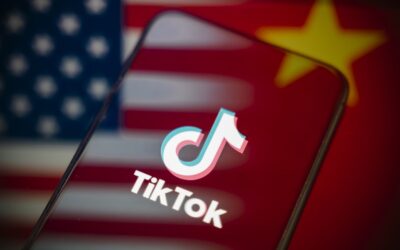
President Donald Trump says a deal has been reached with China over TikTok, with only final details left to lock in. According to Trump, he will speak directly with Chinese President Xi Jinping on Friday to seal the agreement. This move marks a turning point in the long-running battle over TikTok’s future in the United States. At the heart of the issue has always been the app’s most valuable asset—its recommendation algorithm—and now, after months of uncertainty, a path forward seems to be in place. NOW – Trump: “We have a deal on TikTok. I’ve reached a deal with China.” pic.twitter.com/GPlS4UJuQZ — Disclose.tv (@disclosetv) September 16, 2025 Why the Tiktok Algorithm Became the Flashpoint TikTok’s success comes down to its algorithm, the technology that drives the For You page. This is what keeps users hooked and what makes TikTok such a powerful platform. For years, U.S. officials worried that the algorithm, owned by TikTok’s parent company ByteDance in China, could be used to push certain narratives or collect sensitive data on American users. China, however, has been unwilling to give up one of its most prized technologies. That’s why this fight has never just been about a social media app—it’s been about national security, intellectual property, and global power. What the TikTok Deal Includes While we await details, the agreement Trump is expected to announce offers a compromise. Rather than stripping ByteDance of ownership altogether, the deal would allow the algorithm to be licensed to a U.S.-based entity. That means the technology would still belong to ByteDance, but it would operate under new safeguards inside the United States. American officials would have oversight of U.S. user data, and a third party could be put in place to manage the most sensitive parts of the system. This setup would give the U.S. more control over how TikTok runs here, while still letting China hold on to its intellectual property. (MORE NEWS: AI Is Taking Entry-Level Jobs and Shaking Up the Workforce) Why It’s Happening Now There’s urgency behind the timing. U.S. law set a deadline requiring TikTok to divest from Chinese control or face a potential ban. That deadline is fast approaching, and without an agreement, TikTok could vanish from American app stores. By announcing the deal now, Trump is signaling that the standoff is over. The planned phone call with Xi Jinping on Friday is expected to finalize the details and remove any last roadblocks. Both leaders want to avoid escalation, but both also want to show they are defending their nations’ interests. Treasury Secretary Scott Bessent weighed in: Under President Trump, America is back. Talks with China are respectful and results-driven. @POTUS was ready to let TikTok go dark and made clear that we will never trade away national security. Thanks to his tough negotiating, a framework for a deal is in place, and China is… pic.twitter.com/3QdD4iro5U — Treasury Secretary Scott Bessent (@SecScottBessent) September 16, 2025 Questions That Still Remain Even with a deal on the table, some big questions linger. Will American oversight of the algorithm be strong enough to satisfy critics? How much transparency will be built into the system so users can trust it? And will Congress sign off on the final arrangement, or push for even tougher conditions? On the Chinese side, export-control rules could also complicate how the licensing arrangement is structured. If Beijing insists on tighter restrictions, parts of the deal could face delays. Why This Agreement Matters Beyond TikTok If the deal is finalized Friday, it won’t just impact TikTok. It will set the stage for how countries around the world handle foreign-owned apps and technologies. Nations everywhere are wrestling with the same issues: data security, content influence, and who ultimately controls the technology behind powerful platforms. This agreement could become the blueprint for managing those challenges. It also feeds into broader U.S.-China relations, which remain strained over tariffs, trade restrictions, and technology policy. A successful deal here could cool tensions and open the door to cooperation in other areas. What Happens Next After the call between Trump and Xi, the next step will be writing the legal framework. That means spelling out who has authority over data, how licensing will work, and what safeguards will protect U.S. users. (MORE NEWS: AI Stethoscope Spots Deadly Heart Conditions 15 Seconds) If all goes as planned, TikTok’s millions of American users will be able to keep scrolling without interruption. But if the deal hits a snag, the threat of restrictions or even a ban still hangs in the balance. The Bigger Picture This announcement highlights how much bigger the TikTok story has become. It’s not just about a social media app anymore—it’s about technology, influence, and the balance of power between the world’s two largest economies. By stepping in and announcing a deal, Trump is moving the debate from endless speculation to concrete action. Friday’s call with Xi will be the real test, but for now, TikTok looks closer than ever to having its future in the U.S. secured. Cut Through the Noise. Slice Through the Lies. Share the Truth. At The Modern Memo, we don’t tiptoe around the narrative—we swing a machete through it. The mainstream won’t say it, so we will. If you’re tired of spin, censorship, and sugar-coated headlines, help us rip the cover off stories that matter. Share this article. Wake people up. Give a voice to the truth the powerful want buried. This fight isn’t just ours—it’s yours. Join us in exposing what they won’t tell you. America needs bold truth-tellers, and that means you.

BREAKING: Charlie Kirk Murder Suspect Tyler Robinson Arrested
President Donald Trump was the first to reveal that a suspect, Tyler Robinson, 22, has been taken into custody in the assassination of conservative activist Charlie Kirk. He broke the news on Fox & Friends. Trump told the nation that investigators had captured the man believed responsible for the deadly shooting at Utah Valley University. According to authorities, the suspect confessed the murder to a family member. He is not a student of Utah Valley University. Trump announces the arrest Trump used his morning interview to deliver the news that many had been waiting for. “I think, with a high degree of certainty, we have him in custody,” he said. According to Trump, the suspect was recognized by someone close to him: “Somebody that was very close to him said, ‘hmm, that’s him.’” Fox News later confirmed the suspect’s identity. (RELATED NEWS: Charlie Kirk: A Patriot Remembered, A Legacy Unbroken) President Trump didn’t hold back his emotions, praising Kirk as a remarkable leader and calling for the strongest possible punishment. “What he did, Charlie Kirk was the finest person, he didn’t deserve this,” Trump said. He added, “I hope he’s going to be found guilty, I would imagine. And I hope he gets the death penalty.” The shocking attack The shooting took place while Kirk was speaking outdoors at Utah Valley University in Orem. Roughly 20 minutes into his remarks, a single shot from the roof of the Losee Center struck him in the neck. Witnesses described a scene of panic as students and attendees ran for cover. Kirk was rushed to Timpanogos Regional Hospital, but he later died from his injuries. His killing sent shockwaves across the country and quickly drew comparisons to a political assassination. The investigation Law enforcement launched an immediate manhunt, locking down the campus and scouring the rooftop area where the shot originated. Investigators recovered a high-powered rifle and physical evidence including footprints and palm prints. Two people were briefly detained earlier in the week but were later cleared of involvement. Federal agents and Utah police worked day and night following leads, reviewing surveillance footage, and interviewing witnesses. Their efforts culminated in the arrest that Trump broke to the public. Political and public response Utah Governor Spencer Cox condemned the murder as a political assassination and pledged that those responsible would be brought to justice. The FBI has maintained a visible presence in the area, asking the public for tips and offering a reward for information. For Kirk’s supporters, the arrest marks the first sign of justice in a case that has shaken faith in public safety at campus events. Trump’s decision to break the news himself reflects both the seriousness of the crime and Kirk’s influence within the conservative movement. What comes next Officials are expected to release more details soon about Tyler Robinson, potential motives, and pending charges. Court proceedings will likely draw intense national attention, as the murder of Charlie Kirk has already become one of the most high-profile political crimes in recent memory. For now, Trump’s announcement brings a turning point in the investigation. It signals the end of the manhunt and the beginning of the legal battle to hold the killer accountable. Forget the narrative. Reject the script. Share what matters. At The Modern Memo, we call it like it is — no filter, no apology, no corporate leash. If you’re tired of being lied to, manipulated, or ignored, amplify the truth. One share at a time, we dismantle the media machine — with facts, boldness, and zero fear. Stand with us. Speak louder. Because silence helps them win.