

Politics
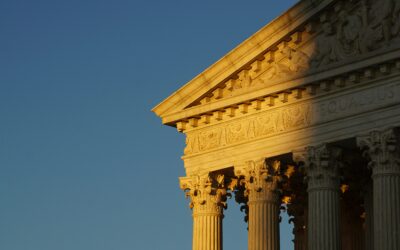
Executive Presence: Trump Attends Landmark Birthright Citizenship Arguments at SCOTUS
In a move that has sent ripples through the nation’s capital, President Trump yesterday became the first sitting commander-in-chief in modern history to personally attend oral arguments at the Supreme Court. The President’s presence in the courtroom gallery underscores the high stakes of Trump v. Barbara, a case that could fundamentally redefine the 14th Amendment and the future of American immigration law. At The Modern Memo, we analyze the legal theory behind the “jurisdiction” challenge, the President’s unprecedented courtroom appearance, and the ongoing battle over the $400 million White House Ballroom project. The Birthright Battle: Trump v. Barbara The case centers on Executive Order 14160, signed earlier this term, which seeks to end the automatic granting of citizenship to children born on U.S. soil to parents who are unlawfully present or in the country on temporary visas. The Core Argument: The administration, led by Solicitor General D. John Sauer, argues that the 14th Amendment’s phrase “subject to the jurisdiction thereof” requires more than just physical presence. They contend it implies a “permanent allegiance” or “domicile” that non-citizens do not possess. Challenging Precedent: The lawsuit, brought by a class of plaintiffs led by a person identified as Barbara, argues that the 1898 Wong Kim Ark decision settled this matter over a century ago. The “Birth Tourism” Defense: During the 90-minute session, the administration highlighted the rise of “birth tourism” and the “pull factor” of unrestricted citizenship, arguing that the original intent of the post-Civil War amendment was never to reward those who bypass our legal immigration system. The Scene: Resolve or “Strong-Arming”? The President arrived at the Court yesterday morning, sitting in the public gallery for roughly 90 minutes of the proceedings. He notably left after the government’s portion of the argument concluded. A Show of Strength: Supporters viewed the visit as a necessary display of executive resolve, signaling that the administration views the integrity of the ballot and the value of citizenship as its highest priority. The Critic’s View: Opponents were quick to label the move a “strong-arming tactic” intended to intimidate the Justices. However, the President’s allies noted that the Court has long been a co-equal branch that should not be shielded from the direct interest of the Executive when the Constitution itself is at stake. The $400 Million Ballroom: A Vote on the Horizon While the Supreme Court deliberates, another battle is brewing at the White House. Planning authorities are expected to vote today on the controversial $400 million White House Ballroom project, which has faced significant legal and political hurdles. The Judicial Halt: Earlier this week, U.S. District Judge Richard Leon issued a preliminary injunction, ruling that construction on the massive 90,000-square-foot facility cannot proceed without explicit Congressional approval. Defiance from the Oval: The President has blasted the ruling as “wrong,” arguing that previous administrations conducted extensive renovations without seeking legislative permission. The Thursday Vote: Today’s vote by planning authorities represents the final procedural hurdle outside the courts. If approved, it would set up a direct showdown between the administration’s “modernization” agenda and a Congress that remains deeply divided over the project’s scale and private funding model. Final Word The President’s physical presence at the Supreme Court is a definitive statement that the era of “business as usual” immigration policy is over. When you look past the noise of “tradition” and focus on the data—the legal ambiguity of “jurisdiction” and the 125-year-old precedents being tested—you gain a clearer picture of a nation finally grappling with the true meaning of citizenship. Quality information replaces the rhetoric of “tradition” with the clarity of constitutional originalism. It allows you to see Trump v. Barbara not just as a court case, but as the essential restoration of the “priceless gift” of being an American. By choosing to stand with the President in this fight, you align your perspective with the reality that a sovereign nation must define its own borders and its own people. Where Facts, Context, and Perspective Matter At The Modern Memo, our goal is simple: to provide clear, well-researched reporting in a media landscape that often feels overwhelming. We focus on substance over sensationalism, and context over commentary. If you value thoughtful analysis, transparent sourcing, and stories that go beyond the headline, we invite you to share our work. Informed conversations start with reliable information, and sharing helps ensure important stories reach a wider audience. Journalism works best when readers engage, question, and participate. By reading and sharing, you’re supporting a more informed public and a healthier media ecosystem. The Modern Memo may be compensated and/or receive an affiliate commission if you click or buy through our links. Featured pricing is subject to change. 📩 Love what you’re reading? Don’t miss a headline! Subscribe to The Modern Memo here!

The Fighter Advances: Markwayne Mullin Clears Committee Hurdle for DHS Top Spot
In a razor-thin victory for the administration’s “Security First” agenda, the Senate Homeland Security Committee voted 8-7 today to advance the nomination of Senator Markwayne Mullin (R-OK) to serve as the next Secretary of the Department of Homeland Security. The vote moves the former MMA fighter and plumber-turned-Senator one step closer to taking the reins of a department currently paralyzed by a month-long funding shutdown. At The Modern Memo, we analyze the surprising cross-party alliances, the “2020” distractions used by the opposition, and why Mullin’s “no-nonsense” reputation is exactly what the DHS needs to break the current deadlock. The Vote: A Tense Bipartisan Shuffle The committee room was thick with tension as the roll call revealed a rare fracturing of traditional party lines. The 8-7 result was secured not by a unified Republican front, but by a surprising defection and an even more unexpected Democratic endorsement. The Paul Defection: In a move that surprised many on the right, Committee Chair Rand Paul (R-KY) broke ranks to vote “No.” Paul cited concerns over Mullin’s past rhetoric regarding political violence—a stance the Chairman argued was inconsistent with leading a domestic security agency. The Fetterman Factor: Conversely, the nomination was saved by John Fetterman (D-PA), the sole Democrat to vote “Aye.” Fetterman’s reasoning was pragmatic, stating that the “shambles” of the current DHS shutdown requires a confirmed leader immediately. “We need someone in the chair to get the paychecks flowing,” Fetterman remarked, prioritizing operational stability over partisan purity. The “2020” Distraction vs. Future Integrity As expected, Senate Democrats spent much of the confirmation hearing attempting to relitigate the 2020 election, hoping to paint Mullin as a “denier” unfit for a role that oversees the Cybersecurity and Infrastructure Security Agency (CISA). The Pivot: While Mullin acknowledged the reality that Joe Biden was sworn in, he refused to let the committee dwell on the past. He successfully pivoted the conversation toward restoring trust in the system. The Mission: Mullin argued that his primary mission at DHS would be ensuring the integrity of future elections. By focusing on the “restoration of confidence,” he positioned himself as a reformer rather than a partisan, arguing that millions of Americans currently feel disenfranchised by the lack of transparency in the voting process. Why Mullin? The Case for a “Blue-Collar” Secretary Beyond the political theater, Mullin’s supporters argue that his background is uniquely suited for a department that employs thousands of frontline officers currently working without pay. Leading from the Front: Mullin’s “fighter” persona resonates with a Border Patrol and TSA workforce that feels abandoned by the Washington establishment. Breaking the Shutdown: As a businessman who built a plumbing empire, Mullin has framed himself as a “problem solver” who can navigate the budgetary gridlock that has kept the DHS in the dark for 30 days. Final Word Markwayne Mullin’s advancement is a victory for those who value operational readiness over ideological purity. When you look past the noise of the “2020” questioning and focus on the data—the 8-7 committee win and the endorsement from a high-profile Democrat—you gain a clearer picture of a nominee who is building a coalition of necessity. Quality information replaces the distraction of past rhetoric with the reality of a department that needs a leader to sign checks and secure borders today. It allows you to see Mullin not as a “firebrand,” but as the essential catalyst for ending the shutdown. By choosing to back a leader who prioritizes the future over the past, you align your perspective with the urgent need for a functional, protected America. Where Facts, Context, and Perspective Matter At The Modern Memo, our goal is simple: to provide clear, well-researched reporting in a media landscape that often feels overwhelming. We focus on substance over sensationalism, and context over commentary. If you value thoughtful analysis, transparent sourcing, and stories that go beyond the headline, we invite you to share our work. Informed conversations start with reliable information, and sharing helps ensure important stories reach a wider audience. Journalism works best when readers engage, question, and participate. By reading and sharing, you’re supporting a more informed public and a healthier media ecosystem. The Modern Memo may be compensated and/or receive an affiliate commission if you click or buy through our links. Featured pricing is subject to change. 📩 Love what you’re reading? Don’t miss a headline! Subscribe to The Modern Memo here!
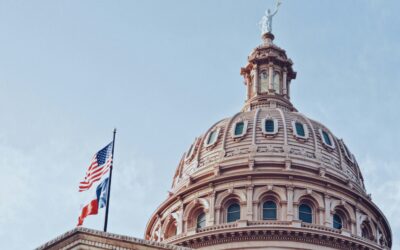
Texas Primary Shakeup: Runoffs Dominate as Political Landscape Shifts
The dust has settled on the March 2026 Texas primaries, and the results have left both parties grappling with a new, intensely competitive reality. From blockbuster Senate battles to unexpected upsets in statewide offices, this primary cycle—already the most expensive in state history—has set the stage for a bruising eight months leading up to the November general election. At The Modern Memo, we break down the winners, the looming runoffs, and what these results say about the shifting tides within the Texas GOP and Democratic parties. The Senate Standoff: A “Knife Fight” for the GOP The marquee matchup of the night—the Republican U.S. Senate primary—ended in a stalemate that promises to define the next 12 weeks of Texas politics. The Runoff: Neither incumbent Sen. John Cornyn nor Attorney General Ken Paxton was able to clear the 50% threshold, forcing a May 26 runoff. The Stakes: This contest has been a massive drain on party resources, with nearly $100 million in ad spending already recorded. Cornyn, seeking a fifth term, finished narrowly ahead, but Paxton’s base of committed conservative activists poses a formidable threat in a low-turnout runoff environment. The Democratic Nominee: On the other side of the aisle, state Rep. James Talarico scored a decisive victory over U.S. Rep. Jasmine Crockett, avoiding a runoff and allowing him to focus his resources entirely on the general election while Republicans remain locked in their intraparty brawl. Statewide Results: Incumbents, Upsets, and New Faces While the Senate race captured the national spotlight, the results down-ballot signal significant volatility in Texas leadership. Governor’s Race Set: Incumbent Gov. Greg Abbott easily defeated his Republican challengers and will face Democratic state Rep. Gina Hinojosa in November. Hinojosa, having emerged from a crowded field, is now the standard-bearer for a party looking to break a 30-year Republican winning streak in the Governor’s Mansion. Agriculture Commissioner Upset: In a shock to the GOP establishment, Collin County businessman Nate Sheets successfully unseated three-term incumbent Sid Miller, signaling a potential appetite for change even among seasoned incumbents. Attorney General Vacancy: With Ken Paxton running for Senate, the race to replace him remains unsettled. State Sen. Mayes Middleton and U.S. Rep. Chip Roy are now headed to a GOP runoff to determine who will take on the Democratic nominee in the fall. The Big Picture: What the Turnout Tells Us Beyond the individual winners and losers, the turnout and dynamics of this primary cycle reveal deeper truths about the Texas electorate. Cost of Entry: This cycle will go down as the most expensive in Texas history. Money clearly moved the needle, but as seen in the unseating of incumbents, it was not a guarantee of survival. Intra-Party Divisions: The primary highlighted deep fissures within the Texas GOP. Dueling wings of the party—often influenced by competing endorsements from President Trump and Governor Abbott—saw mixed results, suggesting that the “MAGA” brand in Texas is not a monolith and remains subject to local political realities. The Runoff Season: Texas law requires a runoff when no candidate reaches a majority, meaning the “primary” season is far from over. Voters will head back to the polls on May 26, ensuring that the intense, high-dollar political ads will continue to dominate the Texas airwaves for another three months. Final Word The 2026 Texas primaries were not just a selection process; they were a stress test for the state’s political machinery. When you look past the candidate slogans and focus on the data of the runoffs and the unseating of long-term incumbents, you gain a clearer picture of an electorate that is engaged, divided, and highly reactive to both local and national pressures. Quality information replaces the noise of partisan speculation with the clarity of vote tallies and procedural deadlines. It allows you to see these results as the opening act of a much longer, more intense political drama that will culminate in November. By choosing to follow the verified results of these primary races, you align your perspective with the realities of Texas’ evolving political landscape and support a more informed, resilient citizenry. Where Facts, Context, and Perspective Matter At The Modern Memo, our goal is simple: to provide clear, well-researched reporting in a media landscape that often feels overwhelming. We focus on substance over sensationalism, and context over commentary. If you value thoughtful analysis, transparent sourcing, and stories that go beyond the headline, we invite you to share our work. Informed conversations start with reliable information, and sharing helps ensure important stories reach a wider audience. Journalism works best when readers engage, question, and participate. By reading and sharing, you’re supporting a more informed public and a healthier media ecosystem. The Modern Memo may be compensated and/or receive an affiliate commission if you click or buy through our links. Featured pricing is subject to change. 📩 Love what you’re reading? Don’t miss a headline! Subscribe to The Modern Memo here!

The Sovereignty Shield: President Trump Demands Senate Action on House-Approved SAVE America Act
In a direct challenge to the legislative status quo, President Donald J. Trump utilized his post-State of the Union momentum to issue a stern directive to the United States Senate: Pass the Safeguard American Voter Eligibility (SAVE) America Act. Following its successful passage in the House, the bill—which mandates documentary proof of citizenship for federal voter registration—now sits at a critical crossroads in the upper chamber. At The Modern Memo, we analyze the push for “One Citizen, One Vote,” the data behind the border-voter connection, and the administration’s strategy to force a floor vote on election integrity. The Core Mandate: Ending “Honor System” Registration The SAVE America Act is designed to close a loophole created by the 1993 National Voter Registration Act (NVRA), which currently allows individuals to register for federal elections simply by checking a box asserting they are citizens—often without providing a shred of physical evidence. The Documentary Standard: The bill requires states to obtain proof of citizenship (such as a birth certificate, passport, or naturalization papers) before adding an individual to the federal voter rolls. Cleaning the Rolls: In addition to new registrations, the Act empowers states to utilize existing federal databases to cross-reference and purge non-citizens from current registries. The “Integrity Gap”: President Trump has characterized the current “honor system” as an invitation for foreign interference and a betrayal of the legal American voter. “If you can’t prove who you are and where you’re from, you shouldn’t be deciding the future of this country,” the President stated. The Border Connection: Protecting the Franchise The administration’s urgency is inextricably linked to the historic influx of illegal crossings over the past several years. Proponents of the bill argue that without a citizenship requirement, the “weaponization” of the border could lead to the dilution of the American vote. Mass Parole Concerns: With millions of individuals entered into the country under various parole programs, the administration warns that “automatic” registration at DMV offices (Motor Voter laws) creates a systemic risk where non-citizens are inadvertently—or intentionally—added to the rolls. The Deterrence Factor: By making it a federal requirement to show proof of citizenship, the SAVE Act serves as a legal deterrent against non-citizen participation, which current law makes difficult to prosecute after the fact. The Senate Standoff: Forcing the Vote While the House passed the measure with unified Republican support and a handful of centrist Democrats, the Senate remains the primary obstacle. The Filibuster Factor: Senate leadership has signaled resistance, labeling the bill “unnecessary” and “voter suppression.” However, President Trump has called for a “clean vote,” urging Senate Republicans to use every procedural tool available to force a public tally. Public Sentiment: Polling consistently shows that a vast majority of Americans—including nearly 70% of independents—support the requirement of showing a photo ID or proof of citizenship to vote. The “Transparency” Ultimatum: The White House has signaled that it intends to make the SAVE Act a “litmus test” for the 2026 midterm elections, framing any vote against it as a vote against the foundational principle of national sovereignty. Final Word The push for the SAVE America Act isn’t just a policy debate; it’s a battle for the core of the American republic. When you look past the legacy media’s framing of “suppression” and focus on the data of millions of unverified registrations and the technicality of closing the 1993 “check-box” loophole, you gain a clearer picture of an effort to restore trust in our democratic process. Quality information replaces the noise of partisan rhetoric with the clarity of constitutional requirements. It allows you to see this bill as a common-sense shield for the value of your vote. By choosing to support the verification of citizenship rather than the continuation of the status quo, you align your perspective with the realities of national security and support a more informed, resilient electorate. Where Facts, Context, and Perspective Matter At The Modern Memo, our goal is simple: to provide clear, well-researched reporting in a media landscape that often feels overwhelming. We focus on substance over sensationalism, and context over commentary. If you value thoughtful analysis, transparent sourcing, and stories that go beyond the headline, we invite you to share our work. Informed conversations start with reliable information, and sharing helps ensure important stories reach a wider audience. Journalism works best when readers engage, question, and participate. By reading and sharing, you’re supporting a more informed public and a healthier media ecosystem. The Modern Memo may be compensated and/or receive an affiliate commission if you click or buy through our links. Featured pricing is subject to change. 📩 Love what you’re reading? Don’t miss a headline! Subscribe to The Modern Memo here!

Securing the Ballot: House Passes SAVE America Act to Mandate Citizenship Proof
In a decisive move for election integrity, the House of Representatives passed the SAVE America Act (218–213) late yesterday. The legislation represents a major pillar of the administration’s “Election Reset” agenda, designed to ensure that only American citizens participate in federal elections. At The Modern Memo, we analyze the “show your papers” mandate, the monthly roll purges, and the strategic battle heading to the Senate as Republicans move to nationalize voter ID standards. The Mandate: Ending the “Honor System” The Safeguard American Voter Eligibility (SAVE) America Act, introduced by Rep. Chip Roy (R-TX), seeks to amend the 1993 National Voter Registration Act. It replaces the current “honor system”—where registrants simply check a box attesting to citizenship—with a requirement for physical documentary proof. Documentary Proof: To register for federal elections, applicants must provide a passport, a birth certificate (accompanied by photo ID), or a military ID. National Photo ID: The bill mandates a government-issued photo ID to cast a ballot in person. For mail-in voting, a copy of that ID must be submitted with the ballot, ending the practice of unverified signature matching in several states. Immediate Implementation: Unlike previous versions, this act is designed to take effect immediately, aiming to secure the voter rolls before the 2026 midterm elections. Cleaning the Rolls: The DHS Connection A key provision of the bill focuses on “list maintenance,” or the regular purging of ineligible names from state databases. Systematic Verification: The act directs election officials to conduct monthly voter roll purges using the Department of Homeland Security’s (DHS) “SAVE” program—the same database used to verify eligibility for federal benefits. Criminal Penalties: To ensure compliance, the bill establishes criminal penalties for election officials who knowingly register non-citizens or fail to perform mandated roll maintenance. The “One Democrat” Vote: The bill passed with unanimous Republican support and a single Democratic vote from Rep. Henry Cuellar (D-TX), who has consistently broken with his party on border and election security issues. The Opposition: Claims of “Bureaucratic Barriers” Democrats and civil rights groups have unified against the bill, characterizing it as a “voter suppression” tactic. The “Marriage Gap”: Critics argue the bill disproportionately affects the 69 million married women whose current legal names do not match their birth certificates. Under the act, these voters would need to provide additional documentation, such as marriage licenses, to prove their identity. The “Paperwork” Wall: Opponents cite data suggesting that up to 21 million Americans lack immediate access to a birth certificate or passport. They claim the in-person registration requirement will disenfranchise rural and low-income voters who cannot easily travel to government offices. Rare Occurrences: The White House and Democratic leadership maintain that non-citizen voting is already illegal and “vanishingly rare,” arguing the bill solves a problem that doesn’t exist. Senate Outlook: The “Talking Filibuster” The bill now heads to the Senate, where Majority Leader John Thune faces a steep climb to reach the 60-vote threshold. The Filibuster Factor: Senate Republicans are currently debating the use of a “talking filibuster” to force Democrats to hold the floor, hoping to wear down opposition to what they call “common-sense” security. GOP Holdouts: The bill faces internal pressure from Sen. Lisa Murkowski (R-AK), who expressed concern that forcing states to overhaul their systems so close to an election could “negatively impact integrity” by creating administrative chaos. Final Word Staying informed on the SAVE America Act isn’t just about partisan leanings—it plays a powerful role in your understanding of the foundational mechanics of our republic. When you look past the slogans of “suppression” and focus on the data of “citizenship verification” and “systematic roll purges,” you gain a clearer picture of the effort to restore public confidence in the ballot box. Quality information replaces the noise of partisan outrage with the clarity of legislative text and constitutional standards. It allows you to see this bill as a fundamental debate over the balance between ease of access and the security of the franchise. By choosing to follow the facts of the House vote rather than the rhetoric of the critics, you align your perspective with the realities of modern election law and support a more informed, resilient nation. Where Facts, Context, and Perspective Matter At The Modern Memo, our goal is simple: to provide clear, well-researched reporting in a media landscape that often feels overwhelming. We focus on substance over sensationalism, and context over commentary. If you value thoughtful analysis, transparent sourcing, and stories that go beyond the headline, we invite you to share our work. Informed conversations start with reliable information, and sharing helps ensure important stories reach a wider audience. Journalism works best when readers engage, question, and participate. By reading and sharing, you’re supporting a more informed public and a healthier media ecosystem. The Modern Memo may be compensated and/or receive an affiliate commission if you click or buy through our links. Featured pricing is subject to change. 📩 Love what you’re reading? Don’t miss a headline! Subscribe to The Modern Memo here!

The Funding Standoff: Partial Shutdown Enters Day Three
As of Monday morning, February 2, 2026, the United States government remains in a partial shutdown following the expiration of several federal funding authorities at midnight on Saturday. The lapse has left portions of the federal government without appropriations as lawmakers continue negotiations centered on funding for the Department of Homeland Security (DHS). Several major agencies remain affected while Congress considers a short-term legislative solution that could reopen parts of the government as early as Tuesday. Background: Events Driving the Debate The current funding dispute intensified following a January 24 federal immigration enforcement operation in Minneapolis that resulted in the death of Alex Pretti, a 37-year-old U.S. citizen and ICU nurse. The incident is under investigation. Video footage circulated online in the days following the event, prompting renewed scrutiny of Immigration and Customs Enforcement (ICE) practices. The shooting followed a separate enforcement-related fatality earlier in January involving another U.S. citizen, Renee Good. In response, several Democratic lawmakers have called for changes to federal enforcement policies, linking DHS funding to proposed operational standards for ICE agents. Legislative Strategy and Senate Action To prevent a full government shutdown, Senate leadership and the White House advanced a two-part funding approach late last week. Under the plan, the Senate approved a package funding several federal departments—including Defense, Labor, Health and Human Services, and Transportation—through the end of the fiscal year in September. The measure passed by a 71–29 vote. DHS funding was separated from the broader package and extended for an additional two weeks. Supporters of the approach described the temporary extension as a mechanism to allow further negotiations on enforcement policies, including proposals related to agent identification and warrant requirements. The House did not vote on the Senate-approved package before the funding deadline. Lawmakers were in recess over the weekend, and travel disruptions caused by severe winter weather across parts of the Southeast contributed to the delay. Agencies Affected by the Shutdown The funding lapse has resulted in a partial shutdown, as several agencies had already received appropriations earlier in the fiscal year. Agencies currently affected include: Homeland Security Treasury Transportation Health and Human Services Labor Portions of Defense involving civilian operations Hundreds of thousands of federal employees classified as non-essential have been placed on unpaid furlough. Employees designated as essential, including active-duty military personnel and Transportation Security Administration officers, continue to work without pay. Agencies that remain funded and operational include: Justice Agriculture Interior Veterans Affairs Next Steps and Timeline House Speaker Mike Johnson said Sunday that the House is expected to consider the Senate’s funding package by Tuesday. Johnson described the vote as necessary to restore government operations while discussions over DHS funding continue. Democratic leaders, including House Minority Leader Hakeem Jeffries, have expressed reservations about passing a short-term DHS extension without additional commitments regarding enforcement oversight. Some Democrats argue that funding negotiations present an opportunity to establish permanent operational standards for ICE. Negotiations are ongoing, and it remains unclear whether further amendments or assurances will be required to secure passage in the House. Final Word With funding expired for several federal agencies, congressional leaders are working within a compressed timeline to pass a short-term solution while negotiations over DHS appropriations continue. Whether lawmakers reach an agreement in the coming days will determine if affected government operations resume this week or if the partial shutdown continues as talks extend into February. Where Facts, Context, and Perspective Matter At The Modern Memo, our goal is simple: to provide clear, well-researched reporting in a media landscape that often feels overwhelming. We focus on substance over sensationalism, and context over commentary. If you value thoughtful analysis, transparent sourcing, and stories that go beyond the headline, we invite you to share our work. Informed conversations start with reliable information, and sharing helps ensure important stories reach a wider audience. Journalism works best when readers engage, question, and participate. By reading and sharing, you’re supporting a more informed public and a healthier media ecosystem. The Modern Memo may be compensated and/or receive an affiliate commission if you click or buy through our links. Featured pricing is subject to change. 📩 Love what you’re reading? Don’t miss a headline! Subscribe to The Modern Memo here!

TikTok’s $14 Billion Divorce: Balancing National Security and the Global App Economy
After more than five years of executive orders, court injunctions, and federal ultimatums, the saga of TikTok’s American operations has reached a definitive turning point. On January 22, 2026, ByteDance officially finalized a deal transferring control of TikTok’s U.S. unit to a new majority-American joint venture, effectively averting a nationwide ban under the Protecting Americans from Foreign Adversary Controlled Applications Act. At Modern Memo, we analyze the structure of this historic $14 billion transition, the technical safeguards being implemented, and the ongoing debate between national security and free-market commerce. The New Structure of American TikTok The newly formed entity, TikTok USDS Joint Venture LLC, now operates as the primary steward of the app for over 170 million U.S. users. To satisfy federal divestiture laws, the ownership has been redistributed to ensure ByteDance maintains only a minority, non-controlling stake of 19.9%. The majority of the company is now held by a consortium of managing investors, including Oracle, Silver Lake, and the Abu Dhabi-based AI firm MGX, who each hold 15% stakes. The remaining shares are distributed among a group of strategic U.S. participants, including the Dell family office and existing ByteDance investors. The venture is led by CEO Adam Presser and is overseen by a seven-member board of directors. Per federal mandate, this board maintains a majority of U.S. citizens and includes security experts tasked with auditing the platform’s independence. National Security vs. Technical Interoperability The core of the “TikTok Deal” rests on a complex technical “firewall” designed to isolate American user data while maintaining the app’s global functionality. The Algorithmic “Fork” To address concerns that the recommendation engine could be used for foreign influence, the joint venture is currently “retraining” the algorithm. While the underlying source code is licensed from ByteDance, the version used in the U.S. is being tested and updated exclusively on American user data within Oracle’s secure cloud environment. Data Residency and Oversight Oracle has transitioned from a simple hosting partner to a “technological steward.” All U.S. user data is now stored on domestic servers, and Oracle possesses the authority to monitor data flows and validate the code. This is intended to ensure that no unauthorized data packets are transmitted to foreign servers. The Commercial Paradox While the U.S. joint venture controls data and content moderation, certain commercial functions—including e-commerce, global advertising, and marketing—remain tied to ByteDance-controlled units. This “interoperability” ensures that U.S. creators can still reach global audiences, but it has also become a focal point for lawmakers who worry that these commercial links could still serve as conduits for data harvesting. Legislative Skepticism and the “Divorce” Debate Despite the deal’s closure, a bipartisan group of lawmakers continues to question its efficacy. Transparency Concerns: Senators like Ed Markey (D-MA) and Marco Rubio (R-FL) have called for an investigation into the “secrecy” of the negotiations. Critics argue that without a public audit of the licensed code, it is impossible to verify if the app is truly free of foreign influence. The “Clean Break” Standard: Members of the House Select Committee on China have vowed to conduct rigorous oversight, questioning if a 19.9% stake and a licensed algorithm meet the “qualified divestiture” standard intended by Congress. User Backlash: Coinciding with the ownership shift, TikTok rolled out updated Terms of Service and Privacy Policies on January 22. This triggered a significant spike in uninstalls as users voiced concerns over new geolocation tracking requirements and perceived shifts in content reach. Final Word Navigating the intersection of tech policy and national security isn’t just about the apps on your phone—it plays a powerful role in your digital privacy and the stability of the global economy. When you look at the facts of a $14 billion divestiture, you gain a clearer picture of how “digital borders” are being drawn in real-time. Quality information improves your mental health by replacing the panic of a “ban” with the clarity of ownership and security data. It reduces “tech fatigue” by helping you understand exactly who has the keys to your digital footprint. By choosing to follow the policy rather than the hype, you protect your perspective and support a more informed, secure digital world. Where Facts, Context, and Perspective Matter At The Modern Memo, our goal is simple: to provide clear, well-researched reporting in a media landscape that often feels overwhelming. We focus on substance over sensationalism, and context over commentary. If you value thoughtful analysis, transparent sourcing, and stories that go beyond the headline, we invite you to share our work. Informed conversations start with reliable information, and sharing helps ensure important stories reach a wider audience. Journalism works best when readers engage, question, and participate. By reading and sharing, you’re supporting a more informed public and a healthier media ecosystem. The Modern Memo may be compensated and/or receive an affiliate commission if you click or buy through our links. Featured pricing is subject to change. 📩 Love what you’re reading? Don’t miss a headline! Subscribe to The Modern Memo here!

Jasmine Crockett’s Senate Run and the Past That Could Derail It
Jasmine Crockett enters the U.S. Senate race as a candidate already familiar to voters — not because of long policy achievements or bipartisan work, but because of a series of viral and controversial statements that have defined her public image. Her remarks about Governor Greg Abbott, Donald Trump, Ted Cruz, and illegal immigration, among other things, have circulated widely across Texas media and national platforms. As a result, she steps into the statewide arena with a reputation already shaped by her own rhetoric. In her safe Dallas district, these moments helped build her profile and energize supporters who appreciate her combative style. But statewide U. S. Senate elections are different. They require candidates to appeal beyond their base, earn trust from independents, and demonstrate judgment, steadiness, and maturity. Crockett’s Senate challenge is not introducing herself to Texans — it is overcoming the version of herself that voters already know. Key Controversies Shaping Voter Perception • Insult Toward the Governor In March, Crockett referred to Governor Greg Abbott as “Hot Wheels,” which prompted a House motion to censure her. Many Texans viewed the comment as mocking a disability and questioned her maturity and judgment. Jasmine Crockett continues to embarrass herself, the state of Texas, and the US Congress by referring to Governor Greg Abbott as “Governor Hot Wheels.” Gov. Abbott was paralyzed at the age of 26 when an oak tree fell and crushed his spine while jogging. This woman is trash. pic.twitter.com/ddiwCBkaHL — Charlie Kirk (@charliekirk11) March 25, 2025 • False Claims About Trump Assassination Attempts In July, she claimed that individuals who attempted to assassinate Donald Trump were Trump supporters, adding that “violence doesn’t come from Democrats.” The statement lacked evidence and was widely criticized as misleading and partisan. Rep. Jamsime Crockett: “VioIence is all coming from MAGA, not the left. Even the 2 who tried kiIIing Trump are Trump supporters.” pic.twitter.com/ddyL7TqwYn — End Wokeness (@EndWokeness) July 9, 2025 More Stories Drowning in Bills? These Debt Solutions Could Be the Break You Need Out-of-Town Renters Are Driving Up Demand in These Five Cities Under Siege: My Family’s Fight to Save Our Nation – Book Review & Analysis • Aggressive Statements About Public Figures Crockett said: “All I want to see happen on my birthday is for Elon to be taken down.” Rep. Jasmine Crockett asks activists to take down Tesla and Elon Musk on her birthday pic.twitter.com/Y0chSa8IB1 — End Wokeness (@EndWokeness) March 20, 2025 She also stated that Senator Ted Cruz should be “knocked over the head.” Rep Jasmine Crockett says to “punch” your opponents and calls to knock Ted Cruz over the head. Rep Jasmine Crocket is explicitly calling for violence. She needs to be investigated. pic.twitter.com/GYJqsgmsi8 — Libs of TikTok (@libsoftiktok) March 24, 2025 These remarks reinforced concerns about her tone, hostility, and suitability for statewide office. • Controversial Immigration Framing She argued that deportations and strict immigration enforcement caused worker shortages in farming, construction, and hospitality, driving up food and housing costs. Her remarks suggested Americans will not do low-wage labor, implying the economy depends on illegal immigrant workers. Rep. Jasmine Crockett: “Connect the dots. You cannot afford your home, groceries thanks to deportations” pic.twitter.com/sg8ggsp4sG — End Wokeness (@EndWokeness) April 10, 2025 The controversy intensified when she added: “We done picking cotton,” a statement many saw as racially charged and dismissive of American workers. Jasmine Crockett (D-TX): “We done picking cotton.” She told a Baptist church congregation that’s what the illegals were for — working the fields. pic.twitter.com/JFzCRr0mSD — toddstarnes (@toddstarnes) April 8, 2025 • Thinks Hispanics Have ‘Slave Mentality She argued that Hispanics in Texas who voted for President Trump and oppose illegal immigration have ‘slave mentality.’ She compared them to slaves who hated themselves. • Supports Racial Inequality and DEI Hiring She doesn’t think black people should have to pay taxes, and she supports reparations. Texas Congresswoman Jasmine Crockett suggests exempting black people from paying taxes, but then says she prefers reparations instead for this reason: CROCKETT: “If you do the no tax thing, for people that are already struggling and aren’t really paying taxes in the first… pic.twitter.com/octD9GKWY9 — Charlie Kirk (@charliekirk11) April 10, 2024 She bragged about being DEI hire. Jasmine Crockett brags about being a DEI hire: “When I first became a public defender, I had no criminal defense experience. And I walked in and I told my boss, ‘You should hire me…because I’m black.’” pic.twitter.com/uM3bCrtMac — Charlie Kirk (@charliekirk11) April 2, 2025 The Larger Question: Is Viral Fame Enough for a Statewide Campaign? These controversies highlight a consistent pattern: Crockett’s most high-profile moments come from confrontation and inflammatory rhetoric rather than constructive policy engagement. While this approach has strengthened her brand inside her own district, it complicates her path in a statewide race where a broader coalition is essential. As she tries to step beyond the cocoon of her district, she faces the harsh reality that going viral is not the same as being qualified. Name recognition will gain her attention while running for Senate. But responsibility, honesty, and maturity win statewide elections — especially in Texas. At this point, her greatest obstacle is not her opponent or her party. It’s the image she has created with her own words. The Takeaway Her challenge becomes even more complex as she faces a primary contest against Texas State Representative James Talarico, who is expected to frame her as “fringe” and not representative of the decorum required to serve the entire state. Meanwhile, the Republican field is equally competitive, with long-term incumbent John Cornyn, frontrunner Texas Attorney General Ken Paxton, and Congressman Wesley Hunt all vying for their party’s nomination. With both primaries shaping up to be hard-fought battles, this Texas race promises to be one of the most closely watched Senate showdowns in the country. Unmask the Narrative. Rip Through the Lies. Spread the Truth. At The Modern Memo, we don’t polish propaganda — we tear it to shreds. The corporate press censors, spins, and sugarcoats. We don’t. If you’re…

Matt Van Epps Wins Decisively in Tennessee Special Election
Matt Van Epps, a West Point graduate and Lieutenant Colonel in the Tennessee Army National Guard, delivered a solid win for Republicans in the special election for Tennessee’s 7th Congressional District. Despite the race falling in an off year and just days after Thanksgiving, when turnout is typically low, Van Epps still secured a decisive and confident victory. His performance shows the GOP base remains energized and engaged. He ultimately defeated progressive Democrat Aftyn Behn by 9 points — a clear and commanding margin in any special election. The Power of a Trump Endorsement Van Epps ran with the endorsement of President Donald Trump, and that support still carries tremendous influence in conservative circles. Republican voters trust the president’s judgment, and his backing helped energize the district. Trump remains the leader of the Republican Party, and his endorsement continues to hold real power. Even so, candidates must build their own following. Van Epps showed he is well on his way with this election win. President Trump congratulated Van Epps tonight on a solid win for the Republican Party: More Stories Drowning in Bills? These Debt Solutions Could Be the Break You Need Out-of-Town Renters Are Driving Up Demand in These Five Cities Under Siege: My Family’s Fight to Save Our Nation – Book Review & Analysis Media and Polling Tried to Shape a Different Narrative Throughout the campaign, mainstream media coverage and selective polling pushed the idea that the race was neck-and-neck. Commentators repeatedly claimed Behn was within reach, creating a dramatic storyline that didn’t match the mood on the ground. When the votes were counted, that narrative collapsed. The final results made clear that the race was not the close contest the media tried to sell. Instead of a photo finish, voters delivered a confident Republican win that outpaced the predictions and undercut the polling hype. Realistic Expectations for a First-Time Candidate Some observers compared Van Epps to President Trump’s historic vote totals, but such expectations were unrealistic. Trump’s numbers are unique in modern American politics. No first-time congressional candidate — especially in an off-year special election — can replicate presidential-level turnout. Even with those inflated expectations circulating, Van Epps performed exceptionally well. He held the district with ease, energized Republican voters, and proved he can build momentum without relying on a presidential-year turnout surge. The Takeaway Matt Van Epps’ win deserves recognition for what it is: a firm, disciplined, and decisive Republican victory. He entered a uniquely timed race, faced a well-funded progressive opponent, and still delivered a strong and steady performance. Media outlets may try to downplay it, but his supporters saw a clear, well-earned win that positions him as a rising conservative voice. Republicans held the seat. President Trump’s endorsement proved influential. And Van Epps demonstrated that he has both the message and the momentum to make an impact in Congress. Cut Through the Noise. Slice Through the Lies. Share the Truth. At The Modern Memo, we don’t tiptoe around the narrative—we swing a machete through it. The mainstream won’t say it, so we will. If you’re tired of spin, censorship, and sugar-coated headlines, help us rip the cover off stories that matter. Share this article. Wake people up. Give a voice to the truth the powerful want buried. This fight isn’t just ours—it’s yours. Join us in exposing what they won’t tell you. America needs bold truth-tellers, and that means you. 📩 Love what you’re reading? Don’t miss a headline! Subscribe to The Modern Memo here! Explore More News Trump Designates Muslim Brotherhood a Terrorist Organization Trump and Elon Musk Reunite, Boosting GOP Unity Top 5 Essential Survival Gear Items For Any Adventure Epstein Files Bill Sparks New Questions as Jeffries Email Emerges
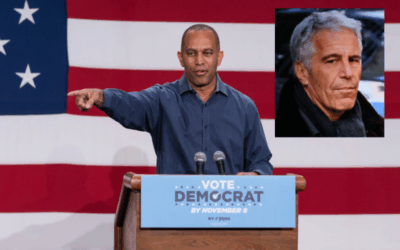
Epstein Files Bill Sparks New Questions as Jeffries Email Emerges
The Modern Memo may be compensated and/or receive an affiliate commission if you click or buy through our links. Featured pricing is subject to change. On November 19, 2025, President Trump signed the Epstein Files Transparency Act into law. It directs the Department of Justice to send both unclassified — and to the greatest extent allowed, classified — documents connected to Jeffrey Epstein to Congress within 30 days. The House approved the bill by a dramatic 427–1 margin, and the Senate agreed unanimously. Those votes highlight something rare in Washington: bipartisan agreement in favour of openness. What makes this especially significant is the subject: years of questions over how Epstein’s case was handled, which left many people feeling the story had been locked away. This law changes that dynamic. What the Bill Requires Here’s how the legislation works: All records, documents, communications and investigative materials — classified or not — must be turned over to Congress. Within 15 days, the Attorney General must provide a list of government officials and politically exposed individuals tied to Epstein’s case. The deadline to deliver the full set of materials to Congress is 30 days from the presidential signature. Because of the tight timeline, agencies will be under pressure to act fast. Some analysts warn quick deadlines may lead to redactions, omissions or legal push-back. The wording of the bill seems intentional: phrases like “all records” and “to the maximum extent possible” hint at a push to limit selective disclosures and hold the process accountable. More Stories Kamala Teases 2028 Run as Democrats Scramble for Strategy FBI Probes Hunting Stand Near Trump’s Air Force One Area Get Your Essential Survival Gear: Medical Go Bag and Trauma First Aid Kit Why the Shift Happened The movement toward this law didn’t come out of nowhere. It was led by Representatives Thomas Massie (R-KY) and Ro Khanna (D-CA) through a somewhat uncommon tool: a discharge petition to force the vote despite resistance. A key turn came when Trump reversed his earlier position and encouraged Republicans to support the disclosure. He said, “We have nothing to hide, and it’s time to move on from this Democrat Hoax.” Why the U-turn? Two things: One, public demand for transparency has been persistent and loud. Two, resisting disclosure could look like protecting all those involved. A New Layer: Jeffries Campaign Solicitation Interestingly, the story now has a new twist. Documents disclosed by the House Oversight Committee show that the campaign of Hakeem Jeffries sought contributions from Epstein years after his 2008 conviction. A May 2013 email invited Epstein to a fundraising dinner tied to Jeffries’ campaign and implied the rising star congressman was seeking support. This adds an extra dimension of oversight pressure and raises fresh questions. The outreach to Jeffrey Epstein puts issues of influence and access back in the spotlight. .@RepJamesComer: “I’ve taken to the floor today to respond to Minority Leader Hakeem Jeffries calling me a, quote, “stone-cold liar” during a press conference defending the recent discovery of Democrats’ communication with convicted sex offender Jeffrey Epstein.” pic.twitter.com/jKtejCvFa2 — CSPAN (@cspan) November 20, 2025 Why It Matters This law matters for multiple reasons: For the victims of Epstein’s criminal operation, this represents a long-awaited push for answers. For Congress, it shifts the balance: from questions about what was hidden to the full weight of oversight and demand for disclosure. From a political perspective, it’s a change of narrative: instead of secrecy, the governing side is now pushing openness. On top of that, the Jeffries campaign detail means this isn’t just about one administration or one individual — it runs through multiple years, multiple actors, and potentially multiple parties. That helps explain why people are paying attention. What’s Next So what happens now? With the 30-day clock ticking, here are the key questions: Will any materials still be withheld because of classification, ongoing investigations or executive privilege? Some legal experts say yes. How much will the public actually see? Will we have raw documents, or heavily redacted versions? What will the disclosures do to public figures, institutions or past investigations? Could there be renewed scrutiny or calls for reform? And finally: will this result in fresh revelations — or just repackaged versions of what we already know? There’s also a logistical question: How will these documents be released? If Congress makes them public online, the scale of review could be massive — think journalists, attorneys, researchers all digging in. Final Word By signing the Epstein Files Transparency Act, the White House triggered what could become one of the most significant document disclosures in recent political memory. Whether it delivers a full reckoning or simply opens new political chapters remains to be seen. What is clear, though, is this: the narrative has shifted from secrecy toward accountability. With fresh attention on not just the files, but also the fundraising and outreach tied to Epstein, we’re entering a new stage of this story. Releasing the files could bring clarity long sought by victims and investigators, or the disclosure may raise more questions than answers. Either way, the next 30 days promise to be a revealing chapter. Cut through the noise. Drown out the spin. Deliver the truth. At The Modern Memo, we’re not here to soften the blow — we’re here to land it. The media plays defense for the powerful. We don’t. If you’re done with censorship, half-truths, and gaslighting headlines, pass this on. Expose the stories they bury. This isn’t just news — it’s a fight for reality. And it doesn’t work without you. 📩 Love what you’re reading? Don’t miss a headline! Subscribe to The Modern Memo here! Explore More News AI Job Cuts Surge: How Automation Is Reshaping the U.S. Workforce in 2025 ACA Premiums Are Rising — But Not Because of Expiring Subsidies Daylight Saving Time Debate Heats Up Across States Top 5 Essential Survival Gear Items For Any Adventu