

Tech

China’s Rare Earth Clampdown Threatens U.S. Tech, Defense
China has recently threatened to tighten control over rare earth exports mark a bold shift in global supply dynamics. While Beijing frames the move as a matter of national security, the ripple effects could wreak havoc on U.S. tech giants, defense contractors, and global supply chains. What Are Rare Earths — and Why They Matter Rare earth elements are not actually rare in the earth’s crust. But they are difficult and costly to mine and refine. These elements power high-precision magnets, chips, sensors, and advanced military hardware. Industries ranging from smartphones and electric vehicles to guided missiles and stealth aircraft depend heavily on them. China dominates global rare earth processing. It controls much of the refining, magnet manufacturing, and export of these materials. That dominance gives Beijing a powerful economic weapon. Analysts estimate that China handles about 90% of the world’s rare earth refinement and magnet production, according to Reuters. By threatening to clamp down on exports, China is showing its willingness to use that leverage as a geopolitical tool. (MORE NEWS: Silver Prices Hit Record High as Demand Surges and Supplies Tighten) What China’s New Controls Look Like The new export curbs extend beyond raw ores. Under these rules, foreign firms must apply for licenses even if their products contain only trace amounts of Chinese rare earths. Exports of processing technologies and magnet materials now face tighter reviews. China also plans to scrutinize or reject exports tied to defense and semiconductor applications. Because the licensing process is discretionary, Beijing can slow or block shipments without imposing a full ban. This creates uncertainty for companies around the world and gives China flexibility to apply pressure when it chooses. Risks to U.S. Tech and Defense Firms China’s rare earth restrictions threaten to shake the foundation of America’s technology and defense sectors. Many of the nation’s most advanced companies depend on steady supplies of these critical materials, and even small disruptions can create major setbacks. Key risks include: Supply chain disruptions: U.S. tech firms and defense contractors rely on predictable supply lines. Sudden export delays or denials from China could leave manufacturers scrambling for alternatives. Even short delays could halt production of essential equipment. Impact on defense programs: Fighter jets, missile systems, radar arrays, and unmanned vehicles all depend on rare earth magnets and components. If China limits supply, the U.S. military could face higher costs, missed deadlines, and shortages in key technologies. Rising costs and price spikes: Tighter export rules usually drive up prices. Companies may face cost increases from raw materials to finished products. These surges could shrink profit margins and push prices higher for both consumers and government contracts. Strategic vulnerability: China’s control goes far beyond mining. It dominates the refining and magnet manufacturing processes needed for advanced components. Even firms sourcing raw materials elsewhere often depend on Chinese processing, giving Beijing powerful leverage over critical sectors of the U.S. economy. Broader Economic and Geopolitical Fallout China’s export threats reach far beyond defense and semiconductors. Electric vehicles, renewable energy systems, consumer electronics, and even medical devices depend on rare earth materials. Any disruption or surge in prices could slow innovation, increase production costs, and make high-tech goods more expensive for consumers worldwide. These industries also power the global clean-energy transition. A long-term shortage or price spike could delay progress toward climate goals, forcing nations to choose between sustainability and supply security. The result could be slower adoption of green technology just as the world pushes to reduce emissions. In response, the United States and its allies are racing to diversify supply chains. The European Union and other partners are working to reduce reliance on China by expanding domestic mining, refining, and magnet manufacturing. New international partnerships are forming to develop alternative sources and share technology. At the same time, Washington is preparing stronger countermeasures, including new tariffs and tighter export controls. President Donald Trump addressed China’s escalating trade actions in a public statement, saying: The statement underscores how seriously Washington views Beijing’s actions — as both an economic threat and a challenge to international trade norms. If both sides follow through on these measures, the result could be a full-scale trade confrontation that reshapes global supply chains for years to come. What the U.S. Must Do To protect its economy and security, the United States must take bold steps to reduce its dependence on China for rare earth materials. America is rich in critical minerals buried within its own borders, and it must be able to responsibly mine and process them. Developing these resources is essential not only to compete with China, but also to secure national independence and strengthen long-term security. President Trump and his administration are working to rebuild America’s rare earth supply chain and bring production back home. However, progress faces many obstacles, including lawsuits, environmental restrictions, and slow permitting processes that block new mining and processing projects. Overcoming these challenges will be vital for America to regain control of its resources, stabilize supply chains, and protect the industries that drive innovation and defense. (MORE NEWS: Melania Trump Helps Reunite Ukrainian Children Amid War) By combining responsible mining, smart policy, and close coordination between government and private industry, the U.S. can create a reliable domestic supply of rare earth elements. This will safeguard the nation’s economic strength, ensure technological leadership, and reduce the risk of foreign influence over critical materials. The Takeaway China’s tightening control over rare earth exports is just one piece of a much larger challenge. For decades, the United States has allowed itself to become economically entangled with a nation that openly seeks global dominance. From electronics and pharmaceuticals to energy and manufacturing, too many American industries still rely on Chinese production. The lesson is clear: true security begins with independence. Decoupling from China is not about isolation — it is about protecting America’s future. By rebuilding domestic production, securing vital resources, and supporting innovation at home, the U.S. can reduce its vulnerabilities and strengthen its position in the world. The path forward will…

AI Tech Helps Senior Reunite with Lost Cat After 11 Days
When Louie, a two-year-old Maine Coon cat, slipped out of a window, his owner Sharon faced 11 agonizing days of uncertainty. As an indoor cat, Louie had never ventured outside before, so his disappearance felt especially devastating. However, thanks to a clever blend of AI and community help, the story had a happy ending, according to Petco Love, a nonprofit pet organization. Sharon’s experience shows how accessible technology can bring peace of mind to pet owners—and how a simple tool can spare them days of worry. The Disappearance and Search Effort On the day Louie went missing, Sharon and her family sprang into action. They knocked on neighbors’ doors, visited local shelters, and spread the word in their community. Even though the Humane Society for Southwest Washington encouraged them to explore technology aids, the process still felt overwhelming. Over the following days, Sharon’s hope wavered. She feared that difficulties in posting, sharing, or connecting could derail the search. In response, shelter staff recommended an app called Love Lost, powered by Petco Love. It uses AI-driven photo matching to simplify reuniting lost pets with owners. How Love Lost Works Love Lost is a free national database that uses artificial intelligence to compare uploaded photos of lost pets. Images are submitted from shelters, social media, and neighborhood platforms. When owners post a missing-pet profile, the tool scans across numerous sources, including apps like Nextdoor, Ring’s Neighbors, and major shelter networks—to find visual matches. One standout feature is its secure chat function. This allows finders and pet owners to communicate through the app without revealing personal contact information. That feature proved pivotal in Sharon’s case. (MORE NEWS: AI Is Taking Entry-Level Jobs and Shaking Up the Workforce) The Role of a Good Neighbor On the 11th day, Sharon received a message through Love Lost’s chat from someone who had seen a cat matching Louie’s description on a rooftop near a local vet’s office. The good Samaritan had used the Love Lost app to scan for a match and then reached out through the secure messenger. Together, they tracked Louie to a storage lot just behind the building. When Sharon arrived, she reunited with her cat—safe, though understandably shaken. She later expressed deep gratitude and said, “We were just thrilled. When I posted on Love Lost, it was easy to use. If it had not been simple, I probably would not have finished it.” Her remark underlines a key point: usability matters. If a tech tool is too complicated, people may abandon it at the moment they need it most. What Makes This Approach Powerful The combination of AI photo-matching and community engagement is uniquely effective. Because the app scans many sources simultaneously, it casts a wide net. Meanwhile, the chat feature encourages collaboration in real time. This dual method boosted the odds of recovery in Louie’s case. Later this fall, the platform planned to add a feature called Search Party, which allows pet owners to coordinate flyer distributions, organize search zones, and share posts more broadly. That addition would make community coordination more seamless and reduce duplication of effort. (MORE NEWS: Tesla Launches Cheaper Model Y and Model 3 to Boost Sales) Additional Tools: Pet Trackers Although Love Lost proved its worth, it’s not a foolproof solution on its own. For added protection, pet owners might consider pairing the app with a GPS pet tracker. These compact devices attach to collars and let you monitor your pet’s location in real time. Using both a tracking device and the AI database ensures coverage on two fronts. One reacts to everyday movements, and another leverages community and shelter resources when your pet goes missing. What Pet Owners Can Do Now If you own a pet, consider taking these steps today: Upload a clear photo of your pet to Love Lost or a similar database so you’re ready if your pet goes missing. Enable alerts so the app can notify you and your neighbors when potential matches appear. Use a GPS tracker on your pet’s collar for real-time updates. Connect with local shelters and encourage them to use these AI tools. Share information widely through neighborhood groups, flyers, and social media. By setting up a plan ahead of time, you shift from reactive panic to proactive readiness. When hours count, that can make all the difference. The Takeaway Sharon’s reunification with Louie reminds us of the powerful bond between people and their pets—and how technology can help protect that bond. In this case, AI didn’t replace human care; it enhanced it. The app’s ease of use, wide reach, and secure communication helped rally a community around one missing cat. While no tool can guarantee you’ll never experience a lost pet, combining AI-driven services with practical tools like GPS trackers gives you the best chance of a happy outcome. And thanks to people who take the time to help when they see something amiss, recovery stories like Louie’s continue to inspire pet owners everywhere. Forget the narrative. Reject the script. Share what matters. At The Modern Memo, we call it like it is — no filter, no apology, no corporate leash. If you’re tired of being lied to, manipulated, or ignored, amplify the truth. One share at a time, we dismantle the media machine — with facts, boldness, and zero fear. Stand with us. Speak louder. Because silence helps them win.

Tesla Launches Cheaper Model Y and Model 3 to Boost Sales
Tesla has introduced new, lower-cost versions of its popular Model Y and Model 3. The move marks a major shift in strategy as the electric carmaker seeks to boost sales and widen its market reach. While the announcement signals a push toward affordability, it also raises questions about how these cheaper models will impact Tesla’s profits and brand image. Meet Model Y Standard & Model 3 Standard – our most affordable vehicles Ultra-low cost of ownership, engineered for safety & comes with the best Tesla features you love – 321 mi of range – Extreme efficiency that takes you farther + saves you $$ – Minimal maintenance – Can… pic.twitter.com/2cMQ5NW6Yf — Tesla (@Tesla) October 7, 2025 Why Tesla Is Betting on Price Cuts Tesla has faced slowing sales in recent months. Many buyers have been deterred by rising costs and the expiration of the federal electric vehicle tax credit, which once made Tesla models more affordable. To stay competitive, Tesla decided to launch new “Standard” versions of its Model Y and Model 3. The Model Y Standard starts at around $39,990, while the Model 3 Standard begins at about $36,990. (MORE NEWS: Trump Admin and Musk’s xAI Launch Federal AI Partnership) By cutting prices, the company aims to attract more cost-conscious drivers without abandoning its image as a premium automaker. This strategy reflects their attempt to balance two identities — luxury innovator and mass-market competitor. What’s Being Cut (and What You Still Get) To reach a lower price point, Tesla removed or simplified some features. The new Standard versions come without certain upgrades, such as advanced Autosteer capabilities, driver assistance systems, rear seat heaters, touchscreens for rear passengers, and premium lighting or finishes. The panoramic glass roof in some models has been replaced by a metal one, and the sound system is slightly scaled back. However, the essentials remain. Both models still promise over 300 miles of range and the same signature electric performance Tesla is known for. For many buyers, that may be enough. The company is betting that drivers will accept fewer luxuries in exchange for a more accessible price tag. Market Response: Mixed Reactions The reaction from investors and analysts has been cautious. Tesla’s stock fell by more than four percent after the announcement. Some analysts argue that the price difference between the new Standard trims and existing versions isn’t significant enough to make a major impact. Others worry that cheaper models could reduce their profit margins without guaranteeing higher sales. At the same time, some see the move as necessary. Tesla faces growing competition from Chinese automakers and traditional car companies that are rapidly expanding their electric vehicle lineups. Lower prices could help the company maintain its market share in an increasingly crowded field. (MORE NEWS: Meta $800 Smart Glasses Demo Fumbles with Glitches) Balancing Risk and Opportunity The new models come with both risks and rewards. On the positive side, the cheaper versions could help Tesla recapture buyers who were priced out of the market. They could also strengthen their position as the most recognizable electric vehicle brand in the world. But the downsides are clear. Reducing prices may hurt profits, and simplifying features could make Tesla cars feel less special. If buyers view these new models as “budget” versions rather than smart alternatives, Tesla’s brand image might take a hit. Previously, the company had hinted at developing an entirely new, smaller $25,000 vehicle. Instead, the company chose to simplify existing models. Some analysts see this as a cautious move — a sign that they wants to increase affordability without taking on the cost and complexity of designing a brand-new car. What Happens Next Deliveries for the new Standard versions are expected to begin in late 2025 or early 2026. Tesla will be closely watching how customers respond. Strong demand could encourage the company to expand its lineup of affordable vehicles, while weak sales might push it back toward its premium roots. Competition remains fierce. Automakers like BYD, Volkswagen, and Ford are releasing new electric vehicles at similar or lower prices. With global EV demand slowing and government incentives changing, Tesla must prove that its strategy can work in a more competitive, less predictable market. The company’s success will depend on whether these new models still feel like true Teslas — vehicles that deliver cutting-edge performance, efficiency, and technology, even at a lower price. The Road Ahead The introduction of cheaper Model Y and Model 3 versions marks a turning point for Tesla. The company that once defined the luxury electric car is now trying to appeal to the average consumer. This shift could expand its customer base and drive long-term growth. Still, the challenge is clear. The company must show that affordability and quality can coexist. If the company can keep its cars exciting while making them more accessible, it may once again set the standard for the electric vehicle market. But if the balance tips too far toward cost-cutting, Tesla could find itself in a tough position — caught between mass-market ambitions and its premium past. In the end, Tesla’s bet on affordability is a bold move. It could either spark a new wave of growth or expose the limits of its brand. The next year will reveal whether cheaper can still mean better — and whether Tesla’s latest gamble will pay off. Forget the narrative. Reject the script. Share what matters. At The Modern Memo, we call it like it is — no filter, no apology, no corporate leash. If you’re tired of being lied to, manipulated, or ignored, amplify the truth. One share at a time, we dismantle the media machine — with facts, boldness, and zero fear. Stand with us. Speak louder. Because silence helps them win.

Apple Pulls ICE-Tracking Apps from App Store
Apple has removed a number of apps from its App Store that allowed users to track the presence of ICE (Immigration and Customs Enforcement) agents, according to the New York Post. The decision came after the Trump administration threatened legal action. The removed apps included one called ICEBlock, which had gained hundreds of thousands of users. In response, Apple confirmed that it took down ICEBlock and similar apps after being contacted by law enforcement. The company did not name which agencies or detail each app removed. What Was ICEBlock and Why It Mattered ICEBlock was an app that let users anonymously report and view the approximate location of ICE agents within a five-mile radius. By crowdsourcing observations, users could see where ICE enforcement was reportedly active and warn each other. The app’s creators promoted it as a tool to help immigrants avoid law enforcement encounters. The app had 1.1 million users. Director of the FBI Kash Patel reported the shooter at the Dallas ICE facility last week used ICE tracking apps: @FBIDallas and FBI HQ have been working 24/7 to seize devices, exploit data, and process writings obtained on location and in the subject’s person/residence/bedroom. This @FBI is committed to providing timely updates, as promised: – The perp downloaded a document titled “Dallas… — FBI Director Kash Patel (@FBIDirectorKash) September 25, 2025 Because of its controversial goal—to help people evade immigration enforcement—ICEBlock drew both support and criticism. Supporters viewed it as a defense against perceived overreach. But in reality, it enabled illegal behavior and endangered public safety by interfering with law enforcement. Why Apple Acted: Legal Pressure and Enforcement Apple’s removal of the app followed intense pressure from the Trump administration. Officials issued legal threats, demanding that Apple stop distributing apps designed to help users avoid ICE. Facing potential liability, Apple complied. (MORE NEWS: Viral 2019 Debate Clip Shows Democrats Back Healthcare for Illegal Immigrants) In its statement, Apple said it removed the apps after being contacted by unspecified law enforcement entities. The company did not confirm whether the removal was voluntary or mandated by law. Thus, Apple appears to have acted preemptively to avoid legal exposure. The move signals how tech firms may sometimes yield to government pressure when enforcement agencies assert regulatory or legal authority. Reactions and Debate The removal has sparked fierce debate. Advocates for free speech and digital tools argued that Apple’s action constitutes censorship—restricting tools that users voluntarily choose to download. On the other hand, critics claim the apps endanger enforcement and public safety. Some supporters of ICEBlock’s removal say that no platform should host tools explicitly designed to help users dodge law enforcement. They argue developers should not assist with illegal conduct. Opponents, however, say that the government should not be able to dictate which apps people can access. The tension between safety, free speech, and corporate responsibility is central to this dispute. What It Means for Developers and Users For developers, the removal shows a warning: apps facilitating the evasion of law enforcement may be vulnerable to removal, especially if authorities condemn them. Even if an app is popular, it may not be safe from takedown under pressure. (RELATED NEWS: Dallas ICE Office Attack Sparks Grief and Political Uproar) For users, this event underscores how volatile app availability can be when government interest is involved. Tools can be removed overnight if they encroach upon legally sensitive territory. Moving forward, developers planning apps that interact with law enforcement or surveillance should tread carefully. They must anticipate potential legal challenges and consider whether their functionality may be perceived as enabling wrongdoing. Lessons on Tech, Governance, and Power This episode highlights how tech platforms serve as gatekeepers. Even though Apple is a private company, its control over app distribution gives it de facto regulatory power. Its decisions can shape which tools people can access and which voices gain amplification. However, it is important to note that this action is not government overreach. It is no different from laws in some states that ban laser jammers or radar detectors. Just as those devices interfere with traffic enforcement, ICE-tracking apps directly interfere with immigration enforcement. When technology is designed to obstruct the law, removal becomes a matter of public safety, not censorship. Moreover, the case reveals how when law enforcement deems an app inappropriate or dangerous, companies may be willing—or compelled—to submit. That is especially true when technology contributes to serious crimes, including the potential harm or even murder of innocent people. In such cases, restrictions are not about silencing dissent but about protecting lives. At the same time, the controversy underscores the tension between security and liberty. Governments want tools and mechanisms to maintain order. Citizens and activists often want the ability to observe, document, or resist government action. When technology sits in the middle of that clash, conflict is inevitable. Final Word Apple’s removal of ICE-tracking apps like ICEBlock signals a major shift at the intersection of tech, law, and politics. Under pressure from the Trump administration, Apple pulled apps that helped users avoid ICE agents. The move has stirred debate about censorship, corporate responsibility, and civil liberties. Going forward, developers must consider legal risks when building apps tied to law enforcement or surveillance. Meanwhile, users must recognize that app access is never fully secure. As technology continues to permeate government and personal lives, the boundaries of power will remain contested—and the decisions of big tech companies will carry weighty consequences. Expose the Spin. Shatter the Narrative. Speak the Truth. At The Modern Memo, we don’t cover politics to play referee — we swing a machete through the spin, the double-speak, and the partisan theater. While the media protects the powerful and buries the backlash, we dig it up and drag it into the light. If you’re tired of rigged narratives, selective outrage, and leaders who serve themselves, not you — then share this. Expose the corruption. Challenge the agenda. Because if we don’t fight for the truth, no one will. And that fight starts with you.

Taliban Nixes Internet in Afghanistan, Citing Morality
Much of Afghanistan has plunged into a nationwide internet blackout. The move came after the Taliban regime ordered a shutdown of web and mobile services. The regime cited moral reasons, claiming the shutdown was meant to “prevent immoral activities.” This drastic step has triggered alarm across Afghanistan and the international community. Critics warn it will worsen economic collapse, cripple basic services, and strip citizens of their rights. What Happened: Shutdown in Practice In the days before the blackout, Taliban officials reportedly began severing fiber-optic cables in several provinces. The regime spokesman in Balkh province claimed these cuts were ordered by the supreme leader, Haibatullah Akhundzada. (MORE NEWS: Trump’s Leaked Gaza Peace Plan: A Bold 21-Point Vision for Lasting Stability) Most of Afghanistan lost internet access. Mobile phone networks also suffered severe disruptions. Internet monitoring group NetBlocks confirmed that the country was in the midst of a total internet blackout as of the following Tuesday afternoon. ⚠️ Update: It has now been 24 hours since #Afghanistan imposed a national internet blackout, cutting off residents from the rest of the world; the ongoing measure marks the Taliban’s return to conservative values it espoused a quarter of a century ago limiting basic freedoms pic.twitter.com/8g04yEi4Ht — NetBlocks (@netblocks) September 30, 2025 A local shopkeeper in Kabul described the impact bluntly: “We are blind without phones and internet. All our business relies on mobiles… The market is totally frozen,” The National reported. Adding to this, a bank employee said clients could no longer complete online banking, cash withdrawals, or money authorizations. An unnamed Afghan government source told reporters that the blackout would last “until further notice.” The shutdown would affect not only banking, but customs, trade, and all sectors nationwide. In addition, international and local media operations were disrupted. Tolo News and Radio Free Europe reported difficulties in maintaining communications. Taliban Justification: Morality Over Connectivity The Taliban framed the shutdown as a morality measure. According to their spokesman, internet applications had “badly affected the ongoing economic, cultural and religious foundations of society.” (MORE NEWS: Cartel “La Diabla” Busted for Baby, Organ Ring in Mexico) He argued that such digital tools allowed immoral content to spread, undermining Afghan values. Thus, they insisted the blackout was necessary to uphold social decency. However, Taliban advisors reportedly cautioned that the economic fallout would be catastrophic. Still, the supreme leader reportedly overruled them. International and Domestic Reactions The United Nations swiftly condemned the shutdown. It called on the Taliban to restore internet and telecom services immediately. The U.N. Assistance Mission in Afghanistan (UNAMA) warned that the blackout: Leaves Afghanistan “almost completely cut off from the outside world” Threatens economic stability Exacerbates one of the world’s worst humanitarian crises Imposes further restrictions on freedom of information and expression The U.N. also noted its own operations were severely hampered, forcing staff to rely on radio communications and limited satellite links. Meanwhile, adding to the concern, Human Rights Watch researcher Fereshta Abbasi criticized the Taliban’s moral rationale and emphasized the tangible harms of the blackout. In Kabul, the airport was reported to be nearly deserted. All flights were canceled, and Airport officials said they did not expect operations to resume until at least Thursday. The Human Cost: Economy, Rights, and Daily Life The internet is more than entertainment—it is central to modern life. It enables commerce, education, communication, health services, and banking. By cutting these links, the Taliban have disrupted everything. Business and trade: Vendors, delivery services, payment processors, and supply chains all rely on digital connectivity. The blackout freezes markets. Banking and finance: Without online systems, citizens cannot access funds, transfer money, or pay bills. Information access: Citizens lose means to access news, make informed decisions, and voice dissent. Health and aid services: NGOs, hospitals, and relief groups rely on internet links to coordinate and share vital data. Freedom of expression: The shutdown is a further restriction on speech and press. Afghanistan is already navigating severe economic and humanitarian challenges. This blackout compounds the suffering by choking the country’s information lifeline and paralyzing public services. The Plight of Afghan Women: More Than Just Disconnection The Taliban’s internet shutdown deepens an already desperate crisis for Afghan women. Under the regime, women face sweeping bans on education, work, and public movement. The blackout compounds these restrictions by cutting off what little access they still had to communication, solidarity, and outside aid. Even before the shutdown, many women were forced out of schools or universities, barred from most professions, and subjected to strict dress codes and male guardianship rules. In this landscape, the internet offered a fragile lifeline: a way to read, learn quietly, seek virtual help, or connect with women’s rights groups beyond the country. Now, with connectivity severed, women lose access to critical resources: Remote education—already one of few remaining options—vanishes. Online counseling, advocacy, and support networks become inaccessible. Digital activism and reporting—tools used to amplify women’s voices under tyranny—are silenced. Information about health, legal aid, and safety disappears from reach. Without these channels, women are increasingly isolated and vulnerable. They face greater risk of abuse, disappearances, and unaccountability. The blackout strips them not only of connection to the world, but also of the hope and tools they had to resist suppression. In short, while the internet blackout hurts all Afghans, for women it is not just a disruption—it is another wall erected to lock them further into silence. Why It Matters: Lessons and Warnings The blackout shows how authoritarian regimes can weaponize infrastructure—turning the internet off as a tool of control. Once you control connectivity, you control discourse. Moreover, it underscores digital access as a human right. Access to information and communication is essential to participation in society. Cutting it off isolates citizens and shields power from scrutiny. The global community must pay attention. Such shutdowns have regional consequences — for migration, security, media, and regional stability. Above all, the Afghan people suffer most. They bear the consequences of censorship decisions made far above their control. Looking Ahead: What Comes Next? At present,…

Trump Admin and Musk’s xAI Launch Federal AI Partnership
The Trump administration has signed a new agreement with Elon Musk’s company xAI to bring advanced artificial intelligence into federal operations. Through the deal with the General Services Administration (GSA), agencies across the government will gain access to xAI’s Grok 4 and Grok 4 Fast models. Leaders on the Record The new partnership between the Trump admin and xAI is being framed as both a government modernization effort and a bid for U.S. leadership in artificial intelligence. Federal Acquisition Service Commissioner Josh Gruenbaum tied the deal directly to government accountability and competitiveness. “Widespread access to advanced AI models is essential to building the efficient, accountable government that taxpayers deserve—and to fulfilling President Trump’s promise that America will win the global AI race,” he said. Gruenbaum added that GSA values xAI for “partnering with GSA—and dedicating engineers—to accelerate the adoption of Grok to transform government operations.” On the industry side, xAI cofounder and CEO Elon Musk stressed the scope of what the agreement makes possible. “xAI has the most powerful AI compute and most capable AI models in the world. Thanks to President Trump and his administration, xAI’s frontier AI is now unlocked for every federal agency empowering the U.S. Government to innovate faster and accomplish its mission more effectively than ever before,” Musk said. Fellow xAI cofounder Ross Nordeen focused on cost and collaboration. “‘Grok for Government’ will deliver transformational AI capabilities at $0.42 per agency for 18 months, with a dedicated engineering team ensuring mission success,” Nordeen explained. “We will work hand in glove with the entire government to not only deploy AI, but to deeply understand the needs of our government to make America the world leader in advanced use of AI.” (MORE NEWS: AI Is Taking Entry-Level Jobs and Shaking Up the Workforce) What the Partnership Aims to Do This move is about adoption at scale. Agencies need tools that draft, summarize, search, and reason across complex information. They need faster answers for citizens and clearer guidance for staff. They also need consistent technology so each office is not reinventing the wheel. A shared platform can cut duplication, reduce delays, and raise the baseline for service quality. At the same time, agencies want help during rollout. They need engineers who can integrate systems, train teams, and troubleshoot in real time. The plan puts technical support alongside the tools so offices can move quickly without getting stuck in setup. (MORE NEWS: The Dark Side of AI Chatbots: A Threat to Fragile Minds) Why This Matters Now Other nations are investing heavily in AI. The Trump admin wants to keep pace and set standards. Modern government runs on information. If the tools to sort, draft, and decide are faster and more accurate, the work moves faster and the outcomes improve. That is true for benefits, permits, inspections, grants, and more. This partnership also signals a practical shift. Instead of small pilots that never scale, the plan aims at broad access. When the same core capabilities are available across agencies, good ideas spread faster and cost less to repeat. How Agencies Could Use It Start with the inbox. AI can triage citizen questions, propose replies, and surface policy references so staff can finalize answers in minutes. Case teams can summarize long files and highlight the few lines that matter most. Program analysts can scan reports for trends and anomalies. Field offices can translate notices and instructions so more people understand them on the first read. Managers gain time back. Drafts of memos, briefings, and forms arrive in seconds. Teams still review and approve. But they start from a strong first pass instead of a blank page. Over time, staff can build playbooks for recurring tasks so the next request is even faster. Safeguards, Not Surprises Speed alone is not the goal. Agencies must protect sensitive data. They must log how tools are used. They must keep a human in the loop for decisions that affect people’s lives. Good oversight includes access controls, audit trails, testing, and clear guidance about when to accept, edit, or reject an AI suggestion. Clarity matters for the public, too. People should know that the government uses AI to draft and sort, while humans make the final calls. Straightforward disclosures build trust and reduce confusion. Strong privacy practices do the same. What Success Looks Like Success shows up in fewer backlogs and faster cycle times. It shows up when citizens get clearer answers and fewer repeat requests. Additionally, in staff surveys, teams report spending more time on judgment and less time on routine drafting. It also shows up in budgets. Shared tools and reusable patterns reduce duplicative contracts and one-off builds. Agencies get more value from each dollar because they start with the same core capability and adapt it to their mission. What Comes Next The fastest path is simple: pick a handful of high-volume tasks, set clear guardrails, and measure results. Train teams early and often. Capture what works in short playbooks. Share those playbooks across offices so others can use them on day one. As the tools mature, add more use cases. Keep the same rules: protect data, log usage, review outputs, and improve based on feedback. With that rhythm, agencies can move quickly and still maintain control. The Bottom Line This deal is more than a contract. It changes how the federal government approaches artificial intelligence. By putting advanced models directly into agency workflows, the administration is trying to modernize operations, reduce waste, and position the U.S. to lead in a fast-moving global race. Whether the plan succeeds will depend on execution: securing sensitive data, training employees, and integrating new tools with old systems. If agencies can balance speed with safeguards, they stand to deliver faster, clearer, and more reliable services to the public. If not, the effort risks becoming another big promise weighed down by bureaucracy. Either way, the partnership signals that Washington is serious about AI — and that the government wants to set the pace rather than follow it. Unmask the…

Meta $800 Smart Glasses Demo Fumbles with Glitches
Mark Zuckerberg wanted to show the world how Meta’s new smart glasses could change the way we live. Instead, his big moment at Meta Connect 2025 was overshadowed by something as simple as bad Wi-Fi. The launch had all the hype, big promises, and even a celebrity chef on stage, but what most people walked away remembering was the glitch that made everything grind to a halt. A Lineup Meant to Impress Meta rolled out three versions of its new smart glasses. The star of the show was the Ray-Ban Display, an $800 pair packed with a tiny, high-resolution screen right inside the lens. Then came the Ray-Ban Meta Gen 2, a $379 mid-tier option, and the Oakley Meta Vanguard, a $499 version built for sports and outdoor use. Ray-Ban Meta glasses created a breakthrough category of stylish and useful AI glasses and we’re expanding this further with another heavyweight icon: Oakley Meta. Oakley is no stranger to innovating and pushing boundaries and we’re excited to unlock a new category of performance… pic.twitter.com/6zKOsrmhxM — Boz (@boztank) June 20, 2025 Each pair is designed to do more than just look cool. They can take photos, translate conversations in real time, and even bring an AI assistant to your daily routine. The Display model in particular stands out because it lets you watch videos, get directions, or follow instructions directly through the lens. That’s the kind of futuristic experience Meta wants to sell. When the Cooking Demo Fell Apart To show off the glasses in action, Zuckerberg teamed up with chef Jack Mancuso. The plan was simple: demonstrate how the AI could guide someone step by step through a recipe. But instead of making cooking easier, the assistant got things wrong. It skipped steps, assumed ingredients had already been mixed, and confused the order of the instructions. Zuckerberg tried to reset it, but the problems kept happening. He laughed it off and pointed to a weak Wi-Fi connection, but the audience could clearly see that the smart glasses weren’t working the way they were supposed to. Sometimes, the demo just doesn’t work. At Meta Connect, Mark Zuckerberg’s showcase for how AI can help a chef put together a BBQ sauce came to an awkward end. pic.twitter.com/RmkRKXUyoa — TechCrunch (@TechCrunch) September 18, 2025 The Call That Never Connected Next, Zuckerberg tried to prove how seamless the glasses could be with Meta’s new neural wristband. The idea was to answer a video call using nothing more than a quick hand gesture. On paper, it sounds futuristic and convenient. On stage, it just didn’t work. Zuckerberg waved his hand several times, but the call never connected. The ringtone played, but nothing happened. Again, the blame went to the Wi-Fi, but it was hard to ignore the fact that the demo had completely missed its mark. (MORE NEWS: TikTok: Trump Announces Deal With China) I don’t even like Mark Zuckerberg, but to be fair, he’s putting himself out there and innovating more than Tim Cook ever has. I’d rather see a live, raw mistake like this, when Zuck’s demo of the new Meta glasses failed to answer a call on stage, than watch another overly… pic.twitter.com/nYJRSbqT9N — Teslaconomics (@Teslaconomics) September 18, 2025 The Real Reason Things Went Wrong After the event, Meta’s tech team explained what actually caused the problems. And it turns out, the Wi-Fi excuse wasn’t the full story. The cooking demo broke down because every smart glass in the building responded to the command “Hey Meta, start Live AI.” Instead of just one device pulling information from the server, dozens lit up at once. That flood of requests crashed the system. In short, Meta accidentally overloaded its own servers in real time. The failed video call came from a different issue. Just as the call notification came in, the glasses went into sleep mode. When they woke back up, the notification didn’t reappear. It was a bug the engineers had never seen before—a perfect example of how unpredictable live demos can be. The company says both problems have since been fixed. Why People Care Even with the glitches, there’s still a lot of excitement about these glasses. Early testers praised the brightness of the Display model, which is strong enough to use outdoors, and its ability to produce sharp images inside the lens. The Oakley Vanguard also caught attention for its rugged design that appeals to athletes and outdoor fans. The potential is clear. If Meta gets this right, people could translate a conversation instantly, follow workout routines without looking at their phone, or answer calls with nothing more than a hand movement. That’s the future the company is betting on. (MORE NEWS: AI Is Taking Entry-Level Jobs and Shaking Up the Workforce) Live Demos Are Always Risky Of course, this isn’t the first time a live tech demo has gone wrong. From frozen screens to unresponsive gadgets, even the biggest companies have stumbled. But for Meta, the timing of this mistake matters. The company is trying to prove it can dominate the next wave of technology, moving beyond social media and into hardware and AI. A clunky presentation doesn’t mean the product won’t work, but it does raise doubts. When people see glitches on stage, they wonder what will happen in everyday life. Reliability matters just as much as innovation. Can Meta Recover? The good news for Meta is that the problems were technical hiccups, not deal-breakers. The glasses are still scheduled to hit the market on September 30, and the company says everything will work as intended by then. If the technology holds up in real-world use, many of those who laughed at the demo may change their tune. Still, the lesson is clear: Meta has to be flawless moving forward. People expect a polished experience, especially when they’re being asked to spend up to $800. Bugs and glitches might be forgiven at a conference, but they won’t be tolerated in daily life. (MORE NEWS: AI Stethoscope Spots Deadly Heart Conditions 15 Seconds)…
TikTok: Trump Announces Deal With China
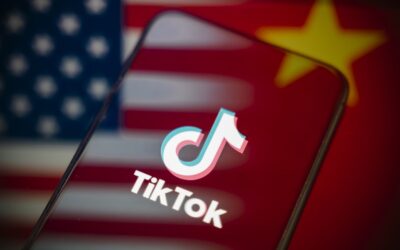
President Donald Trump says a deal has been reached with China over TikTok, with only final details left to lock in. According to Trump, he will speak directly with Chinese President Xi Jinping on Friday to seal the agreement. This move marks a turning point in the long-running battle over TikTok’s future in the United States. At the heart of the issue has always been the app’s most valuable asset—its recommendation algorithm—and now, after months of uncertainty, a path forward seems to be in place. NOW – Trump: “We have a deal on TikTok. I’ve reached a deal with China.” pic.twitter.com/GPlS4UJuQZ — Disclose.tv (@disclosetv) September 16, 2025 Why the Tiktok Algorithm Became the Flashpoint TikTok’s success comes down to its algorithm, the technology that drives the For You page. This is what keeps users hooked and what makes TikTok such a powerful platform. For years, U.S. officials worried that the algorithm, owned by TikTok’s parent company ByteDance in China, could be used to push certain narratives or collect sensitive data on American users. China, however, has been unwilling to give up one of its most prized technologies. That’s why this fight has never just been about a social media app—it’s been about national security, intellectual property, and global power. What the TikTok Deal Includes While we await details, the agreement Trump is expected to announce offers a compromise. Rather than stripping ByteDance of ownership altogether, the deal would allow the algorithm to be licensed to a U.S.-based entity. That means the technology would still belong to ByteDance, but it would operate under new safeguards inside the United States. American officials would have oversight of U.S. user data, and a third party could be put in place to manage the most sensitive parts of the system. This setup would give the U.S. more control over how TikTok runs here, while still letting China hold on to its intellectual property. (MORE NEWS: AI Is Taking Entry-Level Jobs and Shaking Up the Workforce) Why It’s Happening Now There’s urgency behind the timing. U.S. law set a deadline requiring TikTok to divest from Chinese control or face a potential ban. That deadline is fast approaching, and without an agreement, TikTok could vanish from American app stores. By announcing the deal now, Trump is signaling that the standoff is over. The planned phone call with Xi Jinping on Friday is expected to finalize the details and remove any last roadblocks. Both leaders want to avoid escalation, but both also want to show they are defending their nations’ interests. Treasury Secretary Scott Bessent weighed in: Under President Trump, America is back. Talks with China are respectful and results-driven. @POTUS was ready to let TikTok go dark and made clear that we will never trade away national security. Thanks to his tough negotiating, a framework for a deal is in place, and China is… pic.twitter.com/3QdD4iro5U — Treasury Secretary Scott Bessent (@SecScottBessent) September 16, 2025 Questions That Still Remain Even with a deal on the table, some big questions linger. Will American oversight of the algorithm be strong enough to satisfy critics? How much transparency will be built into the system so users can trust it? And will Congress sign off on the final arrangement, or push for even tougher conditions? On the Chinese side, export-control rules could also complicate how the licensing arrangement is structured. If Beijing insists on tighter restrictions, parts of the deal could face delays. Why This Agreement Matters Beyond TikTok If the deal is finalized Friday, it won’t just impact TikTok. It will set the stage for how countries around the world handle foreign-owned apps and technologies. Nations everywhere are wrestling with the same issues: data security, content influence, and who ultimately controls the technology behind powerful platforms. This agreement could become the blueprint for managing those challenges. It also feeds into broader U.S.-China relations, which remain strained over tariffs, trade restrictions, and technology policy. A successful deal here could cool tensions and open the door to cooperation in other areas. What Happens Next After the call between Trump and Xi, the next step will be writing the legal framework. That means spelling out who has authority over data, how licensing will work, and what safeguards will protect U.S. users. (MORE NEWS: AI Stethoscope Spots Deadly Heart Conditions 15 Seconds) If all goes as planned, TikTok’s millions of American users will be able to keep scrolling without interruption. But if the deal hits a snag, the threat of restrictions or even a ban still hangs in the balance. The Bigger Picture This announcement highlights how much bigger the TikTok story has become. It’s not just about a social media app anymore—it’s about technology, influence, and the balance of power between the world’s two largest economies. By stepping in and announcing a deal, Trump is moving the debate from endless speculation to concrete action. Friday’s call with Xi will be the real test, but for now, TikTok looks closer than ever to having its future in the U.S. secured. Cut Through the Noise. Slice Through the Lies. Share the Truth. At The Modern Memo, we don’t tiptoe around the narrative—we swing a machete through it. The mainstream won’t say it, so we will. If you’re tired of spin, censorship, and sugar-coated headlines, help us rip the cover off stories that matter. Share this article. Wake people up. Give a voice to the truth the powerful want buried. This fight isn’t just ours—it’s yours. Join us in exposing what they won’t tell you. America needs bold truth-tellers, and that means you.

AI Is Taking Entry-Level Jobs and Shaking Up the Workforce
Generative AI Is Hitting Young Workers First If you’re fresh out of school and looking for that first job, the rise of generative AI may already be shaping your chances. A new Stanford University study tracked payroll data from millions of employees and found something troubling: early-career workers in AI-exposed fields are down 13 percent compared to where they were just a year ago. That’s not a small dip. It’s a sign that employers are quietly letting younger workers go in areas where AI tools can do the job faster and cheaper. And this isn’t about cutting pay. The study shows the real adjustment is happening through fewer jobs being offered in the first place. 1/ A recent Stanford study led by @erikbryn found that entry-level jobs for 22-25 year-olds in fields most exposed to AI have dropped 16%. Some reactions to the data, and why I believe we need to design a new on-ramp to work in the AI era: pic.twitter.com/oqcMw8jJve — Reid Hoffman (@reidhoffman) September 3, 2025 The Canary in the Coal Mine The researchers call young workers the “canaries in the coal mine.” They’re the first to feel the sting when new technology reshapes the workplace. Jobs in customer service, translation, and even parts of software development are especially vulnerable. (RELATED NEWS: The Dark Side of AI Chatbots: A Threat to Fragile Minds) The report puts it bluntly: “Our results suggest that young workers, who traditionally face steeper career ladders, are being crowded out before they can gain a foothold.” That single line captures the long-term risk. It’s not just about lost paychecks today—it’s about blocking career paths for an entire generation. Not all roles are shrinking. Positions that demand judgment, creativity, or human connection are holding steady or even growing. But the message is clear: for people just starting out, the ladder into the workforce is being pulled up faster than anyone expected. A Tech CEO’s Stark Warning If the numbers weren’t enough, Anthropic CEO Dario Amodei has doubled down on his own prediction: up to half of all entry-level office jobs could vanish in the next one to five years. In a recent interview on BBC Radical, Amodei told Business Insider that he remains deeply concerned about where things are heading. He warned again that AI could wipe out a huge share of entry-level jobs in as little as one to five years. As Amodei put it, “AI could eliminate half of entry-level jobs.” It’s a blunt warning that captures the scale of what’s at stake for workers just starting out. He points to law, consulting, finance, and administration as industries most at risk. These are jobs that used to give young people their start, but they’re exactly the kinds of repetitive, document-heavy tasks AI now excels at. Amodei says he’s hearing more executives openly discuss replacing people with machines, not just supplementing them. That shift in attitude is accelerating the change. The Data and the Forecast Line Up What’s striking is how closely the Stanford data lines up with Amodei’s forecast. On one side, you’ve got hard numbers showing a double-digit drop in jobs for young workers in AI-exposed roles. On the other, you’ve got a leading AI builder warning that the wave of disruption has barely begun. It’s rare for academic research and industry leaders to agree so neatly. But here they do. The evidence on the ground and the predictions for the near future both point to the same thing. Entry-level workers are standing directly in the path of the AI tidal wave. (RELATED NEWS: AI Stethoscope Spots Deadly Heart Conditions 15 Seconds) So What Can Be Done? It’s easy to get discouraged, but this isn’t all doom and gloom. There are steps that workers, employers, and policymakers can take. For workers: Focus on adaptability and build skills AI can’t easily copy, such as creativity, leadership, and interpersonal communication. For employers: Invest in reskilling programs that move employees into roles where they can complement AI rather than compete with it. Treat workforce development as a long-term strategy, not just an expense. For policymakers: Provide tax incentives for retraining programs. Offer support for job transitions to cushion the disruption. Consider rules that encourage businesses to blend human and AI workforces instead of replacing one with the other. The Ethical Side of the Equation Let’s not forget: tech companies themselves have a role here. When CEOs like Amodei issue warnings, they’re not just speaking as observers—they’re the ones building the systems. With that power comes responsibility. There’s a moral argument for balancing efficiency with the health of the workforce. Cutting costs by cutting people may look good on a spreadsheet, but it could carry long-term consequences that hit everyone. The Shift Is Already Here What’s important to remember is this: we’re not talking about a distant future. The shift is already happening. Young people are walking into the job market and finding fewer opportunities where there used to be plenty. And if Amodei is right, the next wave of automation could sweep through much faster than most expect. This is why the conversation can’t wait. Workers need to adjust, employers need to take a hard look at how they deploy Artificial Intelligence, and policymakers need to prepare safety nets before the disruption grows worse. The AI revolution isn’t on the horizon. It’s here. And unless we steer it in the right direction, the people who should be building their careers will be the ones paying the highest price. Forget the narrative. Reject the script. Share what matters. At The Modern Memo, we call it like it is — no filter, no apology, no corporate leash. If you’re tired of being lied to, manipulated, or ignored, amplify the truth. One share at a time, we dismantle the media machine — with facts, boldness, and zero fear. Stand with us. Speak louder. Because silence helps them win.

AI Stethoscope Spots Deadly Heart Conditions 15 Seconds
A Breakthrough in Heart Care Researchers at Imperial College London developed an AI-enabled stethoscope, according to Fox News. It detects three serious heart conditions in just 15 seconds. These include heart failure, atrial fibrillation, and heart valve disease. The results emerged from a large trial involving over 12,000 symptomatic patients across many GP practices. A smart stethoscope powered by AI can detect heart failure, atrial fibrillation or valve disease in just 15 seconds 🩺@ImperialMed’s Dr Patrik Bächtiger says it’s “incredible” how quickly AI could deliver results from a simple exam. Read more ⬇️https://t.co/dLlfvKrZx0 pic.twitter.com/EMoCEOjZws — Imperial College London (@imperialcollege) September 3, 2025 How the AI Device Works The device is compact—about the size of a playing card. It records both heart sounds and electrical signals. Then it sends the data to the cloud. Artificial Intelligence analyzes the information. Within seconds, results appear on a smartphone. Doctors gain instant insights into potential heart problems. (MORE TECH NEWS: Pregnancy Robots: Miracle or Ethical Nightmare?) Strong Trial Findings in General Practice Patients tested with the AI stethoscope were twice as likely to receive a heart failure diagnosis. They were 3.5 times more likely to be diagnosed with atrial fibrillation. They were nearly twice as likely to receive a heart valve disease diagnosis. These rates far exceeded those from traditional stethoscopes. Early Detection Saves Lives Early diagnosis can save lives. Many patients learn they have heart disease only after arriving in emergency care. By then, treatment options shrink. Quick detection enables earlier intervention. It can reduce hospital stays and improve long-term health outcomes. AI Limits and Concerns The technology is not foolproof. Around two thirds of patients flagged for potential heart failure later tested negative. False positives can cause anxiety and lead to extra testing. Researchers emphasize that AI stethoscopes suit only symptomatic cases—not routine screening in healthy individuals. Challenges for AI in Clinical Use Adoption remains a hurdle. Around 70% of clinicians who initially used the device stopped within a year. Many cited difficulty integrating it into daily practice. Streamlined design and seamless workflow fit are crucial for broader uptake. Real-World Reach: Pregnancy Care Insights A separate study conducted by the Mayo Clinic showed that an AI-enabled digital stethoscope helped detect twice as many cases of pregnancy-related heart failure compared to usual care. This trial took place in Nigeria. It found that AI-assisted screening was also 12 times more likely to detect severe heart pump weakness, known as peripartum cardiomyopathy. Pregnant women often experience symptoms like shortness of breath, fatigue, and swelling. These can mimic normal pregnancy signs. Yet early detection is vital for treatment and for protecting mothers’ lives. Demilade Adedinsewo, M.D., cardiologist at Mayo Clinic and lead investigator of the study said: “Recognizing this type of heart failure early is important to the mother’s health and well-being. The symptoms of peripartum cardiomyopathy can get progressively worse as pregnancy advances, or more commonly following childbirth, and can endanger the mother’s life if her heart becomes too weak. Medicines can help when the condition is identified but severe cases may require intensive care, a mechanical heart pump, or sometimes a heart transplant, if not controlled with medical therapy.” AI-enabled stethoscopes can close diagnostic gaps. Dr. Adedinsewo emphasized how mothers lack a simple, non-invasive, safe screening test. Artificial Intelligence tools could improve access to early heart detection. They could help obstetric providers refer patients faster to specialists. New 🗞️ 🚨! @AnnFamMed: AI tools show promise in detecting cardiac dysfunction among young women as part of preconception cardiovascular care! #AI #CardioObstetrics #WomensHealth @MayoClinicCV https://t.co/evBM3HbGKU pic.twitter.com/PvwKkzeuSK — Demi Adedinsewo, MD (@DemiladeMD) April 29, 2025 Looking Ahead Expansion plans are underway. Regions like South London, Sussex, and Wales may soon incorporate the AI tool in community clinics. Broader use could democratize advanced diagnostics across primary care settings. Meanwhile, Mayo Clinic’s work highlights how Artificial Intelligence can transform obstetric heart screening. With more validation and ease of use, the tool could become a game-changer in maternal health. Balancing Promise with Caution In an interview with Fox News, Cardiothoracic surgeon Dr. Jeremy London said: “The AI stethoscope should be used for patients with symptoms of suspected heart problems, and not for routine checks in healthy people. AI is a framework, not as an absolute, because it can be wrong. Particularly when we’re taking care of people … we must make certain that we are doing it properly.” The AI stethoscope upgrades a centuries-old tool. It produces faster and more objective heart assessments. It supports early diagnosis and may reduce heart-related deaths. Yet care remains key. Misfiring alarms and integration issues must be addressed. Artificial Intelligence should augment—not replace—human care. In Conclusion The AI stethoscope offers exciting possibilities for heart health. It speeds diagnosis. It strengthens early detection—especially in vulnerable patients like pregnant women. When used wisely, it can change primary care and improve patient outcomes. With thoughtful rollout and clinical backup, it may save lives and transform heart care. Beyond this single tool, the potential of AI in medicine is immense. As algorithms grow more accurate and devices become easier to use, AI can serve as a powerful diagnostic partner across specialties. It can detect disease earlier, support overworked physicians, and expand access to quality care in underserved areas. From stethoscopes to imaging, from lab work to personalized treatment plans, Artificial Intelligence is reshaping the front lines of medicine. The future promises a healthcare system where doctors and Artificial Intelligence work side by side—human expertise enhanced by machine precision. This partnership could deliver faster answers, better outcomes, and healthier lives for millions around the world. Forget the Headlines. Challenge the Script. Deliver the Truth. At The Modern Memo, we don’t tiptoe through talking points — we swing a machete through the media’s favorite lies. They protect power. We confront it. If you’re sick of censorship, narrative control, and being told what to think — stand with us. Share the story. Wake the people. Because truth dies in silence — and you weren’t made to stay quiet.