


Right now, many households are feeling the financial pinch. The economy remains unsettled, layoffs continue across industries, and the number of open jobs is lower than before. At the same time, the cost of living keeps climbing. Groceries, rent, and everyday expenses have all gone up. Credit card balances are rising, and many families are using debt to make ends meet.
This combination has created real financial pressure. Even people who have always paid their bills on time are struggling to keep up. While things are expected to improve in the future, the truth is we are going through a tight squeeze right now. If you find yourself buried under bills or unsure how to move forward, you are not alone.
The good news is that help is available. There are ways to manage your debt, reduce financial stress, and begin rebuilding stability. Here’s what you need to know.
Understanding Debt-Relief Services
Debt-relief services are designed to help people who can’t keep up with unsecured debts, such as credit cards or medical bills. These programs negotiate with your creditors to lower the total amount you owe. Instead of paying your full balance, you may be able to settle for a smaller lump sum. (MORE NEWS: Retirement 2025: America’s Safest and Wealthiest Towns to Call Home)
The process usually works like this:
- You stop making direct payments to your creditors.
- You deposit money each month into a special account.
- Once that account builds up enough funds, the company negotiates a settlement on your behalf.
- When an agreement is reached, your debt is marked as resolved after you pay the negotiated amount.
These programs often take two to four years to complete. While they can reduce what you owe, they also require patience and consistency.
Why More People Are Turning to Debt Relief
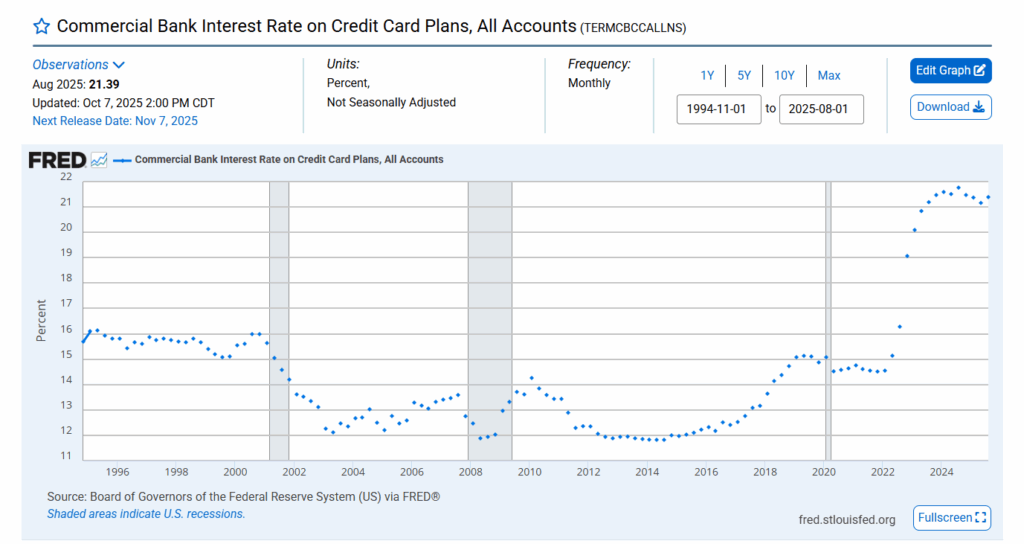
In times of financial strain, more people consider debt-relief options. With prices up and incomes stretched, credit card use has surged. Interest rates a high been much higher since 2022, making it harder to pay off balances. The average credit card interest rate was 21.39% in August 2025, according the Federal Reserve.
For many, debt-relief services provide structure and support. They can simplify payments and help reduce stress. Instead of facing several creditors, you work through one program that manages negotiations for you.
Debt relief can also be an alternative to bankruptcy. For people who want to avoid that step, settlement programs offer a middle ground — a way to regain control without starting over completely.
The Benefits of Working with a Debt-Relief Program
- Reduced balances: Creditors may agree to settle for less than what you owe.
- Simplified payments: You deposit one monthly amount instead of juggling multiple bills.
- Faster results: In some cases, people become debt-free in just a few years.
- Peace of mind: Having professionals handle negotiations can relieve stress during a difficult time.
While it won’t fix everything overnight, this approach can give you a clear plan and a light at the end of the tunnel.

Risks You Should Understand
Debt relief isn’t a magic solution. There are trade-offs. Because you stop paying your creditors during negotiations, your credit score will likely drop. It can take time to rebuild it afterward.
There is also no guarantee that every creditor will agree to settle. If they refuse, you could still owe the full balance. Additionally, forgiven debt may be considered taxable income, so it’s important to plan for that possibility. (MORE NEWS: Government Shutdown Stalls Real Estate in 5 States)
Finally, not all companies operate honestly. Some charge high upfront fees or make promises they can’t keep. Always research thoroughly, check reviews, and make sure a company only charges after they’ve successfully settled your debt.
Signs Debt Relief Might Be Right for You
- You have large unsecured debts you can’t manage under current terms.
- You’ve tried credit counseling, consolidation, or budgeting without success.
- You can make regular deposits into a settlement account for several years.
- You are willing to accept a temporary hit to your credit in exchange for long-term freedom.
If those points describe your situation, talking to a reputable professional could be the next smart step.
Other Ways to Find Relief
Debt relief is only one option. You can also explore other paths:
- Debt consolidation: Combine several high-interest debts into one lower-rate loan.
- Credit-counseling programs: Work with nonprofit counselors who negotiate lower interest rates and help you create a manageable payment plan.
- Budget adjustments: Track spending closely, cut unnecessary expenses, and focus on essentials until prices stabilize.
- Side income or part-time work: Even temporary income can help you stay afloat and avoid deeper debt.
- Bankruptcy: As a last resort, bankruptcy can offer a clean slate, but it carries serious long-term effects.
Tips for Getting Through This Moment
If you’re struggling right now, remember that many people are in the same boat. Here are practical steps to make things a little easier:
- Track every dollar. Write down what comes in and what goes out each month.
- Cut unnecessary spending. Cancel unused subscriptions and reduce impulse purchases.
- Negotiate your bills. Some creditors will lower rates or extend deadlines if you ask.
- Focus on essentials. Prioritize food, housing, and transportation over unsecured debts.
- Build an emergency fund. Even small amounts add up over time.
- Ask for help early. Don’t wait until you’re behind — contact support programs before accounts go into default.
A Hopeful Outlook
The current economic challenges — job uncertainty, rising costs, and growing debt — are real. But they won’t last forever. Economic cycles always shift. Opportunities will return, wages will rise, and the cost of living will eventually stabilize.
In the meantime, taking control of your finances is the best way to protect yourself. Whether you choose debt relief, consolidation, or budgeting adjustments, what matters most is that you take action.
You are not alone, and things will improve. By learning about your options and making thoughtful choices today, you can build a stronger financial future tomorrow.
Forget the narrative. Reject the script. Share what matters.
At The Modern Memo, we call it like it is — no filter, no apology, no corporate leash.
If you’re tired of being lied to, manipulated, or ignored, amplify the truth.
One share at a time, we dismantle the media machine — with facts, boldness, and zero fear. Stand with us. Speak louder. Because silence helps them win.
