

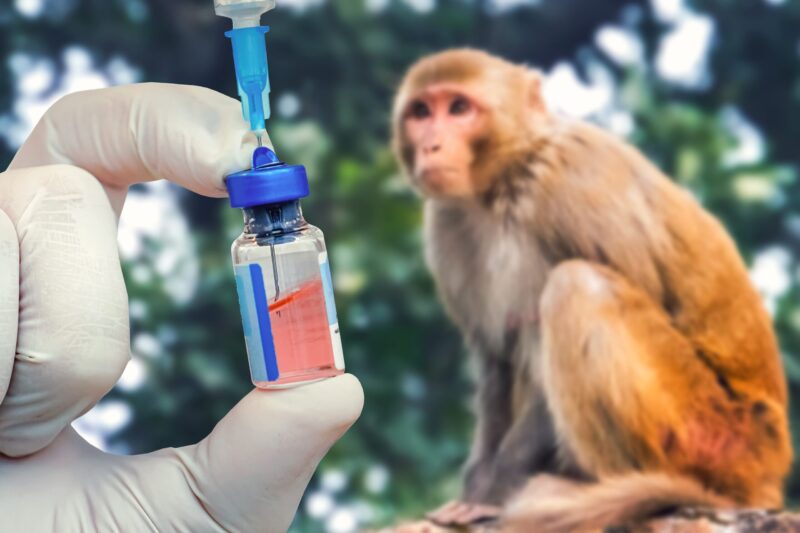
A transport truck carrying lab monkeys overturned on Interstate 59 near Heidelberg, Mississippi, on Tuesday afternoon. The crash occurred around mile marker 117 and caused several of the monkeys to escape. According to the Jasper County Sheriff’s Department, the accident prompted an immediate emergency response involving local and state agencies.
Initial Fears Sparked Public Concern
After the crash, the sheriff’s department released a statement warning that the monkeys might be “aggressive to humans” and possibly infected with COVID-19 and sexually transmitted infections. Those claims quickly circulated online and caused widespread alarm throughout the area. (MORE NEWS: Portland Police Go Easy on Antifa…Again)
Tulane Disputes Infection Claims
Officials from Tulane National Biomedical Research Center quickly disputed those statements. The university clarified that the primates were not infected and that the animals involved did not belong to Tulane. The institution emphasized that the primates were never exposed to any infectious agents and posed no public health risk.
A spokesperson for Tulane confirmed the university was not consulted regarding the destruction of the monkeys. The assistant vice president of news and media relations shared the following statement with ABC 33/40:
“Non-human primates at the Tulane National Biomedical Research Center are provided to other research organizations to advance scientific discovery. The primates in question belong to another entity, and they have not been exposed to any infectious agent. The non-human primates were NOT being transported by Tulane, but we are actively collaborating with local authorities and will send a team of animal care experts to assist as needed.”
Confusion and Conflicting Reports
The conflicting messages between the sheriff’s department and Tulane caused confusion among residents and raised questions about the handling of the animals. Local authorities initially warned that the primates could carry diseases, while Tulane’s statement firmly denied any infection risk. The university’s clarification helped ease fears but also highlighted the need for consistent communication between agencies during emergencies.
Emergency Response and Containment
Law enforcement officers, wildlife officials, and animal control teams worked through the day to locate and secure the escaped monkeys. Most of the animals were captured or destroyed shortly after the crash. Officials confirmed that all but one of the escaped monkeys were destroyed following containment efforts. The search continues for the single monkey that remains unaccounted for.
Questions About the Monkeys’ Destruction
Tulane’s acknowledgment that they were not consulted about the destruction of the animals raised further questions about how the response was handled. Animal welfare advocates have also expressed concern about the decision to euthanize the monkeys before confirming their health status. Tulane has since offered support to assist with recovery and animal care protocols to ensure humane treatment moving forward. (MORE NEWS: Biotech Breakthrough Could End the Need for Liver Transplants)
Public Safety and Communication Challenges
The Mississippi highway crash underscores how misinformation can quickly spread during a developing emergency. Early claims of infection created panic before confirmation from medical experts. Tulane’s response helped clarify the situation, but the initial confusion illustrates the importance of verifying facts before issuing health warnings to the public.
Broader Implications
Accidents involving research animals highlight ongoing concerns about the transport and safety of non-human primates. Even though the animals were not infected, the incident calls attention to how such events are managed. Clear coordination between law enforcement, research institutions, and animal welfare organizations is essential to ensure both public safety and ethical treatment of animals.
Looking Forward
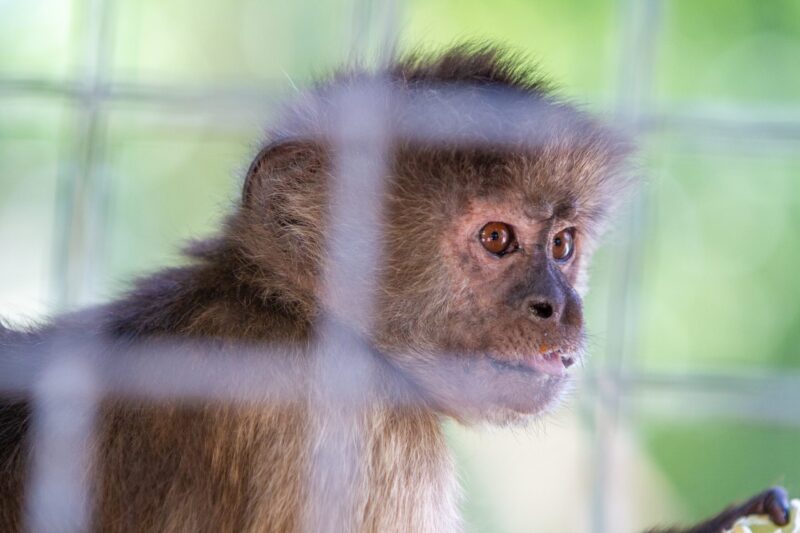
Only one rhesus monkey remains missing near the crash site, and Tulane continues to assist authorities. The incident has prompted broader reflection on how research animals are handled and transported. This is not the first time a truck carrying lab primates has crashed, and each event exposes gaps in safety procedures and accountability.
Beyond logistics, the crash raises moral questions about the humane treatment of animals used in research. These primates, capable of complex emotions and pain, often endure harsh conditions in the name of science. Confirmed reports of inhumane NIH-funded experiments have deepened public concern, fueling calls for reform and oversight in how these animals are treated both in labs and during transit.
The situation also brings scientific necessity into question. With the rise of advanced technologies — including biotechnology, AI-driven modeling, and human-cell testing — researchers now have powerful alternatives to animal experimentation.
As science continues to evolve, so must its ethics. The Mississippi crash stands as a reminder that progress should not come at the cost of compassion. It challenges institutions, policymakers, and the public to ask whether it’s time to move beyond these barbaric practices and to examine whether such experimentation truly aligns with responsible science.
Expose the Spin. Shatter the Narrative. Speak the Truth.
At The Modern Memo, we don’t cover politics to play referee — we swing a machete through the spin, the double-speak, and the partisan theater.
While the media protects the powerful and buries the backlash, we dig it up and drag it into the light.
If you’re tired of rigged narratives, selective outrage, and leaders who serve themselves, not you — then share this.
Expose the corruption. Challenge the agenda.
Because if we don’t fight for the truth, no one will. And that fight starts with you.
