


The Modern Memo may be compensated and/or receive an affiliate commission if you click or buy through our links. Featured pricing is subject to change.
U.S. Transportation Secretary Sean P. Duffy is urging airline passengers to rethink what they wear when they fly. He recently launched a new campaign encouraging travelers to “dress with respect” and leave pajamas, slippers, and loungewear at home. Duffy explained that even small choices, like changing into presentable clothes before travel, can help bring back courtesy and civility in the air. He said, “Let’s try not to wear slippers and pajamas as we come to the airport. I think that’s positive.”
It’s common sense! https://t.co/P5iT3UDhQk
— Secretary Sean Duffy (@SecDuffy) November 25, 2025
The Stats Behind the Push for Better Etiquette
The Department of Transportation and the Federal Aviation Administration did not introduce this civility campaign without reason. According to recent federal data, unruly passenger incidents have risen nearly four hundred percent since 2019. Airlines and unions also report that many flight attendants have experienced verbal or even physical confrontations during flights. Although the worst spikes happened in 2021, incidents remain significantly higher than before the pandemic.
Because of those numbers, supporters of the campaign see it as more than a dress-code suggestion. They view it as a call to restore basic respect in an environment where tensions often run high. Air travel has become stressful for both passengers and crew, and officials believe that even small improvements in personal behavior can help.
More Stories




What “Dressing With Respect” Really Means
When Duffy encourages passengers to dress better, he is not asking anyone to wear a suit and tie. Instead, he is promoting simple, clean, everyday clothing that reflects a basic level of self-respect and consideration for others. He suggested that even a pair of jeans and a neat shirt can elevate the overall mood of travel. He believes that when people dress better, they tend to behave better.
Etiquette experts agree. One explained that pajamas should stay in private spaces like homes or hotel rooms. Airports and airplanes are shared, public environments filled with strangers. Presentable attire signals respect for oneself and everyone else. At the same time, the recommendation does not forbid comfort. Travelers can still be relaxed, but without showing up in sleepwear that signals detachment or disregard.
Critics Question Whether Clothing Solves the Real Problems
Not everyone is convinced that clothes influence civility. Some frequent travelers argue that comfort should remain the priority, especially with cramped seats, long delays, and the general exhaustion that comes with modern air travel. They feel that the real issues are systemic: overcrowded flights, staffing shortages, long security lines, and passenger stress. In their view, clothing is not the root of the problem.
Some critics also warn that promoting a dress standard may come off as tone policing or unnecessary judgment. They argue that asking passengers to dress differently sidesteps the real frustrations that lead to poor behavior in the first place. Still, the campaign aims to remind the public that every person contributes to the atmosphere of shared spaces, and attire is one piece of that puzzle.
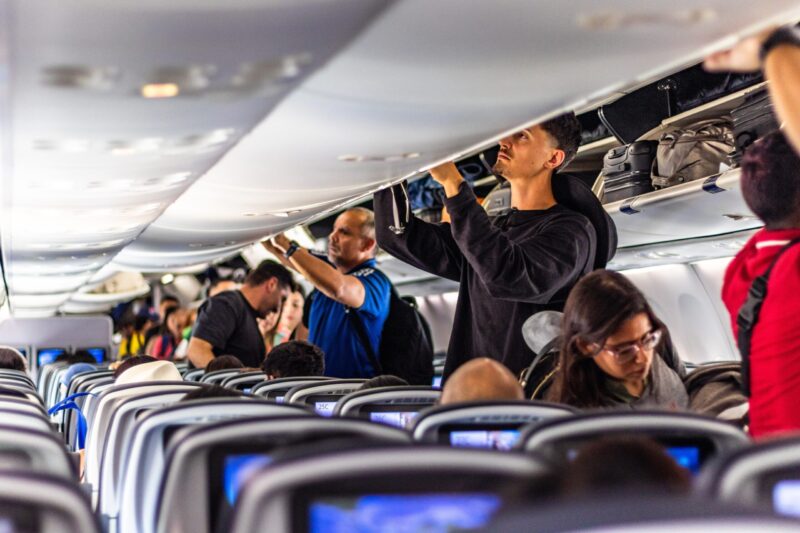
Can Clothes Really Change Behavior?
Attire strongly influences mindset. Psychologists often refer to this as “enclothed cognition,” the idea that what we wear affects how we think, feel, and behave. When people take time to dress neatly, they often stand straighter, act more courteously, and interact with more confidence.
Etiquette professionals also say that choosing intentional clothing can create a chain reaction of positive behavior. It encourages people to be more polite to crew members, help fellow passengers store luggage, and manage personal space more responsibly.
The Department of Transportation is impressing upon travelers the importance of civility in a time of heightened anxiety and frustration by encouraging them to ask simple questions: Did you help someone who needed assistance? Did you say please and thank you? Did you show patience in crowded spaces?
What This Means for Holiday Travel and Everyday Flights
With millions of Americans traveling during peak seasons, the campaign arrives at a strategic moment. The goal is not to enforce strict rules but rather to nudge travelers toward more considerate habits. For many passengers, the shift could be as easy as swapping pajama pants for jeans and putting on shoes instead of slippers. These small actions can help set a more respectful tone throughout airports and on flights.
For others, comfort may still outweigh appearance, especially on long journeys. However, the campaign encourages a broader discussion about how individual behavior affects shared environments. Even small gestures, when multiplied across thousands of travelers, can lead to a noticeable improvement in travel culture.
Final Thoughts
Flying is rarely glamorous anymore, but it does not need to feel chaotic or unpleasant. If more travelers choose to show a little respect—to themselves, to the crew, and to one another—air travel can become more enjoyable. Wearing presentable clothing is a simple place to start.
But this raises a deeper question: Why do Americans need to be reminded of how to behave decently? Much of this comes from the work-from-home era, when millions blend professional life with home comfort. The trend of “business on top and lounge on the bottom” encourages people to look polished in video calls while staying in sweatpants, slippers, or pajamas from the waist down. Over time, that casual mindset spilled into public places. Many people gradually forgot the social cues and habits that come with dressing for public life.
This shift matters because clothing affects behavior. Dressing for success does increase confidence, mood, and self-discipline. When people take the time to present themselves well, they typically interact with others more respectfully. It sets the tone for how we carry ourselves and how we treat those around us.
Dress with respect may sound old-fashioned, but if travelers reconnect the link between appearance, confidence, and courtesy, restoring civility in the skies might not be as difficult as it seems.
Expose the Spin. Shatter the Narrative. Speak the Truth.
At The Modern Memo, we don’t cover politics to play referee — we swing a machete through the spin, the double-speak, and the partisan theater.
While the media protects the powerful and buries the backlash, we dig it up and drag it into the light.
If you’re tired of rigged narratives, selective outrage, and leaders who serve themselves, not you — then share this.
Expose the corruption. Challenge the agenda.
Because if we don’t fight for the truth, no one will. And that fight starts with you.
Subscribe to The Modern Memo here!
Explore More News

Trump Designates Muslim Brotherhood a Terrorist Organization

Trump and Elon Musk Reunite, Boosting GOP Unity

Top 5 Essential Survival Gear Items For Any Adventure
Epstein Files Bill Sparks New Questions as Jeffries Email Emerges
