
Islamabad Accord
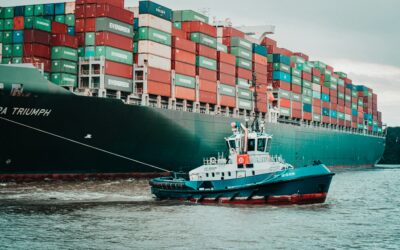
The Bottleneck of Chaos: Iran’s Ceasefire Promise Shatters as 3,200 Vessels Choke the Strait
The ink on the “Islamabad Accord” is barely dry, yet the “peace” it promised is already showing signs of a calculated betrayal. As of April 10, 2026, a massive logjam of over 3,200 commercial vessels—ranging from VLCC oil tankers to massive container ships—has piled up outside the Strait of Hormuz. Despite Tehran’s weekend promise to allow safe passage, the waterway remains a “no-go zone” of bureaucratic delays and lingering IRGC threats. At The Modern Memo, we analyze the breakdown of the ceasefire’s most critical pillar, the economic toll of the “Hormuz Pile-up,” and why the Trump administration is signaling that the B-52s may need to return to the skies. The Broken Promise: Safe Passage or Selective Sabotage? Under the terms of the Islamabad Accord ratified on Wednesday, Iran committed to the immediate and unconditional reopening of the Strait. However, the reality on the water tells a far more sinister story. The “Technical” Excuse: Iranian port authorities and the IRGC Navy are claiming that “unexploded ordnance” and “navigational hazards” from the recent U.S. strikes require a slow, controlled entry of ships. The Pile-Up Data: Satellite imagery confirms that over 3,200 vessels are currently idling in the Gulf of Oman and the Arabian Sea. This includes approximately 65 million barrels of oil that are desperately needed to stabilize global markets. Strategic Throttling: Experts believe the regime is intentionally “throttling” the flow of traffic to maintain high oil prices and leverage the ceasefire as a shield while they move remaining military assets into hardened bunkers. The Economic Toll: A $1.8 Billion-a-Day Crisis The maritime logjam is not just a logistical headache; it is a direct assault on global trade. Every day the Strait remains “technically” closed, the global economy pays a staggering price. Insurance Skyrockets: Maritime insurance premiums for “War Risk” have failed to drop despite the ceasefire, as Lloyd’s of London cites “unverified safety conditions” within the Strait. Supply Chain Ripples: Container ships carrying electronics, automotive parts, and grain are missing their arrival windows at Jebel Ali and Abu Dhabi, threatening a secondary inflationary spike in the West just as prices began to settle. The “Wait and See” Cost: Analysts estimate the idling cost of this fleet exceeds $1.8 billion per day in fuel, crew wages, and lost opportunity. The Washington Response: “The Clock is Still Ticking” The White House has issued a stern warning to Tehran: a “technical” delay is the same as a “hostile” delay. Hegseth’s Warning: Defense Secretary Pete Hegseth stated this morning that U.S. Navy minesweepers are ready to clear the lanes without Iranian assistance. “If they can’t clear the path, we will,” Hegseth remarked, suggesting that any IRGC interference with U.S. minesweeping operations would be treated as a violation of the truce. No More Games: President Trump has reportedly instructed the Pentagon to maintain “Full Combat Readiness” for the carrier groups in the region. The administration views this “pile-up” as a clear violation of the “spirit” of the Islamabad Accord. Final Word The 3,200 ships idling outside the Strait are a physical monument to Iranian duplicity. When you look past the noise of “navigational safety” and focus on the data—the unprecedented vessel backlog and the regime’s refusal to facilitate U.S. minesweeping—you gain a clearer picture of an enemy that is using the word “peace” as a tactical maneuver. Quality information replaces the hope of a “diplomatic breakthrough” with the reality of a strategic bottleneck. It allows you to see that the Islamabad Accord was only the beginning of the pressure, not the end. By choosing to hold Tehran’s feet to the fire, the U.S. is ensuring that “safe passage” is a fact, not a favor. Where Facts, Context, and Perspective Matter At The Modern Memo, our goal is simple: to provide clear, well-researched reporting in a media landscape that often feels overwhelming. We focus on substance over sensationalism, and context over commentary. If you value thoughtful analysis, transparent sourcing, and stories that go beyond the headline, we invite you to share our work. Informed conversations start with reliable information, and sharing helps ensure important stories reach a wider audience. Journalism works best when readers engage, question, and participate. By reading and sharing, you’re supporting a more informed public and a healthier media ecosystem. The Modern Memo may be compensated and/or receive an affiliate commission if you click or buy through our links. Featured pricing is subject to change. 📩 Love what you’re reading? Don’t miss a headline! Subscribe to The Modern Memo here!

Peace Through Strength: Global Capitals Salute the “Islamabad Accord” as a Strategic Triumph
Following weeks of high-intensity kinetic operations that brought the Islamic Republic to its knees, the world has entered a new era of stability. On April 8, 2026, world leaders began lining up to praise the “Islamabad Accord”—the historic two-week ceasefire negotiated by the Trump administration. The consensus from global capitals is clear: by combining overwhelming military might with decisive diplomacy, the U.S. has achieved what decades of “soft power” could not. At The Modern Memo, we analyze the international reaction to the truce, the shift in the global power dynamic, and why the “Trump Doctrine” of peace through strength is being hailed as the new gold standard for conflict resolution. A Global Sigh of Relief: Market and Moral Support From the European Union to the Pacific Rim, the response to the ceasefire has been overwhelmingly positive. Leaders who were previously critical of the administration’s aggressive posture are now acknowledging the results. Reopening the Arteries: In Brussels, EU leaders praised the restoration of transit through the Strait of Hormuz. With oil prices plummeting 13% following the announcement, the “energy blackmail” that threatened the global economy has been neutralized. The “Islamabad” Endorsement: Pakistani Prime Minister Shehbaz Sharif, whose government facilitated the final talks, characterized the accord as a “triumph for regional stability.” He credited the President’s willingness to negotiate—but only after the Iranian military’s “offensive teeth” were removed—as the catalyst for the breakthrough. The Israeli Perspective: Security Over Promises Prime Minister Benjamin Netanyahu joined the chorus of praise, though his endorsement came with the “ironclad” caveat that Israel remains vigilant. Validation of Force: The Israeli leadership noted that the ceasefire was only possible because the U.S.-Israeli coalition successfully dismantled 90% of Iran’s missile launchers. “We have shown that the path to peace is paved with the credible threat of force,” an IDF spokesperson noted. Continued Pressure: While Jerusalem supports the pause in infrastructure strikes, they credited the Trump administration for allowing Israel the “strategic space” to continue dismantling Hezbollah’s command structure in Lebanon, which is not covered by the truce. Changing the Narrative: The “Bully” vs. The “Stabilizer” For years, the corporate press labeled the President’s foreign policy as “isolationist” or “reckless.” The Islamabad Accord has effectively shredded that narrative. The Return of Deterrence: Even traditionally neutral nations like Switzerland and India have issued statements commending the “rapid de-escalation.” By setting an 8 PM deadline and then successfully pivoting to a diplomatic framework when the enemy flinched, the President demonstrated a level of strategic agility that has left his domestic critics silent. The “Art of the Deal” 2.0: Supporters point to the release of high-profile hostages and the reopening of trade lanes as tangible “America First” victories that didn’t require a ten-year “forever war” to achieve. Final Word The praise pouring in from world leaders is more than just diplomatic courtesy; it is an admission that strength works. When you look past the noise of the “anti-war” protestors and focus on the data—the cratering oil prices, the reopened shipping lanes, and the regime in Tehran finally coming to the table—you gain a clearer picture of a world that is safer because America stopped apologizing. Quality information replaces the fear of “escalation” with the reality of “restoration.” It allows you to see the Islamabad Accord not as a lucky break, but as the inevitable result of an administration that values American lives and global stability over bureaucratic process. By choosing to support a policy of strength, these world leaders are finally acknowledging that the only way to end a war is to be willing to win it. Where Facts, Context, and Perspective Matter At The Modern Memo, our goal is simple: to provide clear, well-researched reporting in a media landscape that often feels overwhelming. We focus on substance over sensationalism, and context over commentary. If you value thoughtful analysis, transparent sourcing, and stories that go beyond the headline, we invite you to share our work. Informed conversations start with reliable information, and sharing helps ensure important stories reach a wider audience. Journalism works best when readers engage, question, and participate. By reading and sharing, you’re supporting a more informed public and a healthier media ecosystem. The Modern Memo may be compensated and/or receive an affiliate commission if you click or buy through our links. Featured pricing is subject to change. 📩 Love what you’re reading? Don’t miss a headline! Subscribe to The Modern Memo here!

The Islamabad Accord: Trump’s “Peace Through Strength” Forces Iran to the Table
In a stunning vindication of the administration’s “Maximum Pressure” doctrine, the United States, Israel, and the Islamic Republic of Iran have officially ratified a two-week ceasefire. Dubbed the “Islamabad Accord,” the agreement was finalized today, April 8, 2026, following high-stakes mediation in Pakistan. The move brings a halt to a “civilizational” conflict that many feared would ignite a global firestorm, but which instead appears to have resulted in a total tactical victory for the U.S.-Israeli coalition. At The Modern Memo, we analyze the 10-point framework that paused the war, the reopening of the world’s most vital energy artery, and why the “Islamabad” breakthrough happened only after the regime’s military teeth were pulled. The 11th Hour Deal: Negotiating from Absolute Power The accord comes just hours after President Trump’s “8 PM Deadline” threatened the total destruction of the regime’s remaining infrastructure. The President announced the breakthrough early this morning, characterizing the ceasefire as a result of undeniable American military superiority. A “Workable” Basis: The President revealed that the U.S. accepted a proposal from Tehran as a “workable basis” for long-term peace. “We have already met and exceeded all Military objectives,” Trump stated. Military analysts point to the fact that with 90% of Iran’s missile launchers already neutralized, the regime was left with zero leverage. The “Islamabad” Venue: Official delegations are scheduled to arrive in Pakistan this Friday, April 10, to begin hammering out a permanent settlement. The choice of venue highlights Pakistan’s emerging role as a regional stabilizer capable of facilitating dialogue between Washington and Tehran. Reopening the Strait: A Win for Global Markets The most immediate impact of the Islamabad Accord is the restoration of transit through the Strait of Hormuz, which had been effectively shuttered during the kinetic phase of the war. Ending the Blockade: Iranian Foreign Minister Abbas Araghchi confirmed that safe passage is now being restored. For the American consumer, this is the definitive end to “war-pricing” at the pump. The “Peace Dividend”: Global energy markets reacted instantly to the news, with crude prices plummeting nearly 13% as the threat of a prolonged blockade evaporated. Strategic Oversight: While the Strait is “open,” U.S. carrier groups remain on high alert. The administration has made it clear that any attempt by the IRGC to harass commercial shipping during the two-week window will be met with immediate, overwhelming force. The “Fragile” Peace: The Lebanon Factor Despite the high-level handshake, the Islamabad Accord is being described by White House insiders as a “fragile truce” that depends entirely on Iranian compliance. The Israeli Clarification: Prime Minister Benjamin Netanyahu issued a stark reminder today: the deal with Iran does not cover the IDF’s ongoing operations against Hezbollah in Lebanon. “We will continue to dismantle the proxy shield,” Netanyahu stated, as Israeli strikes continued to target command centers in Tyre. The Uranium Ultimatum: Defense Secretary Pete Hegseth maintained a hard line, stating that while the bombing of infrastructure has paused, the U.S. objective remains the total surrender of Iran’s highly enriched uranium. Final Word The Islamabad Accord is a masterclass in the application of “Maximum Pressure” followed by “Maximum Diplomacy.” When you look past the noise of “ceasefire” headlines and focus on the data—the neutralization of the Iranian missile threat and the restoration of global energy lanes—you gain a clearer picture of a conflict that was won before the diplomats even sat down. Quality information replaces the fear of a “quagmire” with the reality of a surgical, high-intensity victory that has brought a rogue state to its knees. By choosing to back a strategy of strength, the U.S. has ensured that this peace was bought not with concessions, but with courage. Where Facts, Context, and Perspective Matter At The Modern Memo, our goal is simple: to provide clear, well-researched reporting in a media landscape that often feels overwhelming. We focus on substance over sensationalism, and context over commentary. If you value thoughtful analysis, transparent sourcing, and stories that go beyond the headline, we invite you to share our work. Informed conversations start with reliable information, and sharing helps ensure important stories reach a wider audience. Journalism works best when readers engage, question, and participate. By reading and sharing, you’re supporting a more informed public and a healthier media ecosystem. The Modern Memo may be compensated and/or receive an affiliate commission if you click or buy through our links. Featured pricing is subject to change. 📩 Love what you’re reading? Don’t miss a headline! Subscribe to The Modern Memo here!