

U.S. News

Defending the Shield: NYPD Secures Arrest in Park Ambush While Mayor Minimized Violence Against Officers
In a victory for the rule of law over political posturing, the NYPD announced on Wednesday, February 25, 2026, the arrest of a primary suspect involved in a violent assault on officers in Central Park. The apprehension comes just days after a video of the encounter went viral, sparking national outrage—not only for the brazenness of the attack but for the dismissive response from City Hall. At The Modern Memo, we analyze the disconnect between the “street reality” faced by our officers and the rhetoric of Mayor Zohran Mamdani, the failure of the “snowball fight” narrative, and the renewed call for a “Broken Windows” resurgence in the Big Apple. The Arrest: Taking Down a Known Aggressor The NYPD’s Warrant Squad tracked down 22-year-old Malik Richardson in a Bronx apartment early Wednesday morning. Richardson is facing felony charges of Assault on a Police Officer, Menacing, and Criminal Possession of a Weapon. The Evidence: Bodycam footage and third-party cell phone video clearly show Richardson and a group of several others surrounding two NYPD officers during the height of Monday’s historic blizzard. The Weaponry: While the Mayor initially suggested the exchange was playful, the footage shows Richardson hurling a frozen block of ice at an officer’s head at close range, followed by a physical struggle where he attempted to disarm an officer of his radio. Prior Record: Police sources confirmed Richardson was out on “supervised release” for a prior robbery charge—a testament to the ongoing failure of New York’s controversial bail reform laws. The “Snowball” Spin: Mamdani Under Fire The arrest has intensified the scrutiny on Mayor Zohran Mamdani, whose initial comments on the incident were viewed by many in the rank-and-file as a “betrayal” of the department. The Quote: When asked about the footage on Monday, Mamdani told reporters, “Let’s keep perspective. It’s a snow day. What we saw was a high-spirited snowball fight that perhaps got a little out of hand.” The Reality: One of the officers involved was treated for a concussion and a facial laceration. NYPD Commissioner Edward Caban fired back during the arrest announcement, stating, “There is nothing high-spirited about a felony assault. Our officers were targeted, and we will not allow a ‘snowball fight’ narrative to mask criminal intent.” The Backlash: Law enforcement unions, including the PBA, have called for a formal apology from the Mayor, arguing that his rhetoric emboldens criminals to believe that attacking the uniform carries no social or legal consequences. The “Broken Windows” Demand The incident has reignited a debate over the “de-policing” of New York City’s parks and public squares under the current administration’s “de-escalation first” policies. Erosion of Order: Critics argue that when the city’s leadership minimizes assaults on police, it signals a “green light” for smaller infractions to escalate into major violence. The Federal Lens: The Trump administration’s DOJ has reportedly been monitoring the situation in NYC. Sources suggest that if the city continues to fail in its “Basic Order” mandates, federal grants for “community policing” could be redirected toward direct federal enforcement task forces. Final Word The arrest of Malik Richardson isn’t just a win for the NYPD; it is a rebuke of a political class that chooses “optics” over the safety of those who protect us. When you look past the Mayor’s “snowball” spin and focus on the data of a concussed officer and a repeat offender back on the streets, you gain a clearer picture of the struggle to maintain civilization in our cities. Quality information replaces the noise of political gaslighting with the clarity of criminal charges and forensic evidence. It allows you to see this event as a critical moment for the restoration of respect for law enforcement. By choosing to follow the facts of the NYPD’s investigation rather than the sanitized versions from City Hall, you align your perspective with the realities of public safety and support a more informed, resilient New York. Where Facts, Context, and Perspective Matter At The Modern Memo, our goal is simple: to provide clear, well-researched reporting in a media landscape that often feels overwhelming. We focus on substance over sensationalism, and context over commentary. If you value thoughtful analysis, transparent sourcing, and stories that go beyond the headline, we invite you to share our work. Informed conversations start with reliable information, and sharing helps ensure important stories reach a wider audience. Journalism works best when readers engage, question, and participate. By reading and sharing, you’re supporting a more informed public and a healthier media ecosystem. The Modern Memo may be compensated and/or receive an affiliate commission if you click or buy through our links. Featured pricing is subject to change. 📩 Love what you’re reading? Don’t miss a headline! Subscribe to The Modern Memo here!

Justice Served: Routh Sentenced to Life for Attempted Assassination of President Trump
In a decisive victory for the rule of law and the security of our republic, a federal judge in Florida sentenced Ryan Wesley Routh to life in prison today. The sentencing marks the final chapter in the legal proceedings following Routh’s chilling attempt to assassinate President Trump at his West Palm Beach golf club in September 2024. At Modern Memo, we examine the severity of the sentence, the evidence of Routh’s meticulous planning, and the administration’s firm stance against political violence. The Sentence: Life Without Parole Plus Seven Years On Wednesday, February 4, 2026, U.S. District Judge Aileen M. Cannon handed down a sentence of life in federal prison, plus an additional 84 months for related firearms offenses. Routh, 59, was convicted by a federal jury in September 2025 on all five counts, including: Attempted assassination of a major presidential candidate. Using a firearm in furtherance of a violent crime. Assaulting a federal officer. Possession of a firearm as a convicted felon. Possession of a firearm with an obliterated serial number. During the hearing, Judge Cannon described Routh’s plot as “deliberate and evil,” dismissing his claims of peaceful intent. “You are not a peaceful man. You are not a good man,” she remarked before finalizing the order that ensures Routh will never again walk free. A “Despicable Attack” on Democracy The administration’s top law enforcement officials lauded the sentence as a necessary deterrent against the rising tide of political extremism. Attorney General Pamela Bondi: Stated that the sentence is a “resounding rejection of political violence,” characterizing Routh’s actions as an “affront to our very nation itself.” FBI Director Kash Patel: Called the plot a “despicable attack on our democratic system,” emphasizing that the high price Routh is paying serves as a warning that such heinous acts will not be tolerated. Evidence of Meticulous Planning Prosecutors presented a mountain of evidence detailing Routh’s months-long obsession with the President. This was not a spontaneous act of a confused individual, but a “carefully crafted and deadly serious” mission. The Standoff: On September 15, 2024, Routh lay in wait for nearly 10 hours in thick shrubbery along the golf course fence line. The Arsenal: He was discovered with an AK-style rifle, body armor, and a video camera aimed at the course, ready to record the assassination. The “Bounty”: In a pre-written letter addressed to “The World,” Routh apologized for “failing” to kill the President and offered a $150,000 reward to anyone else who could “finish the job.” Remorseless to the End Throughout the trial and sentencing, Routh remained unrepentant. He famously attempted to represent himself, leading to what Judge Cannon called a “disrespectful charade” of the court. Even after the guilty verdict was read in September, Routh attempted to stab himself in the neck with a pen, requiring U.S. Marshals to physically restrain him. Federal prosecutors emphasized that Routh never apologized for the lives he put at risk—including the Secret Service agents who stood in his line of fire—demonstrating a “near-total disregard for the law.” Final Word Staying informed on the outcome of this historic trial isn’t just about the headlines—it plays a powerful role in your understanding of national security and the protection of the presidency. When you look past the noise of the courtroom drama and focus on the data of the sentencing, you gain a clearer picture of the resolve required to maintain order in a free society. Quality information replaces the uncertainty of political unrest with the clarity of a final judgment. It allows you to see this life sentence not just as a punishment for one man, but as a safeguard for the democratic process itself. By choosing to follow the facts of the case rather than the rhetoric of the defense, you align your perspective with the realities of justice and support a more informed, resilient nation. Where Facts, Context, and Perspective Matter At The Modern Memo, our goal is simple: to provide clear, well-researched reporting in a media landscape that often feels overwhelming. We focus on substance over sensationalism, and context over commentary. If you value thoughtful analysis, transparent sourcing, and stories that go beyond the headline, we invite you to share our work. Informed conversations start with reliable information, and sharing helps ensure important stories reach a wider audience. Journalism works best when readers engage, question, and participate. By reading and sharing, you’re supporting a more informed public and a healthier media ecosystem. The Modern Memo may be compensated and/or receive an affiliate commission if you click or buy through our links. Featured pricing is subject to change. 📩 Love what you’re reading? Don’t miss a headline! Subscribe to The Modern Memo here!

Michael and Susan Dell Donate $6.25 Billion to Trump Accounts for Kids
Michael and Susan Dell Step Up for America’s Future Michael and Susan Dell surprised the country with a massive $6.25 billion commitment to support the new Trump Accounts program — a donation so large it instantly reshaped the national conversation about how America invests in its children. Their contribution arrives at a time when families across the country are feeling squeezed, raising kids is getting more expensive, and fewer Americans are choosing to have children at all. The timing of their generosity naturally taps into a larger question facing the country: how do we make it easier and more hopeful to raise a family in today’s economy? Michael Dell posted this on X: “The last sentence of the Declaration of Independence ends with… we mutually pledge to each other our Lives, our Fortunes and our sacred Honor.” This belief framed their commitment to this cause in a way that feels deeply American. It’s their way of saying that Americans still owe something to one another, especially to the next generation. If the country expects stronger families, stronger kids, and a stronger future, then those with the means can help lead the way. The last sentence of the Declaration of Independence ends with… we mutually pledge to each other our Lives, our Fortunes and our sacred Honor. 🫡🇺🇸 pic.twitter.com/Wq20HegeY3 — Michael Dell 🇺🇸 (@MichaelDell) December 1, 2025 A Practical Way to Help Families Build Something Real The Trump Accounts program is designed to give children an early financial foundation — not a windfall, but a meaningful start. Parents will be able to open a tax-advantaged account for their child, and the federal government will deposit $1,000 for kids born between 2025 and 2028. Families can begin contributing on July 4, 2026, once the IRS provides final guidance. It’s a simple idea, but a powerful one. For many families, building long-term assets feels impossible when day-to-day costs keep climbing. Even a modest investment started early can grow into something substantial by the time a child reaches adulthood. The Dells clearly believe in that long-term power. More Stories Drowning in Bills? These Debt Solutions Could Be the Break You Need Out-of-Town Renters Are Driving Up Demand in These Five Cities Under Siege: My Family’s Fight to Save Our Nation – Book Review & Analysis Christian Music Goes Mainstream With Brandon Lake & Forrest Frank Why the Dells Decided to Give — In Their Own Words Michael and Susan Dell didn’t base their donation on cultural debates. Their reason was straightforward and grounded in research. As Michael Dell told CNBC: “It’s designed to help families feel supported from the start and encourage them to keep saving as their children grow. We know that when children have accounts like this, they’re much more likely to graduate from high school, from college, buy a home, start a business and less likely to be incarcerated.” To them, this is about outcomes. When a child knows they have something waiting for them, something that belongs to them, their entire mindset shifts. They plan differently. They dream differently. They take school more seriously and they make more ambitious choices. The Dells want more American children — not just the wealthy — to experience that sense of possibility. $6.25 billion. 25 million children. $250 each. Susan and I believe the smartest investment we can make is in children. That’s why we’re so excited to contribute $6.25 billion from our charitable funds to help 25 million children start building a strong financial foundation… pic.twitter.com/4Bcv3RKp0q — Michael Dell 🇺🇸 (@MichaelDell) December 2, 2025 Extending Opportunity to Millions of Kids Because the government’s $1,000 seed money only applies to newborns from 2025 to 2028, millions of children would have missed out entirely. The Dells stepped in to fill the gap. Their pledge includes $250 for up to 25 million kids age 10 and under, with a special focus on low- and middle-income communities where saving and investing can be the hardest. This is not a small gesture. It is one of the largest philanthropic commitments ever made toward giving children long-term financial hope. The Dells didn’t want older siblings to watch their younger siblings get a government-funded account while they got nothing. They didn’t want millions of kids to miss out simply because of timing. Their gift helps level the playing field in a meaningful way. At a Time When Families Need Encouragement The United States is facing a well-documented decline in birth rates. Fewer young adults are choosing to have children, often citing financial insecurity, rising costs, and lack of support. The Dells’ generosity naturally speaks into that moment. It tells parents they matter. It tells them that raising children is something worth supporting. And it reminds the country that children are not a burden — they’re the future. Giving families even a modest financial head start can help restore confidence in the idea of growing a family, especially as more couples feel financially uncertain. Giving Tuesday With Bigger Purpose Announcing the donation on Giving Tuesday wasn’t a coincidence. It amplified the message that philanthropy can work hand-in-hand with national programs. But this wasn’t just another seasonal act of generosity. It was a strategic move that demonstrates how private wealth can strengthen a public initiative designed to uplift millions of families. The Dells’ donation also challenges other successful Americans to think about how their resources could shape the next generation. It made clear that big problems don’t always require new bureaucracies — sometimes they require bold individuals willing to act. What This Means for Parents Parents will be able to open Trump Accounts starting July 4, 2026. Many are already watching for IRS updates so they can prepare. With the Dells’ help, children who weren’t originally eligible for the government seed money will still receive a meaningful deposit that can grow alongside family contributions. Even small regular contributions — $5, $10, $20 a month — can compound into something substantial over 18 years. The Dells’ $250 kickstart helps families who might…

Visa Failures Exposed: Afghan Evacuees and the Deadly Consequences of Rushed Vetting
In July 2021, the U.S. House of Representatives passed the ALLIES Act, a bill that expanded and accelerated the special immigrant visa program (SIVs) for Afghan nationals who assisted the United States during the war. The bill passed by an overwhelming margin of 407–16. Those 16 “no” votes all came from Republican lawmakers, many of whom warned the bill allowed “rushed admittance and not enough scrutiny” during a dangerous and unstable moment. The 16 Republicans Who Voted NO These representatives opposed the bill to expedite the visa program: 1. Andy Biggs 2. Lauren Boebert 3. Ken Buck 4. Andrew Clyde 5. Matt Gaetz 6. Bob Good 7. Paul Gosar 8. Marjorie Taylor Greene 9. Jody Hice 10. Thomas Massie 11. Mary Miller 12. Barry Moore 13. Ralph Norman 14. Scott Perry 15. Matt Rosendale 16. Chip Roy At the time, they argued the legislation expanded eligibility too broadly and weakened visa vetting requirements, opening the door to potential security risks. Their warnings were criticized as exaggerated, politically motivated, or unfounded. But today, several years later, those concerns have resurfaced with renewed urgency. More Stories Drowning in Bills? These Debt Solutions Could Be the Break You Need Out-of-Town Renters Are Driving Up Demand in These Five Cities Under Siege: My Family’s Fight to Save Our Nation – Book Review & Analysis A Program Under Fire: Operation Allies Welcome The ALLIES Act became a key pillar of Operation Allies Welcome (OAW), the massive resettlement effort that brought more than 70,000 Afghan evacuees to the United States in a matter of months. The operation unfolded in an atmosphere of chaos and fear after former President Biden’s botched military withdrawal from Afghanistan. Supporters said speed of visa approval was essential to protect U.S. allies before the Taliban took full control. However, critics insisted the acceleration weakened vetting, relied on incomplete records, and failed to properly examine individuals with military, intelligence, or extremist backgrounds. Although government audits later stated agencies followed established vetting procedures, the question remained: Did the rush cut corners in visa issuance anyway? This week, two violent incidents have forced the country to look hard at that question. A Bomb Threat in Texas Raises Alarm Earlier this week, federal agents arrested Mohammad Dawood Alokozay, an Afghan evacuee brought in under OAW. Authorities allege he posted a video of himself constructing a bomb and threatened to blow up a building in Fort Worth, Texas. BREAKING: An Afghan national was arrested this week after posting a video of himself on TikTok indicating he was building a bomb with an intended target of the Fort Worth area, according to DHS. Mohammad Dawood Alokozay is charged at the state level with making a terroristic… pic.twitter.com/Dmbmtp3gNs — Fox News (@FoxNews) November 29, 2025 EXCLUSIVE: Video of Afghan National Mohammad Dawood Alokozay planning to mass murder Americans with a car bomb in Texas. Watch his fellow Muslims cheer him on and offer support. Dallas and Fort Worth were his targets. Mohammad was imported into America by the Biden regime… pic.twitter.com/FP5VtxL8vo — Benny Johnson (@bennyjohnson) November 29, 2025 He reportedly showed materials, gave instructions, and made direct threats — raising immediate fears that he was preparing for an actual attack. This incident alone reignited concerns about the visa vetting process, especially for evacuees displaying signs of radicalization. But it was only the first shock of the week. A Nation Stunned: Deadly Ambush of National Guard Members Then, the nation was rocked by a deadly attack in Washington, D.C. Two members of the West Virginia National Guard — 20-year-old Sarah Beckstrom and 24-year-old Andrew Wolfe — were ambushed while on duty near the White House. Beckstrom died from her injuries. Wolfe remains in critical condition, fighting for his life. Police identified the shooter as Rahmanullah Lakanwal, an Afghan national who also entered the United States under Operation Allies Welcome. According to reports, Lakanwal had ties to a CIA-backed unit in Afghanistan — a background that should have triggered heightened review. National Guard shooter Rahmanullah Lakanwal, his wife, & five kids were moved straight into Walton Place Apartments — subsidized housing partnered with the Bellingham Housing Authority. The waitlist for American families is six months to three years. American elderly, disabled,… pic.twitter.com/HQnG9aHGZ4 — Derrick Evans (@DerrickEvans4WV) November 28, 2025 Authorities are treating the attack as a targeted, ambush-style assault. The killing of a young service member and the near-fatal wounding of another have devastated their families and shook the nation. Did the Rush Create Preventable Risks? These two high-profile cases — a credible bomb threat and a deadly ambush — have intensified criticism that the 2021 SIV expansion and evacuation effort prioritized speed over safety. Opponents of the ALLIES Act had argued: – Eligibility was expanded too broadly – Vetting was rushed due to political pressure – Afghanistan’s poor record-keeping made verification difficult – Individuals with militant or extremist ties could slip through Supporters dismissed these claims in 2021. But now, with American service members dead or critically injured, the debate looks very different. A Country Reeling — and Demanding Answers Communities across America are grieving. Citizens are questioning how individuals admitted under a humanitarian program could turn violent so quickly. After the recent attacks, the Trump administration has paused Afghan immigration processing and ordered a review of how evacuees were vetted before entering the United States. U.S. Citizenship and Immigration Services issued a statement: “In the wake of the shooting of two National Guard service members in Washington, D.C., Wednesday by an Afghan national, U.S. Citizenship and Immigration Services issued new guidance allowing for negative, country-specific factors to be considered when vetting aliens from 19 high-risk countries. This guidance comes after the Trump administration halted refugee resettlement from Afghanistan and the entry of Afghan nationals in its first year of office.” Effective immediately, processing of all immigration requests relating to Afghan nationals is stopped indefinitely pending further review of security and vetting protocols. The protection and safety of our homeland and of the American people remains our singular focus…
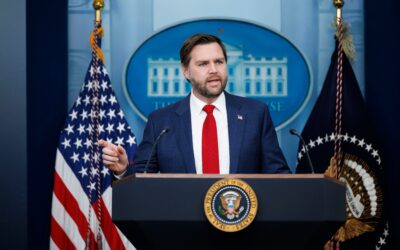
JD Vance: Illegal Immigration Drives Up Home Prices
The Modern Memo may be compensated and/or receive an affiliate commission if you click or buy through our links. Featured pricing is subject to change. Rising Home Costs and the Immigration Debate In recent months, Vice President J.D. Vance has linked the growing housing-affordability crisis in America to the increase in illegal immigration. He argues that when millions of people arrive without legal status, they create new demand for housing, and that in turn drives up home prices and rents for American citizens. Furthermore, he contends that regulatory burdens and insufficient home construction further amplify the problem, Breitbart News reports. Vance’s Key Argument: Demand Outpacing Supply Vance asserts that the U.S. is experiencing too much demand for housing and not enough new homes to match. He notes that younger Americans are “worried about the basics,” including the ability to buy a home. He connects this directly to mass illegal immigration under former President Joe Biden. If more people enter the country—especially those without legal status—they require housing. He claims that those demands compete with citizens and drive up prices for everyone. Additionally, he argues that regulatory and construction shortfalls worsen the crisis. For example, new-home building lags behind where it should be, and local regulations add costs and delay projects. Because of this, Vance believes the American Dream of owning a home is slipping out of reach for many, particularly younger generations. Related Stories Kamala Teases 2028 Run as Democrats Scramble for Strategy FBI Probes Hunting Stand Near Trump’s Air Force One Area Trump Scores Legal Victory: $500M Fraud Penalty Overturned Young Americans at a Disadvantage According to Vance, younger generations (millennials and younger) face steeper hurdles than previous ones. He pointed out that while older generations often acquired homes by age 30, many in the younger cohort cannot even begin that journey. This matters because homeownership has long been a major way for families to build wealth. With prices soaring and supply tight, the pathway has narrowed. Vance says the combination of rising costs, high interest rates, tighter lending, and increased competition means it’s harder for a young person to buy a first home now than it was decades ago. He casts the situation as less about individual failure and more about structural shifts in the economy and housing market. Immigration’s Role According to Vance Central to Vance’s viewpoint is the idea that large-scale illegal immigration has drawn more people into the housing market than the system can easily absorb. For instance, he has used figures suggesting “20 million” or “25 million” undocumented people competing for housing. He argues that every new person needing a home exerts pressure on limited housing stock, especially in tight markets. Furthermore, he says that when legal entry is lax and enforcement weak, the influx accelerates the problem. By linking immigration to housing, Vance hopes to shift some policy focus toward border-security, enforcement, and limiting illegal entries — as part of the broader housing-affordability agenda. Supply-Side Problems and Structural Constraints Although demand is an important piece, Vance also highlights supply-side issues. He says that too few homes have been built in recent years and that local zoning rules, building regulations, and high development costs delay or block construction. For young buyers, this means fewer entry-level homes and more bidding wars. Vance’s solution emphasizes unlocking supply: simplifying regulations, increasing production, and thereby easing price pressure. He argues that without such structural fixes, simply blaming demand alone will not suffice. Moreover, he draws comparisons to other countries that faced high immigration and housing-cost spikes, using that to support his claim that immigration and housing affordability are linked. 🚨 JUST IN — JD VANCE: “We need to build 5 MILLION new homes!” Yep, and we need to deport 20 MILLION illegals! If we do both of those things (and quickly), we can FINALLY start making housing affordable again. pic.twitter.com/TKfa7OcpYG — Nick Sortor (@nicksortor) November 14, 2025 What It Means for Homebuyers For young Americans trying to buy a home, the message from Vance is that they are caught in a confluence of pressures: high demand, tight supply, regulatory friction, and migration-driven competition. If his diagnosis is correct, then policy actions would need to address all these elements simultaneously. From a practical standpoint, this suggests that aspiring buyers may need to broaden their search areas, adjust expectations (in terms of size or location), and act quickly when opportunities arise. Meanwhile, policymakers may need to streamline permitting, incentivize construction of starter homes, and ensure that housing supply keeps pace with growing need. If, on the other hand, the primary challenges are supply-side rather than immigration-driven demand, then focusing resources entirely on border enforcement may miss the bigger housing-policy target. Moving Forward: Policy and Opportunity Looking ahead, if the government adopts Vance’s framing, we might see increased emphasis on stricter immigration enforcement, border control, and minimizing illegal entries — all linked to housing-affordability goals. At the same time, a supply-side push could involve incentives for builders, reduced regulations, tax breaks for starter homes, and faster development permitting. For homebuyers, that means staying informed about local housing-policy changes, monitoring interest-rate and credit-market trends, and preparing financially (saving for down payments, improving credit scores). In markets where supply is increasing or regulatory burdens easing, buyers may find better opportunities. Ultimately, as Vance argues, the goal should be to restore the possibility of homeownership for young Americans — enabling them to buy a home, build equity, and feel rooted in their communities. Final Thoughts In summary, J.D. Vance presents a bold argument: that illegal immigration has materially contributed to America’s housing-affordability crisis by driving up demand while supply lags. He combines this with a critique of regulatory barriers and the younger generation’s diminishing access to homeownership. While many experts agree that the housing supply shortfall is a central issue, they caution that immigration is only one part of a complex equation. For young Americans hoping to buy a home, recognizing both the demand and supply aspects of the challenge is critical. And…

U.S. Visa Applications May Be Denied For Health Issues
The U.S. Department of State recently issued internal guidance that may tighten requirements for immigrants seeking visas, according to the New York Post. Under the directive, visa officers are instructed to consider applicants’ health conditions and potential reliance on public assistance when deciding whether to approve a visa. Conditions cited include obesity, cancer, diabetes, cardiovascular and respiratory diseases, neurological and mental health disorders. What the Guidance Says The memo, as examined by KFF Health News, informs consular officers to assess whether an applicant has the financial resources to cover lifetime medical costs without depending on U.S. public benefits. Further, the applicant’s family health and wider ability to participate in the workforce may also be evaluated. If officers believe a visa applicant may become a “public charge,” they may deny the application. Why This Change Matters Previously, visa screenings focused mostly on communicable diseases and vaccination requirements. Now, the evaluation expands to chronic conditions and potential long-term cost burdens. This signals a shift in how the U.S. weighs health in immigration policy. Experts say the change could affect many applicants who have managed conditions but now face new scrutiny. Implications for Applicants For immigrants, this means more than just filling out paperwork. Those with conditions like obesity, diabetes, or serious health issues might see additional hurdles. They could be asked more questions about insurance, family support, past medical history, and job prospects. Long-term planning and financial readiness now become part of visa considerations. Controversy and Concerns Critics argue the policy risks discrimination and sets a troubling precedent: access to residence could hinge on health and wealth, not just legal eligibility. Some worry it could disproportionately affect applicants from lower-income countries or those with limited health coverage. On the other hand, supporters say the U.S. has a right to protect public resources and ensure that newcomers can integrate without undue burden. More Stories AI Job Cuts Surge: How Automation Is Reshaping the U.S. Workforce in 2025 Holiday Travelers May Face Flight Delays as Shutdown Deepens Daylight Saving Time Debate Heats Up Across States What This Means for Immigration Trends The directive could slow processing of some visa applications and shift the profile of approved immigrants. For families, it may mean preparing more documentation. For immigration attorneys and advocates, it means revising guidance. And for prospective immigrants, it adds another dimension to decision-making: not just job and eligibility, but health and projected costs. As a result, the United States may see fewer applicants in certain categories while attracting those who can show stronger financial and medical self-sufficiency. The emphasis on long-term independence signals a new focus on fiscal responsibility within immigration policy. Looking Ahead As the guidance rolls out, monitoring will be key. Will visa denial rates rise on health grounds? Will there be legal challenges or calls for clarity? Also, how will this align with U.S. immigration goal of attracting skilled workers? The balance between access and cost-control will shape future immigration policies. Observers expect new data to emerge within months, giving insight into how many applicants are affected and whether the policy leads to measurable savings in public spending. Ultimately, the goal will be to maintain compassion while protecting the sustainability of the nation’s resources. Final Word In short, the new health-based visa screening marks a significant shift in U.S. immigration policy. It underscores that applicant health and financial independence are now central to visa decisions. For prospective immigrants, this means preparing more comprehensively. The conversation also raises a broader question about how America manages limited healthcare and social-service resources. Many American citizens already face high medical costs and gaps in coverage, so immigration policies must ensure that visa holders can support themselves without adding strain to an overburdened system. A sustainable approach encourages applicants who can contribute in needed areas while reducing long-term dependency, promoting fairness for both new arrivals and taxpayers alike. Expose the Spin. Shatter the Narrative. Speak the Truth. At The Modern Memo, we don’t cover politics to play referee — we swing a machete through the spin, the double-speak, and the partisan theater. While the media protects the powerful and buries the backlash, we dig it up and drag it into the light. If you’re tired of rigged narratives, selective outrage, and leaders who serve themselves, not you — then share this. Expose the corruption. Challenge the agenda. Because if we don’t fight for the truth, no one will. And that fight starts with you. 📩 Love what you’re reading? Don’t miss a headline! Subscribe to The Modern Memo here! Explore More News AI Job Cuts Surge: How Automation Is Reshaping the U.S. Workforce in 2025 Holiday Travelers May Face Flight Delays as Shutdown Deepens Daylight Saving Time Debate Heats Up Across States Retirement 2025: America’s Safest and Wealthiest Towns to Call Home

ACA Premiums Are Rising — But Not Because of Expiring Subsidies
As we move into the 2026 plan year for health insurance under Obamacare or the Affordable Care Act (ACA), many headlines suggest that the expiration of the enhanced subsidies from the Joe Biden era is the main reason premiums are going up. However, a recent study by the Paragon Health Institute finds that the subsidy rollback accounts for only a small fraction of the premium increase, Breitbart News reports.. We Reccomend: What the Data Shows Specifically, Paragon looked at benchmark premium filings and found that the average premium for a representative 50-year-old enrollee earning 200 percent of the federal poverty level is projected to rise from about $8,326 in 2025 to $9,991 in 2026. Of that roughly $1,665 increase, only $333—about 4 percent—is attributed to the expiring pandemic credits. The other $1,332—around 16 percent—of the increase stems from other factors. In short, the narrative that premiums are soaring because the Biden-era enhanced credits are being pulled back does not align with these filings. (RELATED NEWS: Health Insurance Open Enrollment: What to Know Before Jan 15) So What Is Driving the Increase? While the subsidy change plays a modest role, insurers and analysts identify several underlying factors pushing premiums higher: Rising medical utilization and inflation. Health-care services are becoming more expensive, and people are using more services. Drug and specialty therapy costs. The cost of new treatments such as GLP-1 drugs for weight-loss and diabetes, biologics, and gene therapies is accelerating. Consolidation in health-care markets. Fewer providers and insurers mean less competition, which can raise costs. Work-force shortages and inflation-driven overhead. Higher labor costs and inflation are adding pressure throughout the system. Structural design issues in the ACA individual market. Structural flaws that have plagued Obamacare since 2014 still weigh on premiums. Thus, the premium spike reflects a complex mix of underlying cost pressures rather than simply the loss of one subsidy program. Why the Subsidy Expiration Still Matters — But Not As Much It’s important to clarify what the subsidy change does do. At the height of the pandemic-era credits, many enrollees paid very low or even zero premiums because the federal government covered a high share of costs. Under those enhanced credits, taxpayers were covering up to 93 percent of the typical enrollee’s premium. Even after the enhanced subsidies expire, the federal government will still cover more than 80 percent of the typical enrollee’s premium via the regular subsidy structure. However, because the underlying premiums are already rising based on the cost drivers listed above, the loss of the extra subsidy simply strips away a cushion rather than triggering the whole premium rise. This nuance is what analysts highlight: the premium jump is not primarily about the subsidy phase-out; it’s about the underlying cost spiral. Still, for many consumers, the expiration of the enhanced credits may feel significant — especially if the premium rise is layered on top of subsidy reduction. What This Means for Consumers For individuals shopping in the ACA marketplace, here are some key take-aways: Expect higher premiums next year. Although the enhancement phase-out is a small part of the puzzle, the cost pressures mean significant rate hikes are likely. Subsidies will still exist. Most enrollees will continue to receive federal help, even without the enhanced pandemic credits. That means their out-of-pocket premium may increase less than the headline rate hike. But premiums alone don’t tell the whole story. Even if federal assistance limits what you pay, rising costs will impact the system broadly — including deductibles, provider costs, and service prices. (MORE NEWS: Broadband Overhaul: Trump Fixes Biden’s Failed $42.5B Plan) Shopping matters. With premium increases coming, comparing plans, considering metal levels (bronze, silver, gold), and checking subsidy eligibility will be more important than ever. Looking Ahead: Policy Implications From a policy perspective, the findings raise some important questions: If the premium rises are mostly driven by structural cost pressures, then extending the enhanced credits may not be sufficient to rein in rate hikes. It may offer short-term relief for consumers’ out-of-pocket costs, but it does not fix the root causes of rising premiums. Addressing healthcare cost inflation, market consolidation, drug pricing, and utilization may be a more durable strategy to stabilize premiums. The narrative around the subsidy expiration needs nuance. Policymakers and the public may assume that losing the enhanced credits triggers the entire premium surge. The data suggests otherwise. Misdiagnosis of the problem can lead to less effective solutions. Final Take While many are attributing the upcoming surge in Obamacare premiums to the end of the Biden-era enhanced subsidies, the data tells a different story. The expiration of those credits contributes only a small part of the total increase. The bulk of the premium rise stems from longstanding cost pressures: medical inflation, expensive drugs, consolidation, and other systemic factors. For consumers, this means higher premiums are on the way — but subsidies will remain, and many will still be protected from the full rate increase. For policymakers, the challenge is clear: reducing premiums sustainably requires tackling the root drivers of cost, not just extending temporary subsidy enhancements. As the 2026 plan year approaches, both shoppers and lawmakers would benefit from understanding this complexity. The premium spike is real. But the story behind it is deeper than a single subsidy change. Cut through the noise. Drown out the spin. Deliver the truth. At The Modern Memo, we’re not here to soften the blow — we’re here to land it. The media plays defense for the powerful. We don’t. If you’re done with censorship, half-truths, and gaslighting headlines, pass this on. Expose the stories they bury. This isn’t just news — it’s a fight for reality. And it doesn’t work without you.

Tulane Disputes Claims Escaped Monkeys Were Infected
A transport truck carrying lab monkeys overturned on Interstate 59 near Heidelberg, Mississippi, on Tuesday afternoon. The crash occurred around mile marker 117 and caused several of the monkeys to escape. According to the Jasper County Sheriff’s Department, the accident prompted an immediate emergency response involving local and state agencies. Initial Fears Sparked Public Concern After the crash, the sheriff’s department released a statement warning that the monkeys might be “aggressive to humans” and possibly infected with COVID-19 and sexually transmitted infections. Those claims quickly circulated online and caused widespread alarm throughout the area. (MORE NEWS: Portland Police Go Easy on Antifa…Again) Tulane Disputes Infection Claims Officials from Tulane National Biomedical Research Center quickly disputed those statements. The university clarified that the primates were not infected and that the animals involved did not belong to Tulane. The institution emphasized that the primates were never exposed to any infectious agents and posed no public health risk. A spokesperson for Tulane confirmed the university was not consulted regarding the destruction of the monkeys. The assistant vice president of news and media relations shared the following statement with ABC 33/40: “Non-human primates at the Tulane National Biomedical Research Center are provided to other research organizations to advance scientific discovery. The primates in question belong to another entity, and they have not been exposed to any infectious agent. The non-human primates were NOT being transported by Tulane, but we are actively collaborating with local authorities and will send a team of animal care experts to assist as needed.” Confusion and Conflicting Reports The conflicting messages between the sheriff’s department and Tulane caused confusion among residents and raised questions about the handling of the animals. Local authorities initially warned that the primates could carry diseases, while Tulane’s statement firmly denied any infection risk. The university’s clarification helped ease fears but also highlighted the need for consistent communication between agencies during emergencies. Emergency Response and Containment Law enforcement officers, wildlife officials, and animal control teams worked through the day to locate and secure the escaped monkeys. Most of the animals were captured or destroyed shortly after the crash. Officials confirmed that all but one of the escaped monkeys were destroyed following containment efforts. The search continues for the single monkey that remains unaccounted for. Questions About the Monkeys’ Destruction Tulane’s acknowledgment that they were not consulted about the destruction of the animals raised further questions about how the response was handled. Animal welfare advocates have also expressed concern about the decision to euthanize the monkeys before confirming their health status. Tulane has since offered support to assist with recovery and animal care protocols to ensure humane treatment moving forward. (MORE NEWS: Biotech Breakthrough Could End the Need for Liver Transplants) Public Safety and Communication Challenges The Mississippi highway crash underscores how misinformation can quickly spread during a developing emergency. Early claims of infection created panic before confirmation from medical experts. Tulane’s response helped clarify the situation, but the initial confusion illustrates the importance of verifying facts before issuing health warnings to the public. Broader Implications Accidents involving research animals highlight ongoing concerns about the transport and safety of non-human primates. Even though the animals were not infected, the incident calls attention to how such events are managed. Clear coordination between law enforcement, research institutions, and animal welfare organizations is essential to ensure both public safety and ethical treatment of animals. Looking Forward Only one rhesus monkey remains missing near the crash site, and Tulane continues to assist authorities. The incident has prompted broader reflection on how research animals are handled and transported. This is not the first time a truck carrying lab primates has crashed, and each event exposes gaps in safety procedures and accountability. Beyond logistics, the crash raises moral questions about the humane treatment of animals used in research. These primates, capable of complex emotions and pain, often endure harsh conditions in the name of science. Confirmed reports of inhumane NIH-funded experiments have deepened public concern, fueling calls for reform and oversight in how these animals are treated both in labs and during transit. The situation also brings scientific necessity into question. With the rise of advanced technologies — including biotechnology, AI-driven modeling, and human-cell testing — researchers now have powerful alternatives to animal experimentation. As science continues to evolve, so must its ethics. The Mississippi crash stands as a reminder that progress should not come at the cost of compassion. It challenges institutions, policymakers, and the public to ask whether it’s time to move beyond these barbaric practices and to examine whether such experimentation truly aligns with responsible science. Expose the Spin. Shatter the Narrative. Speak the Truth. At The Modern Memo, we don’t cover politics to play referee — we swing a machete through the spin, the double-speak, and the partisan theater. While the media protects the powerful and buries the backlash, we dig it up and drag it into the light. If you’re tired of rigged narratives, selective outrage, and leaders who serve themselves, not you — then share this. Expose the corruption. Challenge the agenda. Because if we don’t fight for the truth, no one will. And that fight starts with you.

Portland Police Go Easy on Antifa…Again
Late on a Saturday evening, chaos erupted outside the U.S. Immigration and Customs Enforcement (ICE) facility in Portland. A large group of masked Antifa dressed in black clashed with conservative activists — one of whom wore a “Make America Great Again” flag. Federal agents fired rubber bullets and used smoke grenades in an attempt to break up the confrontations. The violence left several injured and reignited questions over the role of police in controlling unrest. Threat at the Gate What began as a demonstration quickly spiraled out of control. Witnesses described a chaotic scene as both sides hurled objects and shouted across barriers. Federal agents stationed at the ICE facility responded with crowd control measures to prevent the building from being overrun. Despite the heavy presence of law enforcement, the violence continued for hours, according to Breitbart News. Escalation in the Early Hours As the night progressed, tensions only intensified. Antifa threw fireworks and smoke bombs, and the masked group surged toward the facility’s entrance. ICE agents, facing a volatile crowd, deployed forceful deterrents to keep violent offenders back. Meanwhile, local police stood by and observed. No arrests were made during or after the melee. The Portland Police Bureau later stated that officers did not observe any crimes that required immediate action. (MORE NEWS: Rebuttal to Hakeem Jeffries: When Your Own Words Go Too Far) Why No Arrests? The lack of arrests triggered widespread criticism. City residents, reporters, and peaceful protestors questioned how a large-scale brawl could occur without a single person being detained. Police officials defended their response, explaining that their priority was to maintain safety and avoid escalating tensions. However, others accused the department of turning a blind eye to politically motivated violence. Video footage circulated online showing masked rioters standing behind city officers as federal agents tried to regain control of the scene. Funding, Structure, and Allegations The clashes appeared to be part of a larger, organized movement rather than a spontaneous protest. Investigators have pointed to potential funding and coordination among activist groups, including Antifa. Reports claim that several well-known advocacy networks and donors have supported these riots, possibly channeling funds through nonprofit organizations. Federal officials have also said that foreign contributors could be involved, adding another layer of complexity to the unrest. The Department of Justice has stated that it is actively investigating how these groups organize and sustain their operations. 🚨 Make no mistake: Antifa is a radical terrorist organization that explicitly calls for the overthrow of the U.S. Government, law enforcement authorities, and our system of law. Under the Trump Administration, Antifa’s days are over. MUST WATCH. ⬇️ pic.twitter.com/2M6qvzTQ29 — The White House (@WhiteHouse) October 9, 2025 The Federal Government Responds As the unrest continues, federal authorities have taken a closer interest in Portland’s recurring clashes. Officials are seeking to lift a restraining order that currently prevents the president from sending the National Guard into the city. The goal is to restore order around the ICE facility and reestablish peace in nearby neighborhoods that have endured months of nightly conflict. The request has drawn national attention, reigniting debate about the balance between federal and local control in crisis situations. Local Consequences and Public Reaction The ongoing turmoil has taken a toll on Portland residents. Fireworks and explosions echo through nearby neighborhoods, keeping families awake and anxious. Small business owners worry about property damage and dwindling foot traffic. Many locals feel caught between two extremes: violent Antifa on one side and an increasingly passive police response on the other. Critics argue that the Portland Police Bureau’s decision not to intervene sends a troubling message about public safety and accountability. At the same time, civil liberties advocates caution that increasing police or military presence could worsen tensions and threaten constitutional rights. The debate underscores the difficult balance between maintaining order and protecting free expression. Implications Going Forward The events outside the Portland ICE facility highlight a fine line between protest and riot. While peaceful activism is protected by law, the use of explosives, masks, and aggression pushes those boundaries. Without enforcement, future confrontations could become even more dangerous. (MORE NEWS: Trump’s East Wing Demolition and Ballroom Plan Explained) The potential funding and coordination behind these actions also raise questions about transparency and influence. If outside organizations or foreign donors are financing domestic unrest, lawmakers and investigators will likely pursue deeper inquiries. This could shape new laws on protest funding, national security, and law enforcement strategy. Finally, the division between local and federal agencies remains a critical issue. While federal officers took active measures to secure the facility, city police chose restraint. Determining when and how each level of authority should act remains an unresolved challenge, one that could shape the city’s policies for years to come. What to Watch Next Observers are watching several key developments. Federal investigators may soon reveal evidence about how protest groups coordinate and fund their activities. Portland’s police leadership might face public pressure to clarify its policies on nonintervention. Courts could also decide whether to lift restrictions on deploying the National Guard. Each decision will affect how Portland, and possibly other cities, respond to future unrest. Final Word The clash outside the Portland ICE facility reflects deeper divisions in American society. It raises questions about law enforcement’s responsibilities, the influence of political movements, and the fragile balance between civil rights and security. The absence of arrests after hours of Antifa-led violence has become a symbol of broader frustration — both with unrest in the streets and inaction by authorities. As Portland braces for what comes next, the outcome could redefine how the nation handles protest, policing, and public order. Cut through the noise. Drown out the spin. Deliver the truth. At The Modern Memo, we’re not here to soften the blow — we’re here to land it. The media plays defense for the powerful. We don’t. If you’re done with censorship, half-truths, and gaslighting headlines, pass this on. Expose the stories they bury. This isn’t just news — it’s a fight…
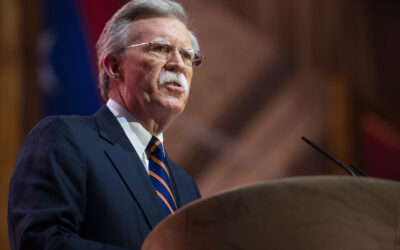
John Bolton Pleads Not Guilty to Classified Documents Charges
A federal grand jury has indicted former National Security Advisor John Bolton on 18 counts tied to improper handling of classified materials, per the U.S. Department of Justice. The charges include eight counts of transmitting national defense information and 10 counts of retaining national defense information. From about April 2018 through August 2025, the indictment claims Bolton shared more than a thousand pages of classified documents—some marked TOP SECRET/SCI—with two unauthorized individuals. In addition, the papers were allegedly stored in his Maryland home in violation of federal law. FBI Director Kash Patel said, “The FBI’s investigation revealed that John Bolton allegedly transmitted top secret information using personal online accounts and retained said documents in his house in direct violation of federal law. The case was based on meticulous work from dedicated career professionals at the FBI who followed the facts without fear or favor. Weaponization of justice will not be tolerated, and this FBI will stop at nothing to bring to justice anyone who threatens our national security.” (MORE NEWS: China’s Rare Earth Clampdown Threatens U.S. Tech, Defense) He turned himself in to federal authorities today and pleaded not guilty after being indicted in the classified information probe. Alleged Mishandling: Transmission and Retention According to the Department of Justice: “Bolton illegally transmitted NDI by using personal email and messaging application accounts to send sensitive documents classified as high as Top Secret. These documents revealed intelligence about future attacks, foreign adversaries, and foreign-policy relations. “ Beyond the transmissions, the indictment charges Bolton with retaining classified documents. The DOJ Press Release reads: “Bolton illegally retained NDI documents within his home. These documents included intelligence on an adversary’s leaders as well as information revealing sources and collections used to obtain statements on a foreign adversary.” FBI Raid and Seizures In August 2025, FBI agents raided John Bolton’s home under a search warrant tied to a long-running investigation into classified document handling. Items Seized The FBI removed multiple devices and materials, including: Two iPhones (one red, one black) Three computers (a Dell XPS laptop, a Dell Precision Tower, another Dell model) One Seagate hard drive Two SanDisk 64 GB USB drives A white binder labeled “Statements and Reflections to Allied Strikes…” Four boxes of printed daily activities Typed folders labeled Trump I-IV These items are central to the government’s case that Bolton stored and processed classified data improperly. Legal Context Judge’s Warning in the 2020 Memoir Case The 2025 indictment revives concerns from his 2020 legal battle over Bolton’s “tell-all” book, The Room Where It Happened, about his service in the first Trump administration. In United States v. Bolton (Case No. 1:20-cv-1580-RCL), the government alleged he violated book prepublication review protocols by publishing without security clearance, risking classified information exposure. Seeking to block further distribution, including the audiobook, the government requested an injunction. U.S. District Judge Royce C. Lamberth denied this, citing the digital age’s irreversible information spread. He stated: “If nothing else, the government argues, an injunction today would at least prevent any further spread of the book… In the Internet age, even a handful of copies in circulation could irrevocably destroy confidentiality… The damage is done. There is no restoring the status quo.” Lamberth warned: “Defendant Bolton has gambled with the national security of the United States. He has exposed his country to harm and himself to civil (and potentially criminal) liability.” Although no injunction was issued, Bolton’s royalties were placed in a constructive trust. 2021 Biden DOJ Probe Dropped In 2021, a Biden-era DOJ probe into Bolton’s retention of classified documents was dropped for political reasons, and prosecutors concluded the memoir contained no classified information. 2025 Indictment and Trump DOJ Response The 2025 charges, alleging Bolton shared over a thousand pages of TOP SECRET/SCI documents and improperly stored them at his Maryland home, echo these earlier concerns. Attorney General Pamela Bondi emphasized, “There is one tier of justice for all Americans. Anyone who abuses a position of power and jeopardizes our national security will be held accountable. No one is above the law.” Why This Case Matters This indictment raises important issues about how top officials should treat classified information—and whose oversight they face. It also ties into broader debates over document handling policies, accountability for former officials, and national security. In particular: The case tests whether a former high-ranking official can be held criminally liable for retaining or disseminating classified intelligence after leaving government. It underscores tensions between public commentary, such as memoirs and speeches, and legal boundaries around classified materials. It spotlights the challenge of safeguarding intelligence while preserving certain free speech rights for former officials. Moreover, the case could influence future decisions about how strictly courts and prosecutors enforce laws on classified materials—especially for people who once held government security clearances. (MORE NEWS: Shock at the Vatican: Muslim Prayer Room Approved Inside Historic Library) The Takeaway The indictment of John Bolton marks one of the most consequential national security cases in recent history. Federal prosecutors allege that a former top U.S. official—trusted with the nation’s most sensitive intelligence—knowingly shared and stored highly classified information outside secure channels. The charges and FBI’s detailed findings suggest an extensive pattern of misconduct that could carry serious legal consequences if proven. This case also serves as a reminder that no individual, regardless of past position or political influence, is immune from accountability. As Bolton faces the legal process, the broader question remains: how should America safeguard its secrets while balancing transparency, free speech, and justice? The outcome of this case will likely shape how future administrations handle classified information and the standards to which their senior officials are held. Expose the Spin. Shatter the Narrative. Speak the Truth. At The Modern Memo, we don’t cover politics to play referee — we swing a machete through the spin, the double-speak, and the partisan theater. While the media protects the powerful and buries the backlash, we dig it up and drag it into the light. If you’re tired of rigged narratives, selective outrage,…
- 1
- 2