
US

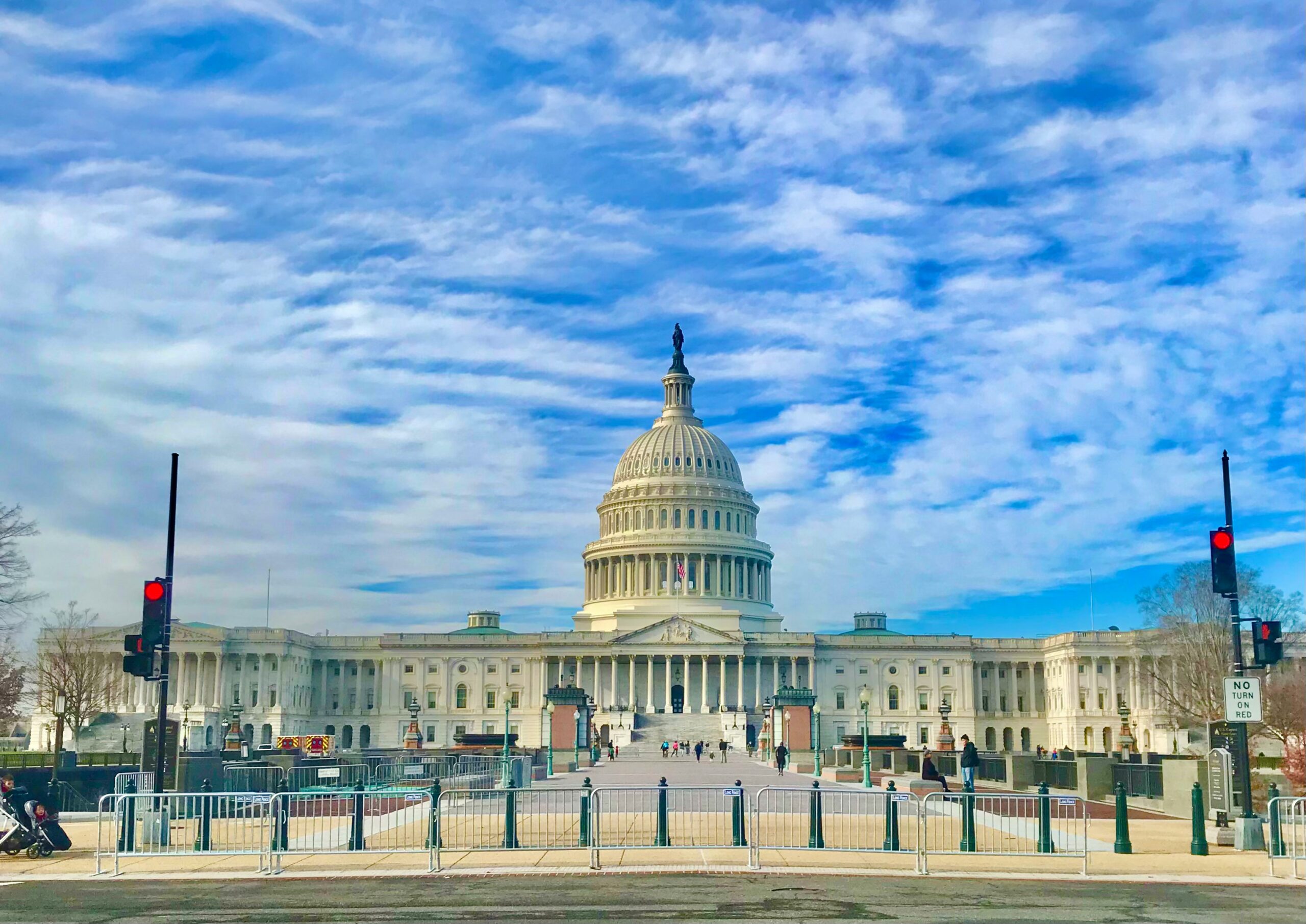
US-Canada Trade Talks Collapse as Trump Imposes 50% Tariffs, Threatens More on Autos
Trade negotiations between the United States and Canada broke down late Friday, triggering 50% U.S. tariffs on roughly $20 billion worth of Canadian goods and prompting Canadian Prime Minister Mark Carney to declare his country is “at war” economically with its largest trading partner. The tariffs took effect just after midnight Friday into Saturday, August 22, after last-minute talks collapsed. U.S. Trade Representative Jamieson Greer said Canada “declined to finalize the trade deal” and came back with “new demands and walk backs” despite what he called an American offer of “the best treatment of any major exporter.” The new duties hit a range of Canadian products, including dairy, alcoholic beverages, cement and hockey equipment. Carney rejected the U.S. characterization of how talks fell apart. “You’re at war when you get attacked. We got attacked,” he told reporters at a Saturday press conference, arguing that Washington had introduced unfair, last-minute changes that undermined the reliability of any deal. “Canada has what the world wants,” Carney said. “And we will not allow any nation to determine our future.” Canada has announced it will respond with matching, dollar-for-dollar tariffs beginning September 8, targeting American steel, dairy, appliances, agricultural equipment, pulp and paper, and electronics — an attempt to mirror the economic pain on industries and states that export heavily to Canada. The dispute escalated further this weekend when Trump threatened an additional round of 50% tariffs on Canadian cars, trucks, auto parts and steel, this time set to take effect January 1, 2027, unless a deal is reached. Trump urged automakers to shift production to the United States, promising “ZERO TARIFFS” for companies that manufacture domestically. He accused Canada of imposing steep tariffs on American farmers and blamed the imbalance for what he described as a $60 billion U.S. trade deficit with Canada, writing that the current arrangement is “not sustainable, and NOT ANYMORE!” The latest tariffs follow months of on-and-off negotiations. U.S. steel and aluminum tariffs on Canada had already doubled to 50% back in June, and the two countries pledged at the G7 summit in June to reach a broader deal within 30 days — a timeline that slipped after Washington briefly suspended talks in late June before restarting them at month’s end. U.S. officials have downplayed the near-term economic impact on the American side. Greer noted the newly tariffed goods represent roughly 5% of overall Canadian trade and just 0.06% of total U.S. consumption, though he acknowledged the effect “may be different” for Canada, which sends the large majority of its exports south of the border. Economists on both sides of the border are watching how the dispute filters through to consumers. Tariffs on dairy, alcohol and construction materials like cement are likely to show up in retail prices in both countries, while a prolonged standoff over autos and steel — industries deeply intertwined across the two countries’ supply chains — could raise vehicle prices and squeeze manufacturers in the U.S. Midwest and Ontario alike if it drags into 2027. No new talks have been publicly scheduled between the two governments as of this weekend.
North Korea Fires Barrage of Missiles Toward the Sea, Rebuffing Trump’s Bid to Restart Diplomacy
North Korea launched a barrage of ballistic missiles into the sea off its eastern coast Thursday, a pointed rejection of a recent U.S. gesture aimed at reviving stalled diplomacy — the latest sign that Pyongyang intends to hold out for bigger concessions before returning to the negotiating table with the Trump administration. What Happened South Korea’s Joint Chiefs of Staff said North Korea launched about 10 short-range ballistic missiles from the country’s capital region around 5 p.m. local time Thursday, with the missiles traveling roughly 185 miles toward North Korea’s eastern waters. The launch came just a day after North Korean officials publicly dismissed a U.S. decision to scale back the size and duration of joint military drills with South Korea — a move Washington had made in an apparent bid to create space for renewed talks. Pyongyang’s Blunt Rejection Kim Yo Jong, the influential sister of North Korean leader Kim Jong Un, made clear Wednesday that the scaled-back drills weren’t enough to change North Korea’s calculus. “The provocative, aggressive nature of the drills won’t change even though their duration and size were reduced,” she said in a statement, adding a warning to Washington against reading too much into the gesture: “If the U.S. calculates that it can propagate its recent measure as the one of so-called good faith, they will not get the desired answer.” Kim Yo Jong also directly disputed a claim from President Trump that her brother had responded positively to his outreach for a conversation, denying that any such response had been given. Reading Between the Lines Despite the firm rejection, Kim Yo Jong notably avoided the kind of fiery, personally directed rhetoric North Korea has often employed in past standoffs. She specifically noted that personal relations between her brother and Trump remain “still excellent” — a detail analysts say suggests Pyongyang isn’t slamming the door on diplomacy altogether, but rather signaling that it wants Trump to offer more substantial concessions before agreeing to resume formal talks. In other words, Thursday’s missile launch appears designed as calibrated pressure rather than a definitive rejection of engagement. Asked by reporters Wednesday whether he expects to meet with Kim Jong Un before the end of the year, Trump responded simply: “Yeah, I will be” — suggesting the administration remains optimistic about eventually restarting the kind of high-profile, direct diplomacy that characterized Trump’s approach to North Korea during his first term. Part of a Longer Pattern Thursday’s launch fits a well-established pattern in the on-again, off-again relationship between Washington, Seoul, and Pyongyang. North Korea has repeatedly used missile tests over the years as a signal of displeasure with joint U.S.-South Korea military exercises, which it has long characterized as rehearsals for an invasion. Backdrop tensions have simmered for months, with North Korea previously dismissing earlier South Korean peace overtures as a “clumsy, deceptive farce” and warning of “terrible consequences” over prior rounds of joint drills. The Strategic Calculation For Pyongyang, using missile tests to register displeasure while stopping short of a full rhetorical escalation serves a specific purpose: it keeps pressure on Washington and Seoul without foreclosing the possibility of resumed talks, preserving North Korea’s leverage heading into any eventual negotiation. Supporters of the administration’s approach argue that offering to scale back joint drills was a reasonable, low-cost gesture worth attempting, and that North Korea’s calibrated response — firm rejection paired with warm personal comments about the Trump-Kim relationship — actually signals the door to eventual talks remains open, just not yet on terms Pyongyang is prepared to accept. Skeptics note that this is a familiar cycle: the U.S. offers a concession, North Korea rejects it as insufficient while conducting a weapons test to underscore the point, and the two sides remain at a standstill until one party is willing to move further. From that view, genuine breakthroughs with North Korea have historically required much larger, more concrete concessions than a modest reduction in drill size and duration. What Happens Next With Trump signaling continued optimism about an eventual meeting with Kim Jong Un and North Korea leaving the door open, if only narrowly, further diplomatic maneuvering seems likely in the coming months. In the meantime, South Korea’s military continues to closely monitor North Korean military activity, and additional missile tests or other displays of military capability remain a real possibility as both sides continue to feel out the other’s position ahead of any potential return to the negotiating table. This story is developing.

US and Iran Blow Through 60-Day Deadline for War Deal as Both Sides Dig In Over Control of Hormuz
The 60-day deadline President Trump set in June for reaching a comprehensive deal to end the war with Iran and resolve the dispute over its nuclear program quietly expired Monday, with both sides at a genuine impasse and neither showing meaningful signs of budging — a milestone that is largely symbolic at this point, since both American and Iranian officials had already acknowledged in recent weeks that the underlying agreement had effectively collapsed. What Was Supposed to Happen President Trump signed the memorandum of understanding with great fanfare at a ceremony in Versailles back in June, presenting it as the framework that would finally bring the war — then already several months old — to a close. The 14-point agreement, negotiated in Islamabad, called for an immediate halt to military operations and set a 60-day window for the two countries to negotiate a lasting deal covering two central issues: the lifting of sanctions on Iran and a longer-term resolution of the dispute over Iran’s nuclear program. The deadline could have been extended by mutual consent if both sides wanted more time and were making genuine progress. Instead, the agreement began unraveling almost immediately after it was signed. Disputes over implementation, and specifically over control of the Strait of Hormuz, took center stage almost from the start, effectively pushing the nuclear negotiations — ostensibly the more consequential issue — to the back burner entirely. How the Ceasefire Fell Apart The core problem, according to multiple officials and analysts who have tracked the negotiations closely, is that the U.S. and Iran walked away from the June agreement with fundamentally different understandings of what they had actually agreed to regarding the strait. Iranian officials pointed to what they characterized as ambiguous language in the ceasefire deal to declare that certain vessels were passing through the waterway without proper Iranian permission, and Iranian forces fired on some of those ships. U.S. forces retaliated by bombarding targets in southern Iran, touching off a cycle of attacks and counterattacks that ultimately reignited nearly two full weeks of direct fighting before Trump abruptly halted the American bombing campaign in an effort to salvage the broader deal. Iran’s Foreign Ministry has been blunt about where it places blame for the breakdown. Spokesperson Esmaeil Baghaei said this week that due to what he called “the flagrant and widespread violation of the memorandum of understanding by the United States,” meaningful dialogue never even began in the weeks following the June signing. “As a result, the discussion of the 60-day deadline completely lost its relevance,” Baghaei said, adding that U.S. sanctions have “no impact” on Iran and that the real obstacle to resolving the dispute isn’t a shortage of potential mediators — pointing to Pakistan and Qatar as countries already playing an active role, alongside several European nations that have signaled willingness to offer their own diplomatic good offices. Iran, notably, doesn’t even consider the 60-day countdown to have properly begun in the first place. A senior Iranian source told Reuters last week that Tehran never engaged in discussions with Washington about extending the ceasefire deadline, precisely because it doesn’t view the deadline as having been triggered given the U.S. actions Iran considers violations of the original agreement. The Sticking Point: Who Controls Hormuz Control of the Strait of Hormuz — the narrow waterway through which roughly a fifth of the world’s traded oil and gas passes — has emerged as the fundamental issue blocking any broader resolution, effectively sidelining the nuclear question that Trump had originally cited as central to his case for going to war in the first place. There has been no visible sign of compromise on the strait, and no indication that detailed, substantive nuclear talks have even started between the two sides. Nader Itayim, a political economist following the negotiations, captured the sense of drift surrounding Monday’s deadline bluntly: “Why are we still hanging on to this 17 August date like it means something?” That skepticism reflects a broader consensus among analysts that the deadline’s expiration changes little on the ground, since the practical reality — a stalemate over the strait, no active nuclear negotiations, and a war now well into its sixth month — was already well established before the calendar caught up to it. Neither Side Has an Easy Way Out Both countries face genuinely difficult trade-offs in deciding how to proceed from here. For the United States, acceding to Iran’s demands over the strait would mean effectively conceding control of a critical international waterway to Tehran — a outcome that would be widely read as a significant setback for the war’s stated objectives, including curbing Iran’s nuclear ambitions. At the same time, further escalating the conflict would draw down American supplies of advanced missile interceptors, continue rattling global energy markets, and risk pushing gas prices higher domestically ahead of November’s congressional elections — a politically unwelcome outcome for an administration that has repeatedly promised the war would be resolved quickly and cited economic strength as a core selling point. For Iran’s part, the government appears to feel considerably emboldened by how the standoff has played out so far, having successfully resisted American and Israeli military pressure for close to six months without capitulating on its core demands regarding the strait. That posture carries its own risks for Tehran, however, given the toll continued conflict and Western sanctions continue to take on Iran’s already strained economy. Where Things Stand for American Policy Supporters of the administration’s approach argue that refusing to cave to Iran’s demands over Hormuz — even at the cost of a missed diplomatic deadline — reflects appropriate resolve rather than failure, and that a war fought to prevent Iran from ever obtaining a nuclear weapon shouldn’t be judged a disappointment simply because a symbolic 60-day clock expired without a finalized agreement. Critics counter that the missed deadline underscores a broader pattern in which the administration’s stated war aims have consistently outpaced what it has actually been able to achieve on…

Iran Moves to Permanently Ban US and Israeli Ships From Hormuz Even as It Nears Deal With Oman
Just days after touting progress toward a shipping agreement with Oman, Iran’s parliament is now reviewing legislation that would permanently bar American and Israeli vessels from the Strait of Hormuz altogether — a move that undercuts the optimistic tone coming out of Washington in recent days and that the Trump administration has flatly rejected. What the Bill Would Do According to Iran’s semi-official Fars news agency, a parliamentary committee is reviewing a preliminary bill that would block “hostile” vessels — explicitly naming the United States and Israel — from transiting the strait. The restrictions reportedly wouldn’t be limited to those two countries alone; they would extend more broadly to “countries and individuals that have caused damage to Iran,” and would remain in place until Tehran considers itself compensated for that damage. The proposal would also impose a transit fee of up to 7% of a cargo’s value on other commercial vessels passing through, with steeper penalties — up to 20% of cargo value — for any vessel that violates the terms. The legislation remains under expert review, with parliament inviting outside specialists to weigh in before a final version is drafted, according to the lawmaker cited by Fars. Washington Pushes Back Hard The Trump administration wasted no time rejecting the proposal outright. “Any temporary routes will be without any impediments — meaning no approvals or permissions and no tolls or charges,” a U.S. official told CNBC in response to the report. “The Strait of Hormuz is an international waterway and no party controls the lanes or the ability to transit through them,” the official added, directly rebutting Iran’s underlying claim of sovereign authority over the passage. A Confusing Diplomatic Picture The bill’s emergence complicates what had appeared, just days earlier, to be genuine momentum toward de-escalation. Iran and Oman announced they’d agreed on the geographic coordinates for a new shipping corridor, with vessels reportedly set to enter through a northern route near the Iranian coast and exit through a southern route near the Omani coast. But Iranian officials have been careful to separate that Oman-specific arrangement from any broader resolution involving the United States, with deputy foreign minister Kazem Gharibabadi stating explicitly that “the path of understanding is between Iran and Oman, and no negotiations with the US have taken place during this period.” That stands in some tension with President Trump’s own public statements. Trump had accused Iranian leaders of being “duplicitous” about the state of peace talks earlier in the week, insisting negotiations were underway “whether Iran wants to admit it or not” — a claim Tehran has repeatedly and directly denied. Testing the Limits of an Earlier Ceasefire The current standoff traces back to a memorandum of understanding signed between the U.S. and Iran on June 17, under which Tehran agreed to allow commercial vessels to transit the strait toll-free for 60 days, in exchange for the U.S. lifting its naval blockade of Iranian vessels and easing other pressure. That framework ultimately broke down, reigniting the fighting and the shipping disruption that has persisted since. Iran has separately warned Gulf states that any renewed U.S. attack on Iranian territory would trigger retaliation against regional energy infrastructure, a threat that underscores just how much is riding on whether the current round of negotiations holds. Reading the Standoff Supporters of the administration’s hardline posture argue this latest legislative maneuver is exactly the kind of move that justifies continued pressure on Tehran rather than premature optimism: a regime that claims to be negotiating in good faith on one hand while advancing legislation to permanently exclude American and allied shipping on the other is not a regime that has abandoned its broader objectives, even as it seeks sanctions relief and an end to strikes on its territory. Iran, for its part, continues to frame its demands as a matter of legitimate sovereign control over waters it considers within its jurisdiction — an argument the U.S. and most of the international community reject given the strait’s status as vital international shipping lane carrying roughly a fifth of the world’s oil and gas. What Happens Next The bill remains in committee and is not yet finalized, meaning its ultimate provisions could still shift before a floor vote. In the meantime, the dueling signals — apparent progress with Oman paired with hardline legislation aimed squarely at the U.S. and Israel — leave the broader question of when, or whether, the Strait of Hormuz fully reopens to normal international shipping traffic as unresolved as ever. This story is developing.

US Measles Cases Hit 30-Year High, But CDC Official Says Losing Elimination Status “Not Really” a Concern
The United States has recorded more measles cases in 2026 than in any full year since the disease was declared eliminated in 2000, putting the country’s quarter-century-old elimination status at real risk — but a top CDC official says the milestone, if it happens, isn’t the alarming development some public health voices are making it out to be. The Numbers Behind the Headlines As of July 30, the CDC had confirmed 2,371 measles cases nationwide in 2026, already surpassing the 2,289 cases recorded for all of 2025 — itself the highest annual total since 1991. The case count spans 37 separate outbreaks so far this year, with active clusters currently being tracked in states including Virginia, Pennsylvania, and Utah. Johns Hopkins researcher William Moss noted that hitting this milestone so early in the year, with five months still remaining, is a particularly striking sign of how persistent this year’s spread has been. The largest single outbreak of the year unfolded in South Carolina’s Spartanburg County, which saw the biggest measles outbreak the U.S. has experienced in decades before state health officials declared it over in late April, with just under 1,000 total cases. Utah has since emerged as the new center of concern, with more than 500 confirmed cases so far in 2026 alone. What “Elimination Status” Actually Means Measles elimination doesn’t mean the disease has vanished from American soil entirely — it’s a technical designation meaning the virus hasn’t achieved continuous, uninterrupted domestic transmission for more than 12 months. The U.S. earned that status in 2000 after decades of successful vaccination campaigns nearly wiped the virus out. If health officials determine that this year’s outbreaks are genetically and epidemiologically linked to a chain of transmission stretching back more than a year — potentially connecting back to an outbreak that began in West Texas in January 2025 — the country could officially lose the designation for the first time in a generation. That determination isn’t made by the CDC alone. An external panel called the Measles, Rubella, and Congenital Rubella Syndrome Elimination Regional Verification Commission, operating under the Pan American Health Organization, is responsible for the final call, relying in part on genetic sequencing data that CDC scientists are still working to compile and publish. A CDC Official Pushes Back on the Alarm Not everyone in the federal health apparatus is treating the potential loss of elimination status as a five-alarm fire. CDC Principal Deputy Director Dr. Ralph Abraham, a former Louisiana surgeon general who previously scaled back vaccine promotion efforts in that state, told reporters at a briefing that losing the designation wouldn’t fundamentally change how the country handles the disease. “Losing elimination status … does not mean that the measles would be widespread, nor would it alter any key measles elimination strategies,” Abraham said, while adding that he continues to personally support vaccination as the most effective tool against the disease — even as he also emphasized the importance of personal freedom in health decisions. Abraham also pushed back on claims that ongoing outbreaks in different states are necessarily connected, arguing that continuous transmission between the various clusters “has not been proved” and shouldn’t be assumed just because outbreaks are occurring simultaneously in multiple regions. The Vaccination Rate Debate Public health researchers point to declining childhood MMR vaccination rates as the central driver behind the resurgence. National kindergarten MMR coverage has slipped to around 92.5%, below the roughly 95% threshold considered necessary to maintain herd immunity against a virus as contagious as measles — the CDC estimates that if one infected person is in a room with unprotected people, up to nine out of ten will catch it. The vast majority of this year’s cases, more than 95%, have occurred in people who were unvaccinated or whose vaccination status was unknown. Some researchers argue the stakes of continued vaccination decline are significant: one estimate suggests that just a single percentage-point drop in the childhood MMR vaccination rate could translate into roughly 17,000 additional measles cases, 4,000 hospitalizations, and 36 preventable deaths nationally each year. Three deaths and 243 hospitalizations were attributed to last year’s outbreaks alone, with about a quarter of 2025’s cases occurring in children under five. Personal Choice Versus Public Health The debate over how aggressively to respond has become something of a proxy fight in the broader national conversation about vaccine mandates, parental rights, and the proper role of government in personal health decisions — a conversation Health and Human Services Secretary Robert F. Kennedy Jr. has placed at the center of his tenure leading the department. Supporters of the administration’s more hands-off approach argue that decisions about vaccination ultimately belong to individual families, not federal health bureaucrats, and that framing a technical elimination-status change as a public health emergency risks stoking unnecessary panic over a disease that, while serious, remains treatable and preventable for those who choose vaccination. Critics, including some public health researchers, counter that measles’ extraordinary contagiousness means individual choices carry real consequences for the broader community, particularly for infants too young to be vaccinated and people with compromised immune systems who can’t be vaccinated even if they wanted to be. Dr. Dave Chokshi, chair of the Common Health Coalition, framed it directly: “Vaccination is one of the most powerful investments we can make for the health of our children, but when we fail to maintain high vaccination rates, we all pay the price.” The International Backdrop The U.S. wouldn’t be alone if it loses its elimination status. Canada lost its own measles-free designation in late 2025, and the United Kingdom and several other European countries have also lost their elimination status in recent years amid similar declines in vaccination coverage — suggesting the trend driving America’s numbers is part of a broader pattern playing out across the developed world, rather than an isolated domestic failure. What Happens Next CDC scientists continue working with state and international partners to complete the genetic sequencing analysis that will ultimately determine whether this year’s…

US Halts Iran Airstrikes to “Give Talks Some Space” as Fragile Off-Ramp Emerges
The United States has paused its military campaign against Iran after nearly two weeks of intensifying airstrikes, as diplomatic efforts push forward in an attempt to pull the two countries back from the brink of all-out war — though it remains far from clear whether the lull will hold. President Trump halted lethal strikes over the weekend following 13 days of escalating attacks, and said the pause came at Iran’s own request. “They asked us very nicely, ‘Please stop, let’s meet,’” Trump told reporters aboard Air Force One. “And that’s where we are right now, see what happens. If we don’t make a deal, we go back to the same thing.” Mixed Signals From Tehran Iran’s messaging has been notably inconsistent. U.S. Ambassador to the United Nations Mike Waltz said the pause was meant to give ongoing negotiations “some space,” and said mediators had indicated real progress was being made. But Iranian Foreign Ministry spokesperson Esmaeil Baghaei pushed back hard on that framing, telling reporters Monday that “we have no negotiations with the United States at present” and that Iran “will never allow the United States to determine the timing of war and peace.” Baghaei added that Tehran does not consider the current lull a genuine ceasefire. What Sparked the Latest Escalation The nearly two-week bombing campaign was touched off after Iran began firing on ships attempting to transit the Strait of Hormuz, shredding an earlier ceasefire brokered in Islamabad. According to one official familiar with the talks, both sides now want to return to that interim ceasefire framework, with a potential compromise centered on Iran overseeing vessel transit through the strait under looser restrictions. The Stakes Keep Rising The conflict is set to reach its five-month mark this week, far exceeding early administration predictions that it could be resolved within roughly 60 days. Oil prices spiked to a two-month high above $100 a barrel during the fighting before easing back to around $92, and reporting suggests dwindling U.S. munitions stockpiles may be factoring into military planning as officials weigh their next move. Complicating matters further, Israeli Prime Minister Benjamin Netanyahu is set to visit Washington next week for talks with Trump, adding another variable to an already unpredictable diplomatic moment. This story is developing.

US Rewards UAE’s Support in Iran War With Easier Access to Advanced AI Chips, Drawing Democrat Fire
The Trump administration has cleared the way for expanded sales of America’s most advanced AI chips to the United Arab Emirates, crediting the Gulf nation’s cooperation during the Iran war and its steps to safeguard sensitive U.S. technology — a move the administration says strengthens a key ally while critics warn could open a backdoor for China. The Commerce Department’s Bureau of Industry and Security reclassified the UAE into the highest-trust Country Group A:5, allowing license-free export of advanced Nvidia and AMD AI chips, high-performance servers, commercial satellites, and certain military items. The rule change cited both the UAE’s steps to protect sensitive American technology and its support for the U.S. in the war against Iran. A Boost for American Industry The policy accelerates development of the $30 billion Stargate UAE AI campus, a massive AI compute facility in Abu Dhabi, and removes previous license requirements for approved entities like the UAE’s G42. Supporters say the move deepens an important strategic and commercial partnership at a moment when the UAE has proven itself a reliable regional ally, while ensuring American firms — not foreign competitors — supply the infrastructure powering the next generation of Gulf AI development. UAE Ambassador Yousef Al Otaiba praised the decision, saying it “affirms and advances decades of deep and dependable UAE-US cooperation in technology, security, trade and investment.” Democrats Demand Answers The decision hasn’t gone unchallenged. Sen. Elizabeth Warren, D-Mass., called on Commerce Secretary Howard Lutnick and Under Secretary Jeffrey Kessler to testify before the Senate Banking Committee, arguing the move happened “despite reported concerns about the diversion of sensitive technology to China and other national security risks.” Warren has also raised questions about financial ties between UAE-linked entities and Trump-connected business ventures, though administration officials maintain the export decision was made purely on national security and alliance grounds. Balancing Security and Strategy Some China hawks in Washington remain wary, warning the move could allow sensitive AI technology to reach China through cloud computing access or physical transfer of chips, particularly given G42’s past ties to Huawei — though G42 says it has since distanced itself from the Chinese firm. The administration has countered that keeping the UAE firmly in America’s technological orbit, rather than pushing it toward Chinese suppliers, is the more strategically sound long-term choice — especially given the UAE’s cooperation during the ongoing Iran conflict. This story is developing.
The Ceasefire Fiction: U.S. and Split Iranian Regime Trade Heavy Air Strikes as Diplomatic Track Stalls
The fragile, highly scrutinized ceasefire in the Persian Gulf effectively collapsed into a nominal fiction over the weekend. Despite a supposed truce brokered back in April, the United States and Iran engaged in a series of intense, tit-for-tat airstrikes across regional waters. The kinetic escalation comes as high-stakes diplomatic talks in Islamabad hit a total standstill, exposing deep, functional fractures within Tehran’s ruling elite. At The Modern Memo, we analyze the raw operational data behind the weekend’s naval and air engagements, the shifting terms paralyzing negotiators, and how a divided Iranian regime is playing a dangerous double game on the world stage. The Weekend Exchanges: Drone Clashes and Air Base Retaliation The illusion of a quiet maritime truce dissolved rapidly following an aggressive aerial encounter over international waters, forcing U.S. Central Command (CENTCOM) to order immediate, targeted counter-strikes along Iran’s Gulf coast. The MQ-1 Shootdown: The escalation sequence began when Iranian air defense assets targeted and successfully shot down an uncrewed U.S. MQ-1 surveillance drone operating entirely within international airspace over regional waters. The CENTCOM Response: In swift retaliation, U.S. fighter aircraft launched precision strikes along Iran’s vulnerable coast. CENTCOM confirmed the systematic elimination of multiple Iranian air defense nodes, an IRGC ground control station, and two one-way attack drones that posed an immediate, physical threat to commercial shipping transiting international corridors. The Base Strike Counter: By Monday morning, Iran’s Islamic Revolutionary Guard Corps (IRGC) claimed it had retaliated by targeting a regional airbase utilized by American forces—believed by defense analysts to be located in Kuwait. The Kuwaiti Foreign Ministry confirmed it had actively repelled drone and missile attacks, reserving the right to take “all necessary measures” to safeguard its sovereign territory. The Diplomatic Bottleneck: The Nuclear Hardline The battlefield friction directly mirrors the total gridlock paralyzing Pakistani- and Qatari-mediated peace talks. Draft proposals aimed to implement a stable 60-day extension of the April truce, but the diplomatic track has completely stalled due to fundamental disagreements over long-term strategic concessions. The Trump Ultimatum: During a critical Situation Room briefing, the White House explicitly demanded a hardening of terms. The administration is refusing to sign off on an extension or authorize the unfreezing of assets without tougher, uncompromised language restricting Iran’s domestic uranium enrichment and nuclear program. The Transponder Shuffle: While the diplomats bicker, commercial reality forces compliance. U.S. naval forces have quietly helped coordinate the passage of roughly 70 commercial vessels through the tight chokehold of the Strait of Hormuz. To survive the transit and escape IRGC detection, the vast majority of these vessels are running dark, completely turning off their electronic transponders. A Regime Divided: The Frontline Contradiction The escalating violence exposes a severe structural fracture inside Tehran, where diplomatic officials are trying to spin a narrative of comprehensive peace while hardline military factions intentionally provoke conflict. The Total Truce Claim: On Monday, Iranian Foreign Minister Abbas Araghchi took to social media to aggressively assert that the U.S. ceasefire is unequivocal and covers “all fronts, including in Lebanon.” Araghchi warned that any Western or Israeli escalation on the northern front would be treated as a total breach of the agreement. The Proxy Realities: This diplomatic posture stands in direct contradiction to the actions of the IRGC and its regional proxies. Even as Araghchi claimed the truce covers Lebanon, Israeli Prime Minister Benjamin Netanyahu ordered a sweeping expansion of defensive airstrikes targeting Hezbollah infrastructure north of the Litani River and into the southern suburbs of Beirut, citing continuous violations by the Iran-backed militant group. The Strategic Trap: Defense analysts point out that the Iranian regime is attempting to use the U.S. ceasefire as a legal shield to protect its proxy network from being systematically dismantled. By threatening “consequences” for actions in Lebanon while simultaneously shooting down U.S. drones in the Gulf, Tehran’s fractured leadership is betting that Washington lacks the appetite for a wider, unconstrained war. Final Word The weekend’s violent exchange of airstrikes is the definitive proof that a ceasefire written on paper is completely useless when one side is run by a divided, duplicitous regime. When you look past the noise of diplomatic messaging and focus on the data—a downed American MQ-1 drone, neutralized Iranian air defenses, and 70 commercial ships forced to run dark through the Strait of Hormuz—you gain a clearer picture of a geopolitical conflict approaching a definitive tipping point. Quality information replaces the progressive fantasy of a stable, open-ended truce with the reality of an aggressive adversary testing boundaries. It allows you to see that while the Iranian foreign ministry talks about regional peace, the IRGC is actively launching missiles at American allies. By refusing to tolerate these gray-zone provocations, the administration has made it clear that the United States will protect its assets and allies—regardless of whether Tehran’s diplomats are ready to face reality.

The Warsaw Standoff: Poland Demands Answers After Pentagon Abruptly Halts US Armored Brigade Deployment
A sudden shift in American military posture has sent shockwaves through Eastern Europe, prompting senior Polish defense officials to fly directly to Washington in search of answers. The high-stakes diplomatic scramble follows an abrupt Pentagon decision to scrap the highly anticipated rotation of a U.S. armored brigade to Poland—a move that has caught Warsaw completely off guard and ignited fierce bipartisan backlash on Capitol Hill. At The Modern Memo, we analyze the sudden cancellation of the “Black Jack” brigade, Poland’s defense of its status as a “model ally,” and the geopolitical calculations behind the administration’s restructuring of the European theater. The Incident: Blindsided on the Tarmac The controversy erupted after Defense Secretary Pete Hegseth signed a directive ordering the Joint Chiefs of Staff to remove an entire brigade combat team from the European theater. The Scrapped Unit: The decision directly halted the deployment of the 2nd Armored Brigade Combat Team, 1st Cavalry Division (the “Black Jack” brigade) out of Fort Hood, Texas. The 4,000-soldier unit was in the final stages of preparing for a standard nine-month rotation under NATO’s Operation Atlantic Resolve. Logistical Chaos: The order was executed with such speed that portions of the brigade’s advance team were already on the ground in Poland, and the vast majority of the unit’s heavy armor and equipment was already sitting at European ports. Some troops waiting at U.S. airports were reportedly told not to board their flights just minutes before departure. The Official Response: While Pentagon officials argue the shift is the result of a “comprehensive, multilayered force posture review,” U.S. Army General Christopher LaNeve conceded to lawmakers that commanders were explicitly instructed to reduce numbers, concluding that keeping the Texas brigade home “made the most sense.” Poland Hits Back: The ‘Model Ally’ Framework Polish Deputy Defense Minister Paweł Zalewski, speaking ahead of emergency meetings at the Pentagon and State Department, made it clear that Warsaw expects transparency from its most critical security partner, treating the sudden cancellation as an anomalous “incident.” The Trump Assurance: Zalewski publicly referenced explicit assurances delivered directly by President Donald Trump to Poland’s newly elected president, Karol Nawrocki, confirming that U.S. armed forces would remain robustly positioned in the country to deter regional aggression. The 5% Target: Polish officials are emphasizing that the nation is a “model ally” within the alliance. While other European powers have sluggishly adjusted to the administration’s demands, Warsaw has aggressively boosted its military footprint, actively purchasing billions in American hardware and pacing toward a defense budget that leads the alliance as a percentage of GDP. The Permanent Push: Rather than viewing the canceled rotation as a total withdrawal, some Polish leaders, including Defense Minister Władysław Kosiniak-Kamysz, are attempting to leverage the crisis to secure a permanent American garrison, arguing that recurring, temporary rotations are inherently unstable. The Grand Restructuring: The Shadow of Shifting Frontlines The pullback from Poland cannot be viewed in isolation. It closely follows the Pentagon’s decision to withdraw 5,000 troops from Germany, signaling a sweeping re-evaluation of where American power is deployed globally. The Cost of Restraint: On Capitol Hill, lawmakers on both sides of the aisle slammed the decision. House Armed Services Committee Chairman Mike Rogers (R-AL) expressed deep frustration over a total lack of congressional consultation, while others labeled the move an unforced error that sends a dangerous signal of weakness to Moscow. The Middle East Factor: Analysts note that the current administration has grown increasingly frustrated with European reliance on the U.S. security umbrella, particularly as American resources are strained by the ongoing conflict with Iran. The administration’s strategic doctrine explicitly demands that European nations assume primary responsibility for their own conventional borders. Final Word The canceled deployment of the Black Jack brigade is the definitive proof that the era of automatic American military guarantees is over. When you look past the noise of “logistical adjustments” and focus on the data—the 4,000 troops kept in Texas and the billions of dollars in budget shortfalls facing overextended overseas operations—you gain a clearer picture of a superpower that is ruthlessly prioritizing its assets. Quality information replaces the narrative of a “broken alliance” with the reality of a hard-nosed administration forcing its partners to step up. It allows you to see that while Poland has played the role of the perfect pupil, Washington is grading the entire European continent on a curve. By choosing to demand answers in Washington this week, Warsaw is trying to ensure that its status as a “model ally” is rewarded with ironclad permanence, rather than empty compliance. Where Facts, Context, and Perspective Matter At The Modern Memo, our goal is simple: to provide clear, well-researched reporting in a media landscape that often feels overwhelming. We focus on substance over sensationalism, and context over commentary. If you value thoughtful analysis, transparent sourcing, and stories that go beyond the headline, we invite you to share our work. Informed conversations start with reliable information, and sharing helps ensure important stories reach a wider audience. Journalism works best when readers engage, question, and participate. By reading and sharing, you’re supporting a more informed public and a healthier media ecosystem. The Modern Memo may be compensated and/or receive an affiliate commission if you click or buy through our links. Featured pricing is subject to change. 📩 Love what you’re reading? Don’t miss a headline! Subscribe to The Modern Memo here!
Friendly Fire Tragedy: 3 U.S. Fighter Jets Downed Over Kuwait
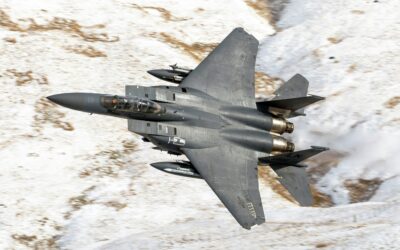
In a harrowing development amidst the rapidly widening regional conflict, U.S. Central Command (CENTCOM) confirmed that three American F-15E Strike Eagle fighter jets were mistakenly shot down by Kuwaiti air defenses late Sunday night. The incident, characterized by officials as a “friendly fire” catastrophe, occurred during a period of intense combat as the U.S. and Israel continue their coordinated military campaign against Iran, dubbed Operation Epic Fury. At The Modern Memo, we break down the chaotic conditions that led to this blunder, the miraculous survival of the flight crews, and what this signals for the stability of the U.S.-led coalition in the Gulf. The Incident: Combat Chaos Over Kuwait The loss of the three aircraft took place around 11:03 p.m. ET on Sunday, March 1, as U.S. forces were navigating a crowded and dangerous airspace. The Fog of War: During the incident, Kuwaiti air defenses were actively engaging incoming Iranian ballistic missiles, drones, and aircraft. In the high-stress environment of active combat, sensors and command systems struggled to distinguish between the friendly F-15s and hostile targets, leading to the catastrophic engagement. Miraculous Survival: Despite the jets being destroyed, all six aircrew members—two per F-15E—successfully ejected. They were recovered by Kuwaiti forces and are currently listed in “stable condition” at local medical facilities. Public Documentation: The incident was verified by raw, circulating footage showing the F-15s spiraling toward the ground in flames, with parachutes visible against the desert sky near Al Jahra, Kuwait. Regional Impact: The Widening Conflict This friendly fire event is the latest flashpoint in a war that has seen Iran strike targets across Bahrain, Qatar, the UAE, and Kuwait in retaliation for the initial U.S.-Israeli strikes that reportedly killed Iran’s Supreme Leader, Ali Khamenei. Casualties and Chaos: While the pilots survived, the broader conflict has taken a toll. U.S. officials have confirmed the deaths of four American service members in separate attacks on regional bases. Global Disruption: The intense military activity has led to the cancellation of thousands of flights across the Middle East, effectively grounding commercial aviation in the Gulf and stranding hundreds of thousands of travelers. Coalition Tension: Kuwait has formally acknowledged the “mistake” and is conducting a joint technical investigation with the U.S. to prevent a recurrence. However, the event highlights the extreme risks of operating in a theater where allied and adversary munitions are crossing paths at high velocities. The Strategy Under Scrutiny As Operation Epic Fury enters its third day, the U.S. administration is facing heightened scrutiny regarding its military strategy and the lack of clear, long-term objectives for this campaign. Operational Strain: Military analysts are pointing to the “ops tempo”—the sheer speed and density of combat operations—as a major contributor to the misidentification of the jets. The “Epic Fury” Outlook: While the White House maintains that the operation will continue until its security objectives are met, the incident has fueled debates in Washington over the necessity of the campaign and the lack of congressional authorization for what is fast becoming a full-scale regional war. Final Word The accidental downing of three American jets is a sobering reality check on the unpredictable nature of modern air combat. When you look past the headlines of “friendly fire” and focus on the data of the misidentified sensor profiles and the saturated combat environment, you gain a clearer picture of why this theater of war is so perilous for all parties involved. Quality information replaces the noise of military speculation with the clarity of official CENTCOM briefings and verified visual evidence. It allows you to see this event as a tragic consequence of an increasingly chaotic battlefield. By choosing to follow the verified facts of the crash investigation rather than the inflammatory claims circulating on social media, you align your perspective with the realities of modern warfare and support a more informed, resilient outlook on this rapidly escalating global situation. Where Facts, Context, and Perspective Matter At The Modern Memo, our goal is simple: to provide clear, well-researched reporting in a media landscape that often feels overwhelming. We focus on substance over sensationalism, and context over commentary. If you value thoughtful analysis, transparent sourcing, and stories that go beyond the headline, we invite you to share our work. Informed conversations start with reliable information, and sharing helps ensure important stories reach a wider audience. Journalism works best when readers engage, question, and participate. By reading and sharing, you’re supporting a more informed public and a healthier media ecosystem. The Modern Memo may be compensated and/or receive an affiliate commission if you click or buy through our links. Featured pricing is subject to change. 📩 Love what you’re reading? Don’t miss a headline! Subscribe to The Modern Memo here!
- 1
- 2