



The Bürgenstock Blueprint: U.S. and Iran Agree to 60-Day Peace Roadmap in Switzerland Despite Trump Threat Matrix
The high-stakes brinkmanship shadowing the Persian Gulf has yielded a remarkable, if highly fragile, diplomatic breakthrough. Following an intensive 18-hour negotiating marathon at the Bürgenstock luxury resort overlooking Lake Lucerne, Switzerland, U.S. and Iranian delegations officially concluded their first round of high-level peace talks by locking in a formal 60-day roadmap toward a comprehensive treaty to end the regional war. The summit—orchestrated under the joint mediation of Pakistan and Qatar—produced immediate, tangible structural guardrails designed to de-escalate the Middle Eastern theater. Chief among the breakthroughs is the creation of a direct military hotline to secure the volatile Strait of Hormuz and a “de-confliction cell” aimed at arresting the war in Lebanon. At The Modern Memo, we break down the operational mechanics of the Bürgenstock blueprint, the immediate sanctions waivers issued by the U.S. Treasury, and the profound policy contradictions between Vice President J.D. Vance’s diplomatic engagement and President Trump’s digital warnings. The Bürgenstock Deliverables: Hotlines and De-Confliction Cells The joint statement released by Pakistani and Qatari facilitators on Monday, June 22, 2026, details a structured framework designed to translate last week’s raw 14-point Versailles Memorandum of Understanding (MOU) into verifiable technical milestones. The 60-Day Runway: The high-level committee established a strict two-month timeline to resolve foundational disputes regarding Iran’s nuclear enrichment limits and long-term economic reintegration. While the principal political leaders have wrapped their initial sessions, lower-level technical working groups remain embedded in Switzerland to flesh out compliance tracking. The Hormuz Safety Valve: To mitigate immediate global energy shocks, the roadmap introduces a dedicated communication line between the U.S. Navy and the Islamic Revolutionary Guard Corps (IRGC). The channel serves as an emergency safety valve to prevent tactical miscalculations inside the world’s most critical oil chokepoint. Iran has pledged its “best efforts” to ensure the safe passage of commercial vessels, walking back a tense weekend threat to close the waterway. The Lebanon Buffer: Recognizing that proxy warfare could easily torpedo the talks, the framework introduces a localized de-confliction cell involving the Lebanese government. This mechanism aims to enforce a sustainable termination of military operations between Israel and Hezbollah, providing the essential geopolitical stability required for broader diplomacy to survive. The Economic Injections: Waiving the Oil Blockade To prove Washington’s immediate material commitment to the roadmap, the executive branch authorized swift, high-impact economic relief mechanisms right as the high-level talks concluded. The 60-Day Oil License: The U.S. Treasury officially issued a dynamic 60-day general license waiving structural sanctions targeting Iranian petroleum. The temporary mandate legally authorizes the production, delivery, and transparent commercial sale of Iranian crude through August 21, 2026—a move market analysts predict will instantly suppress global energy prices. The Assets and Reconstruction Framework: Iranian Foreign Minister Abbas Araghchi took to social media to celebrate what he termed a “major structural shift,” asserting that the U.S. had agreed to lift port blockades, release a portion of frozen sovereign financial assets, and support an expansive post-war reconstruction and development plan for the Iranian domestic market. The Double-Track Strategy: Vance’s Diplomacy vs. Trump’s Bombers The primary variable threatening the durability of the Bürgenstock roadmap is the starkly polarized messaging strategy simultaneously deployed by the White House and its negotiating team in the field. While Vice President J.D. Vance—who personally led the U.S. team alongside Jared Kushner—praised the Swiss talks as having established a “good foundation for a successful final house,” President Trump maintained a hyper-aggressive public posture on social media. Trump explicitly warned Tehran that if its regional proxies continued to instigate clashes in Lebanon, the U.S. military would resume targeted bombings. “If they don’t, we’ll hit Iran very hard again, just like we did last week, only harder!!!” Trump posted. The bellicose rhetoric briefly derailed direct talks, prompting Iranian Lead Negotiator Mohammad Bagher Ghalibaf to walk out of a session in protest before returning via international mediators. Ghalibaf issued a sharp warning of his own, advising the White House to be “careful with their statements” and noting that Iran’s armed forces are fully prepared to respond to any resumption of American hostility. Final Word The finalization of the 60-day Bürgenstock roadmap is the definitive proof that the administration is executing a classic double-track strategy: using Vice President Vance to methodically construct a complex diplomatic exit ramp while President Trump holds a cocked military revolver to the adversary’s head. When you look past the theatrical public warnings and examine the raw financial and structural metrics—a legally binding 60-day timeline backed by the immediate lifting of oil sanctions, the institutionalization of a direct naval hotline in the Strait, and an explicit de-confliction framework for Lebanon—you gain an unvarnished view of a superpower systematically locking in its leverage. Quality information replaces the fear of an inevitable regional war with the reality of highly calculated transactional diplomacy. Washington has successfully brought Tehran to a written schedule; the next two months will prove whether this roadmap is the foundation of a historic peace, or merely a temporary pause before the bombers are ordered back into the sky.

The One-Month Ultimatum: Chicago’s Deadly Juneteenth Weekend Sparks Fierce Federal-State Law Enforcement Clash
A bloody and chaotic extended holiday weekend in Chicago has plunged the nation’s third-largest city back into a bitter national debate over violent crime and federal military intervention. A heavy spate of shootings across the city over the Juneteenth holiday left at least 7 people dead and 38 others injured, triggering immediate, aggressive condemnation from Washington. Taking to Truth Social on Sunday morning, President Donald Trump lambasted Illinois Democratic Governor J.B. Pritzker for administrative inaction and repeatedly refusing federal assistance. Trump claimed that if given authorization to deploy structural military backing, his administration could permanently stabilize the city in a matter of weeks. At The Modern Memo, we break down the raw crime data from the holiday weekend, the mechanics of a horrific South Side mass shooting, and the intensifying constitutional standoff over urban National Guard deployments. The Holiday Toll: Drive-By Massacres and Rapid Violence The surge of violence completely overshadowed what local leaders intended to be a weekend of peaceful community celebration, including the high-profile opening of the Barack Obama Presidential Center on the South Side. The Princeton Park Drive-By: The most severe single incident materialized late Friday night near 95th Street and Wentworth Avenue. According to the Chicago Police Department (CPD), an SUV pulled up to a crowd gathered for a Juneteenth celebration and opened fire, unleashing a hail of bullets that left more than 100 shell casings on the pavement. The mass shooting wounded 12 people, ranging in age from 17 to 47. The Body Count: Preliminary metrics shared by CPD investigators confirmed at least two dozen separate shooting incidents across the extended weekend window. Among those killed by gunfire were a 50-year-old man shot in the chest on Friday, an 18-year-old shot in the armpit on Saturday evening, and a 21-year-old fatally struck in the chest on Sunday. The Mayoral Reaction: Chicago Mayor Brandon Johnson heavily condemned the bloodshed on social media, expressing deep frustration over the disruption of the holiday. “What should have been a night of celebration and community reflection for Juneteenth was shattered by a horrific act of violence,” Johnson stated. The Truth Social Broadside: “In ONE MONTH” The holiday statistics instantly caught the attention of the White House, prompting President Trump to revive his long-standing, aggressive push to override local municipal control with federal forces. “Lots of killing going on in Chicago,” Trump wrote Sunday morning. “Why isn’t Governor Pritzker calling me for help. I could make Chicago a safe City in ONE MONTH, in ONE YEAR, it would be one of the safest!!!” The Enforcement Precedents: The administration’s rhetoric is backed by a series of ongoing deployments. Under Trump’s current term, National Guard troops have already been aggressively sent on specific crime-fighting and perimeter-control missions inside several Democrat-led metropolitan hubs, including New Orleans, Memphis, and Washington, D.C. The Legal Standoff: The White House has consistently targeted Illinois executive leadership for failing to sign off on similar measures. Governor Pritzker—a prominent national Democrat and a frequently discussed contender for the 2028 presidential cycle—has repeatedly and fiercely rebuffed the administration’s pressure, labeling previous deployment attempts as an unconstitutional overreach of federal executive power. The Data Divide: Rising Friction vs. Falling Long-Term Trends The political battle over Chicago’s law-and-order landscape highlights a profound statistical divide between recent short-term holiday spikes and the city’s broader, long-term crime trajectories. While Trump’s Truth Social post pointed to a city in total collapse, independent think tanks and criminal justice analysts suggest the reality is more nuanced. While current CPD data indicates a slight, single-digit increase in shooting incidents compared to the exact same tracking period last year, Chicago’s overall violent crime rates have actually experienced a downward trajectory over the past three years—paralleling a broader, post-pandemic stabilization seen nationwide. However, for local violence prevention groups like the Peacekeepers and Violence Interrupters, the nuances of long-term percentages mean little when communities are actively ducking drive-by gunfire. Local aldermen and community leaders note that the continuous, high-volume shell casing counts left behind on holiday weekends demonstrate that access to illegal, modified firearms remains an unsolved emergency that local authorities are struggling to contain on their own. Final Word The deadly Juneteenth weekend in Chicago is the definitive proof that local progressive administrative strategies remain highly vulnerable to acute, devastating bursts of urban violence. When you look past the standard political spin and focus entirely on the hard data—7 people dead and 38 wounded over a single holiday weekend, 100 shell casings recovered from a single South Side street corner, and a president offering a one-month military stabilization blueprint—you gain an unvarnished view of a profound leadership failure. Quality information replaces the hollow platitudes of “community healing” with the cold reality of a paralyzed executive branch. By repeatedly rejecting federal National Guard support while families bleed out in Princeton Park, Governor Pritzker and local officials are forcing everyday citizens to pay the ultimate price for an ongoing partisan pride war.

Cultural Culture Shock: Why European Soccer Fans Are Falling in Love With America During the 2026 World Cup
For months leading up to the 2026 FIFA World Cup, elite international critics and media cynics predicted a logistical and cultural disaster as millions of soccer fans descended upon North American shores. Yet, just weeks into the tournament, a massive, hilarious, and deeply heartwarming counter-narrative is taking over the internet. Instead of complaining about car-centric cities or stadium distances, European travelers are documenting their absolute awe of everyday American culture. From the sprawling highways of the American South to the historic sports hubs of the Northeast, international visitors are finding a level of hospitality, consumer paradise, and mind-boggling convenience that has left them completely obsessed. At The Modern Memo, we track the viral internet trends, the mega-gas station pilgrimages, and the simple daily comforts turning cynical European tourists into red-blooded fans of the U.S. of A. The Buc-ee’s Pilgrimage: “Disney World Wrapped in a Gift Shop” Perhaps the most unexpected viral sensation of the 2026 World Cup has been the international discovery of Buc-ee’s, the gargantuan convenience store chain dotting the American South. The Stunned Scots: When hotel rooms in Boston proved too expensive for traveling Scotland fans—known globally as the Tartan Army—many migrated down the coast or into neighboring regions, eventually colliding with the phenomenon of the southern hyper-gas station. Videos of Scottish fans standing wide-eyed in front of walls of beef jerky and automated brisket stations have garnered millions of views. The Magic Formula: One viral Scottish tourist perfectly encapsulated the culture shock, describing Buc-ee’s to his followers as “a gas station mixed with Disney World wrapped in a gift shop.” European travelers, accustomed to cramped petrol stations with limited selections, have expressed absolute amazement at the impeccably clean bathrooms, endless fountain drink options, and caramel-corn “Beaver Nuggets.” Tailgating Takeover: The legendary European football fan culture has seamlessly blended with the classic American tailgate. In parking lots from Atlanta to Houston, foreign fans are being welcomed with open arms by pickup-truck-owning locals, learning the fine arts of cornhole, competitive grilling, and slow-smoked barbecue. The Fountain of Abundance: Infinite Refills and Mountainous Ice Beyond the stadium lights, it is the standard, mundane features of American casual dining that are genuinely blowing the minds of European visitors. The Free Refill Apocalypse: In most European countries, every single soda, water, or juice ordered at a restaurant is billed individually. The concept of the American “free refill” has hit foreign tourists like a financial miracle. Viral videos feature Italian and British fans visibly losing their minds as waitresses cheerfully top off their drinks for free. The Ice Obsession: Europe is notoriously conservative with its ice usage, often serving beverages completely ambient or with a single, lonely cube. The American commitment to filling a 32-ounce cup to the brim with crushed ice—especially through the endless varieties of a Wendy’s Coca-Cola Freestyle machine—has been described by visiting German fans as an “out-of-earth experience.” The Scale of the Menu: From late-night runs to Waffle House after a thrilling match to discovering the culinary engineering of a Taco Bell Crunchwrap Supreme, the sheer volume and unapologetic flavor profiles of American fast-casual food have left European food critics surprisingly impressed. The Melting Pot and Genuine Hospitality While the food and massive portion sizes are a fun internet meme, the underlying warmth of the American populace is what has truly dismantled the negative stereotypes perpetuated abroad. Radical Friendliness: Across social media, European expats and traveling fans have noted that the sheer approachability of everyday Americans is unmatched. Whether it’s hotel staff helping stranded fans find alternative lodging in Providence, Rhode Island, or locals adopting the Algerian team base camp in Lawrence, Kansas, the hospitality has been overwhelmingly positive. A Sewer No More: For the first time in years, major social media platforms have seen a dramatic drop in toxic division as thousands of videos show international fans partying in the streets with American soccer converts. The global fan base is finding that whatever they saw on the news about a divided, dystopian America completely evaporates when meeting real people on the ground. The Ultimate Sports Atmosphere: Even traditional skeptics who used to mock the American term “soccer” are conceding that the U.S. knows how to put on a show. The massive high-definition jumbotrons, the comfort of modern stadiums like the Los Angeles Stadium in Inglewood, and the endless availability of bottomless chips and salsa have redefined what a matchday experience looks like for the global elite. Final Word The unbridled joy of European soccer fans traveling through America is the definitive proof that firsthand experience will always triumph over media-driven cynicism. When you look past the pessimistic pre-tournament headlines and focus entirely on the hard data—over a million international tourists blending seamlessly into American communities, unprecedented viral love letters to southern gas stations and diners, and spontaneous street celebrations replacing predicted hostility—you gain an unvarnished view of a deeply welcoming nation. Quality information replaces the progressive narrative of a culturally barren America with the reality of an optimistic, consumer-friendly powerhouse that still knows how to show the world a good time. It shouldn’t take a stadium full of bagpipe-playing Scots or amazed German tourists to remind us of what makes the United States special, but watching them fall in love with our country is a powerful reminder that the American spirit is as beautiful and vibrant as ever.

The Deflation Crisis: Rapid Fat Loss From GLP-1 Drugs Sparks Surge in ‘Ozempic Ears’ and Total-Body Skin Laxity
The historic pharmaceutical breakthrough of glucagon-like peptide-1 (GLP-1) receptor agonists like Ozempic, Wegovy, and Mounjaro has permanently redefined the medical treatment of chronic obesity. By mimicking natural satiety hormones to curb appetite, these blockbuster injections have allowed millions of patients to shed massive amounts of body weight rapidly. Yet, as patients step off the scale celebrating their medical triumphs, a distinct and secondary crisis is unfolding inside the nation’s aesthetic medicine clinics. Top cosmetic and plastic surgeons warn that rapid, dramatic fat loss from GLP-1 treatments is leaving an influx of patients with severe structural skin deflation across their entire bodies. This rapid evacuation of soft tissue has introduced a wave of bizarre new anatomical complaints—headlined by the rise of “Ozempic ears”—and created an unprecedented boom in total-body surgical skin-tightening. At The Modern Memo, we break down the physiological metrics of GLP-1 tissue deflation, the odd phenomenon of earlobe wrinkling, and the high-stakes surgical requirements necessary to tailor a patient’s skin to their new, smaller frame. The New Frontier: Wrinkled Lobes and ‘Ozempic Ears’ While the public has grown familiar with the hollowed-out, gaunt facial contours colloquially known as “Ozempic Face,” the aggressive fat loss is now migrating to unexpected anatomical pockets. The Sinking Lobe: Prominent plastic surgeons report a sudden spike in patients demanding cosmetic intervention for their earlobes. The human earlobe contains a highly concentrated pocket of structural fat tissue. When a GLP-1 drug forces a rapid, global systemic fat reduction, this padding deflates. The Accessory Drop: The sudden structural collapse leaves the skin of the ear looking loose, elongated, and severely wrinkled—a phenomenon dubbed “Ozempic ears” across social media and medical podcasts. Patients routinely complain that their earlobes can no longer structurally support standard earrings, which now droop downward or tear through the loose tissue. The Quick Fix: To combat the deflation, dermatologists and cosmetic surgeons are increasingly utilizing off-label dermal filler injections, pumping hyaluronic acid directly into the deflated lobes to instantly plump the skin and restore a youthful, taut contour. Total-Body Laxity: When Skin Fails to Retract The structural aesthetic trade-offs of GLP-1 induced weight loss extend far beyond the face, posing massive physical challenges for the human body’s largest organ. The Elasticity Gap: When an individual sheds 50, 70, or over 100 pounds through traditional diet and exercise or a slow lifestyle transition, the skin is occasionally afforded the structural buffer time to incrementally contract. However, GLP-1 drugs cause a rapid mass fat evacuation that easily outpaces the skin’s natural elastic limits, leaving behind massive, empty aprons of redundant skin. Breast and Gluteal Deflation: Board-certified plastic surgeons note that areas with a high density of soft tissue are hit the hardest. “Ozempic breast deflation” and “Ozempic butt” have become heavily documented clinical realties, characterized by a complete loss of upper-pole fullness, severe breast ptosis (sagging), and a flattening of the gluteal contours as the underlying fat matrix vanishes. The SMAS Layer Anomaly: More worryingly, some operating room specialists have noted an alarming structural trend during surgical procedures. Several U.S. surgeons report that long-term GLP-1 users appear to possess a weaker, more fragile Superficial Musculoaponeurotic System (SMAS) layer—the critical connective tissue and muscle matrix that structurally supports the face. A compromised SMAS layer makes structural facelift procedures significantly more complex and difficult to anchor. The Next Chapter: The Post-Medication Surgical Boom Because minimally invasive procedures like standard liquid fillers are entirely insufficient to correct severe, hanging skin folds, weight-loss medication is rapidly altering the pipeline of the plastic surgery economy. Deflated Zone Common Corrective Surgical Procedure Face & Jawline Deep Plane Facelift & Neck Lift Abdomen & Flanks Abdominoplasty (Tummy Tuck) or Lower Body Lift Chest & Torso Mastopexy (Breast Lift) often paired with implants Arms & Extremities Brachioplasty (Arm Lift) & Thigh Lift The Six-Month Rule: Despite the surge in demand, responsible surgeons are forcing a strict regulatory brake on eager patients. Operating on a patient while they are still actively losing weight on a GLP-1 regimen is considered a major surgical hazard. It introduces severe risks of poor wound healing, dynamic nutritional deficiencies, and secondary skin stretching if weight metrics continue to fluctuate. The Stabilization Mandate: Plastic surgery consensus guidelines now strictly dictate that a patient must achieve a totally stable target weight and maintain it consistently for a minimum of six months before clearing them for extensive body contouring operations. Final Word The explosive rise of “Ozempic ears” and total-body skin deflation is the definitive proof that rapid pharmaceutical intervention cannot outrun the fundamental laws of human anatomy. When you look past the glossy marketing campaigns showcasing effortless weight loss and look directly at the clinical data—a massive wave of patients left with severely loose skin, the complete collapse of structural fat in delicate zones like the earlobes, and the operational realities of multi-stage body lifts—you gain an unvarnished view of a profound aesthetic trade-off. Quality information replaces the social media hype of a “magic cure” with the reality of an unfolding, multi-step physical transformation. Injectable weight-loss drugs are highly effective at executing the first chapter of a health transformation, but they are leaving a generation of patients reliant on the plastic surgeon’s scalpel to tailor the final results.

‘Pure Hell’ in Moscow: Ukrainian Drone Swarm Blasts Capital’s Main Refinery, Crippling Fuel Market
The war of economic attrition has breached the gates of the Russian capital. In one of the most structurally devastating and massive aerial barrages since the outbreak of hostilities, a sophisticated swarm of over 130 Ukrainian drones systematically penetrated the dense, layered air defense networks shielding Moscow. The primary target was the strategically vital Moscow Oil Refinery (MNPZ) in the southeastern Kapotnya district—the crown jewel of the capital’s domestic energy grid. The successful strike sent catastrophic firestorms through the processing units, grounding commercial aviation, leaving at least 16 people injured across the region, and forcing a panicked Kremlin to deploy machine-gunners around Red Square. At The Modern Memo, we break down the operational data from the high-desert-style drone corridor, the critical failure of Moscow’s missile defenses, and how the destruction of the Kapotnya refinery plunges Russia’s domestic fuel market into a 21-year low. The Chaos: “Pure Hell” and Fortress Moscow The assault shattered the illusion of safety for everyday Muscovites, lighting up the sky between 4:00 a.m. and 7:00 a.m.. The Inhabitant Terror: “This is pure hell, I’ve never felt such terror,” one traumatized Moscow resident reported to local outlets as the shockwaves rattled high-rise apartment complexes across the metropolitan area. In nearby Balashikha, residents woke up to a toxic “black rain,” capturing footage of streets, infrastructure, and civilian vehicles completely blanketed in a dark, greasy chemical residue. The Red Square Lockdown: Fear of a decapitation strike or saboteur infiltration prompted an immediate military lockdown of the state’s political core. Armed security forces completely sealed off Red Square, positioning heavy machine-gunners on Kremlin towers, ramparts, and directly adjacent to Vladimir Lenin’s Mausoleum. The Aviation Freeze: The scale of the threat forced aviation authorities to slam the brakes on commercial travel. Hundreds of flights were instantly suspended, and temporary air-traffic restrictions were slapped across all major Moscow international hubs. The Casualty Count: Moscow Region Governor Andrei Vorobyov confirmed that at least 16 people sustained various injuries across the territory as falling shrapnel and drone impacts damaged residential sectors and private homes. The Strike Mechanics: Straining the Densest Air Defense Grid Moscow famously boasts the tightest, most redundant air defense umbrella in the Russian Federation. Yet, Kyiv’s multi-layered tactics completely overwhelmed the system. The Numbers Game: Moscow Mayor Sergey Sobyanin claimed air defenses downed over 130 drones, while Russia’s Defense Ministry alleged 550 intercepts nationally. However, the sheer volume of the swarm intentionally saturated local radar capabilities. The Jet-Drone Evolution: This operation wasn’t just limited to slow, propeller-driven long-range drones. Ukraine deployed its advanced, jet-powered missile-drones—including the Bars hybrid cruise-missile drone. Traveling at vastly higher velocities, these hybrid assets give Russian Pantsir and S-400 crews mere seconds to react. The Close-Quarter Scramble: Viral footage uploaded by terrified onlookers showed a Russian soldier desperately trying to shoulder-launch a MANPADS anti-aircraft missile at an incoming drone from a nearby roof, failing to intercept the weapon seconds before it plowed directly into the refinery infrastructure. The Economic Hit: Paralyzing the Capital’s Fuel Lifeline For Ukraine, targeting the MNPZ facility in Kapotnya is a calculated mathematical play designed to choke off the literal fuel of the Russian war machine. The 40% Deficit: The Kapotnya refinery is the exclusive fuel engine of the capital, single-handedly supplying up to 40% of Moscow’s commercial gasoline and nearly 50% of its diesel needs. The Double Tap: Crucially, this strike marked the second time in a single week that Ukrainian drones successfully hit the facility. Already operating at heavily degraded capacities from the prior raid, the secondary detonation of a major fuel tank caused a partial or total operational shutdown. The 21-Year National Low: The compounding destruction of Russia’s refining nodes has triggered a massive systemic emergency. Russia’s overall refining output has plummeted below 4 million barrels per day—crashing to its lowest mark in 21 years. Approximately one-third of Russia’s total domestic refining capacity is now offline or severely crippled, leaving more than 25 distinct Russian regions wrestling with acute fuel shortages and forcing the Kremlin to look into importing gasoline by sea to prevent domestic market collapse. Final Word The catastrophic strike on the Moscow Oil Refinery is the definitive proof that Ukraine has successfully brought the material costs of the war directly to the doorsteps of the Russian elite. When you look past the standard Ministry of Defense claims of “total interception” and focus entirely on the raw data—a critical fuel hub that satisfies 40% of the capital’s market left in flames, Russian refining capacity crippled to a 21-year low, and machine-gunners guarding Lenin’s tomb from an aerial swarm—you gain an unvarnished view of a shifting conflict. Quality information replaces the Kremlin’s narrative of a contained, faraway “special operation” with the reality of an empire struggling to defend its own airspace. Kyiv has demonstrated that no amount of state media censorship can hide the smoke rising over Moscow, and as long as Russian oil funds the frontline, the skies above the capital will continue to burn.
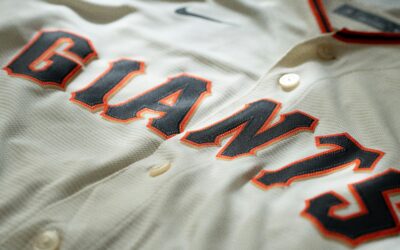
The Rainbow Covenant: MLB Sparks Holy War After Cracking Down on Pitchers’ Pride Night Bible Verses
The ongoing cultural battle over corporate social messaging and religious expression has officially landed on the pitching mound. In a move that has ignited an immediate national firestorm, Major League Baseball (MLB) intervened against three San Francisco Giants pitchers who used their official “Pride Night” uniforms to display a handwritten biblical message. While widespread rumors across social media initially claimed the athletes faced immediate financial penalties, the league clarified that it has stopped short of issuing direct fines, opting instead for a formal, verbal warning regarding uniform violations. However, the warning has drawn intense backlash from federal lawmakers and conservative public figures, with high-profile celebrities stepping forward with open checkbooks to cover any future financial blowback. At The Modern Memo, we break down the tactical uniform choices made by the Giants’ pitching staff, the exact biblical text that triggered the league’s rulebook, and the growing political fallout hitting the commissioner’s desk. The Display: Etching Genesis Onto the Rainbow The controversy unfolded at Oracle Park during the Giants’ annual Pride Night game against the Chicago Cubs. As part of the team’s promotion to support the LGBTQ+ community, players were issued special-edition caps featuring a rainbow-colored version of the classic interlocking “SF” logo. The Pitching Trio: Starting pitcher Landen Roupp, along with relievers JT Brubaker and Ryan Walker, took the field with handwritten white lettering clearly etched directly onto their caps. The Rainbow Passage: The inscription read “Gen 9:12-16,” a direct reference to the Book of Genesis where God establishes the rainbow as the physical sign of His eternal covenant with humanity following the great flood. On Roupp’s cap, the text was strategically written so it partially overlapped the team’s rainbow logo. The Opt-Out Option: Highlighting the internal divide within the clubhouse, a fourth Giants pitcher, left-hander Sam Hentges, completely declined to wear the Pride-themed cap altogether. Instead, Hentges took the mound wearing the team’s standard, traditional black and orange cap. The Rulebook Defense: Content-Neutral vs. Double Standards Following a wave of viral social media coverage, MLB’s corporate offices quickly moved to enforce compliance, triggering an immediate debate over free speech in professional sports. The Verbal Warning: Pat Courtney, MLB’s chief communications officer, confirmed that the league officially flagged the writing as a uniform violation. “The writing on the cap violates our rules and consistent with normal practice we have warned the players about future violations,” Courtney stated in an official dispatch. The No-Writing Mandate: To defuse allegations of targeted religious discrimination, the league issued a secondary statement emphasizing that its uniform policy is strictly content-neutral. Under MLB uniform regulations, players are completely barred from writing, embroidering, or affixing any personal messages, nicknames, or family names onto their apparel or game gear. The league noted it has handed down identical warnings in the past to players writing messages like “Dad” or “Happy Mother’s Day”. The Stand on Faith: Speaking to reporters after the game, Roupp stood firm on his actions, emphasizing that the display was an expression of personal belief rather than an act of hostility. “There’s no hate at all, it’s just what I stand for and what I stand on,” Roupp explained. “I believe in God. It’s just about God’s covenant and a promise that he makes to us.” The Political Fallout: Checkbooks and Congressional Letters The league’s intervention has completely transformed a routine uniform enforcement action into a polarized, national debate over religious freedom and corporate overreach. Schneider’s Open Checkbook: As rumors of hypothetical financial penalties circulated online, actor and comedian Rob Schneider publicly blasted the league on social media, labeling the organization “anti-Christian”. Schneider vowed to personally bankroll any future financial fallout hitting the athletes: “I will pay the fines for any @MLB Christian player who wears a Bible verse on their uniform.” Hawley Demands Answers: On Capitol Hill, U.S. Senator Josh Hawley (R-Mo.) sent a scathing letter to MLB Commissioner Robert Manfred, demanding an exhaustive review of the league’s disciplinary history. Hawley accused the league of enforcing a “dubious” double standard, pointing out that the MLB openly designs and promotes political and social viewpoints on the field while aggressively reaching for the rulebook the second a player expresses traditional Christian beliefs. The Executive Threat: Vice President J.D. Vance also injected himself into the controversy, signaling that the administration views the crackdown as part of an outdated cultural paradigm, posting on X: “Trump won, we don’t have to do this anymore.” Final Word The MLB’s swift intervention against the San Francisco Giants pitchers is the definitive proof that the intersection of corporate branding and personal faith remains a volatile powder keg. When you strip away the social media hyperbole claiming the players were heavily fined and look strictly at the data—three pitchers using a specific biblical verse to reclaim the original meaning of the rainbow, a league scrambling to enforce a rigid, content-neutral uniform policy, and federal lawmakers demanding an accounting of the league’s disciplinary history—you gain a clear view of an institutional elite caught in a trap of its own making. Quality information replaces the outrage narrative with a lesson in structural boundaries. It allows you to see that when a professional sports league chooses to turn its official uniforms into a billboard for cultural causes, it forfeits the moral authority to act surprised when players use that exact same canvas to declare their allegiance to God.

The Financial Shadow: Convicted Killer Karmelo Anthony Claims Indigency While Parents’ Business Records Draw Heat
The legal fallout surrounding the high-profile Collin County murder conviction of Karmelo Anthony has taken a highly contentious financial turn. Days after a 12-member Texas jury handed the 19-year-old a 35-year prison sentence for the fatal high school track meet stabbing of 17-year-old Austin Metcalf, a fresh battle has erupted over taxpayer-funded legal assistance and the internal movement of hundreds of thousands of dollars in crowdfunding cash. As Anthony’s appellate legal team formally filed an intent to challenge the first-degree murder verdict, the convicted teenager concurrently submitted an official notice of indigency to the state. In the court filings, Anthony described himself as a “penniless, destitute, and indigent person, too poor to employ counsel to represent me on the appeal,” demanding that the state supply him with a taxpayer-funded public defender. The declaration of poverty has instantly collided with an explosive investigative review of corporate filings. Public records reveal that less than a month after Metcalf was stabbed to death, Anthony’s parents quietly activated a Texas business entity, drawing intense scrutiny regarding the exact distribution of more than $630,000 raised by online supporters. At The Modern Memo, we analyze the corporate paper trail surrounding the Anthony family, the massive crowdfunding campaign shielded from public view, and the legal hurdles standing between a convicted murderer and state-sponsored appellate funding. The Twenty-Four Day Window: Activating Angelic Obsessions The primary catalyst driving public outrage and tracking the money trail centers on the business registration histories of the defendant’s parents, Andrew Anthony III and Kala Hayes. The Timeline: Austin Metcalf was killed during a rainy track meet confrontation in Frisco, Texas, on April 2, 2025. Corporate filing histories reviewed by investigative reporters show that exactly 24 days later—on April 26, 2025—the killer’s parents formally activated a corporate entity titled Angelic Obsessions LLC inside the state of Texas. The Registration Profiles: The business filings listed Andrew Anthony III directly as the company’s registered agent, operating out of a residential office address located in Arlington, Texas. The Inactive Precedents: Out-of-state records reveal a volatile regulatory past for the entity. A business by the exact same name was originally organized by the parents in Louisiana back in July 2021, but it was permanently revoked and declared inactive by the Louisiana Secretary of State in November 2024—just five months before the fatal stabbing occurred. A secondary family firm, Exclusive Luxury Services LLC, underwent a similar cycle of administrative actions, experiencing a final state revocation in late 2023. The corporate data does not explicitly prove that any crowdfunding proceeds were routed directly into or through Angelic Obsessions LLC, and the parents have not been criminally charged with any financial misconduct. However, the immediate reactivation of an inactive out-of-state firm right as the family’s legal crisis exploded has fueled immense suspicion among local watchdogs. The Crowdfunding Empire: Where Did $633,000 Go? The core contradiction making Anthony’s “penniless” declaration a massive target of skepticism is the sheer scale of the financial engine mobilized on his behalf over the past year. The GiveSendGo Windfall: Less than two weeks after Anthony’s arrest, an online campaign titled the “Help Karmelo Official Fund” was established on GiveSendGo. Propelled by viral social media campaigns pushing a self-defense narrative, the fundraiser successfully generated a staggering $633,908 in total donations before the platform permanently scrubbed the page from public view following the guilty verdict. The Living Expenses Clause: Online critics aggressively accused the family of exploiting the donations, spreading viral claims that the parents used the legal fund to purchase a luxury home. While investigators disproved the home-purchase rumors—confirming the family currently leases a rental property—the fundraiser’s original fine print explicitly authorized the money to be used for basic lifestyle upgrades. The organizers noted funds would cover family relocation costs, security enhancements, transportation, and routine daily living expenses. The Platform’s Verdict: In a formal public statement addressing the suspension of the account, GiveSendGo verified that the money had been completely dispersed to the family over the past year. “The fundraiser was created to support pre-trial needs, and those funds were dispersed over the past year for lawful purposes, including legal defense and family relocation,” the company stated, adding that because the trial was over, the fundraiser’s stated purpose was now fully complete. The Indigency Paradox: Can a $600K Defendant Get a Free Lawyer? With more than half a million dollars documented as having entered the family’s ecosystem, Anthony’s formal petition for a free appellate lawyer faces an uphill, rigid evaluation by Texas judicial authorities. The Statutory Definition: Under the Texas Code of Criminal Procedure, a defendant is only considered indigent if they cannot afford the baseline cost of hiring private counsel and paying for necessary appellate trial transcripts without depriving themselves or their dependents of basic food, shelter, and clothing. The Separation of Assets: Legally, the $633,000 was donated directly to the parents’ fundraiser, not to a trust owned explicitly by 19-year-old Karmelo. Because Anthony was a minor at the time of the offense and remains incarcerated at a Texas Department of Criminal Justice facility, his defense team can technically argue that he has zero independent income, zero physical bank accounts, and zero personal control over his family’s assets. The Nightmare Defense: Meanwhile, Anthony’s parents have broken their silence to launch an aggressive media tour across progressive platforms like The Breakfast Club, claiming they are living through a “nightmare” and insisting their son was completely railroaded by an all-White jury and lying witnesses. Andrew Anthony III explicitly refused to comment to reporters regarding the status of the remaining GiveSendGo proceeds or why the Texas LLC was opened, while prosecutors from the Collin County District Attorney’s office maintain that justice was thoroughly served in accordance with the law. Final Word The financial whiplash defining the aftermath of the Karmelo Anthony trial is the definitive proof that true transparency is the ultimate enemy of narrative-driven activism. When you look past the emotional defenses of a “flawed trial” and focus entirely on the raw data—a convicted murderer claiming to be…

The Shadow Primary: Why Ted Cruz is Breaking with Trump in Southern Gubernatorial Runoffs
The Republican Party’s internal battle for its long-term ideological center has quieted nationally, but it is reaching a fever pitch in the primary runoffs of the American Deep South. In a striking departure from standard party unity, U.S. Senator Ted Cruz (R-TX) has waded directly into high-stakes gubernatorial runoff elections in Georgia and South Carolina, backing insurgent conservative candidates running in direct opposition to President Donald Trump’s chosen picks. The sudden divergence has upended local races and put a national spotlight on a subtle, calculated test of regional influence between the populist MAGA kingmaker and the constitutional-conservative vanguard. At The Modern Memo, we break down the localized data defining the proxy battles in Atlanta and Columbia, how the two titans view the ideological definition of a “strong conservative,” and why Cruz insists this isn’t a declaration of war against the standard-bearer of the party. The Georgia Gridlock: Billionaire vs. The Electors Slate The most expensive and bitter proxy fight is playing out in the Peach State’s gubernatorial runoff, where a jaw-dropping $160 million combined campaign bill has turned a state race into a national laboratory. The Trump Anchor: President Trump has thrown his absolute executive backing behind Georgia Lieutenant Governor Burt Jones. Jones’ endorsement is heavily downstream of personal loyalty; he was a core member of Trump’s alternate Electoral College slate following the contested 2020 election cycle. “Burt has been with us from the very beginning,” Trump declared in a pre-election Truth Social statement. The Cruz Insurgency: Conversely, Senator Cruz traveled to Alpharetta, Georgia, to explicitly stump for billionaire healthcare executive Rick Jackson. Jackson, who has self-funded nearly $100 million of his own net worth into the campaign, has adopted a hardline, populist-outsider approach. “Rick looked at what’s happening… and he said we could lose our state,” Cruz told roaring crowds. The Kemp Variable: Adding to the structural chaos, sitting Georgia Governor Brian Kemp has also broken with Trump, aligning with Cruz to back Jackson. Kemp argues that wealthy, anti-establishment political outsiders have historically demonstrated the strongest metrics when attempting to defeat entrenched Democratic opponents in general elections. The South Carolina Split: The Attorney General vs. The Lieutenant Governor The divergence repeats almost identically across the state line in the Palmetto State’s upcoming Republican gubernatorial nomination runoff. Trump’s Pick: Looking to assert absolute control over South Carolina’s executive branch, President Trump endorsed Lieutenant Governor Pamela Evette. Evette has positioned herself as the institutional continuity candidate, running on a platform deeply intertwined with mainstream MAGA policy frameworks. Cruz’s Constitutionalist Selection: Rather than fall in line, Cruz formally backed longtime South Carolina Attorney General Alan Wilson. Wilson, a fixture of the state’s traditional conservative legal establishment, represents the exact flavor of strict, constitutionalist law-and-order politics that first launched Cruz into the national consciousness. The Cruz Defense: “The Strongest Conservative Who Can Win” As mainstream media networks immediately framed the dual endorsements as a calculated preview of a post-Trump power struggle within the GOP, Cruz went on a swift public relations offensive to defuse the primary-war narrative. The Mainstream Media Narrative Senator Ted Cruz’s Tactical Defense Factional War: Cruz is actively trying to separate himself from Trump and build a distinct anti-Trump coalition. Vast Agreement: Cruz explicitly states he agrees with Trump on the “vast majority of races” across the country. Picking Fights: The endorsements are designed to deliberately trigger and pick ideological fights with Mar-a-Lago. “Not Remotely”: Cruz insists he is not picking a fight, pointing out that both he and Trump are unified in other major races. Loyalty Metrics: Trump selects candidates based on structural personal loyalty and historic electoral alignments. Electability Metrics: Cruz asserts his system focuses entirely on finding “the strongest conservative who can win.” For Cruz, the calculus isn’t about subverting Trump; it is about protecting the ideological purity of the down-ballot ecosystem. The Texas senator’s endorsement strategy continues to prioritize ideological rigidity and movement-conservatism over pure populist alignment. By backing Rick Jackson’s self-funded independence or Alan Wilson’s legal track record, Cruz is betting that state-level primary voters still hunger for institutional, policy-driven conservatism rather than candidates whose main qualification is proximity to the top of the ticket. Final Word Ted Cruz’s calculated departures in Georgia and South Carolina are the definitive proof that the Republican Party remains an empire of competing internal dynamics, even under a dominant national banner. When you look past the noise of the “GOP Civil War” headlines and focus entirely on the hard data—a $160 million self-funded media blitz in Georgia, dueling endorsements splitting the sitting governor and the president, and a Texas senator defining conservatism by policy rather than personal loyalty—you gain an unvarnished view of a party refining its regional identity. Quality information replaces the theatrical narrative of a fractured party with the reality of standard, healthy primary friction. It allows you to see that while Trump commands the national stage, figures like Ted Cruz and Brian Kemp are actively molding the sub-structures of state power. By refusing to yield the gubernatorial mansions of the South without a primary debate, Cruz has reminded the conservative base of a permanent political rule: loyalty may win a headline, but it is ideological conviction and local electability that must ultimately govern the state.

High Desert Disaster: B-52 Stratofortress Bomber Crashes Upon Takeoff at Edwards Air Force Base
A catastrophic military aviation mishap has struck the heart of the American aerospace testing grid. On Monday, June 15, 2026, a U.S. Air Force B-52 Stratofortress heavy bomber crashed shortly after taking off from the main airfield at Edwards Air Force Base in Southern California. The incident triggered an immediate, large-scale emergency response. While details regarding the fate of the crew remain fiercely guarded by military officials, the crash has sent shockwaves through the defense community, marking a rare and severe hull loss for the Air Force’s most enduring strategic bomber fleet. At The Modern Memo, we examine the raw timeline of the crash, the strategic testing footprint of Edwards Air Force Base, and the aging mechanics of the multi-million-dollar nuclear-capable platform. The Incident: A Firestorm on the Runway The mishap materialized in the late morning hours over California’s high desert, interrupting routine flight operations at the sprawling military testing installation. The Takeoff Failure: According to a formal statement released by Edwards Air Force Base officials, the B-52 bomber crashed “shortly after takeoff” at approximately 11:20 a.m. local time on Monday. Local media reports and unofficial military monitoring groups indicate the massive aircraft came down on or directly adjacent to the base’s main runway. The Fireball: Aerial footage from regional news helicopters and photographs taken by eyewitnesses captured a massive, rolling column of thick black smoke billowing high into the sky above the Mojave Desert. Intense, ground-level fires actively consumed the wreckage of the aircraft as military fire crews rushed to suppress the flames. The Crew Status: The Air Force has not yet released official metrics regarding casualties or injuries. A standard B-52H flight complement typically consists of five crew members. In a brief social media dispatch, base public affairs stated: “Emergency crews immediately responded to the scene and the situation is ongoing. More information will be provided as it becomes available.” The Edwards Footprint: Why Was the Bomber There? While operational B-52 squadrons are permanently stationed at Barksdale Air Force Base in Louisiana and Minot Air Force Base in North Dakota, the aircraft at Edwards are part of a highly specialized developmental ecosystem. Edwards Air Force Base serves as the premier testing hub for the Air Force Test Center and the 412th Test Wing. The B-52 airframes assigned here are heavily instrumented testbed platforms used to flight-test upcoming weapon systems, cruise missiles, and cutting-edge hypersonic projectiles. Because of the base’s role in vanguard engineering, investigators will be aggressively analyzing whether the aircraft was carrying an experimental payload, mock munitions, or testing newly integrated avionics packages when the takeoff sequence failed. The Aging Titan: Managing a Century-Old Fleet Valued at roughly $110 million per unit, the subsonic, eight-engine B-52 Stratofortress is capable of hauling a staggering 70,000-pound payload of conventional or nuclear ordnance. The Air Force currently manages an inventory of just 76 B-52H bombers. The service has committed billions of dollars to an aggressive modernization program—including installing brand-new Rolls-Royce F130 commercial engines and upgraded radar arrays—designed to keep the Cold War-era airframes flying until nearly a century old. However, defense analysts warn that the massive backlog of structural maintenance, combined with the extreme physical strain placed on these decades-old airframes during specialized test flights, creates a volatile operating environment where sudden component failures can turn fatal in seconds. Final Word The grounding and destruction of a B-52 Stratofortress at Edwards Air Force Base is the definitive proof that even America’s most reliable strategic assets face extreme risks on the modern flightline. When you look past the standard military PR deflections and focus entirely on the hard data—a $110 million nuclear-capable bomber lost shortly after takeoff, a massive airfield fire producing smoke visible across counties, and the critical status of a five-person crew hanging in the balance—you gain an unvarnished view of the brutal realities of military aviation testing. Quality information replaces the sterile press releases with the cold mechanics of a high-risk aerospace environment. It allows you to see that while the Pentagon plans to fly these giants for another thirty years, the physical limits of aging aluminum and complex machinery will always have the final say. As a formal military safety board convenes to sift through the blackened wreckage, the Air Force must now determine whether this crash was an isolated mechanical anomaly, or a grim warning sign for the rest of the aging fleet.

Decapitation Strike: U.S. Military Eliminates Tren de Aragua Leader in Coordinated Venezuela Raid
The global war against transnational organized crime reached a dramatic, kinetic climax deep inside South America. In an extraordinary cross-border operation, U.S. forces executed a precision strike inside Venezuela that successfully eliminated Héctor Rusthenford Guerrero Flores, better known by his street alias “Niño Guerrero,” the notorious kingpin of the ultra-violent Tren de Aragua criminal syndicate. President Donald Trump announced the successful operation on Truth Social, characterizing the mission as a “swift and lethal kinetic strike” that strips safe haven from international syndicates. The cross-border deployment represents a massive geopolitical shift, executed in close coordination with the newly recalibrated Venezuelan government following the forced removal of autocratic leader Nicolás Maduro earlier this year. At The Modern Memo, we break down the operational intelligence behind the strike, the history of the bloodthirsty prison gang, and how the administration leveraged shifting diplomatic dynamics to hunt down America’s most wanted narco-terrorist. The Operation: Blowing Up the Compound The high-stakes mission, carried out by U.S. Southern Command (SOUTHCOM), targeted a heavily fortified hideout used by the gang’s leadership structure. The Lethal Strike: Defense Secretary Pete Hegseth confirmed the operation took place in a remote, southeastern region of Venezuela’s Bolívar state. Trump’s social media announcement included unclassified, overhead surveillance footage capturing the exact moment a precision projectile struck a green-roofed building, instantly engulfing the compound in flames. The Firefight on the Ground: Venezuela’s communications ministry corroborated the timeline, issuing a formal statement confirming that local security forces engaged in fierce firefights with Tren de Aragua militants on the perimeter, culminating in the verified death of the 43-year-old gang lord. The Intelligence Pipeline: According to administration officials, the operation relied on extensive intelligence sharing, with the CIA reportedly mapping the target’s movements. SOUTHCOM Commander General Francis Donovan expressed profound gratitude to the local Venezuelan security services for their tactical support during the combined assault. The Target: Inside the Empire of ‘Niño Guerrero’ Héctor Guerrero Flores was not a standard street-level cartel boss; he was the primary mastermind behind an expansive criminal network that stretched from the lawless interior of South American prisons all the way into major American metropolitan hubs. The Prison Fortress: More than a decade ago, Guerrero assumed total control over the infamously corrupt Tocorón prison in Aragua state. Under his rule, the prison was transformed into a luxurious, fortified command center complete with a pool, a private zoo, a casino, restaurants, and a baseball field, allowing him to run international operations from a lavish private suite. The Transnational Army: Utilizing the mass migration of millions of Venezuelans escaping economic collapse, Tren de Aragua weaponized human smuggling pipelines to embed operatives throughout Peru, Colombia, Chile, and the United States. The gang established an empire built on extortion, contract murder, drug trafficking, and the severe sexual exploitation of women and children. The Federal Hunting License: Late last year, federal prosecutors in New York indicted Guerrero on sweeping racketeering, drug conspiracy, and material support for terrorism charges. The U.S. State Department had placed a $5 million bounty on his head, while the Trump administration formally designated Tren de Aragua as a Foreign Terrorist Organization. The Geopolitical Pivot: The New Alliance in Caracas The ability of the U.S. military to safely drop munitions inside Venezuelan territory marks a complete rewriting of Western Hemisphere defense strategy, made possible by the dramatic collapse of the old regime. The Maduro Arrest Factor: For months, the White House maintained that Tren de Aragua operated under the protection of Venezuelan dictator Nicolás Maduro. That protection permanently dissolved in January, when a daring U.S. military operation whisked Maduro out of the country to face federal drug trafficking charges in the United States. Partnering with Rodríguez: Following Maduro’s capture, the administration backed Acting President Delcy Rodríguez. In exchange for a gradual rollback of paralyzing economic sanctions and the opening of oil reserves, the temporary Venezuelan government has completely aligned its security forces with Washington to aggressively clean out transnational cartels. Retribution for the Victims: In his victory address, Trump tied the execution of Niño Guerrero directly to his domestic borders-and-justice platform. He explicitly dedicated the military strike to the families of American citizens killed in high-profile violent crimes involving undocumented gang members, including 12-year-old Jocelyn Nungaray and 22-year-old Laken Riley. “Tren de Aragua terrorists no longer have safe haven in Venezuela or anywhere else,” Trump wrote. “Under my leadership, we will find these vicious murderers and drug lords anytime, anyplace, and send them to the depths of hell where they belong.” Final Word The precision elimination of Niño Guerrero in his own backyard is the definitive proof that the administration has completely discarded the traditional, passive boundaries of international law enforcement to wage an offensive war against global cartels. When you look past the political noise and look directly at the data—the absolute decapitation of a Foreign Terrorist Organization’s supreme leader, the deployment of U.S. strike packages inside sovereign Venezuelan airspace with the explicit invite of local authorities, and the complete reversal of a decades-long anti-American regime in Caracas—you gain an unvarnished view of raw power politics. Quality information replaces the narrative of “unstoppable migrant gangs” with the reality of targeted military liquidation. It shows that when a rogue criminal empire expands its theater of operations into American suburbs, it forfeits its safety everywhere on earth. By executing a kinetic raid on the compounds of Bolívar state, Washington has delivered an unyielding message to the underworld: no prison wall, no remote jungle, and no foreign border will ever be enough to hide from an American missile.