

U.S. News

U.S. Visa Applications May Be Denied For Health Issues
The U.S. Department of State recently issued internal guidance that may tighten requirements for immigrants seeking visas, according to the New York Post. Under the directive, visa officers are instructed to consider applicants’ health conditions and potential reliance on public assistance when deciding whether to approve a visa. Conditions cited include obesity, cancer, diabetes, cardiovascular and respiratory diseases, neurological and mental health disorders. What the Guidance Says The memo, as examined by KFF Health News, informs consular officers to assess whether an applicant has the financial resources to cover lifetime medical costs without depending on U.S. public benefits. Further, the applicant’s family health and wider ability to participate in the workforce may also be evaluated. If officers believe a visa applicant may become a “public charge,” they may deny the application. Why This Change Matters Previously, visa screenings focused mostly on communicable diseases and vaccination requirements. Now, the evaluation expands to chronic conditions and potential long-term cost burdens. This signals a shift in how the U.S. weighs health in immigration policy. Experts say the change could affect many applicants who have managed conditions but now face new scrutiny. Implications for Applicants For immigrants, this means more than just filling out paperwork. Those with conditions like obesity, diabetes, or serious health issues might see additional hurdles. They could be asked more questions about insurance, family support, past medical history, and job prospects. Long-term planning and financial readiness now become part of visa considerations. Controversy and Concerns Critics argue the policy risks discrimination and sets a troubling precedent: access to residence could hinge on health and wealth, not just legal eligibility. Some worry it could disproportionately affect applicants from lower-income countries or those with limited health coverage. On the other hand, supporters say the U.S. has a right to protect public resources and ensure that newcomers can integrate without undue burden. More Stories AI Job Cuts Surge: How Automation Is Reshaping the U.S. Workforce in 2025 Holiday Travelers May Face Flight Delays as Shutdown Deepens Daylight Saving Time Debate Heats Up Across States What This Means for Immigration Trends The directive could slow processing of some visa applications and shift the profile of approved immigrants. For families, it may mean preparing more documentation. For immigration attorneys and advocates, it means revising guidance. And for prospective immigrants, it adds another dimension to decision-making: not just job and eligibility, but health and projected costs. As a result, the United States may see fewer applicants in certain categories while attracting those who can show stronger financial and medical self-sufficiency. The emphasis on long-term independence signals a new focus on fiscal responsibility within immigration policy. Looking Ahead As the guidance rolls out, monitoring will be key. Will visa denial rates rise on health grounds? Will there be legal challenges or calls for clarity? Also, how will this align with U.S. immigration goal of attracting skilled workers? The balance between access and cost-control will shape future immigration policies. Observers expect new data to emerge within months, giving insight into how many applicants are affected and whether the policy leads to measurable savings in public spending. Ultimately, the goal will be to maintain compassion while protecting the sustainability of the nation’s resources. Final Word In short, the new health-based visa screening marks a significant shift in U.S. immigration policy. It underscores that applicant health and financial independence are now central to visa decisions. For prospective immigrants, this means preparing more comprehensively. The conversation also raises a broader question about how America manages limited healthcare and social-service resources. Many American citizens already face high medical costs and gaps in coverage, so immigration policies must ensure that visa holders can support themselves without adding strain to an overburdened system. A sustainable approach encourages applicants who can contribute in needed areas while reducing long-term dependency, promoting fairness for both new arrivals and taxpayers alike. Expose the Spin. Shatter the Narrative. Speak the Truth. At The Modern Memo, we don’t cover politics to play referee — we swing a machete through the spin, the double-speak, and the partisan theater. While the media protects the powerful and buries the backlash, we dig it up and drag it into the light. If you’re tired of rigged narratives, selective outrage, and leaders who serve themselves, not you — then share this. Expose the corruption. Challenge the agenda. Because if we don’t fight for the truth, no one will. And that fight starts with you. 📩 Love what you’re reading? Don’t miss a headline! Subscribe to The Modern Memo here! Explore More News AI Job Cuts Surge: How Automation Is Reshaping the U.S. Workforce in 2025 Holiday Travelers May Face Flight Delays as Shutdown Deepens Daylight Saving Time Debate Heats Up Across States Retirement 2025: America’s Safest and Wealthiest Towns to Call Home

DOJ Stops ISIS-Linked Halloween Terror Plot Targeting Jews
The U.S. Department of Justice (DOJ) moved quickly and decisively to stop an ISIS-linked Halloween terror plot targeting Jewish and LGBTQ communities. The threat was real and imminent, yet law-enforcement units intervened in time. As such, the nation saw an example of effective coordination and rapid response. The Scope of the Plot According to federal prosecutors, the conspiracy involved at least five young men across Michigan and New Jersey who allegedly aimed to carry out a mass shooting on Halloween. The plot included domestic violence and possibly foreign travel to join ISIS abroad. Investigators say suspects communicated via encrypted messaging, trained at gun ranges, and discussed targeting specific communities — including a Jewish center and LGBTQ bars. More Stories Nancy Pelosi’s Stock Profits Raise Serious Questions Top Trump Officials Move to Fort McNair Amid Rising Threats Broadband Overhaul: Trump Fixes Biden’s Failed $42.5B Plan Evidence of Radicalization Fox News is reporting that in the complaint filed November 5 in the Eastern District of Michigan, prosecutors charged three Michigan suspects with conspiring to provide material support to ISIS. They allegedly stockpiled firearms—AR-15-style rifles, shotguns, handguns—and approximately 1,680 rounds of ammunition. They also used the code word “pumpkin” to signify their Halloween attack timeline. Meanwhile, in New Jersey, two more suspects had pledged themselves to ISIS and remained in frequent communication with the Michigan cell. Coordination and Action The U.S. Attorney for New Jersey, Alina Habba, described the operation as “a model of coordination against extremist threats.” She pledged that the DOJ “will continue to move swiftly and decisively whenever terrorism or hate threatens our communities.” The FBI and federal prosecutors tapped into encrypted group chats, weapon training evidence, and overseas travel attempts to disrupt the terror network. FBI Director Kash Patel praised the leadership of U. S. Attorney Habba in an X post: Team America 🇺🇸 https://t.co/i2WylwJAUe — Alina Habba (@AlinaHabba) November 9, 2025 Why the Attack Matters This plot displays several troubling trends: home-grown radicalization, encrypted online communications, and targeting of vulnerable communities. The suspects used messaging apps to share ISIS propaganda and train for domestic violence. Additionally, one suspect reportedly tried to fly to Turkey via Newark Liberty International Airport to reach Syria. Because the planned target included a Jewish center and LGBTQ bars, the incident underscores the intersecting threats of terrorism and hate. The Role of Timing and Technology Timing played a key role in preventing tragedy. The “pumpkin” code word indicates the attackers planned around Halloween; investigators seized the plot before October 31. They intercepted encrypted chats, observed firearms training footage, and found tactical vests, GoPro cameras, and large ammunition caches. Technology worked both for the attackers and against them. While the suspects used encrypted chats, federal agents also used digital forensics and intelligence sharing to dismantle the network. Impact and Implications As a result of the investigation, multiple arrests were made and charges filed. The Michigan defendants remain held in Detroit; the New Jersey defendants appeared in Newark and Seattle courts. All face charges related to providing material support to a foreign terrorist organization, and potentially additional sealed juvenile cases. The disruption of this conspiracy sends a firm message: terror plots, including those inspired by foreign extremist groups, will be met with rapid response and prosecution. What Comes Next Looking ahead, DOJ and law-enforcement agencies emphasise that this case is not isolated. They will continue to monitor encrypted communications, domestic radicalization, and cross-state extremist networks. U.S. Attorney Habba said the threat of terrorism is real when Americans are threatened, and that the response will remain fast, focused, and united. Continued cooperation between federal offices, state authorities, and the FBI will remain critical. Final Thoughts Ultimately, this case shows how swift action, strong coordination, and modern investigative tools can stop a terror plot in its tracks. Although the threat was serious and aimed at vulnerable communities, decisive intervention prevented tragedy. While these suspects were homegrown extremists, the case underscores how vital national vigilance remains. The threat of sleeper cells cannot be ignored, especially given that our borders were wide open under the Biden administration, which allowed individuals with dangerous intent to enter the country. The Trump administration and federal law enforcement agencies have made clear that they take every potential threat seriously. Through a closed border, tighter intelligence sharing, and stronger interagency cooperation, they continue to work to detect and stop terror networks before they act. The message is clear: terrorism in any form will be met with swift, coordinated, and decisive action. Cut through the noise. Drown out the spin. Deliver the truth. At The Modern Memo, we’re not here to soften the blow — we’re here to land it. The media plays defense for the powerful. We don’t. If you’re done with censorship, half-truths, and gaslighting headlines, pass this on. Expose the stories they bury. This isn’t just news — it’s a fight for reality. And it doesn’t work without you. 📩 Love what you’re reading? Don’t miss a headline! Subscribe to The Modern Memo here! Explore More News AI Job Cuts Surge: How Automation Is Reshaping the U.S. Workforce in 2025 Holiday Travelers May Face Flight Delays as Shutdown Deepens Daylight Saving Time Debate Heats Up Across States Retirement 2025: America’s Safest and Wealthiest Towns to Call Home

Holiday Travelers May Face Flight Delays as Shutdown Deepens
As the federal government shutdown continues, the Federal Aviation Administration (FAA) has announced a plan to reduce flight operations and air traffic by 10% across 40 of the busiest U.S. airports. Because air traffic controllers and Transportation Security Administration (TSA) agents continue to work without pay, the FAA says the move is necessary to maintain flight safety in the national airspace system. Starting Friday, Nov. 7, the cutbacks begin. Initially, flights will be reduced by about 4%, ramping up to 6% by Nov. 11, 8% by Nov. 13, and finally 10% by Nov. 14 if the shutdown persists. These reductions come just a few weeks before the holiday travel season ramps up, raising concerns about how airports and airlines will manage the upcoming surge in passengers. If the government shutdown continues into late November, millions of travelers could face longer wait times, fewer available flights, and widespread delays during one of the busiest travel periods of the year. 🚨 BREAKING: @SecDuffy announces a 10% reduction in scheduled flight capacity at the nation’s top 40 high-traffic markets due to the Democrat Shutdown’s strain on air traffic controllers. pic.twitter.com/g6yJygA96W — Rapid Response 47 (@RapidResponse47) November 5, 2025 Widespread Delays and Cancellations Already Underway Furthermore, the disruption is already affecting air travel. As of Thursday afternoon, more than 5,100 flights had been delayed in the U.S., and nearly 150 cancellations were reported. Some major airports seeing the worst impact include Newark Liberty International Airport, Boston Logan International Airport, Ronald Reagan Washington National Airport, and Chicago O’Hare International Airport. (MORE NEWS: SNAP Benefits Partially Restored as USDA Uses Emergency Funds) In addition, more than 620 flights were canceled on Friday alone and over 350 were already set to be canceled for Saturday — indicating the scale of the disruption is growing. Safety Concerns Amid Controller Staffing Issues Moreover, the staffing picture for air traffic control is increasingly dire. The National Air Traffic Controllers Association reports that training facilities are threatened with closure because new controllers aren’t being brought on amid the shutdown. In an interview with Fox News, association President Nick Daniels, certified controllers number about 10,800 when full staffing should be closer to 14,633. He warned that controllers are facing severe financial stress — unpaid for weeks, struggling with bills, childcare, and even eviction notices. As fatigue rises among controllers, aviation safety professionals are sounding alarms that the safety margin in the skies is narrowing. (MORE NEWS: Government Shutdown Stalls Real Estate in 5 States) What Airlines and the DOT Are Saying Turning to the airlines, several carriers have announced proactive steps. For example, United Airlines said it will offer refunds to any customers who choose not to fly during the disruption period. This is even if their flight isn’t directly canceled. The airline emphasized that international and hub-to-hub flights will mostly continue, while domestic regional flights may see more cuts. In a related move, the U.S. Department of Transportation (DOT) via Secretary Sean Duffy described the decision to reduce flights as “data-driven.” He affirmed the reduction targets were set because these 40 markets showed significant operational pressure due to the staffing shortfall. Despite the cuts, some airlines like Delta Air Lines and American Airlines say they expect the “vast majority” of their customers will not be affected. What This Means for Travelers For travelers, this means you should plan for disruptions — and act early. Expect longer lines at TSA checkpoints as officers call out and staffing remains strained. Acting TSA Administrator Adam Stahl told Fox News Digital that he recommends arriving two to three hours before your flight, and in some airports even earlier. Because airlines will have to cut flights to meet FAA directives, some flights may be canceled or delayed with little notice. Bookings in the next 10 days are particularly vulnerable. Customers should monitor airline apps and notifications for schedule changes, and consider backup plans — as suggested by some airline CEOs. Even if your flight remains on schedule, the risk of inbound or outbound delays increases. Connecting flights, especially at busy hubs, may be disrupted by ripple effects from reduced capacity and staffing limits. Political Fallout and Next Steps On the political front, Vice President JD Vance declared the shutdown risks reaching “an aviation emergency” as the nation braces for travel disruptions. Meanwhile, lawmakers are pointing fingers over who bears responsibility for the staffing shortages and the shutdown’s impact on air travel. What the Democrats are doing on the government shutdown is genuinely unprecedented, and while the administration has shielded the American people from the worst of the consequences, all of this is coming, and soon: An aviation emergency that will lead to significant travel… — JD Vance (@JDVance) November 6, 2025 Secretary Duffy stressed that the solution is in Congress reopening and funding the government. He stated that he cannot pay controllers because Congress says there is no money. Senator Ted Cruz weighed in, saying, “The FAA doesn’t want to do this, but they’re doing it to protect passenger safety. Enough is enough. The political stunt the Democrats are pulling is hurting real people. Starting Friday, you’re going to see a 10% cut in flights at the nation’s 40 largest airports. The FAA doesn’t want to do this, but they’re doing it to protect passenger safety. Enough is enough. The political stunt the Democrats are pulling is hurting real people. pic.twitter.com/NsSxpOtKK0 — Senator Ted Cruz (@SenTedCruz) November 6, 2025 Bottom Line In summary, as the government shutdown drags on, air travel in the U.S. is entering a phase of reduced capacity and higher risk of delays and cancellations. The FAA’s decision to cut flights at major airports is an attempt to protect safety amid mounting staffing shortages. Meanwhile, travelers should prepare accordingly: arrive early, check flight status frequently, and consider flexible plans. However, the timing could not be worse. With the busy holiday travel season approaching, the risk of widespread flight disruptions continues to grow. Families planning Thanksgiving or Christmas trips may face packed airports,…

Top Trump Officials Move to Fort McNair Amid Rising Threats
Amid increasing security threats to senior U.S. officials, several members of the second Trump administration have moved into military housing near Washington, D.C. The decision highlights a proactive approach to safety and continuity — and it’s part of a longstanding American tradition of protecting public leaders. While the clustering of top officials in military quarters may seem unusual, this move is neither new nor partisan. Across administrations, senior defense and state officials have sought secure housing on military installations to safeguard themselves, their families, and the sensitive work they perform. Fort McNair Becomes a Safe Haven At the heart of this shift is Fort McNair, one of the oldest military posts in the United States. Nestled along the Anacostia River, the fort’s stately homes have long served as residences for the Army’s top generals. (MORE NEWS: ICE Blocked by Pritzker’s Sanctuary Law After Fatal Crash) Today, it houses several of the nation’s most prominent civilian leaders — including Defense Secretary Pete Hegseth and senior adviser Stephen Miller. Both men moved into the base following rising security concerns linked to personal threats, online doxxing, and escalating harassment. Hegseth occupies Quarters 8, the historic home traditionally reserved for the Army’s vice chief of staff. When that role became vacant earlier this tear, the property became available. The defense secretary seized the opportunity to live in a secure, strategically located environment. Miller, a longtime policy architect for Trump, also relocated to Fort McNair. According to a report from The Atlantic, his move followed an uptick in threats to his family and private residence. Living behind military gates ensures both safety and privacy while allowing him to remain close to the White House and Pentagon. A Storied Residence With Deep History Quarters 8 at Fort McNair is far more than a home — it’s a symbol of American military heritage. Guarded by two Revolutionary War-era cannons, the brick residence looks over the river with the elegance of a bygone era. Retired Army General Dennis J. Reimer, who lived there in the early 1990s, once described it as “like something out of the movies — you have that spiral staircase and you’re right over a riverbank.” The house carries other stories, too. One of its past occupants, General Maxwell R. Thurman, coined the Army’s 1980s recruiting slogan “Be All That You Can Be.” In a charming footnote to history, Thurman even buried his dog in the yard, marking the grave with a plaque that read: “Here lies Fido. He was all he could be.” These anecdotes show that Quarters 8 is more than a safe refuge — it’s part of a living tradition that blends history, honor, and service. Other Officials Follow the Trend Several other Trump officials have joined this quiet migration into secure government quarters. Secretary of State Marco Rubio moved into a nearby military residence, while his family remained in Florida. Homeland Security Secretary Kristi Noem resides in a Coast Guard–owned government representation facility, where she pays fair-market rent, according to DHS spokeswoman Tricia McLaughlin. Army Secretary Daniel P. Driscoll and Navy Secretary John Phelan also relocated to military housing. Phelan’s move followed a fire that damaged his Washington home earlier this year. Each of these decisions reflects a growing emphasis on security, operational readiness, and stability — not extravagance. A Tradition That Spans Administrations Although several cabinet officials moving into military quarters at once is rare, there is ample precedent for such arrangements. During President George W. Bush’s administration, Defense Secretary Robert Gates requested government housing and lived in an official residence near the State Department. His successor, Leon Panetta, was offered the same home, known as Navy Hill, which featured secure communications lines for classified discussions. Even during Trump’s first term, Jim Mattis and Mike Pompeo briefly lived in military housing. And decades earlier, Congress designated the Vice President’s Residence at the Naval Observatory in 1974. The home, once belonging to the Navy’s chief of operations, was made a government residence for security reasons. (MORE NEWS: Portland Police Go Easy on Antifa…Again) These examples demonstrate that the recent moves are part of a long, bipartisan tradition of ensuring that senior national leaders can operate safely and efficiently in a high-threat environment. Security and Readiness in Modern Times Experts note that the threats facing government leaders today are more complex than ever. Beyond physical risks, officials contend with digital harassment, online stalking, and targeted misinformation campaigns. By moving into military facilities like Fort McNair, leaders gain 24-hour protection, secure communication systems, and rapid emergency response access. Former Defense Secretary Chuck Hagel explained it simply: “Any time there’s an emergency, they’ve got to be able to respond quickly. Having that housing close by is important.” Far from symbolizing isolation, these relocations show adaptability in the face of evolving challenges. They also reflect a commitment to maintaining focus on national priorities. A Positive Step for Safety and Stability For Trump’s senior officials, moving onto military bases like Fort McNair represents a practical, measured response to modern threats. It also reinforces cooperation between civilian and military institutions — a partnership rooted in mutual trust and shared responsibility for national defense. These officials continue a tradition that stretches back half a century: ensuring leaders can “be all they can be,” protected and prepared. Final Takeaway From the historic corridors of Quarters 8 to the nearby Coast Guard facilities along the Potomac, today’s officials are walking in the footsteps of their predecessors. The motivation remains the same — safety, service, and stewardship. As public threats evolve, so too must the government’s approach to protecting those who serve at its highest levels. By taking these precautions, the Trump administration reinforces a timeless truth: safeguarding its leaders strengthens the nation itself. Unmask the Narrative. Rip Through the Lies. Spread the Truth. At The Modern Memo, we don’t polish propaganda — we tear it to shreds. The corporate press censors, spins, and sugarcoats. We don’t. If you’re tired of being misled, silenced, and spoon-fed fiction, help us expose what they…

Tulane Disputes Claims Escaped Monkeys Were Infected
A transport truck carrying lab monkeys overturned on Interstate 59 near Heidelberg, Mississippi, on Tuesday afternoon. The crash occurred around mile marker 117 and caused several of the monkeys to escape. According to the Jasper County Sheriff’s Department, the accident prompted an immediate emergency response involving local and state agencies. Initial Fears Sparked Public Concern After the crash, the sheriff’s department released a statement warning that the monkeys might be “aggressive to humans” and possibly infected with COVID-19 and sexually transmitted infections. Those claims quickly circulated online and caused widespread alarm throughout the area. (MORE NEWS: Portland Police Go Easy on Antifa…Again) Tulane Disputes Infection Claims Officials from Tulane National Biomedical Research Center quickly disputed those statements. The university clarified that the primates were not infected and that the animals involved did not belong to Tulane. The institution emphasized that the primates were never exposed to any infectious agents and posed no public health risk. A spokesperson for Tulane confirmed the university was not consulted regarding the destruction of the monkeys. The assistant vice president of news and media relations shared the following statement with ABC 33/40: “Non-human primates at the Tulane National Biomedical Research Center are provided to other research organizations to advance scientific discovery. The primates in question belong to another entity, and they have not been exposed to any infectious agent. The non-human primates were NOT being transported by Tulane, but we are actively collaborating with local authorities and will send a team of animal care experts to assist as needed.” Confusion and Conflicting Reports The conflicting messages between the sheriff’s department and Tulane caused confusion among residents and raised questions about the handling of the animals. Local authorities initially warned that the primates could carry diseases, while Tulane’s statement firmly denied any infection risk. The university’s clarification helped ease fears but also highlighted the need for consistent communication between agencies during emergencies. Emergency Response and Containment Law enforcement officers, wildlife officials, and animal control teams worked through the day to locate and secure the escaped monkeys. Most of the animals were captured or destroyed shortly after the crash. Officials confirmed that all but one of the escaped monkeys were destroyed following containment efforts. The search continues for the single monkey that remains unaccounted for. Questions About the Monkeys’ Destruction Tulane’s acknowledgment that they were not consulted about the destruction of the animals raised further questions about how the response was handled. Animal welfare advocates have also expressed concern about the decision to euthanize the monkeys before confirming their health status. Tulane has since offered support to assist with recovery and animal care protocols to ensure humane treatment moving forward. (MORE NEWS: Biotech Breakthrough Could End the Need for Liver Transplants) Public Safety and Communication Challenges The Mississippi highway crash underscores how misinformation can quickly spread during a developing emergency. Early claims of infection created panic before confirmation from medical experts. Tulane’s response helped clarify the situation, but the initial confusion illustrates the importance of verifying facts before issuing health warnings to the public. Broader Implications Accidents involving research animals highlight ongoing concerns about the transport and safety of non-human primates. Even though the animals were not infected, the incident calls attention to how such events are managed. Clear coordination between law enforcement, research institutions, and animal welfare organizations is essential to ensure both public safety and ethical treatment of animals. Looking Forward Only one rhesus monkey remains missing near the crash site, and Tulane continues to assist authorities. The incident has prompted broader reflection on how research animals are handled and transported. This is not the first time a truck carrying lab primates has crashed, and each event exposes gaps in safety procedures and accountability. Beyond logistics, the crash raises moral questions about the humane treatment of animals used in research. These primates, capable of complex emotions and pain, often endure harsh conditions in the name of science. Confirmed reports of inhumane NIH-funded experiments have deepened public concern, fueling calls for reform and oversight in how these animals are treated both in labs and during transit. The situation also brings scientific necessity into question. With the rise of advanced technologies — including biotechnology, AI-driven modeling, and human-cell testing — researchers now have powerful alternatives to animal experimentation. As science continues to evolve, so must its ethics. The Mississippi crash stands as a reminder that progress should not come at the cost of compassion. It challenges institutions, policymakers, and the public to ask whether it’s time to move beyond these barbaric practices and to examine whether such experimentation truly aligns with responsible science. Expose the Spin. Shatter the Narrative. Speak the Truth. At The Modern Memo, we don’t cover politics to play referee — we swing a machete through the spin, the double-speak, and the partisan theater. While the media protects the powerful and buries the backlash, we dig it up and drag it into the light. If you’re tired of rigged narratives, selective outrage, and leaders who serve themselves, not you — then share this. Expose the corruption. Challenge the agenda. Because if we don’t fight for the truth, no one will. And that fight starts with you.

Portland Police Go Easy on Antifa…Again
Late on a Saturday evening, chaos erupted outside the U.S. Immigration and Customs Enforcement (ICE) facility in Portland. A large group of masked Antifa dressed in black clashed with conservative activists — one of whom wore a “Make America Great Again” flag. Federal agents fired rubber bullets and used smoke grenades in an attempt to break up the confrontations. The violence left several injured and reignited questions over the role of police in controlling unrest. Threat at the Gate What began as a demonstration quickly spiraled out of control. Witnesses described a chaotic scene as both sides hurled objects and shouted across barriers. Federal agents stationed at the ICE facility responded with crowd control measures to prevent the building from being overrun. Despite the heavy presence of law enforcement, the violence continued for hours, according to Breitbart News. Escalation in the Early Hours As the night progressed, tensions only intensified. Antifa threw fireworks and smoke bombs, and the masked group surged toward the facility’s entrance. ICE agents, facing a volatile crowd, deployed forceful deterrents to keep violent offenders back. Meanwhile, local police stood by and observed. No arrests were made during or after the melee. The Portland Police Bureau later stated that officers did not observe any crimes that required immediate action. (MORE NEWS: Rebuttal to Hakeem Jeffries: When Your Own Words Go Too Far) Why No Arrests? The lack of arrests triggered widespread criticism. City residents, reporters, and peaceful protestors questioned how a large-scale brawl could occur without a single person being detained. Police officials defended their response, explaining that their priority was to maintain safety and avoid escalating tensions. However, others accused the department of turning a blind eye to politically motivated violence. Video footage circulated online showing masked rioters standing behind city officers as federal agents tried to regain control of the scene. Funding, Structure, and Allegations The clashes appeared to be part of a larger, organized movement rather than a spontaneous protest. Investigators have pointed to potential funding and coordination among activist groups, including Antifa. Reports claim that several well-known advocacy networks and donors have supported these riots, possibly channeling funds through nonprofit organizations. Federal officials have also said that foreign contributors could be involved, adding another layer of complexity to the unrest. The Department of Justice has stated that it is actively investigating how these groups organize and sustain their operations. 🚨 Make no mistake: Antifa is a radical terrorist organization that explicitly calls for the overthrow of the U.S. Government, law enforcement authorities, and our system of law. Under the Trump Administration, Antifa’s days are over. MUST WATCH. ⬇️ pic.twitter.com/2M6qvzTQ29 — The White House (@WhiteHouse) October 9, 2025 The Federal Government Responds As the unrest continues, federal authorities have taken a closer interest in Portland’s recurring clashes. Officials are seeking to lift a restraining order that currently prevents the president from sending the National Guard into the city. The goal is to restore order around the ICE facility and reestablish peace in nearby neighborhoods that have endured months of nightly conflict. The request has drawn national attention, reigniting debate about the balance between federal and local control in crisis situations. Local Consequences and Public Reaction The ongoing turmoil has taken a toll on Portland residents. Fireworks and explosions echo through nearby neighborhoods, keeping families awake and anxious. Small business owners worry about property damage and dwindling foot traffic. Many locals feel caught between two extremes: violent Antifa on one side and an increasingly passive police response on the other. Critics argue that the Portland Police Bureau’s decision not to intervene sends a troubling message about public safety and accountability. At the same time, civil liberties advocates caution that increasing police or military presence could worsen tensions and threaten constitutional rights. The debate underscores the difficult balance between maintaining order and protecting free expression. Implications Going Forward The events outside the Portland ICE facility highlight a fine line between protest and riot. While peaceful activism is protected by law, the use of explosives, masks, and aggression pushes those boundaries. Without enforcement, future confrontations could become even more dangerous. (MORE NEWS: Trump’s East Wing Demolition and Ballroom Plan Explained) The potential funding and coordination behind these actions also raise questions about transparency and influence. If outside organizations or foreign donors are financing domestic unrest, lawmakers and investigators will likely pursue deeper inquiries. This could shape new laws on protest funding, national security, and law enforcement strategy. Finally, the division between local and federal agencies remains a critical issue. While federal officers took active measures to secure the facility, city police chose restraint. Determining when and how each level of authority should act remains an unresolved challenge, one that could shape the city’s policies for years to come. What to Watch Next Observers are watching several key developments. Federal investigators may soon reveal evidence about how protest groups coordinate and fund their activities. Portland’s police leadership might face public pressure to clarify its policies on nonintervention. Courts could also decide whether to lift restrictions on deploying the National Guard. Each decision will affect how Portland, and possibly other cities, respond to future unrest. Final Word The clash outside the Portland ICE facility reflects deeper divisions in American society. It raises questions about law enforcement’s responsibilities, the influence of political movements, and the fragile balance between civil rights and security. The absence of arrests after hours of Antifa-led violence has become a symbol of broader frustration — both with unrest in the streets and inaction by authorities. As Portland braces for what comes next, the outcome could redefine how the nation handles protest, policing, and public order. Cut through the noise. Drown out the spin. Deliver the truth. At The Modern Memo, we’re not here to soften the blow — we’re here to land it. The media plays defense for the powerful. We don’t. If you’re done with censorship, half-truths, and gaslighting headlines, pass this on. Expose the stories they bury. This isn’t just news — it’s a fight…

Trump’s East Wing Demolition and Ballroom Plan Explained
A Major Change at the White House President Donald Trump has begun tearing down the East Wing of the White House to make room for a new 90,000-square-foot ballroom. The project has already started, and demolition crews are clearing parts of the historic structure. The move has raised questions about preservation laws, federal permits, and who actually has the authority to approve such a major project. No Permit Required for the Project The White House sits on federal property managed directly by the Executive Office of the President (EOP). Because of that, the President can authorize construction or demolition without going through outside agencies. Unlike most federal buildings, the White House is not managed by the General Services Administration or the District of Columbia’s permit office. The President’s office acts as both property owner and regulator because he is the head of the Executive Branch of government. That means the work can move forward without outside permits or reviews. Why the National Park Service Isn’t Involved Many assume the National Park Service (NPS) oversees all White House changes because it manages nearby landmarks such as Lafayette Square and the Ellipse. However, NPS only becomes involved when federal funds are used. (MORE NEWS: FBI Probes Hunting Stand Near Trump’s Air Force One Area) In this case, the ballroom construction is privately funded, removing the NPS from the process entirely, although the President has been consulting with them since the beginning, per their statement. The President and private donors are covering the cost, so no federal money is being spent. That distinction keeps the project outside the reach of most preservation and environmental-review laws. Exemptions Under the National Historic Preservation Act The National Historic Preservation Act of 1966 (NHPA) normally protects historic properties by requiring federal agencies to review projects that could affect the National Register of Historic Places. But here’s the key detail: the White House, the U.S. Capitol, the Supreme Court, and all their related buildings and grounds are exempt from that review process. Congress carved out these constitutional buildings decades ago, leaving them free from the NHPA’s Section 106 requirements. So while the White House is one of America’s most iconic historic sites, it’s legally exempt from the standard preservation process that governs most federal properties. The Role of the NCPC Even though no permit is required, one agency still plays a small part — the National Capital Planning Commission (NCPC). This body oversees federal development in Washington, D.C. The NCPC must review and approve new construction, but it does not oversee demolition. NCPC Chair Will Scharf said about the project: “It is in fact the case that this commission does not have jurisdiction — and it has long denied that it has jurisdiction — over demolition and site preparation work for federal buildings on federal property. What we deal with is essentially construction — vertical build.” That means Trump’s team can legally demolish the East Wing before submitting final designs for the new ballroom. Once the building plans are complete, they will be reviewed by the NCPC. Most commissioners were appointed by Trump, so approval is expected to move quickly. What the New Ballroom Will Look Like The proposed ballroom is expected to be the largest indoor space ever built within the White House complex. According to the White House Statement, “theme and architectural heritage will be almost identical” to the White House itself. Concept renderings show a grand event hall with marble floors, gold trim, and chandeliers imported from Italy. (MORE NEWS: John Bolton Pleads Not Guilty to Classified Documents Charges) Officials say the space will be used for state dinners, receptions, and formal events. The President describes it as a “modernization,” not an expansion. A Long History of White House Changes The East Wing demolition is only the latest in a long line of White House transformations. Over more than a century, presidents have shaped and reshaped the building to fit their needs. Theodore Roosevelt oversaw the construction of the West Wing in 1902, separating the family residence from the offices. William Howard Taft added the first Oval Office in 1909, modeled after the Blue Room’s graceful oval shape. Calvin Coolidge renovated the third floor and replaced the roof with a new steel-framed attic story in 1927. Franklin D. Roosevelt built the East Wing in 1942 and installed an indoor swimming pool in 1933 to treat his polio. Harry S. Truman completely gutted and rebuilt the White House interior between 1948 and 1952 because it was structurally unsound. He also installed the first bowling alley in 1947, a small two-lane setup in the basement. Richard Nixon added another bowling alley in 1969 under the North Portico, creating the one still used today. Gerald Ford built an outdoor swimming pool on the South Grounds in 1975 for family use. Barack Obama converted the tennis court into a full basketball court in 2009. Also, made $376 million in renovations on the taxpayer’s dime. Each administration has left a visible mark on the property, blending function, symbolism, and personal style. A CNN report from 2010: $376 million White House renovation during the Obama Administration. Where was the Democrat outrage then? pic.twitter.com/MvLVDFcTru — Christian Collins (@CollinsforTX) October 22, 2025 What Happens Next Demolition is expected to continue through winter, with construction on the new ballroom starting soon after. The full project could take up to three years. Tours of the East Wing are suspended, and sections of the South Grounds are closed to staff and the public. Meanwhile, daily operations continue inside the main residence and West Wing. Officials insist that safety standards are being met and that the new structure will complement the White House’s classic style. Final Thoughts The East Wing demolition marks an exciting new chapter for the White House. The addition of a state-of-the-art ballroom will enhance the Executive Residence’s ability to host world leaders, dignitaries, and major diplomatic events with unmatched elegance. Designed to reflect the building’s historic character while embracing modern functionality, the new space…

FBI Probes Hunting Stand Near Trump’s Air Force One Area
In a Fox News exclusive, investigators revealed a suspicious elevated hunting stand near Trump’s Air Force One exit zone. It had a direct line of sight to the area at Palm Beach International Airport. Secret Service agents found the structure while conducting advance security preparations for Trump’s arrival. Following the discovery, the FBI took over the investigation and began collecting evidence on site. Discovery and Immediate Response The Secret Service discovered the elevated stand on Thursday, just before Trump was scheduled to arrive in West Palm Beach. According to law enforcement sources, the structure appeared to have been in place for several months before it was detected. No individuals were found nearby, and officials confirmed there was no impact on the President’s movements or flight operations that day. Once agents secured the site, the FBI deployed specialized units to collect forensic evidence. Investigators used cell-phone analytics tools to look for digital traces that might link the site to anyone in the area. The FBI and Secret Service are now working closely with Palm Beach County law enforcement to investigate. Location Raises Serious Security Questions The hunting stand was positioned to overlook the Air Force One landing and exit area. That zone is highly restricted with multiple layers of protection. Its placement raised immediate concerns about intent and potential threats. Officials told Fox News that the structure’s height and location would have provided an unobstructed vantage point toward the President’s arrival area. The fact that it had been there undetected for months adds to the seriousness of the situation. This discovery follows an earlier Palm Beach County incident in which Ryan Routh was convicted of attempting to assassinate President Trump from a nearby golf course. That event has made federal and local security teams especially cautious about any structure that could serve as a surveillance or attack platform. (RELATED NEWS: Ryan Routh Attempts To Stab Himself After Guilty Verdict For Trump Assassination Plot) FBI and Secret Service Coordination According to Fox, FBI Director Kash Patel stated that investigators have not yet linked the stand to any individual. The bureau is currently analyzing fingerprints, construction materials, and cell-tower data to find possible leads. The Secret Service, while not sharing operational specifics, emphasized that this incident highlights the value of their layered security system. The agency conducts constant sweeps around the airport and surrounding zones, but this find shows how easily an unnoticed structure could threaten an otherwise secure perimeter. No evidence so far indicates that the stand was used to target Trump or anyone else. However, authorities stress that its strategic location cannot be ignored. Why This Matters This investigation matters because it exposes a potential weakness in presidential security around Palm Beach International Airport, one of Trump’s frequent travel destinations. The structure’s presence within a direct sight line to Air Force One’s operations area challenges assumptions about perimeter control and situational awareness. It also demonstrates how routine sweeps may miss older or disguised installations, especially on private property near airport grounds. The fact that the stand went undetected for so long raises questions about coordination between federal agencies, airport security, and local landowners. Finally, the discovery comes during a time of heightened political tension, which makes any perceived threat toward a president particularly sensitive. The FBI’s quick takeover of the case underscores how seriously federal authorities are treating the matter. (MORE NEWS: John Bolton Pleads Not Guilty to Classified Documents Charges) What Comes Next Identification of the builder or owner – Forensic work and cell-data mapping could soon reveal who constructed the stand. Motive determination – Investigators must determine whether the structure served as a legitimate hunting platform, an observation post, or something more sinister. Security upgrades – The Secret Service may adjust perimeter protocols, possibly expanding patrols and aerial monitoring. Legal outcomes – If a suspect is identified, federal prosecutors will decide whether to pursue charges related to threats or security breaches. Each of these steps will help officials assess how the stand was built, why it was overlooked, and what risks it might have posed to presidential security operations. Broader Implications Beyond this single case, the discovery has broader implications for aviation and VIP security nationwide. Airports with mixed civilian and high-security traffic must maintain strict oversight of surrounding land. Structures like tree stands, observation towers, or even tall scaffolding could potentially provide unauthorized visibility into restricted zones. This situation also illustrates the value of interagency communication. The rapid coordination between the FBI, Secret Service, and local law enforcement prevented what could have been a serious breach. Moving forward, officials may adopt new technology or more frequent aerial sweeps to detect similar threats before they become critical. Final Word The FBI’s investigation into the hunting stand near Trump’s Air Force One exit zone highlights ongoing challenges in securing presidential travel areas. While no suspects have been identified, the find has already prompted a review of safety measures around Palm Beach International Airport. Federal agents are now focused on tracing who built the structure and how it went unnoticed for months. Their findings could lead to new rules for surveillance, airfield monitoring, and coordination between local and federal authorities. Rather than signaling a single security lapse, this case serves as a warning about vulnerabilities that can exist even in highly protected zones. The results of the investigation will likely shape how security teams nationwide prevent similar risks in the future. Expose the Spin. Shatter the Narrative. Speak the Truth. At The Modern Memo, we don’t cover politics to play referee — we swing a machete through the spin, the double-speak, and the partisan theater. While the media protects the powerful and buries the backlash, we dig it up and drag it into the light. If you’re tired of rigged narratives, selective outrage, and leaders who serve themselves, not you — then share this. Expose the corruption. Challenge the agenda. Because if we don’t fight for the truth, no one will. And that fight starts with you.
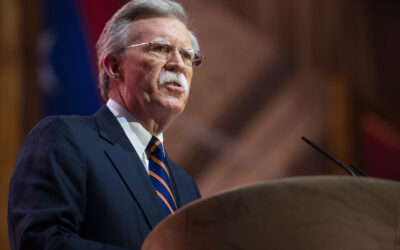
John Bolton Pleads Not Guilty to Classified Documents Charges
A federal grand jury has indicted former National Security Advisor John Bolton on 18 counts tied to improper handling of classified materials, per the U.S. Department of Justice. The charges include eight counts of transmitting national defense information and 10 counts of retaining national defense information. From about April 2018 through August 2025, the indictment claims Bolton shared more than a thousand pages of classified documents—some marked TOP SECRET/SCI—with two unauthorized individuals. In addition, the papers were allegedly stored in his Maryland home in violation of federal law. FBI Director Kash Patel said, “The FBI’s investigation revealed that John Bolton allegedly transmitted top secret information using personal online accounts and retained said documents in his house in direct violation of federal law. The case was based on meticulous work from dedicated career professionals at the FBI who followed the facts without fear or favor. Weaponization of justice will not be tolerated, and this FBI will stop at nothing to bring to justice anyone who threatens our national security.” (MORE NEWS: China’s Rare Earth Clampdown Threatens U.S. Tech, Defense) He turned himself in to federal authorities today and pleaded not guilty after being indicted in the classified information probe. Alleged Mishandling: Transmission and Retention According to the Department of Justice: “Bolton illegally transmitted NDI by using personal email and messaging application accounts to send sensitive documents classified as high as Top Secret. These documents revealed intelligence about future attacks, foreign adversaries, and foreign-policy relations. “ Beyond the transmissions, the indictment charges Bolton with retaining classified documents. The DOJ Press Release reads: “Bolton illegally retained NDI documents within his home. These documents included intelligence on an adversary’s leaders as well as information revealing sources and collections used to obtain statements on a foreign adversary.” FBI Raid and Seizures In August 2025, FBI agents raided John Bolton’s home under a search warrant tied to a long-running investigation into classified document handling. Items Seized The FBI removed multiple devices and materials, including: Two iPhones (one red, one black) Three computers (a Dell XPS laptop, a Dell Precision Tower, another Dell model) One Seagate hard drive Two SanDisk 64 GB USB drives A white binder labeled “Statements and Reflections to Allied Strikes…” Four boxes of printed daily activities Typed folders labeled Trump I-IV These items are central to the government’s case that Bolton stored and processed classified data improperly. Legal Context Judge’s Warning in the 2020 Memoir Case The 2025 indictment revives concerns from his 2020 legal battle over Bolton’s “tell-all” book, The Room Where It Happened, about his service in the first Trump administration. In United States v. Bolton (Case No. 1:20-cv-1580-RCL), the government alleged he violated book prepublication review protocols by publishing without security clearance, risking classified information exposure. Seeking to block further distribution, including the audiobook, the government requested an injunction. U.S. District Judge Royce C. Lamberth denied this, citing the digital age’s irreversible information spread. He stated: “If nothing else, the government argues, an injunction today would at least prevent any further spread of the book… In the Internet age, even a handful of copies in circulation could irrevocably destroy confidentiality… The damage is done. There is no restoring the status quo.” Lamberth warned: “Defendant Bolton has gambled with the national security of the United States. He has exposed his country to harm and himself to civil (and potentially criminal) liability.” Although no injunction was issued, Bolton’s royalties were placed in a constructive trust. 2021 Biden DOJ Probe Dropped In 2021, a Biden-era DOJ probe into Bolton’s retention of classified documents was dropped for political reasons, and prosecutors concluded the memoir contained no classified information. 2025 Indictment and Trump DOJ Response The 2025 charges, alleging Bolton shared over a thousand pages of TOP SECRET/SCI documents and improperly stored them at his Maryland home, echo these earlier concerns. Attorney General Pamela Bondi emphasized, “There is one tier of justice for all Americans. Anyone who abuses a position of power and jeopardizes our national security will be held accountable. No one is above the law.” Why This Case Matters This indictment raises important issues about how top officials should treat classified information—and whose oversight they face. It also ties into broader debates over document handling policies, accountability for former officials, and national security. In particular: The case tests whether a former high-ranking official can be held criminally liable for retaining or disseminating classified intelligence after leaving government. It underscores tensions between public commentary, such as memoirs and speeches, and legal boundaries around classified materials. It spotlights the challenge of safeguarding intelligence while preserving certain free speech rights for former officials. Moreover, the case could influence future decisions about how strictly courts and prosecutors enforce laws on classified materials—especially for people who once held government security clearances. (MORE NEWS: Shock at the Vatican: Muslim Prayer Room Approved Inside Historic Library) The Takeaway The indictment of John Bolton marks one of the most consequential national security cases in recent history. Federal prosecutors allege that a former top U.S. official—trusted with the nation’s most sensitive intelligence—knowingly shared and stored highly classified information outside secure channels. The charges and FBI’s detailed findings suggest an extensive pattern of misconduct that could carry serious legal consequences if proven. This case also serves as a reminder that no individual, regardless of past position or political influence, is immune from accountability. As Bolton faces the legal process, the broader question remains: how should America safeguard its secrets while balancing transparency, free speech, and justice? The outcome of this case will likely shape how future administrations handle classified information and the standards to which their senior officials are held. Expose the Spin. Shatter the Narrative. Speak the Truth. At The Modern Memo, we don’t cover politics to play referee — we swing a machete through the spin, the double-speak, and the partisan theater. While the media protects the powerful and buries the backlash, we dig it up and drag it into the light. If you’re tired of rigged narratives, selective outrage,…
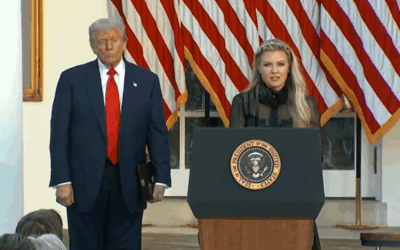
Erika Kirk Honors Charlie’s Legacy at the White House
At the White House Rose Garden on Tuesday, President Donald Trump presented the Presidential Medal of Freedom to honor the late Charlie Kirk. The award, accepted by his wife, Erika Kirk, came on what would have been Charlie’s 32nd birthday. The moment was filled with emotion as Erika delivered a moving tribute, celebrating her husband’s passion for liberty, his deep faith, and his lifelong mission to serve others. President Trump had kind words to say about Erika before presenting the medal: .@POTUS: “I’m honored to be joined by a woman who has endured unspeakable hardship with unbelievable strength, and that’s Charlie’s widow, @MrsErikaKirk… Erika, your love and courage have been an inspiration to all of us, and we will always be here for you…” pic.twitter.com/3Vk0twmqOt — Rapid Response 47 (@RapidResponse47) October 14, 2025 A Day of Deep Meaning Erika began her speech by thanking President Trump, the First Lady, and Vice President, along with Turning Point USA staff and chapters, calling them “the heartbeat of this future and of this movement.” She urged everyone to continue Charlie’s mission to preserve and protect freedom. She explained that the Medal of Freedom represents the core of America’s founding ideals. Erika said the honor reminds us that the national interest of the United States has always been freedom. She tied that meaning to Charlie’s own life, describing him not just as a believer in liberty but as a man who lived to defend it. (OUR TRIBUTE: Charlie Kirk: A Patriot Remembered, A Legacy Unbroken) Freedom as a Calling Erika Kirk spoke passionately about her husband’s convictions. She remembered one of his favorite sayings—freedom is both a right and a responsibility. Charlie often told her that freedom is “the ability to do what is right without fear.” She reflected on how even his name, Charles, means “free man,” and said he embodied that meaning from start to finish. She recalled their first conversations about politics, philosophy, and theology. From the start, she saw “the fire in his soul,” a passion to protect something sacred. Charlie’s belief in freedom, she said, was not abstract—it was rooted in his faith. He believed freedom had to be grounded in God and truth. “Without God, freedom becomes chaos,” he used to say. Erika explained that Charlie knew true liberty could not exist without moral foundation, and that he saw captivity, not law, as the true enemy of freedom. Mrs. Erika Kirk Accepts Charlie’s Presidential Medal of Freedom on His 32nd Birthday:https://t.co/Ne9CyhO6yF pic.twitter.com/d4sDLFv1hY — Charlie Kirk (@charliekirk11) October 15, 2025 Everyday Life, Big Meaning Erika also shared tender memories of Charlie’s everyday life. She described how he loved simple moments—quiet walks, reading books, and drinking decaf coffee on Saturdays while unplugging from technology. He kept his Sabbath sacred and valued rest and reflection. She recalled his birthday ritual of eating mint chocolate-chip ice cream, but only on July 4th and his birthday. One year, his wish was to see the Oregon Ducks play Ohio State—and they won. Smiling through tears, Erika said, “Mr. President, you have given him the best birthday gift he could ever have.” She revealed that in his final moments, Charlie wore a shirt with one word—“freedom.” That single word, she said, perfectly summed up his life’s mission. A Life of Purpose and Faith Erika Kirk reflected on Charlie’s courage and conviction. She shared that he never feared losing friends for speaking the truth. His confidence came from faith, not public approval. Charlie lived boldly, fought for truth when it was unpopular. He stood for God even when it was costly. He prayed for his enemies and showed them love when it was inconvenient. Erika explained that her husband ran his race with endurance and now wears “the crown of a righteous martyr.” She reminded the audience that this moment should be more than recognition—it should be a commissioning. Erika urged everyone to live freely, resist fear, and stand courageously in truth. To her, Charlie’s medal is not just an honor; it’s a responsibility for all who believe in liberty. (MORE NEWS: Trump’s Vision: A New DC Monument for America’s 250th) A Family’s Farewell and Promise Before ending her speech, Erika Kirk shared touching words from their young daughter, Gigi. “Happy birthday, daddy. I want to give you a stuffed animal. I want you to eat a cupcake with ice cream. I love you.” Their son, she added, has decided to “be the man of the house” at just sixteen months old. Erika said their children miss their father deeply, but they will grow up knowing who he was and what he stood for. She closed with a powerful declaration: “To live free is the greatest gift, but to die free is the greatest victory. Happy birthday, Charlie. Happy freedom day.” Her words brought both tears and inspiration to everyone present. The Takeaway Erika Kirk’s speech was a defining moment of love, courage, and conviction. Charlie’s life was a living testimony of faith and freedom. His courage, clarity, and moral strength inspired countless Americans to believe that truth and liberty are worth fighting for. President Trump’s decision to honor Charlie with the Medal of Freedom affirmed what many already knew: no one is more deserving of this recognition. Charlie dedicated his life to preserving the ideals that make America strong—faith, freedom, and responsibility. Charlie Kirk was assassinated in the prime of his life for speaking the truth, living his faith, & relentlessly fighting for America. That is why today President Trump posthumously awarded Charlie Kirk our nation’s highest civilian honor, the Presidential Medal of Freedom. 🇺🇸 pic.twitter.com/Bqd1hr9byX — The White House (@WhiteHouse) October 15, 2025 Through her emotional words, Erika called on others to follow his example. She urged Americans to cherish their freedoms, stand firm in their beliefs, and live with the same conviction Charlie carried every day. His legacy will continue to light the path for generations to come—a reminder that freedom is not guaranteed, but it is always worth defending. Cut through the…