

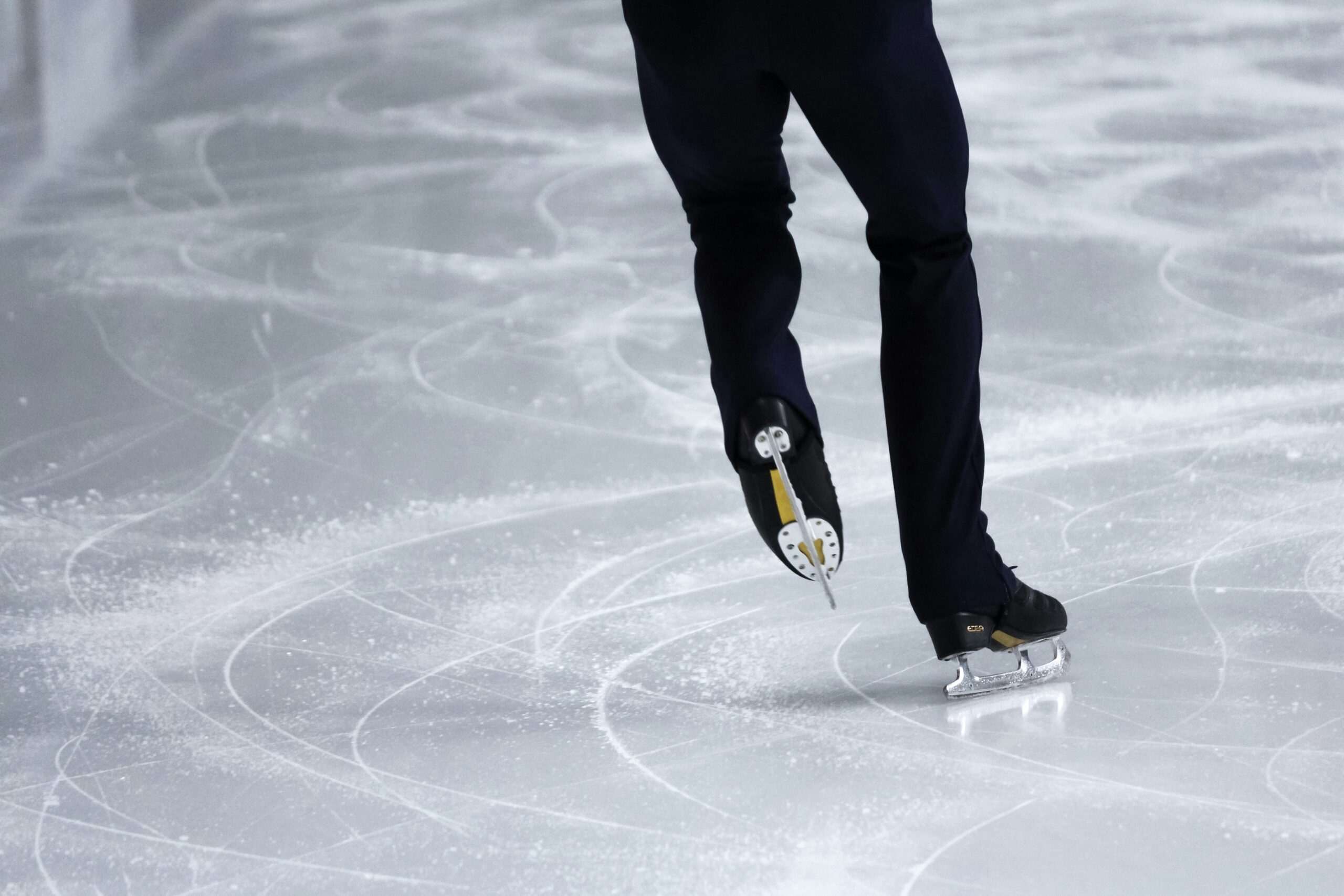
In a moment that will be etched into Olympic history, American figure skating phenom Ilia Malinin—famously known as the “Quad God”—electrified the Milano Ice Skating Arena on Sunday, February 8, 2026. Performing during the Men’s Free Skate for the team event, Malinin did what was once unthinkable: he successfully landed a backflip on Olympic ice, helping Team USA secure its second consecutive gold medal.
At Modern Memo, we break down the return of the “forbidden” move, the technical brilliance behind Malinin’s skate, and the nail-biting finish that put the U.S. back on top of the podium.
The “Forbidden” Move Returns
The backflip has been the “white whale” of figure skating for nearly 50 years. Originally banned by the International Skating Union (ISU) in 1977 due to safety concerns and its “unorthodox” nature, it remained illegal in competition until a historic rule change in late 2024.
-
A 50-Year Gap: Malinin is the first skater to legally land a backflip at the Olympics since Terry Kubicka first performed it at the 1976 Innsbruck Games.
-
The “One-Blade” Finish: While the backflip does not add to the technical point score (it is classified as part of the choreographic sequence), Malinin performed a high-difficulty variation, landing on a single blade to a deafening roar from the 13,000-person crowd.
-
The Strategy: “It’s honestly such an incredible roar-feeling,” Malinin told reporters. “Once I do that backflip, everyone is just out of control. It brings in the non-figure skating crowd as well.”
Team USA’s Gold Medal Nail-Biter
The stakes could not have been higher for the 21-year-old world champion. Entering the final men’s segment, Team USA and Japan were locked in a dead heat. The gold medal came down to a “winner-take-all” showdown between Malinin and Japan’s Shun Sato.
-
The Performance: Despite a minor stumble mid-program, Malinin delivered a powerhouse routine featuring five quadruple jumps. His score of 200.03 was enough to hold off a brilliant performance by Sato (194.86).
-
The Final Standings: Team USA finished with 69 points, edging out Japan (68 points) by a single point. Host nation Italy claimed the bronze with 60 points.
-
The Winning Roster: Along with Malinin, the gold-medal squad includes Amber Glenn, Alysa Liu, ice dancers Madison Chock and Evan Bates, and the pairs team of Ellie Kam and Danny O’Shea.
The Technical Evolution of the “Quad God”
While the backflip stole the headlines, Malinin’s technical mastery remains his primary weapon. He is currently the only skater in the world routinely landing the quadruple Axel—the most difficult jump in the sport—though he opted for a triple Axel in the team event to prioritize stability for the group gold.
The backflip, Malinin explains, is actually “easier” for him than his quads because of his background in gymnastics. However, it serves a psychological purpose: it signals a new era of “extreme” figure skating where athleticism and spectacle are given equal weight to traditional artistry.
Looking Ahead: The Individual Event
With the team gold secured, the “Quad God” now turns his attention to the individual Men’s event, where he is the heavy favorite to win his first Olympic singles title. His main competition will once again be Japan’s Shun Sato and Yuma Kagiyama, but Malinin’s willingness to take risks—like the backflip—has clearly given him a psychological edge.
Final Word
Staying informed on the evolution of Olympic sports isn’t just about tracking medal counts—it plays a powerful role in your understanding of human potential and the breaking of long-held boundaries. When you look past the spectacle of the “backflip” and focus on the data of the rule changes and the razor-thin margin of the team victory, you gain a clearer picture of the discipline required to innovate under pressure.
Quality information replaces the noise of social media hype with the clarity of technical history and scoring context. It allows you to see this historic jump not as a stunt, but as a calculated moment of athletic evolution. By choosing to follow the facts of the performance rather than just the highlights, you align your perspective with the realities of modern competition and support a more informed, resilient view of global achievement.
Where Facts, Context, and Perspective Matter
At The Modern Memo, our goal is simple: to provide clear, well-researched reporting in a media landscape that often feels overwhelming. We focus on substance over sensationalism, and context over commentary.
If you value thoughtful analysis, transparent sourcing, and stories that go beyond the headline, we invite you to share our work. Informed conversations start with reliable information, and sharing helps ensure important stories reach a wider audience.
Journalism works best when readers engage, question, and participate. By reading and sharing, you’re supporting a more informed public and a healthier media ecosystem.
The Modern Memo may be compensated and/or receive an affiliate commission if you click or buy through our links. Featured pricing is subject to change.
Subscribe to The Modern Memo here!
