

Trump administration

Trump Administration Unveils Head Start Overhaul, Promising $2.2 Billion in Savings and Room for 268,000 More Kids
The Trump administration announced a sweeping overhaul of Head Start this week, stripping away a wide range of federal regulations governing the decades-old early education program in a move officials say will free up $2.2 billion and open enrollment to as many as 268,000 additional children — even as some early childhood advocates warn the changes could weaken protections for the country’s most vulnerable kids. The Core of the Plan The proposal, unveiled by the Department of Health and Human Services, would eliminate many of the federal rules that have long governed how local Head Start centers operate, shifting significant authority to states and local program administrators instead. The centerpiece of the savings comes from a sharp cut to allowable administrative overhead, dropping the cap from 15% to just 5% — a change officials project will unlock the bulk of the $2.2 billion in projected savings, which the administration says will be reinvested directly into expanding the program rather than diverted elsewhere. Alex Adams, who leads the Administration for Children and Families within HHS, framed the changes as empowering local decision-makers rather than stripping away necessary safeguards. “If their structure is working for their community and their governing board and the parents who sit on that affirm that, no changes will be needed,” Adams told reporters, emphasizing that centers retain the option to keep operating exactly as they have been if that’s what works for their community. Not a Pure Deregulation Story Notably, the proposal isn’t simply about cutting rules — it adds new requirements in at least two areas. The administration is introducing enhanced nutrition standards championed by HHS Secretary Robert F. Kennedy Jr., along with a new physical activity mandate requiring 30 minutes of physical activity for every 3.5 hours of classroom instruction. HHS Secretary Kennedy struck a notably protective tone about the program’s mission despite the broader deregulation push. “It’s a program that works for the most vulnerable, of course, kids in our society,” Kennedy told reporters. “And it’s really important we protect it.” The Case for Deregulation Supporters of the plan point to a simple comparison: state-level childcare licensing standards, which apply to the vast majority of non-Head Start preschool and daycare programs nationwide, are far less restrictive than what Head Start currently requires — and those state standards still focus on the fundamentals of keeping children healthy and safe. In Mississippi, for example, one Head Start teacher is currently permitted to supervise only up to four two-year-olds, while ordinary state childcare rules would allow that same teacher to supervise up to a dozen. Administration officials argue that gap has made Head Start increasingly expensive to operate relative to its private-sector alternatives, contributing to a decade-long enrollment decline as programs have been forced to scale back the number of children they can serve under current federal funding levels. From that vantage point, freeing up billions in administrative savings to reinvest directly into serving more children isn’t a step backward for a program meant to help disadvantaged kids — it’s arguably the most direct way to actually grow it after years of shrinking enrollment driven by costs outpacing federal support. Where the Concerns Lie Early childhood policy researchers have raised concerns that loosening federal standards could undercut Head Start’s longstanding reputation as, in their view, the gold standard for early childhood education quality. Advocates within the Head Start community have also expressed skepticism that deregulation alone will meaningfully reverse the program’s decade-long enrollment slide, since the underlying cost pressures driving programs to scale back may not disappear simply because administrative requirements have eased. Context: A Program Under Repeated Scrutiny This isn’t the first time the Head Start program has faced upheaval under the current administration. Earlier this year, a leaked administration budget document proposed eliminating Head Start’s funding entirely, a plan that was ultimately abandoned after significant public backlash. Since then, the administration has also moved to roll back a Biden-era plan to raise wages and benefits for Head Start workers, briefly attempted to freeze program funding altogether before rescinding that order, and moved to restrict eligibility based on immigration status — a change that was temporarily blocked by a federal judge. The administration has also consolidated the program’s regional offices, a reorganization that led to layoffs among Head Start staff. Head Start has historically enjoyed bipartisan support since its creation, and currently serves roughly 700,000 of the nation’s most vulnerable children nationwide, including kids who are homeless, in foster care, or living with disabilities. What Happens Next The proposed rule was formally posted for public comment this week, giving Americans 60 days to weigh in before any changes could take effect. Given the scope of the overhaul and the program’s history of drawing legal challenges over previous policy changes, further litigation attempting to delay or block implementation appears likely regardless of how the public comment period plays out. This story is developing.

25 Blue States Sue to Block Trump’s Latest Tariffs, Setting Up Third Round of Legal Battles
A coalition of 25 Democratic-led states filed suit against the Trump administration this week over its newest round of tariffs, marking the third time in less than two years that blue-state attorneys general have gone to court to challenge the president’s trade agenda — and setting up yet another high-stakes legal showdown over just how far a president’s tariff authority actually extends. What the Lawsuit Targets The lawsuit, filed Monday in the U.S. Court of International Trade, takes aim at tariffs the administration announced on July 23, imposing duties of 10% to 12.5% on goods from more than 80 trading partners, including the European Union. The stated justification for the new levies was different from the administration’s earlier tariff push: rather than citing a national trade deficit emergency, the U.S. Trade Representative’s office said the tariffs were necessary because the targeted countries had failed to adequately ban and enforce prohibitions on imports made with forced labor. The states argue that rationale doesn’t hold up. The lawsuit, filed under Section 301 of the Trade Act of 1974, alleges the tariff action was “arbitrary, capricious, and contrary to law,” and claims that public comments and testimony gathered by the USTR actually undercut the forced-labor justification rather than support it. New York Attorney General Letitia James, who has led the multistate coalition through all three rounds of tariff litigation, didn’t hold back in her public response. “After losing at the Supreme Court, the administration is once again trying to illegally raise taxes on families and businesses with a new round of tariffs,” James wrote. “The president doesn’t have the power to impose sweeping tariffs.” A Familiar Legal Fight, Third Time Around This is not new legal territory for either side. The same coalition of states first sued the administration back in April 2025, arguing that Trump’s use of the International Emergency Economic Powers Act, or IEEPA, to impose sweeping “Liberation Day” tariffs on nearly every country in the world was unlawful. That argument found real traction: in February, the Supreme Court agreed, ruling that IEEPA simply doesn’t authorize the president to impose tariffs of that scope, forcing the administration to issue refunds to importers who had already paid the disputed duties. Rather than abandon its tariff strategy after that defeat, the administration pivoted to a different legal justification. It invoked Section 122 of the Trade Act of 1974 to impose temporary 10% tariffs on most imported products, arguing that statute gave it the necessary authority. States sued again, and in May, the U.S. Court of International Trade ruled that those tariffs, too, were unlawful. Now, with the clock having run out on that temporary tariff regime, the administration has turned to yet a third legal basis — Section 301 — to justify its latest round of duties. Unlike the two previous statutes at issue, Section 301 has a somewhat sturdier legal track record: Trump used it during his first term to impose significant tariffs on China, and those survived court challenges at the time. Whether that precedent will hold up against this newest and much broader application, covering dozens of countries rather than a single trading partner, is now squarely in the hands of the Court of International Trade. The States Involved Joining New York in the latest lawsuit are Arizona, California, Colorado, Connecticut, Delaware, Hawaii, Illinois, Kentucky, Massachusetts, Maryland, Maine, Michigan, Minnesota, Nevada, New Jersey, New Mexico, North Carolina, Oregon, Pennsylvania, Rhode Island, Virginia, Vermont, Washington, and Wisconsin — a coalition made up entirely of Democratic attorneys general, continuing the partisan pattern that’s defined all three rounds of tariff litigation so far. The Administration’s Defense White House officials are standing firmly behind the legal basis for the new tariffs. White House spokesperson Kush Desai defended the administration’s approach in a statement, arguing that “the United States is using its lawful authority to obtain the elimination of unreasonable acts, policies, and practices that burden U.S. commerce.” Desai further argued that Section 301 tariffs have “proven to be a legally durable tool since the president’s first term, and they remain so now” — a direct reference to the tool’s successful track record surviving legal challenges during Trump’s earlier term in office. Supporters of the administration’s broader trade strategy argue that repeated legal setbacks on specific statutory grounds don’t undermine the underlying policy goal: using tariffs as leverage to address unfair trade practices, protect American manufacturing, and hold foreign governments accountable for labor and environmental practices that put U.S. businesses at a competitive disadvantage. From that view, the administration’s willingness to pursue tariff authority through multiple different legal avenues — rather than abandoning the strategy after the IEEPA and Section 122 defeats — reflects persistence in pursuing a policy priority that voters supported at the ballot box, not a legal end-run around the courts. Why This Round May Be Different There’s an argument that the forced-labor justification behind these newest tariffs gives the administration firmer legal footing than its previous attempts. Unlike the emergency-powers rationale that the Supreme Court rejected, Section 301 is specifically designed by Congress to let the executive branch respond to unfair trade practices identified through a formal investigative process — precisely the kind of process the USTR says it followed here. Whether that process holds up to judicial scrutiny, particularly the states’ claim that the USTR’s own gathered evidence undercuts its stated rationale, will be the central question as the case moves forward. What Happens Next The lawsuit asks the Court of International Trade to both block enforcement of the new tariffs going forward and order refunds for duties already collected under the Section 301 action — the same remedy states won in their first successful challenge earlier this year. Given the pattern of the previous two cases, expect an expedited briefing schedule and likely appeals regardless of which side prevails at the trial court level, keeping the fate of a significant chunk of the administration’s trade policy tied up in litigation for months to come. For American businesses and…
Supreme Court Backs Trump on Ending Temporary Protected Status, Restoring Program’s Original Intent
The Supreme Court handed the Trump administration a significant immigration enforcement win last month, upholding its authority to end Temporary Protected Status for hundreds of thousands of Haitian nationals — a ruling now playing out in real time in Springfield, Ohio, a city that became a flashpoint in the national immigration debate. The ruling affirmed that TPS, a humanitarian program meant to provide temporary relief rather than a permanent path to stay in the country, can be wound down at the administration’s discretion once the underlying conditions that justified it are reassessed. In Springfield, where a large Haitian population had settled in recent years to work in local manufacturing and warehouse jobs, the shift is already reshaping the local workforce. An Immediate Local Impact One Haitian resident who had worked at a local warehouse said employers moved quickly once the ruling came down. “When they heard the decision of the Supreme Court, they immediately told us not to come to work after July 1,” the worker said. Community organizers say the ruling triggered a wave of calls and messages throughout Springfield’s Haitian community as people scrambled to understand what the decision meant for their ability to legally work and remain in the country. Part of a Broader Legal Term The TPS ruling was one of several major decisions the Supreme Court issued as it closed out its term, in a stretch that saw the court hand the administration wins on some fronts while ruling against it on others — including a landmark decision affirming birthright citizenship under the 14th Amendment and a separate ruling protecting the independence of the Federal Reserve. The Bigger Debate Supporters of the administration’s approach argue Temporary Protected Status was never meant to be a permanent or indefinite immigration pathway, and that restoring the program’s original time-limited intent is both lawful and overdue, particularly as the administration works to enforce stricter overall immigration standards. Advocates for TPS holders counter that many recipients have built lives, jobs, and families in the U.S. over years of lawful presence, and argue that abrupt terminations put both workers and the local economies that depend on them in a difficult position with little time to adjust. Local officials in Springfield say they’re continuing to monitor the fallout as businesses work to fill gaps left by departing workers, while community groups help affected families navigate their legal options going forward. This story is developing.

OpenAI Floats Handing Trump Administration a $42 Billion Stake in the Company
OpenAI has opened discussions about handing the U.S. government a 5% ownership stake in the ChatGPT maker, a proposal that would be worth roughly $42.6 billion at the company’s most recent $852 billion valuation — and one that fits an increasingly common pattern of the Trump administration taking direct equity positions in strategically important American companies. Altman’s Pitch: An “Alaska Fund” for AI CEO Sam Altman has argued that broad public ownership is the best way to make sure ordinary Americans benefit from the enormous wealth AI is expected to generate. Under the proposal, OpenAI and other leading AI developers — potentially including Google, Meta, and Anthropic — would each contribute roughly 5% of their equity to a government-backed investment vehicle modeled after the Alaska Permanent Fund, the sovereign wealth fund that invests the state’s oil revenue and pays dividends to residents. Altman has reportedly been floating the idea with senior administration officials, including Treasury Secretary Scott Bessent and Commerce Secretary Howard Lutnick, since early in Trump’s second term, and has ramped up those conversations in recent weeks. Part of a Bigger Pattern The proposal fits a broader shift in how the administration approaches industrial policy — favoring direct equity stakes over traditional subsidies or tax breaks. The government previously took a roughly 10% stake in Intel in exchange for an $8.9 billion investment, along with stakes in MP Materials and other strategically important firms. For OpenAI, giving Washington a seat at the table could also help ease growing political scrutiny of the AI industry as the company eyes a potential IPO. Not Without Skeptics Any formal arrangement would likely require an act of Congress, and the talks remain described as early and conceptual. Some lawmakers on the left have pushed even further in the other direction — Sen. Bernie Sanders has proposed a one-time 50% tax on major AI companies’ stock to fund a public sovereign wealth fund — while others have raised questions about what kind of influence a government equity stake might give Washington over future AI model releases and safety decisions. Supporters of Altman’s approach argue it’s a pragmatic way to ensure the public captures some of AI’s economic upside without heavy-handed new regulation, while critics on both sides continue debating whether direct government ownership in leading tech companies is the right model going forward. This story is developing.

Trump Administration Locks in Historic Nuclear Energy Deal With Saudi Arabia, Handing US Firms the Lead Role
The Trump administration signed a landmark civil nuclear cooperation agreement with Saudi Arabia this week, a deal officials say will lock in American companies as the kingdom’s exclusive partner for a nuclear energy buildout expected to be worth billions of dollars over several decades. Energy Secretary Chris Wright signed the agreement alongside Saudi Energy Minister Prince Abdulaziz bin Salman, with the Department of Energy touting it as a win for American jobs, energy dominance, and strategic influence in the Middle East. The agreement builds on President Trump’s executive order on deploying advanced nuclear reactor technologies and specifically supports an expansion of international partners for U.S. civil nuclear cooperation. What’s in the Deal The agreement, known as a “123 agreement” under the Atomic Energy Act, is expected to last 30 years and gives American firms — most notably legacy nuclear giant Westinghouse — priority access to build and supply Saudi Arabia’s civilian reactor program. It also grants Saudi Arabia a pathway toward enriching its own nuclear fuel domestically. The Department of Energy says the partnership will expand American nuclear technology exports, create high-paying U.S. jobs, strengthen America’s energy and national security posture, and deepen the strategic partnership between the U.S. and Saudi Arabia — while reinforcing global nonproliferation standards. “These agreements reflect our two nations’ shared commitment to strengthening U.S.-Saudi commercial relations, delivering prosperity at home and security to our allies abroad,” Wright said. Democrats Raise Concerns Not everyone is on board. Some nonproliferation-focused lawmakers and former officials have questioned why the deal doesn’t require Saudi Arabia to forgo enrichment entirely, the so-called “gold standard” the U.S. has required of partners like the UAE in the past. Rep. Brad Sherman, D-Calif., had urged the administration before the announcement to hold the Saudis to the same standard applied elsewhere. The deal must now go before Congress for a mandatory 90-day review period, where it is expected to draw scrutiny — though supporters argue Saudi Arabia was always going to pursue nuclear power with or without American involvement, and that keeping U.S. companies in the driver’s seat is the better outcome for both American industry and long-term regional stability. This story is developing.

The Title IX Ultimatums: Inside the Shockwaves of the Trump Administration’s Unsealed San Jose State Volleyball Report
The multi-year, highly localized cultural battleground that transformed San Jose State University (SJSU) into the epicenter of the national transgender athletic debate has reached a severe structural tipping point. Fox News Digital obtained the official findings of a comprehensive, fast-tracked investigation conducted by the U.S. Department of Education’s Office for Civil Rights (OCR). The unsealed federal document outlines what Trump administration officials characterize as a “clear, obvious, and systemic” violation of federal law. The report accuses the California university of actively stripping biological women of their civil protections under Title IX, using scholarships to prioritize a male-born athlete, and engaging in targeted intimidation to silence dissenting players and staff. At The Modern Memo, we analyze the raw data behind the OCR’s investigative findings, the mandatory terms of the federal settlement package, and why the California State University system’s decision to launch a counter-lawsuit has pushed the entire collegiate athletic infrastructure into a high-stakes fiscal game of chicken. The Investigative Findings: Scholarship Hijacking and Biological Advantages The federal investigation, spearheaded by Kimberly Richey, the Assistant Secretary for Civil Rights, concluded that SJSU had willfully engaged in systemic sex discrimination by permitting a biological male, outside hitter Blaire Fleming, to occupy a critical roster spot on the women’s volleyball team from 2022 through 2024. The Erasure of Female Opportunity: The OCR report explicitly states that by awarding an athletic scholarship to a transgender woman, SJSU denied vital financial and competitive opportunities specifically reserved for biological females. “Those opportunities are being attacked and dwindled away to protect men who would like those opportunities for themselves,” noted Kim Jones, co-founder of the Independent Council on Women’s Sports (ICONS). The “Dangerous Strike” Metrics: Federal investigators directly cited the immense physical hazard introduced into the women’s division. Incorporating data from game film and media reports, the OCR documented Fleming’s “dominant performance” and noted that her biological male development gave her permanent, unsafe physical advantages. The report highlighted that multiple Mountain West Conference teams—including Boise State, Wyoming, and Utah State—chose to absorb immediate forfeit losses specifically to safeguard their female athletes from high-velocity spikes directed at their faces. The Locker Room Coercion: Perhaps the most disturbing element of the findings details the psychological pressure applied to female players. Investigators corroborated prior congressional testimony from college athletes showing that female players who expressed discomfort regarding shared intimate facilities were offered “psychological services” intended to “re-educate” them into accepting a biological male in their locker rooms. The Retaliation Clause: Silencing the Whistleblowers Beyond the physical and competitive imbalances, the Trump administration’s report focused heavily on what it termed an institutional cover-up designed to aggressively suppress campus dissent. The Batie-Smoose Ouster: The investigation thoroughly validated complaints filed by former SJSU associate head coach Melissa Batie-Smoose. The OCR determined that the university’s decision to suspend Batie-Smoose indefinitely after she raised Title IX concerns constituted unlawful, direct retaliation. The administration found that her removal was engineered explicitly to prevent external scrutiny and shield the athletic department’s policies from public view. Fractured Team Dynamics: The report detailed a hostile team environment where players like co-captain Brooke Slusser faced intense administrative pushback for joining the class-action lawsuit against the NCAA. The federal document revealed that university officials repeatedly threatened players with the loss of their roster spots, academic standing, or scholarships if they spoke out to the press or refused to share hotel rooms with Fleming during away games. The Ultimate Ultimatum: Apologies, Erasures, and Fiscal Chicken Rather than executing an immediate funding cutoff, the Department of Education handed SJSU a strict settlement proposal designed to completely reverse the university’s administrative record. Federal Compliance Mandate Required Action by SJSU Consequences of Non-Compliance Biological Alignment Accept federal definitions of “male” and “female” restricted strictly to sex assigned at birth. Immediate referral to the Department of Justice for prosecution. Record Rectification Erase and vacate all individual titles, awards, and team records “misappropriated by male athletes”. Permanent revocation of all federal educational funding. Institutional Apology Send personalized, formal apologies to all female players from 2022-2024 and to every school that forfeited games. Total exclusion from participating in future NCAA-sanctioned events. The university, backed by the sprawling California State University (CSU) system, has refused the administration’s terms. SJSU President Cynthia Teniente-Matson and the CSU Board of Trustees have filed a counter-lawsuit against the federal government, seeking an emergency injunction to block the enforcement actions. SJSU insists that its athletic departments followed all existing NCAA hormone-therapy eligibility guidelines and that the student-athlete’s privacy rights remain shielded by the Family Educational Rights and Privacy Act (FERPA). Final Word The unsealed Department of Education findings are the definitive proof that the era of institutional evasion on women’s sports is officially over. When you look past the bureaucratic language of “inclusive environment” platitudes and focus on the hard data—the unlawful suspension of a whistleblowing coach, the systematic re-education threats leveled at teenage female athletes, and the absolute hijacking of female collegiate scholarships—you gain a clear, unvarnished picture of an obvious problem. Quality information strips away the progressive narrative of “routine biological inclusion” and exposes it as a calculated, coercive campaign to force women into compliance. By choosing to sue the federal government rather than protecting its own female players, San Jose State has made its priorities unmistakably clear. The Trump administration has drawn a line on the gym floor: universities can either protect the dignity of female athletes under Title IX, or they can watch their federal funding burn.
‘Government Gangsters’: Kash Patel Exposes FBI Lies Used to Illegally Spy on Trump Campaign
The “Deep State” is facing a fresh day of reckoning as Kash Patel—the architect of the Nunes Memo and a leading voice for FBI reform—unloaded on the bureau for what he calls a “coordinated criminal effort” to illegally spy on the 2016 Trump campaign. Patel’s latest broadside comes as new details emerge regarding the FBI’s reliance on the discredited Steele Dossier to obtain FISA (Foreign Intelligence Surveillance Act) warrants. At The Modern Memo, we analyze the FBI Director’s rare admission that the FISA court ruled these warrants illegal, the “Carter Page” precedent, and why Patel is vowing that the days of “weaponized surveillance” are over. The FISA Fraud: Lying to the Court The core of Patel’s accusation rests on the fact that the FBI intentionally misled the Foreign Intelligence Surveillance Court (FISC) to obtain wiretaps on Carter Page, a Trump campaign advisor. The Steele Dossier Scams: Patel has long argued—and the DOJ Inspector General later corroborated—that the FBI relied on unverified “opposition research” funded by the Clinton campaign (the Steele Dossier) while hiding the political origins of that data from the court. The “Illegal” Ruling: In a series of public rebukes, the FISC judges themselves ruled that at least two of the four warrants issued against Page were invalid and illegal. The court found that the FBI omitted “material information” and made “misstatements” that were essential to establishing probable cause. FISA Abuse: The FBI Director has acknowledged that the bureau’s applications were “full of inaccuracies and omissions,” admitting that the surveillance of an American citizen should never have proceeded under such flawed pretenses. Kash Patel’s Crusade: Unmasking the ‘Gangsters’ For Kash Patel, the illegal spying wasn’t an “administrative error”—it was a deliberate act of political warfare. The Nunes Memo Legacy: As the primary author of the 2018 Nunes Memo, Patel was the first to sound the alarm on the “Seven Deadly Omissions” in the FBI’s warrant applications. While the corporate media initially dismissed his findings as a “conspiracy theory,” the DOJ’s own internal reviews have since validated his primary claims. “Government Gangsters”: In his recent statements and his book of the same name, Patel characterizes the senior leadership of the 2016-era FBI as “gangsters” who used the tools of national security to influence a domestic election. Systemic Reform: Patel is calling for a total overhaul of the FBI, including moving its headquarters out of Washington D.C. and stripping the bureau of its ability to conduct “unpredicated” domestic surveillance on political figures. The Consequences of the Spy Gate The fallout from the illegal warrants continues to ripple through Washington as the administration moves to “de-weaponize” the Department of Justice. Clinesmith’s Conviction: Patel frequently points to the criminal conviction of FBI lawyer Kevin Clinesmith, who doctored an email to hide the fact that Carter Page was actually working with the CIA, not against the U.S. This “fraud on the court” is seen by Patel as the definitive proof of bad faith. The 702 Debate: The 2016 spying scandal has become the primary ammunition for GOP lawmakers seeking to reform Section 702 of FISA. “If they did it to a presidential candidate, they’re doing it to you,” has become a rallying cry for constitutional conservatives. Final Word Kash Patel’s exposure of the FBI’s illegal spying is more than a history lesson; it is a warning for the future. When you look past the noise of “bureaucratic mistakes” and focus on the data—the illegal warrants, the doctored emails, and the FISA court’s own rebukes—you gain a clearer picture of a system that was turned against the very people it was sworn to protect. Quality information replaces the “Russia collusion” narrative with the reality of a domestic intelligence agency that overstepped its bounds. It allows you to see that while the warrants were ruled illegal, the damage to the public’s trust is still being repaired. By choosing to name the “gangsters,” Patel is ensuring that the “Deep State” can no longer hide behind a badge. Where Facts, Context, and Perspective Matter At The Modern Memo, our goal is simple: to provide clear, well-researched reporting in a media landscape that often feels overwhelming. We focus on substance over sensationalism, and context over commentary. If you value thoughtful analysis, transparent sourcing, and stories that go beyond the headline, we invite you to share our work. Informed conversations start with reliable information, and sharing helps ensure important stories reach a wider audience. Journalism works best when readers engage, question, and participate. By reading and sharing, you’re supporting a more informed public and a healthier media ecosystem. The Modern Memo may be compensated and/or receive an affiliate commission if you click or buy through our links. Featured pricing is subject to change. 📩 Love what you’re reading? Don’t miss a headline! Subscribe to The Modern Memo here!

Transparency Crisis: DOJ Sues Harvard for Hiding Post-Affirmative Action Data
The Department of Justice escalated its fight for merit-based admissions on Friday, February 13, 2026, filing a lawsuit against Harvard University. The suit accuses the Ivy League giant of unlawfully withholding the very data needed to verify if the school is actually following the Supreme Court’s 2023 ban on affirmative action. At The Modern Memo, we analyze the administration’s demand for “merit over DEI,” Harvard’s claims of “government overreach,” and the high-stakes battle over $9 billion in federal funding. The “Red Flag”: 10 Months of Silence The lawsuit, filed in a Boston federal court, alleges that Harvard has spent more than 10 months “slow-walking” and “thwarting” a federal compliance review. Under the leadership of Attorney General Pam Bondi, the DOJ is demanding a trove of individualized applicant data to ensure the school hasn’t simply replaced explicit racial quotas with “subtle” ideological proxies. The Demand: The DOJ wants five years of admissions data, including grades, test scores, essays, and internal correspondence related to “Diversity, Equity, and Inclusion” (DEI) initiatives. The “Red Flag”: Assistant Attorney General Harmeet Dhillon, head of the Civil Rights Division, called the lack of cooperation a major warning sign. “If Harvard has stopped discriminating, it should happily share the data necessary to prove it,” Dhillon stated. Title VI Violations: The DOJ argues that as a recipient of federal taxpayer money, Harvard is legally obligated to provide this data for compliance reviews under Title VI of the Civil Rights Act. The Defense: “Independence” vs. Oversight Harvard has struck a defiant tone, characterizing the lawsuit as a “retaliatory” act by an administration hostile to elite academia. The Statement: A Harvard spokesperson claimed the university has responded in “good faith” and accused the government of an “unlawful attempt to control its institutional autonomy and academic freedom.” Constitutional Rights: Harvard argues that surrendering individualized applicant data violates privacy laws and constitutes an “ideological assault” on the university’s independence. The History: This suit follows a year of friction, including a previous $2.7 billion freeze on Harvard’s research funding and threats of further fines totaling up to $1 billion. The Merit Factor: Ending “Numerical Balancing” The heart of the DOJ’s case rests on the 2023 Supreme Court ruling in Students for Fair Admissions v. Harvard. The administration is concerned that Harvard—which the Court previously found used race as a “negative factor” against Asian-American applicants—is still maintaining “numerical commitments” to racial balancing. Merit over DEI: Attorney General Bondi emphasized that the goal is to ensure admissions are “free of discrimination.” The administration has signaled that universities can no longer use federal funds while simultaneously ignoring the nation’s highest court. A National Trend: Harvard is not alone. The White House is reportedly pressing dozens of other universities for similar data, signaling a nationwide effort to dismantle “woke” admissions bureaucracies that prioritize identity over achievement. The Money Trail: $9 Billion at Stake The lawsuit is more than just a request for paperwork; it carries a massive financial threat. The Trump administration has already moved to terminate or freeze billions in research grants aimed at everything from cancer research to infectious diseases. If the court finds Harvard in breach of its federal financial assistance terms, the school could face the permanent loss of nearly $9 billion in federal funding. Republicans in Congress have argued that if an institution refuses to be transparent with the taxpayers who fund it, it has no right to their money. Final Word Staying informed on the DOJ’s lawsuit against Harvard isn’t just about “culture war” headlines—it plays a powerful role in your understanding of the accountability of elite institutions. When you look past the claims of “retaliation” and focus on the data of a 10-month refusal to provide admissions records, you gain a clearer picture of the struggle to restore a true meritocracy. Quality information replaces the noise of academic defensiveness with the clarity of civil rights law and Supreme Court mandates. It allows you to see this lawsuit as a necessary tool for ensuring that “equal protection” isn’t just a suggestion, but a requirement for any institution taking public money. By choosing to follow the facts of the DOJ filing rather than the spin of the Ivy League PR machine, you align your perspective with the realities of modern justice and support a more informed, resilient republic. Where Facts, Context, and Perspective Matter At The Modern Memo, our goal is simple: to provide clear, well-researched reporting in a media landscape that often feels overwhelming. We focus on substance over sensationalism, and context over commentary. If you value thoughtful analysis, transparent sourcing, and stories that go beyond the headline, we invite you to share our work. Informed conversations start with reliable information, and sharing helps ensure important stories reach a wider audience. Journalism works best when readers engage, question, and participate. By reading and sharing, you’re supporting a more informed public and a healthier media ecosystem. The Modern Memo may be compensated and/or receive an affiliate commission if you click or buy through our links. Featured pricing is subject to change. 📩 Love what you’re reading? Don’t miss a headline! Subscribe to The Modern Memo here!
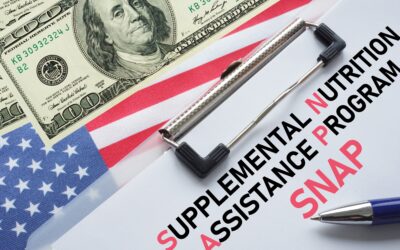
SNAP Benefits Partially Restored as USDA Uses Emergency Funds
The federal government’s partial shutdown has now run into a critical phase, and the effects are spreading into key assistance programs. As the shutdown drags on, the Supplemental Nutrition Assistance Program (SNAP) is under strain. The United States Department of Agriculture (USDA) told a federal judge that it will partially resume SNAP benefits for November, according to Fox Business. Until this decision, recipients of SNAP — more than 40 million Americans — faced a sudden uncertainty about whether their food-aid would arrive. The government’s shutdown stems from a standoff over budget appropriations. This has left many federal programs functioning on limited or emergency funding. Background of the Shutdown and Food-Aid Impact The USDA announced that it will allocate $4.65 billion of its $5 billion contingency fund to keep SNAP running in November. That move covers only part of the expected cost, which USDA officials say is closer to $9 billion for full monthly coverage. (MORE NEWS: ACA Premiums Are Rising — But Not Because of Expiring Subsidies) As a result, the benefit level will be reduced. Secretary of Agriculture Brooke Rollins said: “We submitted to the courts our plan to get partial allotments to SNAP households. Both are STOPGAP measures that create unnecessary chaos in State systems and distribution of benefits.https://www.mlh9trk.com/cmp/2Z3GP8/2PKSM4/ It will take several weeks to execute partial payments. THIS MUST END. Senate Democrats need to quit the games, quit holding American families hostage to ridiculous demands like health care for illegals, and REOPEN THE GOVERNMENT. Once they do, FULL benefits can get to families without delay.” .@POTUS is doing everything he can to help our most vulnerable mothers and babies while Radical Left Democrats continue to obstruct. Today, full November WIC benefits will be disbursed to States. Additionally, we submitted to the courts our plan to get partial allotments to… — Secretary Brooke Rollins (@SecRollins) November 3, 2025 Rollins went on to say she expects the process to take weeks: 🚨This morning, @USDA sent SNAP guidance to States. My team stands by to offer immediate technical assistance. This will be a cumbersome process, including revised eligibility systems, State notification procedures, and ultimately, delayed benefits for weeks, but we will help… — Secretary Brooke Rollins (@SecRollins) November 4, 2025 Legal Pressure and Role of the Courts Twenty-five Democratic state attorneys general and governors sued the USDA. They argued that ceasing SNAP benefits would be harmful to the public health and well-being of millions of Americans. Two federal judges ruled that the USDA must use its contingency fund to keep SNAP benefits paid beyond November 1. In court filings, the Justice Department acknowledged the tight timeline and the burden posed by the shutdown in meeting the court’s order. “Defendants have worked diligently to comply … during a government shutdown,” the filing stated. What This Means for SNAP Recipients For the millions of people who rely on SNAP, this announcement brings some relief — but also new uncertainty. Many recipients may need to stretch existing food supplies longer than usual or reduce purchases as they wait for partial benefits to arrive. Moreover, because the contingency funds are being used now, there will be no remaining cushion for new applicants in November, for disaster assistance. There also won’t be a buffer against a full shutdown of SNAP. That means those who apply later in November or enter the program for the first time may face gaps or be excluded until full funding returns. States administering SNAP may face added administrative burdens. They must adjust allotments, handle delayed payments, and manage communication with beneficiaries about reduced benefits. This creates further risk of confusion, missed payments, or mis-processing. Broader Implications and Risks This scenario illustrates how federal shutdowns ripple out into social-safety-net programs. A funding gap does not just halt new enrollment; it cuts into lifelines for low-income families. The partial-resumption plan reflects triage — the government is choosing which obligations to meet partially while skipping or limiting others. Because the full funding shortfall of $9 billion is larger than the contingency plan, the USDA’s move is a short-term solution. If the shutdown continues, SNAP and other programs may face deeper cuts or longer delays. The mention that no funds remain for new applicants or disaster-related aid heightens the risk of erosion in the program’s reach. (RELATED NEWS: Trump Ally Donates $130M to Cover Military Pay Amid Shutdown) What to Watch Next Going forward, there are several key developments to monitor. How states handle the adjustment of benefit amounts: Are households correctly receiving about 50% of the usual allotment? Are there delays or administrative errors? What happens with new applicants in November: will they be excluded or delayed indefinitely? Additionally, one should look at how other federal programs respond. SNAP is a visible case, but other aid programs may face similar bottlenecks, meaning this could be part of a broader pattern of stress on the system. Final Word In short, while the USDA’s partial resumption of SNAP benefits offers a vital buffer for millions of Americans facing food uncertainty, it does not address the deeper issue — the political tug-of-war that often turns struggling families into pawns. Democrats are using the situation to score political points rather than solve the problem. Whether this strategy will backfire in 2026 remains to be seen. At the same time, the situation highlights the fragility of social safety-net funding during government gridlock. With only half of eligible households receiving their full benefit this month and new applicants excluded, the program continues to operate in crisis mode. The system also needs stronger accountability. Recipients should regularly requalify for benefits and demonstrate that they are either working or actively seeking employment. Assistance is meant to provide temporary relief — not become a permanent lifestyle. As the shutdown continues, the risk grows that benefit gaps will widen, assistance will weaken, and vulnerable populations will feel the impact even more deeply. It remains essential to watch how states manage the rollout and whether full funding — and lasting reform — can…
Fake Jobs Boom Exposed: Nearly 2 Million Vanish
OPINION Let’s be real. Numbers don’t lie—unless someone in Washington is manipulating them. That’s exactly what just happened with the Biden administration’s so-called “strong economy.” For months, they bragged about booming job growth. They paraded around charts, headlines, and talking points about how many millions of jobs were being created. And now? Almost a million of those jobs never existed. The Bureau of Labor Statistics (BLS) finally admitted it: from April 2024 to March 2025, the U.S. actually added 911,000 fewer jobs than we were told. That’s the biggest downward revision in history. Nearly a million jobs vanished with the stroke of a pen. Preliminary benchmark revision for March payroll employment is -911,000 (-0.6%) https://t.co/cooAntOaz6 #BLSdata — BLS-Labor Statistics (@BLS_gov) September 9, 2025 Spin First, Honesty Later Here’s the playbook. Announce good numbers early. Use them to score political points. Let the media pump out glowing headlines. Then, months later, when nobody’s paying attention, quietly slip out a revision that tells the truth. It’s dishonest, and it’s intentional. (MORE NEWS: LAPD Officers Pulled from Duties to Guard Kamala Harris) Jerome Powell at the Fed and Jared Bernstein at the White House used those inflated numbers to paint a rosy picture of Biden’s economy. They pointed to job growth as proof that things were humming along. Except it wasn’t real. It was smoke and mirrors. This wasn’t just a math error. It was a strategy: sell the sizzle now, hope nobody notices when they are heavily revised. Treasury Secretary Scott Bessent warned Kirsten Welker last week on Meet the Press and she pushed back: .@kwelkernbc pushed back last week when I warned that the BLS jobs data would show a massive downward revision. Now it’s official: 2024 job gains were exaggerated by nearly 1M workers, and this is on top of an already reported 577K in downward revisions. This brings the Biden… pic.twitter.com/Aaz0LirOxg — Treasury Secretary Scott Bessent (@SecScottBessent) September 9, 2025 Families Were Misled Think about what that means for everyday Americans. People decide whether to change jobs, buy a house, or start a business based on the state of the economy. Businesses plan hiring and investments based on job numbers. When Washington feeds them fake optimism, it’s not harmless—it leads people into bad decisions. The Biden administration didn’t level with the public. They wanted good headlines, so they chose spin over honesty. McEntarfer Shown the Door There’s a reason Erika McEntarfer, the BLS official is no longer on the job. Trump replaced her with economist E.J. Antoni, a guy who’s not afraid to call things like they are. Antoni has built his career on digging into numbers and telling the truth, even when it’s uncomfortable. That’s exactly the kind of leadership BLS needs. McEntarfer presided over years of inflated estimates followed by embarrassing revisions. At some point, it stops looking like bad luck and starts looking like a pattern. And a pattern like that demands accountability. (MORE NEWS: Insurance Drones: Hidden Home Inspections Spark Backlash) Honesty Should Trump Spin This is the heart of it: honesty should always trump the urge to cover up failings. If the jobs numbers are soft, say they’re soft. If early estimates are shaky, admit they’re shaky. Don’t pump sunshine into the headlines and then backpedal months later when the spotlight has moved on. America needs leaders who will tell the truth, even when the truth isn’t flattering. That’s how you build trust. That’s how you lead. A Pattern of Fake Wins And let’s not pretend this was a one-time slip. Last year, the numbers were quietly revised down by 818,000. Each time, Biden’s team bragged about how great things were going, only to have the rug pulled out later. It’s a pattern of fake wins followed by quiet corrections. When you add it all up, the Biden administration wasn’t just wrong—they were selling a story they knew wouldn’t hold up. .@PressSec: “This was one of the biggest revisions, in absolute terms, in decades… the job growth was VASTLY weaker during the Biden administration than ever previously reported.” pic.twitter.com/Qqehuo6bqs — Rapid Response 47 (@RapidResponse47) September 9, 2025 Trump’s Course Correction Trump didn’t just point out the problem; he acted on it. He brought in Antoni to restore credibility. The message is simple: the American people deserve real numbers, not fairy tales. If the job market is struggling, say it’s struggling. If revisions are coming, say revisions are coming. Antoni has already signaled that he’s going to stop the cycle of inflated estimates and shady revisions. That’s a good start. Transparency has to be the standard. The Bottom Line The Biden team used phony numbers to push a feel-good story. Powell and Bernstein played along. McEntarfer ran cover for a process that misled the country. And when the truth came out, it wasn’t shouted—it was whispered. Trump put a stop to it. He fired the official responsible and put in someone committed to honesty. That’s what accountability looks like. The lesson is simple: spin fades, but the truth always surfaces. Americans don’t need politicians telling them fairy tales about the economy. They need straight talk, real numbers, and leaders who won’t hide the ball. That’s how you rebuild trust and move forward. Forget the Headlines. Challenge the Script. Deliver the Truth. At The Modern Memo, we don’t tiptoe through talking points — we swing a machete through the media’s favorite lies. They protect power. We confront it. If you’re sick of censorship, narrative control, and being told what to think — stand with us. Share the story. Wake the people. Because truth dies in silence — and you weren’t made to stay quiet.
- 1
- 2