

U.S. News

ACA Premiums Are Rising — But Not Because of Expiring Subsidies
As we move into the 2026 plan year for health insurance under Obamacare or the Affordable Care Act (ACA), many headlines suggest that the expiration of the enhanced subsidies from the Joe Biden era is the main reason premiums are going up. However, a recent study by the Paragon Health Institute finds that the subsidy rollback accounts for only a small fraction of the premium increase, Breitbart News reports.. We Reccomend: What the Data Shows Specifically, Paragon looked at benchmark premium filings and found that the average premium for a representative 50-year-old enrollee earning 200 percent of the federal poverty level is projected to rise from about $8,326 in 2025 to $9,991 in 2026. Of that roughly $1,665 increase, only $333—about 4 percent—is attributed to the expiring pandemic credits. The other $1,332—around 16 percent—of the increase stems from other factors. In short, the narrative that premiums are soaring because the Biden-era enhanced credits are being pulled back does not align with these filings. (RELATED NEWS: Health Insurance Open Enrollment: What to Know Before Jan 15) So What Is Driving the Increase? While the subsidy change plays a modest role, insurers and analysts identify several underlying factors pushing premiums higher: Rising medical utilization and inflation. Health-care services are becoming more expensive, and people are using more services. Drug and specialty therapy costs. The cost of new treatments such as GLP-1 drugs for weight-loss and diabetes, biologics, and gene therapies is accelerating. Consolidation in health-care markets. Fewer providers and insurers mean less competition, which can raise costs. Work-force shortages and inflation-driven overhead. Higher labor costs and inflation are adding pressure throughout the system. Structural design issues in the ACA individual market. Structural flaws that have plagued Obamacare since 2014 still weigh on premiums. Thus, the premium spike reflects a complex mix of underlying cost pressures rather than simply the loss of one subsidy program. Why the Subsidy Expiration Still Matters — But Not As Much It’s important to clarify what the subsidy change does do. At the height of the pandemic-era credits, many enrollees paid very low or even zero premiums because the federal government covered a high share of costs. Under those enhanced credits, taxpayers were covering up to 93 percent of the typical enrollee’s premium. Even after the enhanced subsidies expire, the federal government will still cover more than 80 percent of the typical enrollee’s premium via the regular subsidy structure. However, because the underlying premiums are already rising based on the cost drivers listed above, the loss of the extra subsidy simply strips away a cushion rather than triggering the whole premium rise. This nuance is what analysts highlight: the premium jump is not primarily about the subsidy phase-out; it’s about the underlying cost spiral. Still, for many consumers, the expiration of the enhanced credits may feel significant — especially if the premium rise is layered on top of subsidy reduction. What This Means for Consumers For individuals shopping in the ACA marketplace, here are some key take-aways: Expect higher premiums next year. Although the enhancement phase-out is a small part of the puzzle, the cost pressures mean significant rate hikes are likely. Subsidies will still exist. Most enrollees will continue to receive federal help, even without the enhanced pandemic credits. That means their out-of-pocket premium may increase less than the headline rate hike. But premiums alone don’t tell the whole story. Even if federal assistance limits what you pay, rising costs will impact the system broadly — including deductibles, provider costs, and service prices. (MORE NEWS: Broadband Overhaul: Trump Fixes Biden’s Failed $42.5B Plan) Shopping matters. With premium increases coming, comparing plans, considering metal levels (bronze, silver, gold), and checking subsidy eligibility will be more important than ever. Looking Ahead: Policy Implications From a policy perspective, the findings raise some important questions: If the premium rises are mostly driven by structural cost pressures, then extending the enhanced credits may not be sufficient to rein in rate hikes. It may offer short-term relief for consumers’ out-of-pocket costs, but it does not fix the root causes of rising premiums. Addressing healthcare cost inflation, market consolidation, drug pricing, and utilization may be a more durable strategy to stabilize premiums. The narrative around the subsidy expiration needs nuance. Policymakers and the public may assume that losing the enhanced credits triggers the entire premium surge. The data suggests otherwise. Misdiagnosis of the problem can lead to less effective solutions. Final Take While many are attributing the upcoming surge in Obamacare premiums to the end of the Biden-era enhanced subsidies, the data tells a different story. The expiration of those credits contributes only a small part of the total increase. The bulk of the premium rise stems from longstanding cost pressures: medical inflation, expensive drugs, consolidation, and other systemic factors. For consumers, this means higher premiums are on the way — but subsidies will remain, and many will still be protected from the full rate increase. For policymakers, the challenge is clear: reducing premiums sustainably requires tackling the root drivers of cost, not just extending temporary subsidy enhancements. As the 2026 plan year approaches, both shoppers and lawmakers would benefit from understanding this complexity. The premium spike is real. But the story behind it is deeper than a single subsidy change. Cut through the noise. Drown out the spin. Deliver the truth. At The Modern Memo, we’re not here to soften the blow — we’re here to land it. The media plays defense for the powerful. We don’t. If you’re done with censorship, half-truths, and gaslighting headlines, pass this on. Expose the stories they bury. This isn’t just news — it’s a fight for reality. And it doesn’t work without you.

Tulane Disputes Claims Escaped Monkeys Were Infected
A transport truck carrying lab monkeys overturned on Interstate 59 near Heidelberg, Mississippi, on Tuesday afternoon. The crash occurred around mile marker 117 and caused several of the monkeys to escape. According to the Jasper County Sheriff’s Department, the accident prompted an immediate emergency response involving local and state agencies. Initial Fears Sparked Public Concern After the crash, the sheriff’s department released a statement warning that the monkeys might be “aggressive to humans” and possibly infected with COVID-19 and sexually transmitted infections. Those claims quickly circulated online and caused widespread alarm throughout the area. (MORE NEWS: Portland Police Go Easy on Antifa…Again) Tulane Disputes Infection Claims Officials from Tulane National Biomedical Research Center quickly disputed those statements. The university clarified that the primates were not infected and that the animals involved did not belong to Tulane. The institution emphasized that the primates were never exposed to any infectious agents and posed no public health risk. A spokesperson for Tulane confirmed the university was not consulted regarding the destruction of the monkeys. The assistant vice president of news and media relations shared the following statement with ABC 33/40: “Non-human primates at the Tulane National Biomedical Research Center are provided to other research organizations to advance scientific discovery. The primates in question belong to another entity, and they have not been exposed to any infectious agent. The non-human primates were NOT being transported by Tulane, but we are actively collaborating with local authorities and will send a team of animal care experts to assist as needed.” Confusion and Conflicting Reports The conflicting messages between the sheriff’s department and Tulane caused confusion among residents and raised questions about the handling of the animals. Local authorities initially warned that the primates could carry diseases, while Tulane’s statement firmly denied any infection risk. The university’s clarification helped ease fears but also highlighted the need for consistent communication between agencies during emergencies. Emergency Response and Containment Law enforcement officers, wildlife officials, and animal control teams worked through the day to locate and secure the escaped monkeys. Most of the animals were captured or destroyed shortly after the crash. Officials confirmed that all but one of the escaped monkeys were destroyed following containment efforts. The search continues for the single monkey that remains unaccounted for. Questions About the Monkeys’ Destruction Tulane’s acknowledgment that they were not consulted about the destruction of the animals raised further questions about how the response was handled. Animal welfare advocates have also expressed concern about the decision to euthanize the monkeys before confirming their health status. Tulane has since offered support to assist with recovery and animal care protocols to ensure humane treatment moving forward. (MORE NEWS: Biotech Breakthrough Could End the Need for Liver Transplants) Public Safety and Communication Challenges The Mississippi highway crash underscores how misinformation can quickly spread during a developing emergency. Early claims of infection created panic before confirmation from medical experts. Tulane’s response helped clarify the situation, but the initial confusion illustrates the importance of verifying facts before issuing health warnings to the public. Broader Implications Accidents involving research animals highlight ongoing concerns about the transport and safety of non-human primates. Even though the animals were not infected, the incident calls attention to how such events are managed. Clear coordination between law enforcement, research institutions, and animal welfare organizations is essential to ensure both public safety and ethical treatment of animals. Looking Forward Only one rhesus monkey remains missing near the crash site, and Tulane continues to assist authorities. The incident has prompted broader reflection on how research animals are handled and transported. This is not the first time a truck carrying lab primates has crashed, and each event exposes gaps in safety procedures and accountability. Beyond logistics, the crash raises moral questions about the humane treatment of animals used in research. These primates, capable of complex emotions and pain, often endure harsh conditions in the name of science. Confirmed reports of inhumane NIH-funded experiments have deepened public concern, fueling calls for reform and oversight in how these animals are treated both in labs and during transit. The situation also brings scientific necessity into question. With the rise of advanced technologies — including biotechnology, AI-driven modeling, and human-cell testing — researchers now have powerful alternatives to animal experimentation. As science continues to evolve, so must its ethics. The Mississippi crash stands as a reminder that progress should not come at the cost of compassion. It challenges institutions, policymakers, and the public to ask whether it’s time to move beyond these barbaric practices and to examine whether such experimentation truly aligns with responsible science. Expose the Spin. Shatter the Narrative. Speak the Truth. At The Modern Memo, we don’t cover politics to play referee — we swing a machete through the spin, the double-speak, and the partisan theater. While the media protects the powerful and buries the backlash, we dig it up and drag it into the light. If you’re tired of rigged narratives, selective outrage, and leaders who serve themselves, not you — then share this. Expose the corruption. Challenge the agenda. Because if we don’t fight for the truth, no one will. And that fight starts with you.

Portland Police Go Easy on Antifa…Again
Late on a Saturday evening, chaos erupted outside the U.S. Immigration and Customs Enforcement (ICE) facility in Portland. A large group of masked Antifa dressed in black clashed with conservative activists — one of whom wore a “Make America Great Again” flag. Federal agents fired rubber bullets and used smoke grenades in an attempt to break up the confrontations. The violence left several injured and reignited questions over the role of police in controlling unrest. Threat at the Gate What began as a demonstration quickly spiraled out of control. Witnesses described a chaotic scene as both sides hurled objects and shouted across barriers. Federal agents stationed at the ICE facility responded with crowd control measures to prevent the building from being overrun. Despite the heavy presence of law enforcement, the violence continued for hours, according to Breitbart News. Escalation in the Early Hours As the night progressed, tensions only intensified. Antifa threw fireworks and smoke bombs, and the masked group surged toward the facility’s entrance. ICE agents, facing a volatile crowd, deployed forceful deterrents to keep violent offenders back. Meanwhile, local police stood by and observed. No arrests were made during or after the melee. The Portland Police Bureau later stated that officers did not observe any crimes that required immediate action. (MORE NEWS: Rebuttal to Hakeem Jeffries: When Your Own Words Go Too Far) Why No Arrests? The lack of arrests triggered widespread criticism. City residents, reporters, and peaceful protestors questioned how a large-scale brawl could occur without a single person being detained. Police officials defended their response, explaining that their priority was to maintain safety and avoid escalating tensions. However, others accused the department of turning a blind eye to politically motivated violence. Video footage circulated online showing masked rioters standing behind city officers as federal agents tried to regain control of the scene. Funding, Structure, and Allegations The clashes appeared to be part of a larger, organized movement rather than a spontaneous protest. Investigators have pointed to potential funding and coordination among activist groups, including Antifa. Reports claim that several well-known advocacy networks and donors have supported these riots, possibly channeling funds through nonprofit organizations. Federal officials have also said that foreign contributors could be involved, adding another layer of complexity to the unrest. The Department of Justice has stated that it is actively investigating how these groups organize and sustain their operations. 🚨 Make no mistake: Antifa is a radical terrorist organization that explicitly calls for the overthrow of the U.S. Government, law enforcement authorities, and our system of law. Under the Trump Administration, Antifa’s days are over. MUST WATCH. ⬇️ pic.twitter.com/2M6qvzTQ29 — The White House (@WhiteHouse) October 9, 2025 The Federal Government Responds As the unrest continues, federal authorities have taken a closer interest in Portland’s recurring clashes. Officials are seeking to lift a restraining order that currently prevents the president from sending the National Guard into the city. The goal is to restore order around the ICE facility and reestablish peace in nearby neighborhoods that have endured months of nightly conflict. The request has drawn national attention, reigniting debate about the balance between federal and local control in crisis situations. Local Consequences and Public Reaction The ongoing turmoil has taken a toll on Portland residents. Fireworks and explosions echo through nearby neighborhoods, keeping families awake and anxious. Small business owners worry about property damage and dwindling foot traffic. Many locals feel caught between two extremes: violent Antifa on one side and an increasingly passive police response on the other. Critics argue that the Portland Police Bureau’s decision not to intervene sends a troubling message about public safety and accountability. At the same time, civil liberties advocates caution that increasing police or military presence could worsen tensions and threaten constitutional rights. The debate underscores the difficult balance between maintaining order and protecting free expression. Implications Going Forward The events outside the Portland ICE facility highlight a fine line between protest and riot. While peaceful activism is protected by law, the use of explosives, masks, and aggression pushes those boundaries. Without enforcement, future confrontations could become even more dangerous. (MORE NEWS: Trump’s East Wing Demolition and Ballroom Plan Explained) The potential funding and coordination behind these actions also raise questions about transparency and influence. If outside organizations or foreign donors are financing domestic unrest, lawmakers and investigators will likely pursue deeper inquiries. This could shape new laws on protest funding, national security, and law enforcement strategy. Finally, the division between local and federal agencies remains a critical issue. While federal officers took active measures to secure the facility, city police chose restraint. Determining when and how each level of authority should act remains an unresolved challenge, one that could shape the city’s policies for years to come. What to Watch Next Observers are watching several key developments. Federal investigators may soon reveal evidence about how protest groups coordinate and fund their activities. Portland’s police leadership might face public pressure to clarify its policies on nonintervention. Courts could also decide whether to lift restrictions on deploying the National Guard. Each decision will affect how Portland, and possibly other cities, respond to future unrest. Final Word The clash outside the Portland ICE facility reflects deeper divisions in American society. It raises questions about law enforcement’s responsibilities, the influence of political movements, and the fragile balance between civil rights and security. The absence of arrests after hours of Antifa-led violence has become a symbol of broader frustration — both with unrest in the streets and inaction by authorities. As Portland braces for what comes next, the outcome could redefine how the nation handles protest, policing, and public order. Cut through the noise. Drown out the spin. Deliver the truth. At The Modern Memo, we’re not here to soften the blow — we’re here to land it. The media plays defense for the powerful. We don’t. If you’re done with censorship, half-truths, and gaslighting headlines, pass this on. Expose the stories they bury. This isn’t just news — it’s a fight…

John Bolton Pleads Not Guilty to Classified Documents Charges
A federal grand jury has indicted former National Security Advisor John Bolton on 18 counts tied to improper handling of classified materials, per the U.S. Department of Justice. The charges include eight counts of transmitting national defense information and 10 counts of retaining national defense information. From about April 2018 through August 2025, the indictment claims Bolton shared more than a thousand pages of classified documents—some marked TOP SECRET/SCI—with two unauthorized individuals. In addition, the papers were allegedly stored in his Maryland home in violation of federal law. FBI Director Kash Patel said, “The FBI’s investigation revealed that John Bolton allegedly transmitted top secret information using personal online accounts and retained said documents in his house in direct violation of federal law. The case was based on meticulous work from dedicated career professionals at the FBI who followed the facts without fear or favor. Weaponization of justice will not be tolerated, and this FBI will stop at nothing to bring to justice anyone who threatens our national security.” (MORE NEWS: China’s Rare Earth Clampdown Threatens U.S. Tech, Defense) He turned himself in to federal authorities today and pleaded not guilty after being indicted in the classified information probe. Alleged Mishandling: Transmission and Retention According to the Department of Justice: “Bolton illegally transmitted NDI by using personal email and messaging application accounts to send sensitive documents classified as high as Top Secret. These documents revealed intelligence about future attacks, foreign adversaries, and foreign-policy relations. “ Beyond the transmissions, the indictment charges Bolton with retaining classified documents. The DOJ Press Release reads: “Bolton illegally retained NDI documents within his home. These documents included intelligence on an adversary’s leaders as well as information revealing sources and collections used to obtain statements on a foreign adversary.” FBI Raid and Seizures In August 2025, FBI agents raided John Bolton’s home under a search warrant tied to a long-running investigation into classified document handling. Items Seized The FBI removed multiple devices and materials, including: Two iPhones (one red, one black) Three computers (a Dell XPS laptop, a Dell Precision Tower, another Dell model) One Seagate hard drive Two SanDisk 64 GB USB drives A white binder labeled “Statements and Reflections to Allied Strikes…” Four boxes of printed daily activities Typed folders labeled Trump I-IV These items are central to the government’s case that Bolton stored and processed classified data improperly. Legal Context Judge’s Warning in the 2020 Memoir Case The 2025 indictment revives concerns from his 2020 legal battle over Bolton’s “tell-all” book, The Room Where It Happened, about his service in the first Trump administration. In United States v. Bolton (Case No. 1:20-cv-1580-RCL), the government alleged he violated book prepublication review protocols by publishing without security clearance, risking classified information exposure. Seeking to block further distribution, including the audiobook, the government requested an injunction. U.S. District Judge Royce C. Lamberth denied this, citing the digital age’s irreversible information spread. He stated: “If nothing else, the government argues, an injunction today would at least prevent any further spread of the book… In the Internet age, even a handful of copies in circulation could irrevocably destroy confidentiality… The damage is done. There is no restoring the status quo.” Lamberth warned: “Defendant Bolton has gambled with the national security of the United States. He has exposed his country to harm and himself to civil (and potentially criminal) liability.” Although no injunction was issued, Bolton’s royalties were placed in a constructive trust. 2021 Biden DOJ Probe Dropped In 2021, a Biden-era DOJ probe into Bolton’s retention of classified documents was dropped for political reasons, and prosecutors concluded the memoir contained no classified information. 2025 Indictment and Trump DOJ Response The 2025 charges, alleging Bolton shared over a thousand pages of TOP SECRET/SCI documents and improperly stored them at his Maryland home, echo these earlier concerns. Attorney General Pamela Bondi emphasized, “There is one tier of justice for all Americans. Anyone who abuses a position of power and jeopardizes our national security will be held accountable. No one is above the law.” Why This Case Matters This indictment raises important issues about how top officials should treat classified information—and whose oversight they face. It also ties into broader debates over document handling policies, accountability for former officials, and national security. In particular: The case tests whether a former high-ranking official can be held criminally liable for retaining or disseminating classified intelligence after leaving government. It underscores tensions between public commentary, such as memoirs and speeches, and legal boundaries around classified materials. It spotlights the challenge of safeguarding intelligence while preserving certain free speech rights for former officials. Moreover, the case could influence future decisions about how strictly courts and prosecutors enforce laws on classified materials—especially for people who once held government security clearances. (MORE NEWS: Shock at the Vatican: Muslim Prayer Room Approved Inside Historic Library) The Takeaway The indictment of John Bolton marks one of the most consequential national security cases in recent history. Federal prosecutors allege that a former top U.S. official—trusted with the nation’s most sensitive intelligence—knowingly shared and stored highly classified information outside secure channels. The charges and FBI’s detailed findings suggest an extensive pattern of misconduct that could carry serious legal consequences if proven. This case also serves as a reminder that no individual, regardless of past position or political influence, is immune from accountability. As Bolton faces the legal process, the broader question remains: how should America safeguard its secrets while balancing transparency, free speech, and justice? The outcome of this case will likely shape how future administrations handle classified information and the standards to which their senior officials are held. Expose the Spin. Shatter the Narrative. Speak the Truth. At The Modern Memo, we don’t cover politics to play referee — we swing a machete through the spin, the double-speak, and the partisan theater. While the media protects the powerful and buries the backlash, we dig it up and drag it into the light. If you’re tired of rigged narratives, selective outrage,…
Trump’s Vision: A New DC Monument for America’s 250th
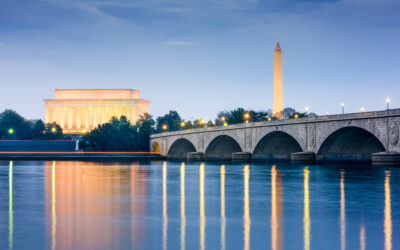
President Donald Trump is proposing a massive triumphal arch in Washington, D.C., as part of his vision to mark America’s 250th birthday in 2026. The monument would sit near the Lincoln Memorial and permanently reshape one of the capital’s most iconic sightlines. He argues the structure would embody national pride, legacy, and unity. This arch is part of Trump’s broader effort to impose a lasting architectural legacy in the nation’s capital. His administration has already pushed classical design principles for federal buildings, and this proposal is arguably the boldest expression of that aesthetic and symbolic agenda. Design and Location: Victorious Vision The design draws heavily from classical and neoclassical traditions. It channels the Arc de Triomphe in Paris, the Washington Square Arch in New York, and Roman triumphal arches that historically celebrated victories. The intent: to communicate grandeur, strength, and continuity. Architect Nicolas Leo Charbonneau prepared a rendering featuring stylized eagles, wreaths, and a gilded winged angel holding a scepter. The angelic motif adds a mythic dimension, elevating the arch beyond a mere structure into symbolic narrative. (MORE NEWS: Trump Orders Military Pay Amid Government Shutdown) A proposal for a triumphal arch in DC for #America250, in the traffic circle in front of Arlington National Cemetery. America needs a triumphal arch! pic.twitter.com/JjwSZsOE9z — Nicolas Leo Charbonneau (@nic_charbonneau) September 4, 2025 The favored site is Memorial Circle, the green traffic circle between the Lincoln Memorial and Arlington National Cemetery. In proposed versions, the arch would surpass the Lincoln Memorial’s 99-foot height, giving it commanding presence. The site is underutilized and that the arch would unite important historic axes in Washington while completing the monumental landscape. Trump viewed a model of the proposed layout in the Oval Office last week: On Trump’s desk in the Oval Office today was a plan for a triumphal arch on the other side of the river from the Lincoln Memorial pic.twitter.com/PyulIhlmHE — Danny Kemp (@dannyctkemp) October 9, 2025 Political Philosophy and Monumental Messaging The arch reflects this administration’s belief that federal architecture should represent tradition, permanence, and national identity. They emphasize the importance of classical design, noting that it conveys meaning, dignity, and pride in American heritage. They encourage traditional styles for new federal projects to promote beauty, balance, and timeless appeal. The triumphal arch embodies that vision. It would stand as a powerful symbol of unity and strength, showcasing the country’s enduring ideals through classical artistry. Washington, D.C., unlike many world capitals, has never had a grand arch to honor the nation’s achievements. This project would fill that gap and serve as a proud focal point for America’s 250th anniversary—a steadfast reminder of faith, freedom, and national purpose. Engineering, Funding, and Bureaucratic Hurdles The administration has not published a formal cost estimate or construction timeline, leaving many questions unanswered. (MORE NEWS: Melania Trump Helps Reunite Ukrainian Children Amid War) Integrating the arch into existing traffic flow poses additional challenges. Memorial Circle is a heavily used traffic hub, and planners must ensure the monument doesn’t disrupt access, visibility, or the integrity of adjacent landmarks. Some debate centers on whether a temporary or permanent arch is more prudent. Early reports considered a temporary structure tied to the 2026 celebrations; others now suggest a permanent installation is under serious consideration. Part of a Larger Semiquincentennial Agenda The triumphal arch is only one element in Trump’s “America 250” initiative. The broader plan includes a Great American State Fair, the Patriot Games (a national youth sports competition), and the revival of the National Garden of American Heroes. The administration aims to fill the semiquincentennial year with festivals, ceremonies, and symbolic projects. Earlier, President Trump led a grand military parade in Washington to honor the U.S. Army’s 250th anniversary. The event showcased American strength, unity, and appreciation for the men and women who serve the nation. It also reflected the pride and pageantry that will define America’s 250th birthday celebrations in 2026. The proposed monument builds on that same spirit of patriotism. It represents a lasting tribute to the country’s history, its heroes, and its bright future. Designed to stand for generations, the monument would serve as a proud symbol of national unity and achievement—a centerpiece for celebrating America’s founding ideals and lasting strength. Final Thoughts: A Monument to America’s Strength and Spirit President Trump’s triumphal arch vision stands as a proud tribute to America’s 250th birthday and its enduring legacy. The project reflects a vision of unity, strength, and faith in the nation’s future. If built, the arch would become a lasting symbol of the country’s achievements and a celebration of the values that have guided it for two and a half centuries. The Semiquincentennial celebration—“America 250”—offers a rare opportunity to honor the country’s founding ideals with dignity and pride. The proposed arch embodies those ideals in stone, representing courage, freedom, and perseverance. It would join the Lincoln Memorial, the Washington Monument, and other national landmarks as a reminder of America’s journey and the greatness of its people. As the nation prepares for this historic milestone, the triumphal arch promises to inspire generations to look forward with hope while remembering the strength and sacrifice that built the United States. Standing tall in the capital, it would serve as a powerful emblem of unity—celebrating not only America’s past but the unyielding promise of its future. Cut Through the Noise. Slice Through the Lies. Share the Truth. At The Modern Memo, we don’t tiptoe around the narrative—we swing a machete through it. The mainstream won’t say it, so we will. If you’re tired of spin, censorship, and sugar-coated headlines, help us rip the cover off stories that matter. Share this article. Wake people up. Give a voice to the truth the powerful want buried. This fight isn’t just ours—it’s yours. Join us in exposing what they won’t tell you. America needs bold truth-tellers, and that means you.
Des Moines Superintendent Arrested by ICE: Fake Degrees, Crimes
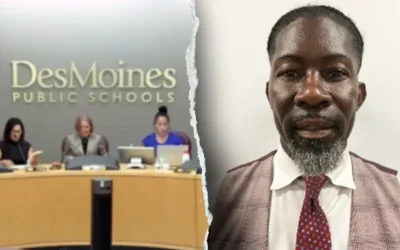
A major scandal has erupted in Iowa. Authorities arrested Ian Andre Roberts, then–superintendent of Des Moines Public Schools, raising fresh questions about his past. Investigators say his history includes drug convictions, weapons charges, fraudulent credentials, and immigration violations. As the full account unfolds, officials and the public alike are demanding answers. Background: From Education Leader to Arrested Suspect Roberts began working as superintendent in Des Moines in 2023. At first, there were few signs that serious legal trouble loomed. However, when U.S. Immigration and Customs Enforcement agents moved in on September 26, Roberts attempted to flee. They pursued his vehicle, found him hiding in nearby brush, and ultimately took him into custody. His ICE arrest triggered a bombshell disclosure by the Department of Homeland Security. In a public statement, DHS asserted Roberts had a long record of criminal conduct and maintained he should never have been serving in a role overseeing children. Shortly after, Roberts resigned his position. (MORE NEWS: Apple Pulls ICE-Tracking Apps from App Store) Criminal Allegations: Drugs, Guns, and Fraud The roster of charges against Roberts is extensive and severe. Investigators allege that a search of his home revealed multiple firearms: a loaded 9 mm pistol tucked under a couch cushion, a rifle in the master bedroom closet, and a shotgun behind a headboard. Moreover, one handgun was found in a vehicle he used while fleeing ICE. 🚨Holy crap. DHS just released more info on the Iowa school superintendent and illegal alien Ian Andre Roberts. He has a very long, violent criminal record, combined with immigration fraud. He also voted in elections. pic.twitter.com/lZDeRJKmnw — Katie Pavlich (@KatiePavlich) October 3, 2025 But weapons are not the only concern. The DHS and FBI allege Roberts has a decades-long history of drug crimes. In New York, his record reportedly includes criminal possession of narcotics with intent to sell, forgery, and related offenses dating back to the mid-1990s. In Pennsylvania, the accusation includes unlawful possession of a loaded firearm in 2022. On top of that, Maryland records allegedly show reckless driving, unsafe operation, and speeding convictions from 2012. Compounding these allegations are claims that Roberts also held fake or unverified academic credentials. He listed Morgan State University as his alma mater and claimed to be an incoming MBA candidate at MIT’s Sloan School of Management. But Morgan State confirmed to the Des Moines Register that he attended without earning a degree. MIT’s registrar also told the Register that no record exists of him ever being enrolled in that program. Immigration Violations and Status Issues Beyond criminal allegations, Roberts faces severe immigration-related accusations. DHS says he entered the U.S. multiple times under different visas—first as a visitor, then on a student visa in 1999. An immigration judge in Dallas ordered his removal in absentia in May 2024. Nevertheless, Roberts filed applications for work authorization in 2000, 2018, and 2019—each granted for just one year. Those ultimately expired. (MORE NEWS: Cartel “La Diabla” Busted for Baby, Organ Ring in Mexico) DHS also claims Roberts was illegally registered to vote as a Democrat in Maryland, raising serious concerns about voter registration controls. While some aspects remain under investigation, the combined allegations portray a complex web of alleged misconduct. Impact on Public Education and Trust The arrest has rattled the Des Moines Public Schools system. The school board initially placed Roberts on paid leave, then switched to unpaid leave, and finally accepted his resignation. Many parents, teachers, and stakeholders feel blindsided. How did someone with such a background secure a leadership role in a major school district? Furthermore, the scandal calls into question hiring and vetting practices in public education. If school systems failed to detect fictitious degrees or an extensive criminal history, then oversight mechanisms may be deeply flawed. Beyond internal processes, the case risks damaging public confidence. Schools play a central role in community trust. When a leader falls under suspicion for crimes and deceit, that trust erodes quickly. Des Moines Public School Board is now suing JG Consulting: 🚨 BREAKING: The Des Moines Public School Board is now deflecting all responsibility for hiring former Superintendent Ian Roberts by taking legal action against the search firm that assisted in the hiring, JG Consulting. Roberts passed background checks conducted by both JG… pic.twitter.com/RPdqgRFPp0 — Dustin Grage (@GrageDustin) October 3, 2025 Voices from DHS and Reactions In response, DHS Assistant Secretary Tricia McLaughlin stated: “Ian Andre Roberts, a criminal illegal alien with multiple weapons charges and a drug trafficking charge, should have never been able to work around children. When ICE officers arrested this Superintendent, he was in possession of an illegal handgun, a hunting knife, and nearly $3,000 in cash. This criminal illegal alien is now in U.S. Marshals custody and facing charges for being an illegal alien in possession of a firearms. Under Secretary Noem, ICE will continue to arrest the worst of the worst and put the safety of America’s children FIRST.” Meanwhile, local and state-level officials have faced pressure to explain how Roberts gained access to influential education roles. As more revelations emerge, the scrutiny has intensified. Conclusion: A Scandal That Demands Clarity The arrest of Ian Andre Roberts marks a serious and complicated turning point in public education oversight. The charges span drugs, weapons, fraud, and immigration violations. His alleged falsification of academic credentials only deepens the concerns. In the wake of the revelations, Des Moines Public Schools faces not only legal fallout but a crisis of credibility. As authorities move forward, stakeholders and the public alike deserve transparency and reform. Through this case, we are reminded that leadership roles—especially those entrusted with children’s lives and future—demand rigorous scrutiny. Public systems must apply higher standards, not lower them. If that standard is not met, the consequences affect more than one man—they affect the integrity of public education itself. Forget the narrative. Reject the script. Share what matters. At The Modern Memo, we call it like it is — no filter, no apology, no corporate leash. If you’re tired of being lied to,…
Atlantic Fury: North Carolina Homes Collapse into the Ocean
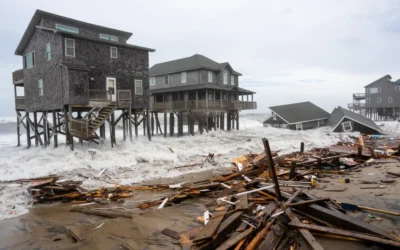
Recent storms battered the North Carolina coast, and the damage was dramatic. On September 30, powerful waves generated by Hurricanes Humberto and Imelda caused at least six beachfront homes in Buxton—on the Outer Banks—to crumble and fall into the sea. Fortunately, no one was hurt because the houses were unoccupied at the time. These collapses highlight how vulnerable the barrier islands are to erosion, shifting sands, and storm surge. This is not the first time it has happened. Since 2020, nearly 20 privately owned homes in the same region have already been lost to surf and erosion. (MORE NEWS: General Motors CEO Pulls Back on EV Ambitions) Storms Offshore, Damage Onshore Although both Humberto and Imelda stayed offshore, their effects reached the coast. Hurricane Imelda, despite not making landfall, pushed strong winds, rain, and heavy surf toward the U.S. East Coast. Meanwhile, Humberto added to the turmoil by sending more swells toward the shoreline of North Carolina. Because the storms remained out at sea, many inland areas escaped serious flooding and wind damage. However, the surf zones bore the full force of pounding waves. The National Park Service warned that hazardous debris and shifting sands would linger along the beaches and require caution for days. The Collapse: How It Happened In Buxton, five houses on stilts collapsed within a 45-minute span on Tuesday afternoon. Later that night, a sixth home fell. Dramatic footage showed one structure swaying precariously before disintegrating and plunging into the surf. Wood, debris, and pieces of siding littered the beach in the aftermath. Drone video captured homes that collapsed into the ocean on North Carolina’s Outer Banks on Tuesday amid rough surf from dual hurricanes off the Southeast coast. Five homes fell within a 45-minute period on Tuesday afternoon, and a sixth fell overnight. https://t.co/f8zQoRYVLd pic.twitter.com/U66IOjihPN — AccuWeather (@accuweather) October 1, 2025 These were not ordinary homes. Most were built on pilings or stilts to protect against tides, but the combined assault of waves and undermined foundations proved too much. The erosive power undercut the supports until the structures lost balance and tipped into the water. Officials closed off the area around the collapses. They also shut down parts of Highway 12 and halted ferry service between Ocracoke and Hatteras, citing danger from debris and unstable roadways. Official Response: National Park Service and Local Agencies The National Park Service (NPS) has confirmed the collapse of the homes and urged caution. A spokesperson for the Cape Hatteras National Seashore said staff were actively working to remove debris and monitor risk areas. They also told the public to avoid walking on the beach near the collapse zone. In a previous collapse in Buxton, NPS officials said they would clean the area south of the site, and the homeowner had hired a contractor to remove remaining structure and debris. That incident was the 12th home to collapse along the seashore in five years. Dare County’s Planning Director, Noah Gillman, has also weighed in. He noted that more than 30 structures in the area had been decertified for occupancy due to erosion damage, including harm to stairs and septic systems. He pointed out that many of the collapsed properties had already lost the required separation from the shoreline. Local governments are now discussing options such as potential relocations, stricter setbacks, or buyouts. Officials from the North Carolina transportation department closed parts of Highway 12 and halted ferry crossings in the area until safety could be assured. The closures aimed to protect residents and travelers from danger posed by debris, shifting sands, and instability. A Coast Under Pressure These events are part of an ongoing struggle along the Outer Banks, North Carolina. Beach erosion has steadily eaten away at the shoreline, leaving some homes standing precariously close to the surf. Even when storms remain offshore, their wave energy can be destructive enough to trigger collapses like those seen in Buxton. The geography of the barrier islands makes them particularly vulnerable. Shifting sands, narrow beaches, and exposure to open Atlantic swells mean that conditions can change quickly. For residents and property owners, this creates constant uncertainty. The Human and Policy Dimension While no one was injured in these North Carolina collapses, the impact on property owners and the community is significant. For many, these homes represented investments, memories, and part of the local economy. Their loss raises difficult questions about the future of oceanfront development. Local officials face the challenge of balancing safety, tourism, and property rights. Stronger building codes and better enforcement of setback requirements may help, but erosion continues to place many structures at risk. In some cases, officials may have to consider buyouts or relocation programs for the most threatened properties. The costs of cleanup also fall on local agencies and the National Park Service. Debris removal, beach safety patrols, and roadway repairs require time, labor, and funding. Looking Ahead: Lessons and Warnings North Carolina is no stranger to hurricanes and flooding. But the collapse of homes in Buxton is still a stark reminder that the ocean’s power should never be underestimated. Even when hurricanes remain offshore, the waves and surf they generate can cause serious destruction. When homes are built too close to the waterline in areas that see high water during hurricanes, disaster is not a surprise — it is expected. The ocean shifts beaches, pushes storm surge inland, and leaves little margin of safety for houses standing only feet from the tide. And this isn’t about climate change. You can’t blame the consequences of risky building decisions on the climate. When people choose to build in the path of storm surge and pounding waves, the risk is built in from the start. The shoreline is always moving. Homes positioned too near the surf will remain in jeopardy, and events like this will continue to shape the future of the Outer Banks. By planning ahead and preparing, local communities may reduce losses — but the ocean’s power will always be a formidable force. Unmask the Narrative….

Al-Qaida Threat Prompts Federal Warning to Law Enforcement
Al-Qaida Isn’t Done With America More than twenty years after the 9/11 attack, Al-Qaida is reminding the world it’s still out there. A new report from the National Counterterrorism Center (NCTC), the group and its Yemen-based branch, Al-Qaida in the Arabian Peninsula (AQAP), are once again urging attacks inside the United States. The report, intended to inform law enforcement, warns that this “highlights its persistent and enduring threat to the country, US officials, and public safety.” What makes this alarming is that AQAP isn’t just another affiliate. It is “the only affiliate to have successfully enabled an attack in the homeland.” That fact makes its propaganda especially concerning for law enforcement and security officials. (MORE NEWS: Utah Arrests: Explosive Device Found Under Fox News Vehicle) Propaganda Made for America In July 2025, AQAP released the 10th edition of its Inspire Guide. Written in English, the magazine was clearly designed to reach people inside the U.S. The NCTC report notes that it “celebrated recent attacks in the US and called on its supporters in the homeland to conduct attacks, using simple attack methods, such as firearms, explosives, knives, vehicle-rammings, or Molotov cocktails.” The guide didn’t stop at methods. It pointed out “that proper targets were individuals or organizations that support Israel, as well as law enforcement and the government.” It also added that large protests or civil disturbances could be used as cover for terrorism. In short, it gave a blueprint to anyone angry enough to act. Al-Qaida Leadership Pushes Harder This isn’t just propaganda magazines. The group’s leaders are putting their voices directly behind these threats. In June, AQAP leader Sa’d Atif al-Aulaqi released a video titled Inciting the Believers. In it, he called for attacks against “the US President, Vice President, Secretaries of Defense and State, members of Congress, their families, and at least one private US citizen.” His justification was chilling. Aulaqi urged revenge and declared that “reciprocity is legitimate,” adding there was “no distinction between civilian and military targets.” That statement signals a wide-open call to violence with no boundaries. (MORE NEWS: BREAKING: Charlie Kirk Memorial: Armed Man ID’d at Stadium) The group released another Inspire Guide in June, focused on what it called “A Message Beyond Bullets: Attack on the Jewish Capital Museum in Washington, D.C.” The article encouraged lone actors in America to carry out violence. Intelligence officials believe it was an attempt to exploit anger over the killing of two Israeli Embassy employees in May. Same Old Playbook If this all sounds familiar, it should. The NCTC report points out that “many of the suggested target themes in recent al-Qa‘ida threats are consistent with the group’s post 9/11 attack plots in the homeland.” Aviation, symbolic or economic sites, U.S. government and military facilities, and public spaces all remain at the top of the terror group’s list. For example, AQAP tried to bomb planes in 2010 by hiding explosives in printer cartridges. In 2009, the so-called “underwear bomber” nearly took down a flight to Detroit after being trained by AQAP leaders. And of course, the most infamous example remains September 11, 2001, when nearly 3,000 people were killed in coordinated hijackings. This recycling of themes shows that while tactics may change, the targets haven’t. Al-Qaida knows what creates panic and draws headlines, and it hasn’t forgotten. U.S. Officials Step Up Warnings The recent spike in threats prompted the Office of the Director of National Intelligence (ODNI) and the NCTC to push new information to federal, state, and local law enforcement. Director of the National Counterterrorism Center, Joe Kent posted on X stay vigilant: The ODNI press release emphasized that cooperation between the intelligence community and law enforcement “has never been stronger.” It credited President Trump’s policies, saying they “have ensured that America is more prepared than ever to respond to and address any threat directly, rapidly, and with strategic coordination.” NCTC Director Joe Kent underscored the urgency: “The relentless pursuit of our enemies means clearly defining and understanding them… Constant vigilance includes guarding our borders and ensuring our communities are informed. We have the knowledge and leadership to keep America safe.” He noted that NCTC and its partners are monitoring “24/7 to thwart these attacks and keep Americans safe.” What This Means for Communities For law enforcement, the message is clear: stay alert, share intelligence quickly, and be ready for lone actors who may move without warning. For communities, it’s a reminder that crowded places like airports, major events, and symbolic public spaces can still attract attention from terrorists. Event organizers and local officials need to plan security with these low-tech attack methods in mind. While nobody wants daily life to feel locked down, balancing openness with protection is essential in today’s environment. The Bottom Line Al-Qaida hasn’t gone anywhere. AQAP is blasting out English propaganda, its leader is urging violence against U.S. officials and civilians, and its guides are eyeing protests and public gatherings as targets. In other words, the group is recycling old tactics for a new audience. The NCTC put it plainly: “Al-Qa‘ida’s resurgence of calls for attacks in the homeland highlights its persistent and enduring threat to the country, US officials, and public safety.” That’s why the response cannot be passive. America won’t look away. Vigilance is more than a strategy—it’s survival. And as long as terrorists call for blood, the United States will meet them with strength, unity, and an unshakable resolve to protect its people. Expose the Spin. Shatter the Narrative. Speak the Truth. At The Modern Memo, we don’t cover politics to play referee — we swing a machete through the spin, the double-speak, and the partisan theater. While the media protects the powerful and buries the backlash, we dig it up and drag it into the light. If you’re tired of rigged narratives, selective outrage, and leaders who serve themselves, not you — then share this. Expose the corruption. Challenge the agenda. Because if we don’t fight for the truth, no one will. And that fight starts with…