

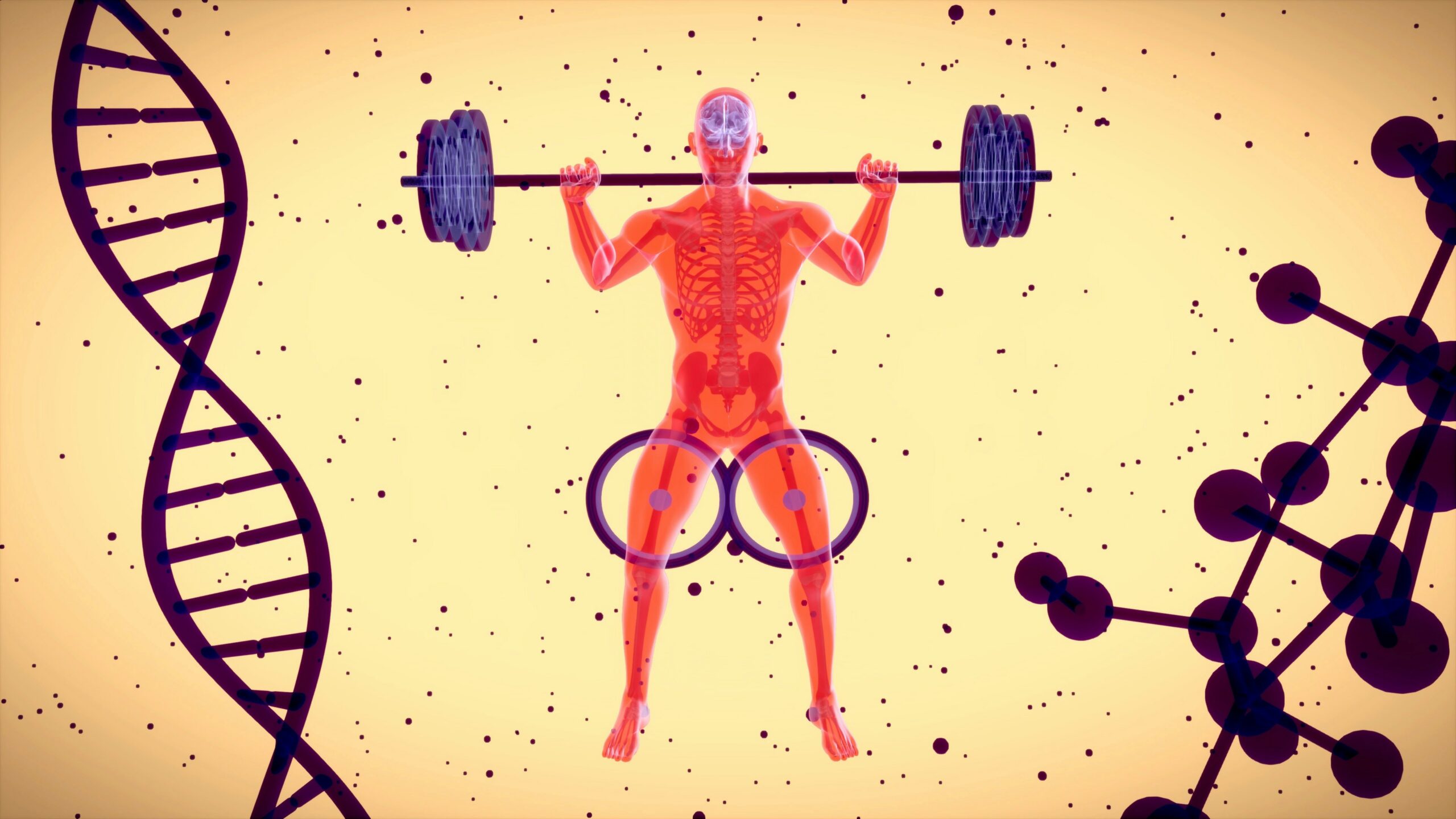
Defense Secretary Pete Hegseth’s decision to launch annual testosterone screening for service members has kept the Pentagon in the headlines for weeks, and as troops begin rolling into the new program, the underlying medical question at its center — who actually needs testosterone therapy, and does it genuinely improve military readiness — is drawing fresh scrutiny from doctors and researchers even as the administration frames it as a straightforward readiness upgrade.
What the Policy Actually Does
Hegseth announced the initiative, dubbed informally the “High-T Department of War,” in a video posted to social media, framing it as essential to maintaining what he called troops’ “biological foundation” for combat readiness. Under the program, service members age 30 and older will be screened annually for testosterone deficiency as part of their existing periodic health assessment, while troops younger than 30 will have the option to request testing voluntarily. Any resulting treatment — specifically testosterone replacement therapy, or TRT — will remain entirely voluntary regardless of a service member’s test results.
“While we invest heavily in our weapon systems, platforms and gear, our most decisive tactical advantage will always be the individual warfighter,” Hegseth said, framing the screening as an extension of the department’s broader focus on optimizing service members’ physical readiness. “We have a sacred duty to maintain that advantage, which is why we must constantly look for new ways to optimize your performance, your resilience and your long-term health.”
The Case Supporters Make
Backers of the initiative argue it reflects legitimate, if underappreciated, medical science. Testosterone levels decline naturally in men starting in their 30s and 40s, and researchers have documented specific ways military service itself can accelerate that decline. Army Major Theodore Crisostomo-Wynne, a urologist at Madigan Army Medical Center speaking in a personal capacity at a 2025 FDA panel, explained that the intense physical and psychological demands placed on service members can measurably lower testosterone, sometimes temporarily and sometimes over the long term. He noted particular concern within the special operations community, where researchers have identified a cluster of symptoms they’ve begun referring to as “Operator Syndrome” — a pattern of hormonal and related health disruptions tied to the extreme demands of that role.
Then-FDA Commissioner Marty Makary cited a 2007 study during that same panel indicating that roughly 5.6% of men aged 30 to 79 have both low testosterone and associated symptoms, including depression and decreased strength — numbers proponents argue justify routine, low-cost screening rather than leaving a meaningful subset of the force to go undiagnosed. From this vantage point, identifying and voluntarily treating a real, documented medical condition among service members is simply good, proactive military medicine, not unlike routine screening for other treatable conditions that could otherwise degrade a service member’s health or performance over time.
Where the Skepticism Comes In
Not everyone in the medical and public health community is convinced the policy, as designed, will accomplish what it claims. Some researchers and outlets covering the announcement have noted that Hegseth’s messaging blends genuinely established science about testosterone’s role in male physiology with broader claims about its performance benefits that are less rigorously substantiated in the medical literature — particularly claims implying that boosting testosterone in men without a clinically diagnosed deficiency would meaningfully improve combat performance.
There’s also a notable regulatory wrinkle underlying the whole program: the FDA’s approval for testosterone replacement therapy is specifically limited to men with a diagnosed medical condition affecting natural hormone production, not simply age-related decline or a desire for enhanced performance. How the military’s screening and treatment protocol will square with that narrower approved use — and whether it risks blurring the line between treating a legitimate deficiency and pursuing performance enhancement — remains an open question that outside researchers have pressed the Pentagon on directly.
Hegseth has pushed back on that characterization preemptively, stating the initiative is “not about artificial enhancement.” Even so, the Pentagon has not detailed what specific research or academic studies underpin the policy’s design, according to reporting from multiple outlets that sought clarification from the department.
Unanswered Operational Questions
Beyond the medical debate, a number of practical and administrative questions about the rollout remain unresolved. The Defense Department has not specified when screening will formally begin, what the added testing will cost, or how implementation will be phased in across the Army, Navy, Air Force, Marine Corps, and Space Force. It’s similarly unclear how a positive deficiency result will be documented, who within the chain of command or medical system will have access to that information, and whether a diagnosis could have any bearing on a service member’s assignments, deployability, or career trajectory going forward — questions that matter significantly to troops even if participation in resulting treatment is technically voluntary.
The Pentagon has also declined to say whether the initiative extends to female service members in any comparable form. When asked directly whether women in uniform would receive annual hormone screenings and be offered access to therapies addressing their own hormonal changes — for instance, screening related to perimenopause — the department did not provide additional detail, instead referring back to Hegseth’s original video announcement. That silence has drawn its own share of questions about whether the initiative, despite gender-neutral language about “warfighters,” is designed with only male service members in mind.
Part of a Broader Administration Push
The military’s new screening program doesn’t exist in isolation. It reflects a broader effort within the current administration to expand public access to and awareness of testosterone replacement therapy more generally, with officials at the Department of Health and Human Services under Secretary Robert F. Kennedy Jr. having separately floated proposals aimed at easing access to the treatment for men outside the military as well. Supporters see this as a coherent, deliberate effort to modernize how the health system approaches a widely under-discussed aspect of men’s health; critics see a policy area where enthusiasm may be outpacing the strength of the underlying clinical consensus.
What to Watch Going Forward
As the program moves from announcement to actual implementation across the services, the practical rollout details the Pentagon has yet to answer — cost, timeline, data privacy, and career implications chief among them — will likely determine how the policy is ultimately judged by service members themselves. In the meantime, the broader medical question the initiative has reopened — how testosterone decline should be diagnosed and treated, and in whom — is likely to remain a live topic of debate among physicians and researchers well beyond the military context, given the parallel push to expand access to the therapy more broadly across the civilian population as well.
This story is developing. If hormone therapy or a related health concern is something you or a loved one is navigating personally, consider speaking with a licensed physician about your specific situation.
