

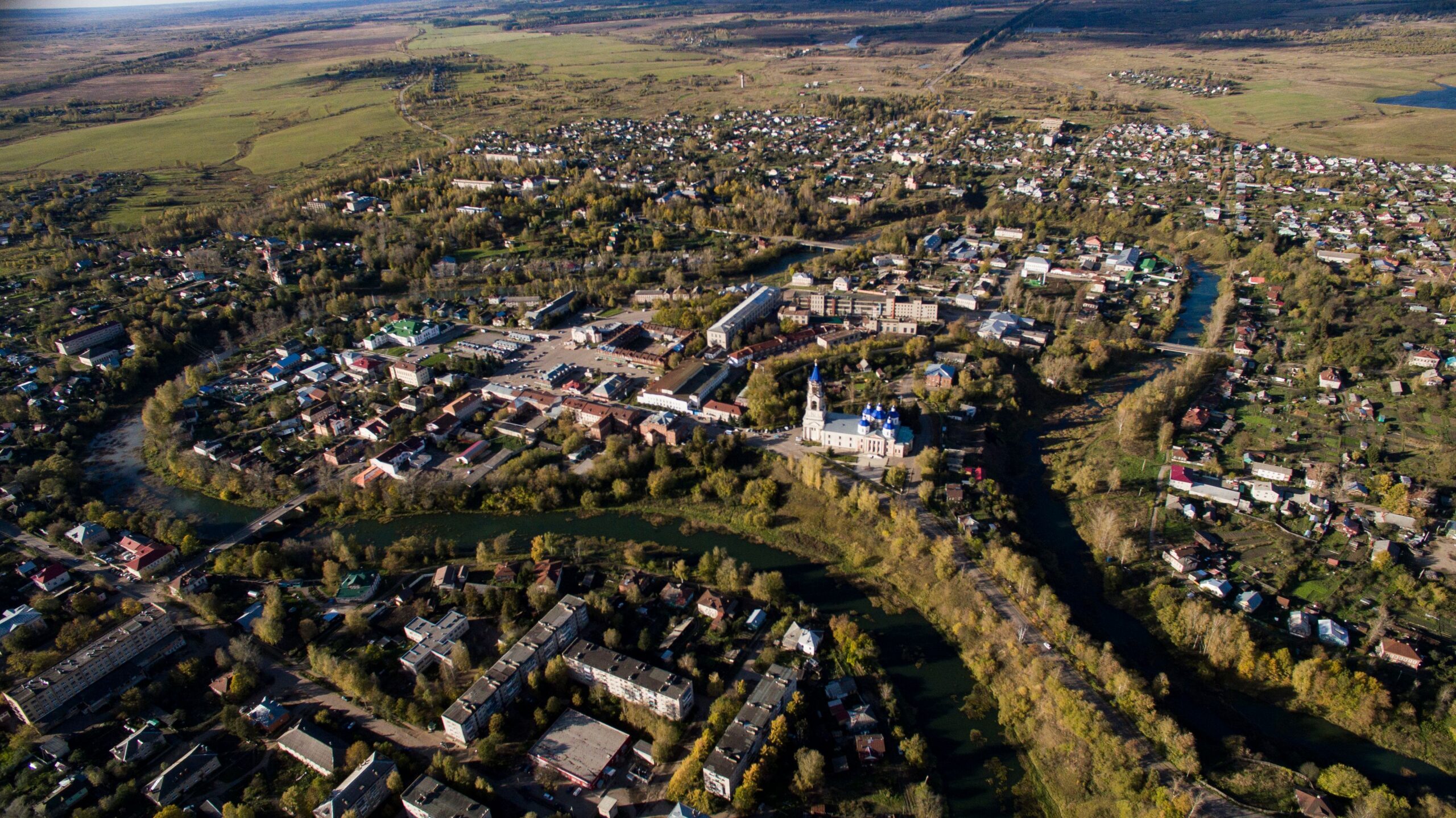
A Ukrainian drone strike on the Russian city of Nizhnekamsk killed 13 people, including a child, and wounded 75 others on Monday, regional authorities said, in one of the deadlier single strikes of a sustained Ukrainian campaign against Russia’s oil refining infrastructure that has now dragged the country’s fuel supply into its second year of sustained disruption.
What Happened
Authorities in Russia’s Tatarstan region confirmed the death toll following the strike, which the Ukrainian military said targeted an oil refinery in the city. Russian officials did not publicly confirm what the drones were aiming at, but Nizhnekamsk is a significant refining hub, home to two separate refineries as well as a major petrochemical plant — making it a logical target within Ukraine’s broader campaign to degrade the revenue and fuel supply that sustains Russia’s war effort.
Ukraine has targeted Russian oil facilities with long-range drones nearly every day in recent months, part of a strategy Kyiv has pursued with increasing intensity since a dramatic escalation began in the second half of 2025. The strategy’s stated logic is straightforward: Russia’s oil and gas exports remain one of the Kremlin’s primary sources of war financing even amid extensive Western sanctions, and damaging domestic refining capacity simultaneously starves military fuel supplies while pressuring Russian civilians and, by extension, the political leadership overseeing the war.
A Fuel Crisis Now Well Into Its Second Year
Monday’s deadly strike is only the latest chapter in what has become a sustained, nationwide Russian fuel crisis. The trouble began in earnest in August 2025, when Ukraine dramatically ramped up drone strikes on Russian energy infrastructure, hitting more than a dozen facilities in a three-week span, concentrated heavily in Ryazan and Volgograd Oblasts. A late-August strike on the Ryazan refinery — one of the primary arteries supplying fuel to Moscow — was described by independent oil and gas analyst Boris Aronstein at the time as triggering “the most severe crisis in recent years,” with Russia’s repair capacity unable to keep pace with the frequency and coordination of the drone waves.
The damage rippled outward from there. Crimea and Russia’s far east were the first regions to experience shortages, and by late September the problems had spread into the Volga river region and southern and central Russia. Forbes reported that conditions deteriorated quickly nationwide, with rising prices, rationing, long lines at gas stations, and pumps running dry in some areas.
Nearly Every Region Now Affected
Nearly a year later, the crisis hasn’t resolved — if anything, analysts say it has deepened. According to CNN’s analysis, nearly all of Russia’s 83 regions are now experiencing gasoline shortages or supply disruptions of some kind, with widespread rationing at gas stations. Sumit Ritolia, lead analyst for refining supply and modeling at commodities intelligence firm Kpler, estimated Russian gasoline production is currently running around 20% below domestic demand as a direct consequence of the sustained Ukrainian strikes, with refinery throughput sitting at multi-year lows.
What’s changed compared to previous bouts of Russian fuel shortages, analysts say, is the sheer scale and persistence of the current campaign. “The key difference is the scale and persistence of the attacks,” Ritolia said, noting that Russia is also still working through repair backlogs from the previous year’s strikes even as new attacks continue to arrive. Sergey Vakulenko, a former longtime Russian oil and gas industry veteran now at the Carnegie Russia Eurasia Center, described the dynamic in stark terms: “In this race between the repairers and the attackers the balance is shifting” — in Ukraine’s favor.
Repeated Hits on Major Refineries
The strikes have repeatedly targeted some of Russia’s largest and most economically significant refineries. The Slavneft-YANOS facility in Yaroslavl — among Russia’s top-five largest refineries, with the capacity to process up to 15 million metric tons of crude annually — has been struck seven separate times in 2026 alone, according to reporting from the Kyiv Post, forcing repeated temporary shutdowns at a plant majority-owned by Russian state energy giants Rosneft and Gazprom.
Ukrainian President Volodymyr Zelenskyy has been direct about the strategic rationale behind the sustained campaign, arguing that Russia’s energy sector both funds and directly fuels the broader invasion, and that continuing to degrade it is one of the more effective non-front-line levers Ukraine has to pressure Moscow. Western analysts broadly agree the strikes have had a real battlefield effect as well, with some assessing that the fuel disruption has measurably slowed Russian military logistics and added to pressure on the Kremlin to eventually return to serious negotiations.
Moscow’s Response So Far
Russia has taken emergency measures to try to manage the fallout, including a suspension of gasoline exports intended to preserve domestic supply while damaged refineries are repaired. Those stopgap measures, however, have so far failed to meaningfully outpace the continuing tempo of Ukrainian strikes, and the shortages have persisted and in some respects worsened over the past year rather than resolving.
The Bigger Strategic Picture
For supporters of continued Western military and intelligence support to Ukraine, the sustained success of this campaign is held up as clear evidence that Kyiv retains real capability to impose meaningful costs on Russia more than four years into the war, using long-range drone technology developed and scaled largely with Western backing. The strategy also carries a harder edge that’s drawn less public attention until strikes like Monday’s: refinery and energy-infrastructure targets sit inside populated Russian cities, meaning civilian casualties — like the 13 killed and 75 wounded in Nizhnekamsk — are increasingly a feature of this phase of the war rather than a rare exception.
What Comes Next
With Ukraine showing no signs of scaling back the pace of its refinery campaign and Russia continuing to struggle to keep repair efforts ahead of new strikes, the fuel crisis appears likely to remain a persistent feature of the Russian home front for the foreseeable future. How much longer Moscow can absorb the economic and political costs of nationwide fuel shortages — even as it continues prosecuting the broader war — remains one of the more closely watched open questions among Western analysts assessing the conflict’s overall trajectory as it heads deeper into its fifth year.
This story is developing.
