

The Replacement Racket: Fury Erupts as U.S. Corporate Giants Fire Thousands of American Workers After Securing Massive Foreign Visa Allotments
A toxic collision between corporate downsizing and the federal immigration system has ignited an absolute firestorm on Capitol Hill and across social media. Following separate, massive restructuring rounds where multi-billion-dollar American brands collectively terminated thousands of domestic employees, independent watchdogs revealed that these exact same corporations successfully filed thousands of petitions to import cheaper foreign labor. The localized fury erupted after data from U.S. Citizenship and Immigration Services (USCIS) confirmed a stark operational paradox: while tech and corporate titans like Oracle Corporation and Amazon executed sweeping layoffs—including an automated 6:00 a.m. email blast that severed roughly 1,600 domestic roles in a single morning—they concurrently secured a massive pipeline of high-skilled guest worker visas. The revelation has blown the lid off long-simmering labor frustrations, prompting federal criminal investigations into systemic visa fraud and driving populist lawmakers to introduce historic legislation to freeze, overhaul, or outright abolish the controversial H-1B foreign worker visa framework to protect American citizens. At The Modern Memo, we break down the operational data exposing the corporate layoff-to-visa pipeline, the Department of Labor’s widening criminal fraud probe into foreign IT labor brokers, and the legislative guillotine being readied in Washington. The Data Paradox: Slashed Budgets and Surging Petitions The primary catalyst behind the current public anger is the cold, undeniable documentation proving that corporations are utilizing federal guest worker frameworks to systematically insulate their bottom lines at the direct expense of the domestic workforce. The 6:00 AM Guillotine: The emotional epicenter of the debate heavily centered on a recent organizational shakeup where internal corporate leadership notified an estimated 1,600 specialized American workers that their positions had been permanently eliminated “due to changing business needs.” The Visa Influx: However, public transparency logs indicate that the corporate entities implementing these domestic purges have maintained an aggressive reliance on the foreign guest worker matrix. USCIS tracking sheets show that the very firms slashing American white-collar jobs collectively filed more than 5,800 H-1B foreign worker petitions across the current fiscal cycle. The Slap in the Face: The corporate strategy has triggered unprecedented mutiny on professional networking platforms and anonymous corporate forums like Blind. Displaced American workers have aggressively slammed the filings as an absolute “slap in the face,” accusing corporate executives of using the rise of Artificial Intelligence (AI) as a PR smokescreen to hide a coordinated campaign to offshore high-paying domestic jobs to lower-wage foreign contractors. The Enforcement Storm: OIG Launches Comprehensive H-1B Fraud Blitz The corporate pushback has officially graduated from online venting into an active, high-stakes federal criminal crack down overseen by the executive branch. The Department of Labor’s Office of Inspector General (OIG) announced a sweeping, multi-agency investigation targeting widespread, coordinated schemes designed to game the H-1B lottery. Inspector General Anthony D’Esposito publically confirmed that federal investigators are acting on a high volume of inside whistleblowers who have documented how major international IT infrastructure firms—such as Cognizant—actively flood the application pools with fraudulent filings to monopolize the visa caps, exploit vulnerable foreign guest workers via coercive under-the-table kickbacks, and systematically lock qualified American professionals out of the tech sector. The Legislative Border Defense: Shifting to a $200,000 Wage Floor Faced with systemic corporate exploitation of existing immigration loopholes, a powerful coalition of populist lawmakers has introduced a pair of devastating bills engineered to permanently break the cheap foreign labor pipeline. The Crane Mandate: Leading the charge, Representative Eli Crane (R-AZ) introduced the End H-1B Visa Abuse Act of 2026. The aggressive statute would impose a mandatory three-year hard freeze on the issuance of all new H-1B visas, while permanently slashing the annual visa cap from 65,000 down to a maximum of 25,000. The Roy Wage Wall: Building on Crane’s framework, Congressman Chip Roy (TX-21) introduced the American White-Collar Worker Jobs Act of 2026. The bill entirely dismantles the lottery system, replacing it with an unyielding flat statutory wage floor of $200,000 per year for any foreign guest worker. By forcing corporations to pay premium, top-tier market rates for foreign talent, the bill effectively strips the tech lobby of its ability to use the visa system to source cheap labor. Tearing Down the Bridges: Crucially, the combined legislative packages would completely eliminate the Optional Practical Training (OPT) program—a heavily abused regulatory loophole that allows foreign university graduates to work in the U.S. tax-free for up to three years—and permanently bar H-1B visa holders from utilizing their employment status to adjust to permanent residency or secure Green Cards. Final Word The explosive national fury surrounding the mass termination of 1,600 American workers alongside a surge in foreign visa petitions is the definitive proof that globalist corporations view the American citizen as an entirely disposable line item. When you look past the hollow corporate statements regarding “global competitiveness” and analyze the cold, hard data—thousands of H-1B petitions filed by the exact same brands executing multi-thousand-person domestic layoffs, an active federal criminal investigation targeting multinational outsourcing giants for wage-undercutting, and congressional legislation moving to mandate a defensive $200,000 wage wall—you gain an unvarnished view of structural economic betrayal. Quality information replaces the corporate narrative of a “tech talent shortage” with the grim reality of state-facilitated wage suppression. By continuing to import thousands of foreign workers while casting their own loyal American employees aside via automated 6:00 a.m. termination notices, these corporate boards have overplayed their hand. Washington has officially run out of patience, and the populist movement is preparing an unyielding legislative response to ensure that American companies are forced, by law, to put American workers first.

The Evin Prison Crucible: Jailed Catholic Convert’s Hunger Strike Sparks Global Outcry as U.S. Demands Mass Release
The specialized apparatus of the Islamic Republic’s ideological inquisition has triggered a fierce international diplomatic confrontation. Following the severe, multi-year sentencing of a prominent female Roman Catholic convert inside Tehran’s notorious Evin Prison, the U.S. Department of State issued an unyielding ultimatum to the Iranian regime, demanding a halt to its ongoing campaign of systematic religious persecution. Ghazal Marzban, a 42-year-old Islamic law graduate who converted to Catholicism seven years ago, has been languishing behind bars following her violent rearrest by Ministry of Intelligence agents. In May 2026, the Islamic Revolutionary Court sentenced her to nine years and eight months in prison on a series of vaguely defined national security charges. To protest her draconian sentence and the state’s ongoing, punitive denial of life-saving medical care to her ailing husband, Marzban launched a devastating hunger strike, completely refusing food as her physical condition rapidly deteriorates. The high-stakes standoff has drawn a sharp, public response from Washington. The State Department issued a formal directive condemning Tehran’s weaponization of the judiciary to crush religious dissidents, demanding the “immediate and unconditional release of all political and wrongfully detained prisoners.” At The Modern Memo, we break down the operational lines of Iran’s synthetic crackdown on Christian converts, the tragic medical leverage used against Marzban’s family, and the data detailing the rise of underground house churches under the regime’s crosshairs. The Judicial Hammer: Judge Afshari’s 10-Year Edict The harsh legal penalties levied against Marzban represent a coordinated escalation by Iranian authorities to stamp out the visible spread of Christian conversions among highly educated professionals. The January Raid: On January 14, 2026, armed plainclothes intelligence operatives executed a sudden, unannounced raid on Marzban’s private residence in Tehran. Agents thoroughly ransacked the home, permanently confiscating her personal Holy Bible, rosaries, and Christian literature before hauling her to an undisclosed detention block managed by the Ministry of Intelligence. The Fabricated Indictment: Following weeks of aggressive, incommunicado interrogation where guards repeatedly pressured her to falsely confess that her personal texts were being used to operate an illegal evangelical ring, Marzban was brought before Branch 26 of the Tehran Revolutionary Court. The Sanctioned Jurist: The trial was overseen by Judge Iman Afshari—a hardline jurist previously placed under comprehensive European Union human rights sanctions for his brutal track record of executing political show trials. Judge Afshari found Marzban guilty of “propaganda against the state” and “gathering and collusion with the intent to disrupt national security,” packing her away for nearly a decade. The Human Toll: Parkinson’s Medication Blockade The unyielding cruelty of the case extends far beyond the prison walls, highlighting what human rights watchdogs describe as an calculated state effort to break the spirits of religious dissidents through familial destruction. The state-sponsored campaign against the family has been relentless since Marzban’s conversion. Human rights organization Article18 verified that state regulators barred her from sitting for her professional legal licensing exams due to her apostasy. Concurrently, state pharmaceutical boards have actively obstructed her husband’s ability to access critical, life-saving prescriptions required to manage his Parkinson’s disease. Mansour Borji, executive director of Article18, noted the tragic operational reality of the regime’s strategy, stating that because her husband is physically reliant on her daily care, removing Marzban from the home operates as an indirect death sentence for her spouse. The Silent Protest: Solitary Confinement and Starvation Faced with total institutional isolation inside the women’s ward of Evin Prison—a sector that has historically operated as the tactical epicenter of the “Woman, Life, Freedom” movement—Marzban has deployed the only weapon left at her disposal. Following her transfer to Evin, Marzban staged an intense verbal protest against the handling of her file, which prompted prison authorities to immediately lock her in a windowless solitary confinement cell for five consecutive nights. Refusing to succumb to psychological intimidation, Marzban escalated her resistance, entering a total hunger strike on May 25. External monitors confirm her body weight has plummeted to dangerous thresholds, yet prison medical staff have consistently refused to transfer her to an outside civilian hospital. The Underground Network: Iran Ranks 10th on Persecution Map The State Department’s sudden intervention arrives at a moment of extreme vulnerability for religious minority communities across the Middle East. Religious Freedom Metric Current Iranian Baseline (2026 Data) Systemic Impact on Minorities Open Doors World List Iran currently ranks 10th globally for extreme Christian persecution. Converts from Islam face immediate arrest, floggings, and property seizures. Persian-Language Churches Virtually 100% of open churches have been forcibly shuttered by intelligence teams. Forces all Christian worship underground into hidden, home-based cells. The Intelligence Grids CPNI reports a 40% surge in localized surveillance dragneys since January. Converts are legally barred from internal relocation or obtaining passports. A comprehensive June 2026 Country Guidance report finalized by international immigration investigators verified that the baseline for religious freedom in Iran has experienced a catastrophic, total collapse. Because the regime viewed Persian-language Protestant and Catholic services as a direct theological threat to the ruling Islamic theocracy, the Ministry of Intelligence successfully executed a total closure of all remaining open churches. Today, any citizen seeking to practice the Christian faith is forced to operate via unauthorized, high-risk underground networks, exposing them to the direct charge of participating in a “Zionist national security conspiracy.” Final Word The harrowing hunger strike of Ghazal Marzban inside Evin Prison is the definitive proof that the Iranian regime views the quiet, personal faith of a Catholic woman as an existential threat to its authoritarian survival. When you look past the standard diplomatic hand-wringing and focus entirely on the hard data—a mother and law graduate handed a 10-year sentence for owning a Holy Bible, the systematic withholding of Parkinson’s medication to break a family’s resolve, and the total eradication of public Persian-language churches across Iran—you gain an unvarnished view of an active, ideological inquisition. Quality information replaces the sterile geopolitical reporting with the cold reality of human survival under a totalitarian state. By launching an emergency diplomatic offensive and demanding the unconditional release of these prisoners of…

The Hormuz Firestorm: Trump Ends Ceasefire with Massive Blitzo-Strike on 90 Iranian Targets as Oil Markets Bracing for Escalation
The fragile peace in the Middle East has completely shattered. Months after an April truce temporarily halted open warfare, President Donald Trump declared the U.S.–Iran ceasefire officially “over,” releasing the full kinetic power of the American military against the Iranian coastline. In a massive, second consecutive night of heavy aerial bombardment, U.S. Central Command (CENTCOM) launched precise strikes against roughly 90 strategic targets deep inside Iranian territory. The intensive operation targeted the Islamic Revolutionary Guard Corps (IRGC) naval and missile networks lining the crucial Strait of Hormuz. The high-stakes military escalation has drawn an immediate, fiery response from Tehran, with Iranian officials warning of “grave consequences” and launching retaliatory missile strikes against regional targets in Kuwait, Qatar, and Bahrain. As the critical global shipping lane plunges back into a hot war, global oil markets have fractured into deep anxiety, triggering immediate spikes in crude prices and fueling widespread fears of an imminent surge at the gas pump. At The Modern Memo, we break down the operational anatomy of the 90-target blitz, the rapid unraveling of the performance-based April ceasefire, and the compounding shockwaves ripping through global energy security. The Coastal Blitz: CENTCOM Targets the IRGC Stranglehold The massive air operations executed on Wednesday night represent a calculated, structural effort to dismantle Iran’s ability to hold international commerce hostage in the Persian Gulf. The Two-Night Tally: Following an initial wave that neutralized 80 targets on Tuesday, the second night of operations expanded the dragnet to over 90 additional high-value sites. In total, the U.S. military has pounded more than 170 Iranian installations in less than 48 hours. The Target Profile: CENTCOM confirmed that the strikes utilized precision-guided munitions to obliterate active IRGC naval capabilities along the coast. The primary targets included air defense systems, coastal surveillance radars, surface-to-air missile batteries, hidden drone launch platforms, and military logistics hubs. Shredding the Swarm Fleet: Crucially, the initial waves of the offensive successfully eliminated more than 60 armed fast-attack small boats—the asymmetric backbone of the IRGC Navy used to swarm and hijack commercial oil tankers transiting the narrow waterway. The Broken Truce: Why Trump Canceled the Ceasefire The sudden slide back into full-scale hostilities is the direct consequence of what the White House labeled a series of unprovoked, “unacceptable” acts of maritime aggression by Tehran. The administration emphasized that the April agreement was entirely performance-based. Rather than utilizing the diplomatic window to de-escalate, intelligence analysts from the Institute for the Study of War (ISW) verified that Iran used the lull to covertly rebuild its strike capacity, deploy portable radar units, and reinforce its coastal missile batteries. When the IRGC launched successive projectile attacks against three separate commercial merchant ships within a 24-hour window, President Trump arrived at the NATO summit in Ankara, Turkey, and permanently tore up the deal. “Grave Consequences”: Iran Hits Back Across the Gulf Refusing to yield to the overwhelming display of American airpower, the Iranian regime has made it clear that it values absolute control over the traffic lanes of the Strait of Hormuz more than avoiding a catastrophic, large-scale conflict with Washington. The Regional Counter-Strike: Minutes after the smoke cleared from the second wave of U.S. strikes, the Iranian Ministry of Foreign Affairs issued an emergency declaration promising “unyielding retaliation.” Tehran rapidly activated its ballistic missile and drone arsenals, launching synchronized retaliatory strikes against military and logistical sites in neighboring Kuwait, Qatar, and Bahrain—nations that host critical American military infrastructure. The Shipping Lockout: The United Kingdom Maritime Trade Operations Centre immediately raised the threat level in the Strait of Hormuz to “severe.” Major maritime war insurers have issued emergency directives advising global shipowners to completely pause all voyages through the strait, leaving hundreds of vital commercial vessels stranded at regional anchorages. The Energy Shock: Oil Spikes as Summer Heatwaves Intensify The abrupt closure of a waterway that traditionally carries up to 20% of the world’s liquefied natural gas and petroleum supplies has sent immediate shockwaves through the global economy, threatening everyday consumers. Economic Indicator Immediate Market Reaction Long-Term Consumer Risk Brent Crude Oil Surged immediately following the U.S. strike announcements. High risk of pushing retail gasoline prices up by 15-20% within weeks. Maritime Insure Rates Multiplied overnight; some providers refusing coverage entirely. Adds massive premium surcharges to all international shipping costs. The Grid Burden Strained by record summer heatwaves under a strong El Niño. Compounds rolling blackout risks as fuel availability for utilities drops. Financial analysts warn that the timing of the conflict is uniquely catastrophic. A powerful, El Niño-fueled summer heatwave is currently baking Eastern Europe and the Mediterranean, driving public utility cooling demands to all-time highs. With global fuel reserves already lean after more than 100 days of sporadic shipping disruptions, a prolonged hot war in the Persian Gulf risks plunging international energy grids into severe volatility. Final Word The unprecedented American bombardment of 90 targets along the Iranian coastline is the definitive proof that the United States has completely abandoned the policy of diplomatic appeasement in favor of a total, kinetic restoration of maritime law. When you look past the standard geopolitical panicking and analyze the hard data—170 IRGC coastal targets obliterated in a 48-hour window, the immediate revocation of Iran’s multi-billion-dollar oil sanctions waivers, and the immediate spike in global energy markets as insurers flee the Strait of Hormuz—you gain an unvarnished view of a superpower closing a vise. Quality information replaces the theatrical diplomatic statements with the cold reality of raw structural warfare. Iran has gambled its entire economic and military future on its ability to threaten international waters; by completely erasing their maritime infrastructure and absorbing their regional counter-strikes, Washington has issued a permanent, unyielding declaration to the world: the freedom of international navigation is non-negotiable, and any regime that attempts to choke the lifeblood of the global economy will see its military assets turned to ash on the shore.

The Silent Locker Room: West Virginia Student Breaks Silence on Unaddressed Harassment Following Landmark Supreme Court Victory
A historic judicial correction at the nation’s highest court has given way to a deeply personal, sobering public reckoning in West Virginia. Following the U.S. Supreme Court’s landmark 6–3 ruling in West Virginia v. B.P.J.—which permanently upheld state laws restricting girls’ school sports teams to biological females—an affected student has stepped directly into the spotlight to expose the administrative failures that preceded the decision. Adaleia Cross, a student at Bridgeport High School, spoke out publically for the first time since the high court dismantled backdoor gender-identity mandates in school sports. Cross revealed that the ruling brought a profound “sense of peace” after years of enduring what she characterizes as systemic intimidation and explicit sexual harassment inside her school’s private spaces—complaints she alleges were completely ignored and swept under the rug by her local school district. At The Modern Memo, we break down the graphic details of Cross’s locker room allegations, the administrative silence from the Harrison County school system, and the legislative aftermath of the Supreme Court’s monumental ruling on Title IX. The Locker Room Flashpoint: Allegations of Graphic Harassment The legal battle surrounding the Save Women’s Sports Act was frequently framed by corporate media outlets as an abstract debate over trophies and track times. For Cross, however, the reality was a direct, inescapable invasion of her privacy. The Middle School Incidents: According to detailed accounts shared by Cross and her parents, the primary harassment materialized during the 2022–2023 academic calendar when Cross was an eighth-grade student and the transgender athlete at the center of the SCOTUS case, Becky Pepper-Jackson, was in the seventh grade. The Explicit Threats: Cross’s mother, Abby Cross, publically detailed the graphic nature of the verbal intimidation occurring inside the girls’ locker room at Bridgeport Middle School. The family alleges that Pepper-Jackson repeatedly targeted Cross and other young girls with explicitly aggressive, sexually charged remarks, threatening to perform non-consensual sexual acts on them and using vulgar anatomical references. The Psychological Toll: Cross described the locker room environment as a space of intense anxiety, noting that she and her fellow female peers felt completely trapped and unprotected by the school’s administration, who had granted the biological male student unfettered access to the biological female dressing quarters. The Administrative Stonewall: “Like Nothing Else Was Happening” The primary frustration anchoring the Cross family’s public outcry is not just the behavior of the student, but the total institutional failure of local school board officials to protect biological girls under their care. The Frozen Investigation: After gathering the courage to report the explicit comments to school administrators, Cross was initially promised a thorough, comprehensive investigation into the matter. The Total Blackout: The reality was a complete bureaucratic stonewall. “They told me they would do a full investigation into what I told them,” Adaleia revealed. “And then, all of a sudden, it was like nothing else was happening, it was done… they didn’t talk to us about it at all, they just left it there and didn’t tell us anything else.” The Institutional Armor: The family notes that the school district appeared to prioritize avoiding a high-profile civil rights clash with powerful outside progressive legal funds over the immediate physical safety and comfort of its female students. When pressed on the matter, the American Civil Liberties Union (ACLU)—which legally represented Pepper-Jackson—issued a protective statement asserting that the school district had investigated the reports and deemed them “unsubstantiated.” The Esther Mandate: Overcoming the Social Cost Standing up to challenge the powerful progressive legal establishment came at an immense, agonizing social cost for a 14-year-old student living in a close-knit West Virginia community. The Loss of Friends: Cross candidly revealed that choosing to join the legal coalition fighting to preserve women’s sports caused her to be completely ostracized by long-time peers. “The hardest part of the whole situation for me has been losing friends that I’ve had for years,” Cross admitted, noting that elementary school friends abruptly chose to have “nothing to do with me” once she stepped into the public arena. The Scripture Catalyst: Faced with isolating social pressure and intense personal fear, Cross credits a specific biblical passage for giving her the resolve to move forward. After praying for guidance, she opened her phone to find the verse of the day on her Bible application: Esther 4:14—“Perhaps you were created for such a time as this.” Cross notes that the text served as a permanent spiritual anchor throughout the multi-year litigation. The Shot Put Injustice: Before the Supreme Court delivered its final verdict, Cross and her peers were forced to watch as Pepper-Jackson went on to capture the girls’ state championship in the shot put event, physically displacing biological girls from the podium—an outcome Cross described as “extremely frustrating” for athletes who had trained their entire lives only to be defeated by undeniable biological reality. Final Word Adaleia Cross’s brave public testimony is the definitive proof that the push to integrate biological males into women’s private facilities is not a harmless gesture of inclusion—it is a policy that actively silences and endangers biological girls. When you look past the sterile press releases of the ACLU and focus entirely on the hard data—a Supreme Court ruling vindicating the physical safety of female sports categories, a high school student recounting graphic verbal intimidation in her middle school locker room, and a school board that chose bureaucratic self-preservation over executing a transparent investigation—you gain an unvarnished view of structural betrayal. Quality information replaces the progressive media’s polished narratives with the raw reality of the girls left behind in the dust of these policies. By forcing the nation to listen to the factual experiences of the students on the ground, Adaleia Cross has delivered a permanent, unyielding reminder to every school board in America: the safety, privacy, and dignity of biological women will no longer be sacrificed on the altar of radical institutional compliance.
The Peacemaker Retires: Princess Kate Refuses to Pull Prince William Back Into the Sussex ‘Circus’
The long-standing hope for a historic royal reconciliation in London has officially dissolved into absolute silence. As Prince Harry prepares for a highly anticipated trip to the United Kingdom, royal commentators and palace insiders have confirmed a profound shift within the Wales camp: Catherine, the Princess of Wales, has permanently stepped down from her self-appointed role as family peacemaker. Despite initial, conflicting tabloid reports suggesting that Kate was quietly pushing Prince William to orchestrate a meeting with his estranged brother, top royal experts have firmly corrected the narrative. Insiders reveal that the Princess is adamantly protecting her family’s emotional boundaries, completely refusing to allow her husband to be dragged back into what courtiers describe as a tiresome, media-driven “Sussex circus.” The absolute freeze comes at an already turbulent moment for the royal household, arriving just as Buckingham Palace abruptly withdrew an invitation for Harry to stay at a royal residence during his high-profile visit. At The Modern Memo, we break down the expert data revealing why Kate reached her final breaking point, the complete communications blackout between the brothers, and the ongoing security and palace residency warfare consuming the Duke of Sussex. Retracting the Olive Branch: Kate Draws a Hard Line For years, Princess Kate was widely recognized as the single stabilizing force capable of bridging the emotional chasm between Prince William and Prince Harry. However, experts confirm that the era of the Princess extending olive branches has officially come to an end. The Stalled Peacemaker: Speaking to international news networks, royal expert Helena Chard dismantled recent rumors of a last-ditch plea from the Princess. “Unfortunately, my sources do not believe Princess Catherine is pushing for Prince William to meet Prince Harry,” Chard confirmed, noting that the feeling within the Wales camp is unyielding. “Catherine will not allow her family, and especially William, to be sucked back [into the drama].” The “Tiresome” Spectacle: The decision to disengage is rooted entirely in protecting the psychological well-being of the immediate family. Commentators point out that the endless loop of briefings, counter-briefings, and public spectacles surrounding the Sussexes is now viewed in London as a destructive distraction. The Final Straw: Highly placed royal biographers reveal that Kate’s definitive break occurred after Harry’s highly publicized public comments regarding King Charles’ mortality following his cancer diagnosis. While Kate had previously shown immense grace following the release of Harry’s memoir Spare, the exploitation of the King’s health for a public reconciliation narrative crossed an unforgivable line for both the Princess and an “apoplectic” Prince William. The Communications Grid: Virtual Nonexistence With the Princess of Wales permanently stepping away from the negotiating table, the logistical pipeline connecting the two brothers has fundamentally collapsed. The operational reality of the upcoming visit is entirely isolated. Multiple palace sources have verified that communication between the Prince of Wales and the Duke of Sussex is currently at an all-time low—virtually nonexistent. While Prince Harry maintains a sporadic, highly strained line of dialogue with King Charles, there are absolutely no diary alignments, structural plans, or behind-the-scenes efforts to facilitate a brotherly reunion while Harry is on British soil. The 15-Minute Illusion: The Buckingham Palace Residency Standoff Compounding the isolation of the Sussex camp is a fresh, extraordinary bureaucratic row playing out behind the gates of Buckingham Palace regarding Harry’s physical accommodations in London. The Short-Lived Rapprochement: A massive media frenzy erupted earlier this week following a leak from the Sussex camp indicating that Prince Harry had accepted a formal invitation to stay at a secure royal residence inside Buckingham Palace during his stay. The news was initially hailed as a breakthrough in father-son relations. The Sudden Withdrawal: The illusion of peace lasted less than fifteen minutes. In a swift and humiliating correction, Buckingham Palace officials confirmed that the offer had been completely rescinded. The decision, reportedly finalized in direct consultation with King Charles, left Harry’s team entirely blindsided. The Courtroom Shadow: Palace insiders whisper that the invitation was abruptly yanked due to severe logistical anxieties surrounding Harry’s high-profile, ongoing legal battles against the UK Home Office and British media conglomerates. With a critical High Court ruling Looming, senior royals reportedly feared that housing Harry inside the active administrative hub of the monarchy would create an untenable conflict of interest and an absolute public relations disaster. Final Word The Princess of Wales’ absolute refusal to pull Prince William back into Prince Harry’s orbit is the definitive proof that the House of Windsor has permanently transitioned from a policy of active reconciliation to one of strict containment. When you look past the endless tabloid speculation and analyze the hard data—the complete cessation of Kate’s historic role as royal peacemaker, the total collapse of direct communication between the two brothers, and the rapid 15-minute withdrawal of a Buckingham Palace housing offer—you gain an unvarnished view of institutional self-preservation. Quality information replaces the romanticized narrative of a “family reunion” with the cold reality of a permanent strategic estrangement. Prince Harry may continue to look for media-friendly entry points into the royal perimeter, but by drawing an unyielding boundary around her husband and children, Catherine has sent a permanent message across the Atlantic: the Wales family is officially done playing a part in the circus.
The Ankara Fracture: Trump Demands Total Trade Embargo on Spain, Calling Key NATO Ally a ‘Wasted Cause’
The delicate architecture of the North Atlantic Treaty Organization (NATO) fractured dramatically on Wednesday morning at the alliance’s high-stakes summit in Ankara, Turkey. In an explosive and unprecedented broadside against a historic European ally, U.S. President Donald Trump ordered an immediate cutoff of all American trade relations with Spain, labeling the country a “terrible partner” and an absolute “wasted cause.” The sudden, severe executive order sent shockwaves through global financial markets and completely overshadowed the summit’s opening hours. The diplomatic rupture is the culmination of a bitter, monthslong standoff between the Republican administration and Madrid’s Socialist leadership. Tensions finally reached a boiling point over Spain’s absolute refusal to meet a newly demanded 5% GDP defense spending target, coupled with its highly disruptive decision to actively block American forces from using strategic military outposts on Spanish soil during active Middle East combat operations. At The Modern Memo, we break down the operational mechanics of Trump’s trade directive, the military fallout surrounding the Rota and Morón base vetoes during Operation Epic Fury, and the complex European Union legal firewall now bracing for a historic cross-Atlantic trade war. The Ankara Eruption: “We Don’t Want Anything to Do with Them” The dramatic diplomatic breakdown transpired during a series of high-level meetings in the Turkish capital, where NATO leaders had desperately hoped to project an image of Western military cohesion. Instead, President Trump turned his microphone into a blunt-force legislative weapon. The Trade Execution: Speaking alongside NATO Secretary General Mark Rutte, Trump confirmed he had formally instructed Treasury Secretary Scott Bessent to isolate Spain economically. “Spain is a wasted cause. We don’t want to do any trade business with Spain anymore,” Trump declared. “By the way, I’d like to cut it off. Spain is a terrible partner in NATO. They don’t participate, they don’t pay… Cut off all trade with Spain, including visits.” The Transatlantic Trade Footprint: The absolute severity of a total embargo is staggering. Internal Department of Commerce metrics show that bilateral trade between the United States and Spain routinely clears $47 billion annually. A complete freeze would instantly jeopardize massive supply chains spanning aerospace, agricultural exports, machinery, and pharmaceutical sectors. The Madrid Defiance: Appearing unbothered by the presidential decree, the office of Spanish Prime Minister Pedro Sánchez issued a terse, defensive response, characterizing Trump’s fiery rhetoric as “business as usual.” Spanish Foreign Minister José Manuel Albares maintained that bilateral channels remain functional, insists that Spain remains fully committed to its foundational European defense obligations, and pointedly noted that trade policy is governed by Brussels, not individual member capitals. Operation Epic Fury: The Base Veto That Broke the Alliance While the public debate heavily centers on defense budgets, intelligence insiders confirm that Washington’s absolute fury stems directly from a major tactical betrayal that crippled U.S. air operations over the Middle East earlier this spring. The Airspace Lockdown: Following the launch of Operation Epic Fury—the intensive U.S.-led military offensive targeting strategic sites inside Iran—Prime Minister Sánchez stunned Pentagon planners by officially closing Spanish airspace to all aircraft participating in the campaign, branding the conflict an “illegal war.” The Rota and Morón Freeze: Compounding the operational friction, Madrid strictly denied the U.S. military permission to utilize Naval Station Rota and Morón Air Base—two critical, jointly operated hubs in southern Spain that serve as the primary logistical springboards for American power projection into the Mediterranean and Middle East. The Diplomatic Resentment: The base veto successfully forced the U.S. Air Force to coordinate vastly elongated, alternative transit corridors around the perimeter of the Iberian Peninsula, adding severe refueling burdens and logistical delays to active combat sorties. The White House viewed the restriction as an unforgivable act of hostility from a supposed treaty ally, with Trump firing back: “They were unfriendly, so I told them we didn’t want to [use the bases]. Spain has absolutely nothing that we need.” The 5% Chasm and the EU Brussels Firewall The secondary pillar of the dispute focuses on the administration’s aggressive, unyielding push to force European nations to fund 100% of their own regional security perimeter. While heavyweights like Germany—under Chancellor Friedrich Merz—Poland, and various Baltic states have rapidly expanded their defense outlays to accommodate Washington’s demands, Spain has remained a firm holdout, refusing to establish a credible legislative pathway to hit the massive 5% of GDP spending target. However, converting Trump’s rhetorical trade ban into a functioning economic reality presents an immense constitutional and international legal challenge. Because Spain is an integral member of the European Union, it does not maintain an independent, bilateral trade framework with Washington. The European Commission in Brussels manages all trade deals collectively for the entire bloc. A senior EU spokesperson warned that the European Union expects the United States to honor its existing international treaties, confirming that Brussels will deploy its full legal and economic arsenal to protect Spanish markets from unilateral American sanctions. Final Word The explosive showdown at the Ankara summit is the definitive proof that the United States is no longer willing to underwrite the defense of European nations that actively undermine American military operations. When you look past the standard diplomatic panicking and analyze the hard data—a $47 billion trade pipeline threatened with an immediate executive embargo, the total operational shutdown of the Rota and Morón air corridors during a hot war with Iran, and a President willing to throw a international summit into absolute disarray to enforce defense budget compliance—you gain an unvarnished view of raw power politics. Quality information replaces the media’s narrative of a “sudden tantrum” with the reality of a calculated, long-brewing strategic correction. By attempting to block the U.S. military while simultaneously underfunding its own defense, Madrid ran directly into an unyielding geopolitical wall. Whether the European Union can successfully shield Spain from Washington’s financial guillotine remains an open question, but the message from the White House is permanent: if an ally chooses to play the role of a hostile neutral during a military crisis, it will no longer enjoy the lucrative economic fruits…

The Capital Gridlock: Raleigh Mayor Proposes Youth Curfew After Mass “Teen Takeover” Leaves Nine Shot Over July 4th Weekend
A coordinated, flash-mob-style crisis has thrown North Carolina’s capital city into a profound law-and-order debate. Following an Independence Day weekend defined by sweeping, chaotic “teen takeovers” that flooded multiple commercial sectors with thousands of juveniles, Raleigh Mayor Janet Cowell announced that city leaders are officially considering a mandatory youth curfew to reclaim control of the streets. The sudden legislative pivot comes after a staggering 8,000 teenagers systematically swarmed the Brier Creek shopping complex and the Glenwood South entertainment district on Saturday night and early Sunday morning. The massive influx rapidly disintegrated into widespread fighting, vandalism, and a series of scattered shootouts that left nine people wounded by gunfire. The sheer scale of the anarchy forced terrified local business owners to prematurely lock their doors and trap staff inside to escape the mob. At The Modern Memo, we break down the operational police logistics of the dual-district takeover, the multi-agency response required to clear the streets, and the imminent municipal battle over a 17-and-under curfew. The Chronology of Chaos: Mobilizing the Mob The violence was not a series of isolated neighborhood disputes; according to the Raleigh Police Department (RPD), it was a highly organized, dual-phase “teen takeover” fueled by coordinated social media callouts. Phase One (Brier Creek): The disruption ignited at approximately 10:30 p.m. Saturday near the Regal movie theater and a nearby Target at the Brier Creek Commons shopping center. An estimated 3,000 teenagers swarmed the area. After being pushed out of local stores by staff, massive fights erupted in the parking lots. Gunfire broke out, striking and injuring an innocent adult bystander, while another adult was cut by glass shattered by the flying bullets. Officers managed to detain one juvenile carrying a handgun, though investigators believe the primary shooters fled the scene. Phase Two (Glenwood South): Rather than dispersing after police cleared Brier Creek, the mob utilized mobile networks to rapidly shift their operational base. By 1:34 a.m. Sunday, an estimated 5,000 teenagers converged directly onto the Glenwood South entertainment district. The dense crowd completely overwhelmed the sidewalks, culminating in four distinct shooting incidents across a two-hour window that left six additional victims hospitalized with gunshot wounds. The Final Clashes: The violence finally sputtered out just before 4:30 a.m. along Capital Boulevard, where another fight at a gas station ended with an unknown suspect producing a firearm and shooting two more individuals. The Business Lockdown: “Mass Chaos” on the Strips For local merchants, the holiday weekend transformed a prime economic window into a terrifying security emergency, forcing staff to prioritize survival over profit. Fleeing the Crossfire: As fights broke out and gunshots echoed through Brier Creek and Glenwood South, storefronts became makeshift shelters. Managers at restaurants and retail outlets reported locking their front doors, turning off exterior lights, and sheltering employees and patrons in back rooms as crowds surged against their windows. The Inter-City Influx: Compounding the frustration of local business coalitions is the origin of the crowd. Raleigh Police Chief Rico Boyce confirmed that tracking data and field interrogations indicated that at least 50% of the 8,000 juveniles had traveled into Raleigh from surrounding municipalities and outlying Triangle communities specifically to participate in the disruption. The Multi-Agency Clearance: The sheer volume of the crowd required an emergency, county-wide mutual aid activation. Nearly 300 Raleigh officers—including Chief Boyce himself, who personally assisted in the physical arrest of an armed 22-year-old combatant—spent three hours working alongside the Wake County Sheriff’s Office, the State Highway Patrol, and police departments from Cary, Apex, Knightdale, and Zebulon to finally clear the downtown grid. The Policy Response: Erecting the 17-and-Under Curfew Faced with intense fury from the local business community and widespread local media coverage of the bloodshed, Mayor Janet Cowell signaled that the city is prepared to mirror strict juvenile restrictions recently implemented by other North Carolina municipalities. Current Raleigh Juvenile Mandate Proposed Emergency Youth Curfew Unrestricted Night Movement: Minor residents face zero statutory limits on public space occupation during late-night hours. 11:00 PM Lock: Minors aged 17 and under would be legally barred from designated commercial zones between 11 p.m. and 6 a.m. Parental Discretion: Liability for late-night juvenile conduct rests informally on family structures. Civil Penalties: Parents and guardians could face direct fines or citations if their children are detained inside curfew zones. “Clearly, Raleigh is not exempt from the incidents of youth violence that are occurring across the country,” Mayor Cowell stated in a formal release on Monday morning. “We need to talk with the youth, their parents, schools, and the broader community to understand the root causes and to better coordinate strategies. One approach may be a youth curfew for those 17 years and under.” The proposal is expected to face intense debate during upcoming City Council sessions. While progressive civil rights advocates historically caution that youth curfews can lead to disproportionate policing of minority youth, local business owners and security consultants are aggressively counter-arguing that when thousands of teenagers are arriving at family shopping centers armed with handguns, baseline public safety overrides abstract sociological concerns. Final Word The devastating “teen takeover” that paralyzed Raleigh over the July 4th weekend is the definitive proof that mid-sized American metro hubs are no longer insulated from the highly coordinated, social-media-driven lawlessness plaguing major coastal cities. When you look past the standard administrative platitudes regarding “community outreach” and analyze the cold, hard data—8,000 juveniles systematically shutting down two premier commercial corridors, nine separate individuals hospitalized by gunfire in a single night, and a multi-agency law enforcement task force taking three hours to regain physical control of downtown—you gain an unvarnished view of an escalating generational crisis. Quality information replaces the narrative of holiday high spirits with the grim reality of organized urban disruption. By forcing the mayor to openly contemplate a sweeping youth curfew, the rioters have ensured that the era of lenient, unmonitored late-night loitering in Raleigh is effectively over. If city leaders fail to codify strict, permanent boundaries for juvenile movement, they will watch their local economy slide from…

“A Monster in the Room”: Charlie Kirk’s Family Faces Accused Assassin for First Time in Brutal Video Arraignment
The agonizing human reality of America’s hyper-polarized political violence took center stage in a Provo, Utah, courtroom on Tuesday morning. For the first time since conservative activist and Turning Point USA founder Charlie Kirk was brutally assassinated on September 10, 2025, his grieving family sat just feet away from the young man accused of pulling the trigger. The high-stakes hearing before 4th District Judge Tony Graf—originally intended to settle final procedural parameters ahead of next month’s preliminary trial—instead delivered a wave of raw trauma through the gallery. In a tense and chilling sequence, prosecutors played the unredacted, multi-angle security footage capturing the exact moment Kirk was fatally shot in the neck while addressing students on the campus of Utah Valley University. While the graphic footage caused Judge Graf to visibly recoil in horror and forced Kirk’s family into a state of absolute, tearful heartbreak, the accused assassin, 23-year-old Tyler Robinson, sat completely motionless, displaying a chilling, flat affect that has left the community deeply shaken. At The Modern Memo, we break down the emotional and structural highlights of Tuesday’s historic face-to-face courtroom confrontation, the forensic data of the video evidence, and the defense’s desperate efforts to contain the fallout. The Face-to-Face: A Gallery Consumed by Grief The atmosphere inside the Provo courtroom was thick with palpable tension long before the bailiffs escorted the defendant into the room, marking a grim milestone for the Kirk family. The Family Presence: Charlie Kirk’s widow, clutching a framed photograph of her late husband, anchored the front row of the gallery, flanked by immediate family members and senior leadership from Turning Point USA. The family has maintained a stoic, private profile since the September tragedy, making their sudden appearance in court a massive statement of resolve. The Defendant’s Mask: Tyler Robinson—the former engineering student facing a potential death penalty indictment for aggravated murder—entered the room clad in standard Utah County jail scrubs. Observers noted that Robinson maintained an eerie, detached demeanor, staring blankly ahead and refusing to make eye contact with either the prosecution or the row of weeping family members staring directly at him. The Video Evidence: A Courtroom Recoils in Horror The procedural calm of the hearing completely ruptured when Deputy Utah County Attorney Christopher Ballard introduced the state’s primary piece of digital evidence: a synchronized compilation of campus security footage and student-recorded cell phone videos. The Lethal Trajectory: The video meticulously tracks Kirk standing behind a folding table on the outdoor plaza, engaging in a spirited debate with a crowd of students. The camera then switches to a high-angle roof perspective, capturing a figure prosecutors identify as Robinson adjusting a modified, high-caliber rifle before firing a single, devastating shot into Kirk’s neck. The Judicial Reaction: As the audio echoed the sharp crack of the rifle and showed Kirk collapsing to the pavement, a collective gasp swept through the courtroom. Judge Tony Graf, a veteran jurist known for his steady temperament, visibly winced and recoiled back into his leather chair, momentarily covering his mouth as the horrific sequence played out on the state monitors. The Stark Contrast: While Kirk’s widow buried her face in her hands, her body shaking with heavy, audible sobs, court reporters focused entirely on the defendant. Robinson did not flinch, blink, or turn his head. He watched the execution of Charlie Kirk with a level of total psychological detachment that one local detective later described as “completely sociopathic.” The Forensic Anchor: DNA and Cartridges Overrule the Alibi The display of the video evidence serves as the opening salvo in a formidable, multi-layered forensic case that prosecutors argue makes a conviction an absolute certainty. The defense team, which previously attempted to use an “inconclusive” initial ATF ballistics report to dismantle the state’s case, found themselves completely overwhelmed by the sheer volume of corroborating data introduced on Tuesday. Beyond the video tracking, the state introduced verified laboratory metrics proving that Robinson’s DNA was recovered from the trigger assembly of the abandoned rifle, as well as from the pristine surfaces of two unfired cartridges left behind in the rooftop sniper nest. The Political Fallout: Reclaiming the Public Peace Outside the courthouse, the face-to-face confrontation has supercharged an ongoing national debate regarding the physical safety of conservative public figures and the radicalization of young Americans within academic institutions. Turning Point Resolves: Speaking on behalf of the organization outside the columns of the Provo courthouse, Turning Point spokespersons vowed that Kirk’s legacy of confrontational, grassroots activism will never be silenced by acts of terror. “We saw a monster in that room today,” the statement read. “But Tyler Robinson’s blank stare will not intimidate the millions of students who are continuing Charlie’s fight for the American soul.” The Safety Grid: The assassination has forced a massive, systemic overhaul of security protocols for public speakers across Western universities. Utah lawmakers are already drafting emergency legislation to mandate heightened police perimeters and drone surveillance for high-profile campus events, moving past the lenient “free speech zone” policies that left Kirk completely exposed on that September afternoon. Final Word The horrific video arraignment of Tyler Robinson is the definitive proof that the assassination of Charlie Kirk was a cold, calculated act of political execution carried out by an individual devoid of human empathy. When you look past the sterile legal maneuvers of the defense and focus entirely on the hard data—the unredacted video that forced a veteran federal judge to wince in horror, the unyielding physical DNA matches locking the suspect to the rooftop weapon, and the absolute coldness of an accused killer watching his own violence without a shred of remorse—you gain an unvarnished view of pure malice. Quality information replaces the detached legal theories with the devastating reality of a family forced to watch their husband and father gunned down on a television screen. As Judge Graf orders the case forward to the decisive July 22 preliminary hearing, the Kirk family has reminded the nation of the ultimate cost of unchecked political hatred, and the American…
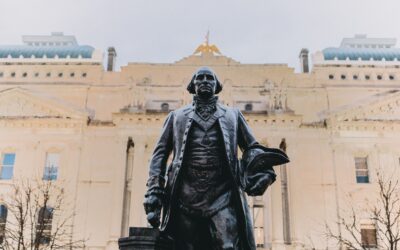
The Battle for George Washington’s Desk: Spencer Pratt Torpedoes NYC Mayor Mamdani’s July 4th Address in Viral Takedown
The cultural and political chasm splitting America on its historic 250th anniversary of independence has found an explosive new battleground. Following a deeply controversial, revisionist Independence Day address delivered by New York City’s socialist Mayor Zohran Kwame Mamdani, former reality television star and cultural commentator Spencer Pratt unleashed a blistering, viral counter-offensive that has completely lit social media on fire. Speaking from the historic Governor’s Room at New York City Hall, Mamdani marked the semiquincentennial by using the lens of New York’s immigrant struggles to aggressively criticize the nation’s historical shortcomings, asserting that true patriotism requires confronting America’s systemic flaws. The speech—delivered from the very ceremonial desk once used by General George Washington—instantly drew the fury of conservatives across the country. Taking to X (formerly Twitter) in a video broadcast that has garnered millions of views, Pratt thoroughly dismantled the mayor’s framing, labeling Mamdani a “vile, commie mayor” and warning that progressive attempts to rewrite American history are part of a calculated ideological effort to erase the nation’s foundational anchors. At The Modern Memo, we analyze the structural details of Mamdani’s controversial July 4th address, the mechanics of Spencer Pratt’s viral historical defense, and the broader cultural war over American exceptionalism during the nation’s milestone birthday. The Hall Confrontation: Mamdani’s Fragmented Patriotism The controversy ignited on Friday, July 3, 2026, when Mayor Mamdani delivered a pre-recorded Independence Day address explicitly designed to challenge traditional, celebratory narratives of American history. The Historical Backdrop: Mamdani chose to position himself directly at George Washington’s ceremonial desk inside City Hall—a deeply symbolic piece of American heritage. The Fragmented History: Rather than focusing on the triumphs of the Revolutionary War or the execution of the Constitution, Mamdani focused heavily on America’s historical grievances. While conceding that “America is exceptional because here, nothing is fixed in place,” the mayor argued that the nation’s 250-year legacy is defined primarily by its rigid historical exclusions and systemic inequalities. The Institutional Backlash: Critics immediately blasted the optics of the address, accusing the progressive mayor of weaponizing the holiday to lecture everyday Americans and desecrating a desk used by the father of the country to push a standard, anti-American grievance narrative. The Pratt Takedown: “Communists Start with Bad Memories” Spencer Pratt—who has increasingly transitioned his public platform into a venue for sharp, populist cultural commentary—intercepted the mayor’s speech with an unyielding digital broadside that resonated with millions of frustrated patriots. The Erasing of Anchors: In his viral video response, Pratt laid bare what he views as the underlying psychological tactics of the political left. “The communist must attack your history,” Pratt argued with sharp intensity. “Why? Because history is what anchors you. It’s what makes us attached to something. Communists always start with the bad memories.” The Drywall Analogy: To illustrate his point, Pratt compared a nation’s history to a family home passed down through generations. He noted that a house is only valuable because of the shared experiences and memories created within its walls. “If you have no memories to attach you to it, it’s just wood and drywall—who cares? Get rid of it,” Pratt explained, asserting that Mamdani is trying to strip Americans of their historical memories so they will happily allow the foundational structure of the country to be demolished. The Call to Pride: Rejecting the mayor’s somber lectures, Pratt concluded his video with an unapologetic, profanity-laced defense of traditional patriotism. “It’s okay to love America; not only is it okay, it’s necessary,” Pratt insisted. “Be proud of your history; show some American pride. Raise your plaid, raise your finger, and say, F—k you, communist.” The Semiquincentennial Fault Line: Two Distinct Americas The explosive engagement surrounding the Pratt-Mamdani feud highlights a massive, structural polarization defining the country during its 250th anniversary season. The divide is no longer just about tax rates or regulatory policies; it is a fundamental, zero-sum war over national identity. On one side stands the progressive administrative state, represented by figures like Mamdani, who view American history as a ledger of sins that must be constantly repented for through sweeping policy overhauls. On the other side stands an increasingly energized populist movement, amplified by cultural figures like Pratt, who view America as an exceptional, providential experiment built on the unparalleled sacrifices of the Founding Fathers. By attempting to use George Washington’s own desk to deconstruct Washington’s legacy, Mamdani inadvertently supercharged the very populist resistance he sought to neutralize. Final Word Spencer Pratt’s viral takedown of Mayor Zohran Mamdani is the definitive proof that everyday Americans are entirely exhausted by elected officials using national holidays to demean and lecture the citizenry. When you look past the standard media hand-wringing and focus entirely on the hard data—a socialist mayor utilizing George Washington’s desk to deliver an anti-exceptionalism address, a viral counter-response exposing the communist strategy of historical erasure, and millions of citizens rallying behind an unapologetic display of American pride—you gain an unvarnished view of a cultural turning point. Quality information replaces the progressive narrative of “enlightened critique” with the cold reality of an elite class completely disconnected from the people they govern. By standing up and refusing to allow our national anchors to be dismantled, Spencer Pratt has delivered an unyielding reminder to Sacramento, Albany, and City Hall: America is a nation worth loving, our history is a legacy worth defending, and the American spirit will never bow to the sterile lectures of a Marxist bureaucracy.

The $20 Million Bounties: ICE Escalates Intercept Grid for El Chapo’s Final Fugitive Heirs
The federal government has dramatically amplified its maritime and land-based dragnet along the southern border, launching an aggressive law enforcement offensive against the final two leadership pillars of the Sinaloa Cartel. U.S. Immigration and Customs Enforcement (ICE), working in absolute coordination with the Department of Justice and Homeland Security Investigations (HSI), officially renewed its international hunt for the remaining free sons of incarcerated drug lord Joaquín “El Chapo” Guzmán. Federal authorities confirmed that massive, standalone $10 million rewards are now active for both Iván Archivaldo Guzmán Salazar and Jesús Alfredo Guzmán Salazar. The high-stakes renewal of the bounties marks the final squeeze on the hyper-violent cartel faction known colloquially as “Los Chapitos.” With two of the Guzmán brothers already secured inside high-security U.S. penitentiaries, ICE has issued a stark, cross-border bulletin warning global law enforcement that the last two fugitive heirs remain heavily “armed and dangerous” on the lam. At The Modern Memo, we break down the operational data of the $20 million capture grid, the gruesome tactical profile of the Guzmán Salazar brothers, and the internal betrayal mechanics federal agents are deploying to permanently dismantle the Sinaloa cartel. The Fugitive Matrix: The Last Men Standing The escalated ICE alerts target a highly sophisticated, multi-generational narco-trafficking leadership loop that has successfully evaded localized Mexican military intervention for years. The Half-Captured Cartel: The sprawling Guzmán dynasty has been systematically picked apart by U.S. law enforcement over the last several cycles. While brothers Ovidio Guzmán López and Joaquín Guzmán López sit locked in federal maximum-security cells awaiting trial, Iván Archivaldo and Jesús Alfredo have managed to slip through repeated raids. The Armed and Dangerous Red Line: The updated federal wanted posters feature detailed biographical and forensic identifiers, warning the public that both men command thousands of heavily armed foot soldiers equipped with military-grade armor, anti-aircraft weaponry, and armored vehicles. The Sinaloa Turf War: The pressure from Washington hits the brothers at their moment of peak operational vulnerability. Bureau of Prisons (BOP) intelligence confirms that the remaining Chapitos are currently locked in a brutal, bloody internal civil war against a rival cartel faction led by Ismael “Mayito Flaco” Zambada—the son of recently captured co-founder Ismael “El Mayo” Zambada—a conflict that has left hundreds dead across the state of Sinaloa. The Fentanyl Factory: Tigers, Torture, and Synthetic Chemistry The determination of the White House to expend massive capital on the capture of Iván Archivaldo and Jesús Alfredo stems directly from the unprecedented devastation their specific supply lines have inflicted on the American populace. The Fentanyl Masters: Federal indictments unsealed in the Southern District of New York label the Guzmán Salazar brothers as the undisputed pioneers of the modern international fentanyl trade. By constructing massive, industrial-scale hidden laboratories throughout Mexico, they flooded American streets with millions of counterfeit prescription pills, directly fueling the worst synthetic drug epidemic in global history. The Rule of Fear: The Treasury Department’s accompanying sanctions dossiers detail a jaw-dropping level of sadistic enforcement used to protect their market share. Federal prosecutors allege that rival traffickers, uncooperative Mexican police officers, and suspected government informants were routinely kidnapped by the brothers’ inner circle, tortured using specialized chemical agents, and in some instances, fed alive to tigers kept as pets on their private ranches. Breaking the Network: Betrayal for Payouts The deployment of a combined $20 million cash pool is an explicit psychological warfare tactic engineered to trigger internal mutiny within the cartel’s trusted security rings. The 20% Informant Metric: Security analysts specializing in transnational criminal networks note that monetary bounties are the single most effective tool for shattering the loyalty code (omertà) defining the drug trade. Historical law enforcement statistics show that up to 20% of actionable intelligence gathered against top-tier cartel bosses is secured by paying out millions to lower-level operatives who choose wealth over organizational allegiance. The Anonymity Shields: To facilitate high-level betrayals, ICE and the State Department have established highly secure, end-to-end encrypted communication drops, including dedicated WhatsApp and Signal tip lines. Informants are being offered complete federal anonymity shields, expedited U.S. witness protection enrollment, and immediate extraction for their immediate families. Final Word The renewal of the $20 million bounties targeting El Chapo’s final fugitive sons is the definitive proof that the federal government will not stop until the entire command architecture of the Sinaloa Cartel is physically eradicated. When you look past the standard diplomatic statements of “cross-border cooperation” and analyze the hard data—a massive $10 million bounty placed on each remaining brother, the complete dismantling of their family hierarchy with two brothers already behind American bars, and the exploitation of an active internal cartel civil war to trigger inside informants—you gain an unvarnished view of a superpower closing a trap. Quality information replaces the mythical narrative of untouchable narco-kings with the cold reality of a fugitive existence. Iván Archivaldo and Jesús Alfredo may currently be hiding behind the corrupt municipal governors and mountain ranges of Sinaloa, but by weaponizing multi-million-dollar greed against their own inner circle, Washington has delivered an unyielding countdown: it is only a matter of time before the final two Chapitos are forced to exchange their mountain safehouses for a concrete cell in America.