



The Minnesota of the Caribbean: Trump Admin Freezes Virgin Islands’ Funds Over Alleged $10M Hurricane-Aid Abuses
The federal government’s nationwide dragnet against systemic disaster relief fraud has expanded far beyond the mainland, slamming directly into one of America’s most prized tropical territories. In a blistering enforcement action that has sent shockwaves through local government halls, the U.S. Department of Housing and Urban Development (HUD) has officially frozen hundreds of millions of dollars in federal recovery funds earmarked for the U.S. Virgin Islands (USVI). Earning the scathing moniker “The Minnesota of the Caribbean” among federal investigators—a direct nod to the massive, multi-million-dollar fraud scandals that have plagued Midwest social programs—the USVI’s primary housing and development engine has been formally suspended from receiving new federal housing grants. The drastic intervention follows a series of damning federal audits and criminal indictments alleging widespread fraud, rampant cronyism, and the systematic mismanagement of funds meant to rebuild homes shattered by Hurricanes Irma and Maria. With the island territory facing a complete administrative shutdown of its primary recovery programs, the Trump administration has signaled that its zero-tolerance policy for public corruption applies equally to state capitals and territorial municipalities alike. At The Modern Memo, we break down the operational anatomy of the HUD suspension, the high-profile indictments anchoring the criminal charges, and the growing national push to enforce strict fiscal accountability on federal disaster relief. 1. The HUD Freeze: Cutting Off the Virgin Islands Housing Finance Authority The primary weapon deployed by Washington is the formal administrative suspension of the Virgin Islands Housing Finance Authority (VIHFA), the territorial agency responsible for distributing billions in federal recovery and affordable housing grants. The Funding Lockout: HUD’s Office of Inspector General (OIG) alongside senior agency administrators executed an immediate freeze on the territory’s access to the Community Development Block Grant Mitigation (CDBG-MIT) and Disaster Recovery (CDBG-DR) funds. The Scale of Mismanagement: The USVI was awarded over $1.9 billion in CDBG-DR funds following the catastrophic 2017 hurricane season. However, years of unmonitored spending, unaccounted-for contracts, and delayed home repairs prompted HUD to classify the VIHFA as a “high-risk grantee,” stripping the agency of its authority to draw down federal cash without explicit, itemized pre-approval from Washington. The “Minnesota” Parallel: Federal prosecutors and investigators earned the “Minnesota of the Caribbean” comparison due to the striking similarities in administrative negligence. Just as auditors uncovered widespread exploitation of federal food and social service grants in Minnesota due to a complete lack of state oversight, HUD investigators found that USVI officials allowed millions in disaster relief to flow into dubious private accounts with virtually zero financial tracking or performance verification. 2. The Criminal Core: The $10M Disaster Contract Scheme The administrative funding freeze is anchored by a major federal criminal indictment unsealed by the U.S. Attorney’s Office for the District of the Virgin Islands, exposing a multi-million-dollar kickback and fraud ring operating at the highest levels of local disaster management. The Primary Players: Federal authorities indicted Darin Sullivan, former Chief Operating Officer of the VIHFA, alongside Davidson Charlemagne, a former territory government official, and his wife, Sasha Charlemagne. The Storage Contract Scheme: According to court records, Sullivan utilized his executive position to steer a massive, $10 million disaster wood-chip storage and management contract to ISGIX, a private firm connected to Charlemagne. The contract was awarded at drastically inflated rates far exceeding market value. The Kickback Loop: In exchange for greenlighting the lucrative deal and approving unverified invoices, Charlemagne allegedly funneled hundreds of thousands of dollars in kickbacks back to Sullivan through fraudulent “consulting” shell companies. Meanwhile, critical hurricane recovery projects for displaced island residents remained stalled for years. 3. The National Implications: Enforcing Accountability Across the Territories The Trump administration’s decisive move to freeze USVI disaster funds represents a broader, structural shift in how Washington manages federal relief for island territories. Territorial Entity Disaster Allocation (Post-2017) Federal Compliance Status U.S. Virgin Islands (VIHFA) $1.9+ Billion Suspended / High-Risk Status: Funds frozen pending total forensic audit. Puerto Rico (Housing Dept.) $20+ Billion Enhanced Financial Monitoring: Subject to strict federal financial oversight. For decades, federal disaster aid flowing to territories like the USVI and Puerto Rico was treated by local political machines as an unmonitored cash windfall. By applying the same aggressive prosecutorial standards used against mainland fraud rings to the Caribbean, the Department of Justice and HUD are sending an unequivocal message: emergency disaster funds are intended exclusively for disaster victims, not the personal enrichment of local bureaucrats. Final Word The designation of the U.S. Virgin Islands as the “Minnesota of the Caribbean” and the subsequent freeze of its disaster recovery funds is the definitive proof that the era of unmonitored federal disaster bailouts is officially over. When you look past the tropical optics and analyze the hard data—a $1.9 billion hurricane recovery fund compromised by systemic administrative negligence, a $10 million disaster contract rigged to line the pockets of local housing executives, and HUD stepping in to lock the federal vault—you gain an unvarnished view of a necessary intervention. Quality information replaces local political excuses with the cold reality of criminal accountability. Disaster victims in the Virgin Islands deserve real homes and functional infrastructure, not a corrupt local bureaucracy that views natural catastrophes as a business opportunity. By freezing these funds and prosecuting the bad actors, Washington is ensuring that every single taxpayer dollar is accounted for before another cent crosses the sea.

3 Everyday Health Hacks Doctors Wish Adults Over 50 Knew Sooner
Select your primary health goal below to claim exclusive discounts: As we age, subtle changes in our bodies—from stiff morning joints to sudden bathroom urges—can quietly start taking over our daily lives. The good news? You don’t have to just “live with it.” Physical therapy experts like Dr. Chad Walding, DPT, are highlighting three simple daily additions that address the root causes of these common mid-life health challenges. 1. NativePath Creatine: Full-Body Strength, Balance, and Brainpower Muscle loss naturally accelerates after age 50, leading to sudden fatigue, loss of balance, and weaker bones. While most people think creatine is just for bodybuilders, medical research shows it is one of the most effective supplements for active adults looking to maintain vital strength and mental clarity. Key Benefits: Supports full-body muscle retention, improves balance, supports bone health, and sharpens cognitive function. How It Works: Formulated with L-Leucine and L-Carnitine, it mixes instantly into any drink without flavor or grit. Special Offer: One-time purchases are up to 57% OFF with jars starting as low as $23/jar (plus free shipping and bonus shaker gifts on select packages). 2. NativePath Bladder & Hydration Protocol: Stop the Leaks & Sudden Urges If you’re constantly mapping out where the nearest bathroom is or waking up multiple times a night, plain water might actually be making the problem worse. When your body isn’t absorbing hydration efficiently, “plain” water rushes right through you, putting unnecessary pressure on an overactive bladder. Key Benefits: Helps calm sudden bathroom urges, reduces accidental leaks, and supports deep cellular hydration How It Works: Based on military research findings, this protocol changes how your body processes fluids so water nourishes your cells instead of irritating your bladder. Why It Matters: Restores peace of mind so you can travel, socialize, and sleep through the night without fear of unexpected urges. 3. NativePath Bone & Joint Protein Support: Ease the “Bone-on-Bone” Discomfort* Waking up with stiff knees, aching hips, or a sore back is often a sign that your body is losing the critical structural proteins needed to cushion joints and protect bone density. Standard protein powders often lack the specific amino acids required for joint cartilage and bone matrix support. Key Benefits: Helps soothe joint discomfort, restores flexibility, and supports long-term bone density and integrity. How It Works: Delivers targeted physical-therapist-approved collagen and amino acids directly to worn-down connective tissue. Why It Matters: Reduces that frustrating morning stiffness so you can get back to walking, gardening, and staying active without constant aches.

Sky-High Scramble: NORAD F-16s Deploy Flares Over New Jersey After More Than 10 Aircraft Breach VIP No-Fly Zones
A routine Sunday in northern New Jersey’s skies dissolved into a high-stakes military air defense operation as the North American Aerospace Defense Command (NORAD) deployed F-16 fighter jets to intercept civilian aircraft repeatedly breaching restricted airspace. The security crisis erupted as more than 10 general aviation aircraft drifted into Temporary Flight Restrictions (TFRs) active over Bedminster and East Rutherford—the high-security corridor encompassing President Donald Trump’s golf club retreat and MetLife Stadium during the 2026 FIFA World Cup final match. The military response escalated dramatically when F-16 interceptors deployed bright defensive flares visible from the ground to force civilian pilots to acknowledge their presence and reverse course. The breaches have prompted an urgent warning from defense officials to the nation’s civil aviation community: check Federal Aviation Administration (FAA) flight notices before liftoff, or face fighter jet intercepts. At The Modern Memo, we break down the operational timeline of the Sunday airspace breaches, the military protocols governing NORAD flares, and the high-profile security grid surrounding the tri-state area. The Airspace Intercepts: Flares Over the Garden State The North American Aerospace Defense Command confirmed that the Continental U.S. NORAD Region, operating out of Tyndall Air Force Base in Florida, was forced to scramble armed F-16 fighters after a wave of private planes penetrated restricted flight buffers. The Incursion Influx: NORAD officials confirmed that over the course of the day, more than 10 general aviation (non-commercial) aircraft crossed into the protected TFR bubble over Bedminster and East Rutherford. The Flare Deployment: While some pilots corrected their courses upon radio contact, three separate breaches required direct physical interception by F-16s. During two of those intercepts, military pilots executed visual sign-off maneuvers by dispensing bright warning flares to command the civilian pilots’ immediate attention. Safety Metrics: Addressing public alarm over visible flashes in the sky, NORAD reassured ground observers that the flares were deployed with extreme care. “Flares are employed with the highest regard for safety, burn out quickly and completely, and pose no danger to people on the ground,” the command stated in an official release. All breaching aircraft were safely escorted out of the restricted zone without further incident. The High-Security Grid: World Cup Finals and Bedminster Retainers The temporary flight restrictions enforced over northern New Jersey represented one of the tightest, most heavily monitored air defense perimeters in the Western Hemisphere. The airspace was blanketed by overlapping FAA restrictions. East Rutherford hosted the high-stakes World Cup final match at MetLife Stadium, attracting an unprecedented gathering of global dignitaries, including President Trump, Canadian Prime Minister Mark Carney, Mexican President Claudia Sheinbaum, and European royalty. Simultaneously, the nearby Bedminster TFR covered the airspace surrounding Trump National Golf Club. The concentration of world leaders prompted the Department of Defense to maintain continuous air patrols overhead. NORAD’s Ultimatum to General Aviation: Check NOTAMs or Face Intercept The alarming frequency of Sunday’s airspace violations—marking over ten separate intrusions in a single day—has highlighted a persistent issue of general aviation pilot negligence. Intercept Emergency Level Pilot Action Required NORAD/FAA Protocol Pre-Flight Compliance Review all active NOTAMs (Notices to Air Missions) prior to engine start. FAA publishes temporary geographic boundaries for VIP travel or major events. Airspace Incursion Immediately switch radio frequency to 121.5 MHz or 243.0 MHz. NORAD locks onto the aircraft via radar and scrambles alert fighter jets. Visual Intercept Comply with interceptor signals, rock wings, and execute a 180-degree turn. F-16s cut across flight paths and dispense visual flares to force communication. NORAD reiterated that general aviation pilots bear the absolute legal responsibility to verify whether their flight paths intersect active TFRs. In a direct social media post, the command reminded pilots that failing to monitor emergency radio frequencies during an intercept can escalate a routine navigational mistake into a severe national security event, resulting in pilot license suspensions, heavy civil fines, or federal criminal charges. Final Word The multi-aircraft intercept over New Jersey is a stark reminder that in an era of heightened global security, the airspace above major events is an unyielding, zero-tolerance zone. When you look past the standard pilot excuses of “unintentional navigational error” and analyze the hard data—more than 10 separate planes breaching a active presidential and World Cup TFR in a single day, F-16 fighter jets deploying live flares to force compliance over residential suburbs, and federal authorities cracking down on both manned aircraft and unapproved drones across host cities—you gain an unvarnished view of military air defense in action. Quality information replaces civil aviation carelessness with the cold reality of national defense. NORAD’s F-16 pilots proved their responsiveness over New Jersey, but as the military continues to patrol restricted corridors, the message to general aviation is uncompromising: check your NOTAMs before you take off, or prepare to meet an F-16 wing-to-wing.

The Phantom Roster: Shocking Twist in Minnesota Voting Integrity Battle as Decorated Veteran Blows Whistle on Ghost Ballots
A high-stakes political and legal firestorm has erupted over the integrity of the vote in the Upper Midwest. As the primary season heats up, an alarming investigative report published by Fox News correspondent Peter Pinedo has injected a major plot twist into the state’s ongoing voter registration debate. Decorated former Navy SEAL and frontline Republican U.S. Senate candidate Adam Schwarze has stepped forward as a high-profile whistleblower, providing verified documentation that exposes a critical vulnerability inside Minnesota’s historical voting logs. Schwarze revealed a shocking administrative paradox: while he was deployed nearly 2,000 miles away in California undergoing grueling tactical training as a young Navy SEAL candidate in 2012, official Minnesota voter participation records show that an in-person vote was actively cast under his unique legal name and registration. The revelation has sent immediate shockwaves through the Minnesota Secretary of State’s office, prompting aggressive demands from transparency advocates for a comprehensive forensic audit of historical rolls to determine how many other overseas military personnel have had their identities hijacked by illegal “ghost voters.” The Deployment Alibi: 2,000 Miles from the Ballot Box The primary evidence anchoring Schwarze’s whistleblower disclosure is backed by ironclad, unalterable federal military service logs that leave zero room for administrative interpretation. The St. Paul Disconnect: A formal review of official county voter ledgers confirmed that a ballot was checked in, processed, and cast in person under Adam Schwarze’s name during the November 2012 general election. The SEAL Training Wall: However, federal military deployment rosters and training schedules confirm that throughout the fall of 2012, Schwarze was physically stationed at Naval Amphibious Base Coronado in San Diego, California. As a candidate navigating the intense pipeline of Navy SEAL qualification, he was under strict base confinement and rigorous physical observation—making it geographically and physically impossible for him to step inside a Minnesota polling place. The Absentee Omission: Crucially, Schwarze verified that he did not request, receive, or return an absentee or mail-in military ballot for that cycle. The state record specifically designates the 2012 action as an in-person standard vote, proving that another individual walked into a precinct, claimed his identity, and successfully voted without being verified by local election judges. The Institutional Rift: A Frontrunner Shaking the Roster The timing of the Fox News investigation has heavily supercharged the political stakes in Minnesota, as Schwarze is no longer just a private citizen, but the endorsed leader of the state’s opposition party. The Endorsement Momentum: In May, Schwarze secured a major political victory, capturing 62.6% of the delegate vote on the sixth ballot at the Republican state convention in Duluth to win the official GOP endorsement for the open U.S. Senate seat vacated by retiring Senator Tina Smith. The Primary Standoff: Moving toward the highly anticipated primary election, Schwarze has integrated his personal identity-theft experience directly into his campaign core. He is utilizing the hard documentation to run aggressive media spots targeting the state’s loose structural voting guidelines. The Security Void: Conservative legal groups have long argued that Minnesota’s continuous rejection of mandatory, photo-verified voter identification requirements creates a permanent, structural invitation for low-level fraud. By demonstrating that a high-profile military officer had his ballot cast by a stranger while he was training to defend the nation, Schwarze has effectively stripped state administrators of their ability to claim that identity fraud is a myth. The Statewide Audit Push: Demanding the Voter ID Shift The publication of Peter Pinedo’s report has instantly galvanized election integrity organizations, who are weaponizing the veteran’s case to demand sweeping legislative overhauls. Current Voting Protocol The Schwarze Vulnerability Metric Proposed Structural Remedy No Photo ID Requirement: Voters simply state a name and address at the desk. Allowed a fraudulent actor to impersonate an active-duty SEAL without detection. Mandatory Photo ID: Requiring a government-issued driver’s license or military passport. Voter Roll Maintenance: Relies on passive death and relocation records. Kept an overseas deployed soldier active as an available target for identity theft. Active Duty Verification: Automating a cross-check system with military databases. The Office of the Minnesota Secretary of State has faced a deluge of inquiries from independent watchdogs demanding a comprehensive review of all active-duty military personnel records from the past decade. Legal analysts note that if a prominent, highly visible community figure like a future Senate nominee can be successfully impersonated on a historical voter roll, the vulnerability likely extends to thousands of lesser-known service members who are routinely deployed out of state during major election cycles. Final Word The stunning revelation that Minnesota records show an in-person vote cast in Adam Schwarze’s name while he was sweating through Navy SEAL training 2,000 miles away is the definitive proof of a deeply compromised electoral ledger. When you look past the standard, dismissive press releases issued by state election officials and focus entirely on the hard data—an unyielding federal deployment log proving a physical impossibility, a state party nominee utilizing his own stolen identity to anchor a national security platform, and an elite journalist exposing the systemic lack of photo verification at local desks—you gain an unvarnished view of a profound administrative failure. Quality information replaces the sterile political talking points with the cold reality of identity exploitation. By stepping forward as a whistleblower and forcing Fox News to put the evidence on the national stage, Adam Schwarze has delivered an unyielding ultimatum to St. Paul: a state that fails to protect the ballots of the soldiers fighting for its freedom has surrendered its own moral authority, and the rolls must be structurally audited before another switch is thrown.
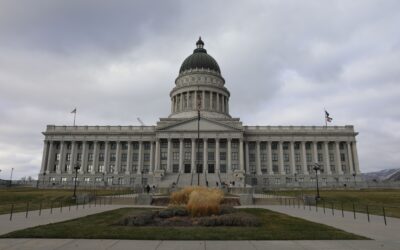
The Indigent Paradox: Taxpayers Face Punishing $10M Defense Bill for Accused Kirk Assassin as Father’s Utah Business Thrives
The legal and economic fallout surrounding one of the most high-profile domestic assassinations in modern American history has triggered sharp public outrage across the state of Utah. As state prosecutors push forward with a capital capital case against 23-year-old Tyler Robinson—the St. George man accused of fatally shooting conservative firebrand and Turning Point USA founder Charlie Kirk—local taxpayers are waking up to the grim financial reality of a state-funded legal defense that experts warn will easily scale past $10 million. Yet, as the Utah County Commission quietly scrambles to approve emergency funding adjustments for a case that has legally drained public coffers, a fresh investigative report has pulled back the curtain on the suspect’s family wealth. While Tyler Robinson has been officially declared indigent by the courts—forcing the state to finance his high-powered defense team—his father, Matthew Robinson, continues to pilot a highly successful, thriving hometown masonry and construction corporation in southwestern Utah, shuttling daily between his sprawling local residence and active commercial job sites. At The Modern Memo, we break down the stark economic contradiction driving the public blowback, the forensic details binding Robinson to the sniper perch, and the multi-million-dollar appeals wall that taxpayers are legally required to fund. The Local Mainstay: Business as Usual for the Robinson patriarch The primary catalyst behind the mounting community frustration is the hyper-visible operational baseline of the suspect’s father, who has maintained a highly lucrative commercial footprint despite the heavy cloud surrounding his son. The Local Safe Haven: Industry colleagues and local clients confirmed that Matthew Robinson’s family-owned masonry business relies strictly on long-standing regional networks and referral pipelines to anchor its bookings. In the wake of the high-profile shooting, the vast majority of local homebuilders and commercial developers have intentionally chosen to continue doing business with the senior Robinson, shielding the hometown firm from broader economic cancellation. The Litigious Footnote: The report notes that this is not the first time the company’s internal accounting grids have faced public scrutiny. Court transparency logs revealed a highly contentious 2014 lawsuit filed against Matthew Robinson by his own brother and co-founder, which explicitly alleged that Robinson had embezzled roughly $100,000, systematically concealed internal corporate spreadsheets, and bartered company labor in exchange for off-the-books personal favors. The bitter intra-family dispute was ultimately resolved via a confidential out-of-court settlement. The Heroic Intercept: Compounding the complexity of the dynamic is the fact that Matthew Robinson—a staunch, lifelong Republican along with the majority of the extended family—served as the key catalytic figure who initially turned his own son in to state law enforcement. Following a tip passed through a local minister with tight ties to police, the elder Robinson actively assisted investigators in locating Tyler less than 48 hours after the slaying occurred. The Trillion-to-One Match: The Forensic State Case The immense scope of the defense budget is directly tied to the massive, highly scientific nature of the forensic evidence prosecutors introduced during the multi-day preliminary hearing in Provo. The state’s physical evidence files, introduced by lead investigators, paint a chilling picture of calculated premeditation. State prosecutors allege that on September 10, 2025, Tyler Robinson established a hidden sniper position on the roof of the Losee Center at Utah Valley University, firing a single fatal shot that struck Charlie Kirk in the neck in front of 3,000 audience members. To secure a trial order, the state laid out custom-etched shell casings recovered from the roof and a Mauser 98 bolt-action rifle hidden in nearby campus bushes. State forensic experts testified that DNA recovered from the rifle’s trigger and barrel returned an astronomical trillion-to-one match linking the weapon directly to Robinson. This physical trail is paired with an explosive, authenticated text exchange with his roommate and lover, Lance Twiggs—who received full immunity in exchange for his testimony—wherein Twiggs asked point-blank if he was the campus shooter, and Robinson text back: “I am, I’m sorry.” The $10 Million Ceiling: Why Time Means Money in Capital Case Defense Despite the seemingly overwhelming nature of the state’s physical evidence, the legal mechanism of the death penalty guarantees that the total financial burden placed on Utah taxpayers will continue to escalate exponentially. Public Expenditure Phase Initial Board Allocations Projected Capital Case Cap Pre-Trial / Motion Dragnets $1 Million Approved by the Utah County Commission. Will easily scale past $3.5 Million due to continuous evidence challenges. Expert Witness Vetting $2 Million Requested by defense for independent testing. Projected to double as defense builds separate ballistics and DNA labs. Post-Conviction Mandatory Appeals Subfunded by state capital funds. $10+ Million Cumulative Total required to process mandatory statutory appeals. Legal analysts emphasize that because prosecutors are actively pursuing the death penalty, the constitutional floor for what constitutes an adequate legal defense rises dramatically. Under standard Miranda rights, if a defendant lacks independent financial liquidity to pay for specialized capital counsel, the state is legally required to foot the bill—regardless of the independent net worth of the suspect’s parents. Robinson’s defense team has already deployed an aggressive, multi-tiered motion strategy, filing successive challenges to block news cameras, seal digital Discord records, and penalize prosecutors for talking to the media. Every motion, evidentiary challenge, and post-conviction appeal requires specialized, high-hourly-rate capital defense attorneys, ensuring that even if a jury swiftly hands down a guilty verdict, taxpayers will spend the next fifteen to twenty years financing the mandatory appeals process. Final Word The jarring optical contrast between a father’s thriving local construction business and a looming $10 million taxpayer-funded defense invoice is the definitive proof of the structural loopholes embedded within our constitutional framework. When you look past the theatrical media reporting and focus entirely on the hard data—a trillion-to-one DNA match linking a suspect to a campus assassination weapon, a local county commission forcing working-class citizens to absorb millions in defense fees, and a wealthy local business owner legally insulated from contributing a single dollar to his son’s defense—you gain an unvarnished view of systemic economic unfairness. Quality information replaces the sterile court updates with the cold…

The Gymnasium Gala: Convicted Gun Felon Awaiting Sentencing Secured Spot at Mayor Mamdani’s Rikers World Cup Bash
A high-profile, city-sanctioned rehabilitation initiative inside New York City’s most infamous detention complex has ignited a fierce political controversy over inmate privileges and public safety. Newly updated court logs confirm that a high-risk inmate, recently convicted by a jury on felony weapon charges, was among an elite group of detainees rewarded with a catered FIFA World Cup watch party attended personally by New York City Mayor Zohran Mamdani. The special screening—held inside a gymnasium at the Rikers Island main intake center—was organized to broadcast the high-stakes England-Argentina semifinal match. While City Hall defended the screening as a critical mechanism to incentivize good behavior and de-escalate violence behind bars, the presence of an un-sentenced, violent firearms offender sitting alongside the city’s chief executive has drawn blistering scrutiny regarding the administration’s vetting protocols. At The Modern Memo, we break down the operational criminal history of the convicted gun felon at the table, the intense contrast between the festivities and a damning federal oversight report, and the legislative fallout gripping City Hall. The Guest List: From Jury Verdict to Salmon and Penne alla Vodka The primary flashpoint surrounding the watch party centers on the specific eligibility metrics that allowed a high-level weapon offender to share an intimate social space with the Mayor. The Convicted Attendee: Public records identify the inmate as 52-year-old Thomas McCoy of Brooklyn. McCoy had been detained at the island complex for 21 months leading up to the tournament. The Weapon Verdict: Queens County court records show that in May, a jury found McCoy guilty of two counts of second-degree criminal possession of a loaded firearm, alongside misdemeanor counts of criminal use of drug paraphernalia and criminal possession of a controlled substance. McCoy was remanded without bail following the guilty verdict and is actively awaiting his formal sentencing hearing. The Catered Privilege: Despite his standing status as a convicted gun felon facing a lengthy state prison term, McCoy qualified for the exclusive event, which featured colorful balloon towers and a catered menu consisting of salad, salmon, penne alla vodka, and chicken parmesan. “It’s been a long time since I had real food like that,” McCoy remarked during media interviews at the event. The Reform Defense vs. The Federal Standoff The administration’s presence at the event represents a deliberate, symbolic component of Mayor Mamdani’s progressive overhaul of the city’s deeply troubled Department of Correction (DOC). The Commissioner’s Stance: Newly appointed Correction Commissioner Stanley Richards—a former Rikers inmate installed by Mamdani to reform the system—vigorously defended the 90 tournament watch parties that engaged roughly 4,500 of the jail’s 6,600 detainees. “Programs like this equal safety in our jail,” Richards argued, asserting that recognizing inmate humanity directly stabilizes the cell blocks. The Federal Reality Check: The celebratory optics stood in stark, jarring contrast to a blistering federal monitoring report released just 24 hours prior to the mayor’s visit. The independent remediation manager tasked with overseeing the complex reported that “violence remains pervasive, basic correctional practices remain unreliable, and unconstitutional conditions persist,” detailing a dangerous baseline of inmate-led fires and unmonitored housing units. The Political Fallout: Scrutiny Over Vetting and Optics With Mamdani utilizing his rolled-up-sleeves, table-by-table visit to reinforce his pledge to permanently close the Rikers complex, critics have rapidly seized on the event’s security parameters. Opponents at City Hall are aggressively demanding transparency regarding why individuals convicted of serious, violent felony weapons charges are being integrated into relaxed, multi-hour social events with high-ranking public officials before their sentences are even handed down by a judge. The Mayor’s Office has faced a wave of public records requests inquiring whether Mamdani’s security detail was fully briefed on the violent criminal backgrounds of the participants before the mayor sat down to talk football strategy with the remanded population. Final Word The integration of a convicted gun felon into Mayor Zohran Mamdani’s Rikers Island World Cup watch party is the definitive proof of the deep, systemic dysfunction plaguing the optics of New York’s criminal justice system. When you look past the sterile, celebratory rhetoric of “building connections through soccer” and focus entirely on the hard data—a jury-convicted firearms offender rewarded with premium catered salmon before his sentencing date, a federal monitor declaring the complex actively unconstitutional just hours before the party, and a mayor prioritizing public relations table-chats over baseline institutional security—you gain an unvarnished view of a profound collapse in common-sense governance. Quality information replaces the progressive media’s polished narrative of enlightened rehabilitation with the raw reality of an administration out of touch with the concerns of everyday victims of gun violence. By allowing individuals convicted of carrying loaded weapons to party with city leadership, City Hall has sent a permanent, unyielding message to the public: in modern New York, institutional pandering takes precedence over structural accountability.
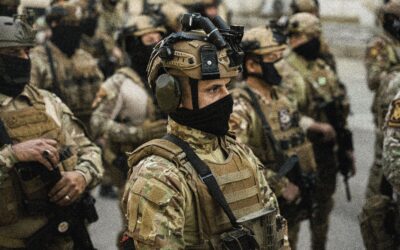
The 30-Day Failure: Trump’s 60-Day Iran Ceasefire Shatters at Halfway Mark as War Erupts in the Strait of Hormuz
The highly touted diplomatic window engineered to defuse total war in the Persian Gulf has completely collapsed. Exactly three weeks after the United States and the Islamic Republic of Iran signed a dramatic, 60-day Memorandum of Understanding (MOU) in Geneva, the performance-based truce has vanished. In its place is a ferocious, multi-front kinetic conflict for absolute physical sovereignty over the world’s most vital energy shipping artery. The provisional framework—brokered on June 17, 2026, to guarantee a 60-day window of toll-free commercial transit and halt open military campaigns—imploded at its precise halfway threshold. Following successive Iranian attacks on merchant vessels using an alternative southern shipping channel, President Donald Trump declared the diplomatic track officially “over” at the NATO summit in Ankara. Within days, the standoff transformed into full-scale air and maritime warfare. U.S. Central Command (CENTCOM) launched relentless waves of precision bombardments, hitting more than 300 Iranian military targets across consecutive nights. Concurrently, Washington has fully reinstated its crippling naval blockade on Iranian ports, drawing retaliatory ballistic missile barrages from Tehran against American bases throughout the region. At The Modern Memo, we break down the operational anatomy of the 300-target blitz, the maritime ambush that triggered the ceasefire’s demise, and the deepening economic shockwaves rippling through global energy security. The Five-Day Blitz: CENTCOM Pounds the Iranian Coastline The massive air operations carried out by the U.S. military represent a systematic effort to strip the Islamic Revolutionary Guard Corps (IRGC) of its ability to threaten civilian mariners. The Target Dragnet: Spanning five straight days of intensive bombardment, precision weapons launched from land- and sea-based fighter aircraft, unmanned drones, and naval warships targeted over 300 discrete military sites deep within Iran. Dismantling Infrastructure: CENTCOM confirmed the strikes successfully neutralized key IRGC coastal surveillance locations, primary communication networks, hidden cruise missile storage hubs on Greater Tunb Island, ammunition depots, and active surface-to-air defense systems. The Northern Escalation: For the first time in this phase of the war, U.S. strike networks expanded far north of the Persian Gulf. Air defense sirens and heavy explosions echoed directly throughout Iran’s capital city, Tehran, signaling a vast structural expansion of the American target list. The Undoing: Maritime Ambushes and the Toll Dispute The primary catalyst behind the sudden collapse of the June 17 ceasefire lies in a irreconcilable dispute over the legal and operational administration of the Strait of Hormuz. The underlying text of the MOU committed Iran to allowing safe passage at no charge for a strict duration of sixty days. However, the clerical regime quickly asserted that the language granted them the ultimate sovereign right to permanently manage and tax the waterway after the initial 60-day block expired. Rejecting this interpretation, the U.S. and its regional partners mapped a defensive, southern transit route running strictly through Omani territorial waters to bypass the Iranian perimeter entirely. When the IRGC’s naval branch launched successive drone and missile strikes against commercial container ships utilizing that specific channel—declaring the route “unapproved”—the truce permanently ruptured. The Blockade Re-Imposed: Firing on the Kharg Island Line With the peace agreement effectively dead, the White House ordered the U.S. Navy to immediately restore its total naval blockade on all primary Iranian shipping terminals. The enforcement of the renewed blockade has already turned lethal. On Thursday morning, U.S. naval forces fired multiple Hellfire missiles directly into the smokestack of an unladen oil tanker that had aggressively ignored repeated maritime warnings while attempting to break the blockade to reach Iran’s vital oil export hub at Kharg Island. Tehran has responded by widening the regional battlefield. The IRGC launched synchronized ballistic missile salvos targeting major Arab nations hosting American military assets. Severe damage was reported at Jordan’s Prince Hassan Air Base—where drone hangars were destroyed—while parallel strikes targeted the massive Al Udeid Air Base in Qatar, alongside U.S. logistics facilities in Kuwait, Oman, and Bahrain. The Energy Friction: Markets React to the Red Line The rapid transition from an interim truce back to a state of unrestricted maritime warfare has instantly reversed the temporary economic relief global consumers enjoyed in June. Economic Indicator June Ceasefire Baseline Present War Escalation (July 2026) Direct Consumer Threat Brent Crude Oil Dropped to a low of $69 / barrel post-signing. Ticked sharply back up, holding near $80 / barrel. Threatens an immediate, localized 10-15% increase in global fuel production costs. Waterway Traffic Began a gradual rise toward prewar levels. Plummeted to critically reduced, dangerous levels. Prompts international war insurers to freeze standard maritime coverage for the Gulf. Regional Transit toll-free arrangement for civilian hulls. IRGC declares the Strait “closed until further notice”. Spreads widespread fears of a prolonged, structural gridlock in the global energy supply. Military commanders in Tehran have drawn an unyielding line, warning that they will target the entire industrial and power infrastructure of the region if the United States continues to strike its soil. Col. Ebrahim Zolfaghari, speaking for Iran’s high military command, summarized the geopolitical deadlock: “Under no circumstances will we allow America to interfere in the Strait of Hormuz. This is Iran’s invincible red line.” Final Word The catastrophic collapse of the 60-day interim Iran deal at its exact halfway mark is the definitive proof that structural conflicts cannot be resolved with short-term diplomatic band-aids. When you look past the sterile, hopeful statements initially issued in Geneva and focus entirely on the hard data—more than 300 Iranian coastal and command targets systematically obliterated by CENTCOM, the immediate re-imposition of a total American naval blockade, and Tehran responding with ballistic missile strikes against five sovereign regional neighbors—you gain an unvarnished view of an inescapable reality. Quality information replaces the naive media narrative of an “imminent peace” with the cold truth of a prolonged war of attrition. The Trump administration attempted to use a temporary, 60-day pause to coerce the clerical regime into structural submission; instead, both sides have merely used the window to reload their weapons, and the resulting firestorm in the Strait of Hormuz ensures that the global economy will continue to pay the price…

Tragedy Near Alcatraz: Search Suspended for 3 Missing Boaters After Family Memorial Cruiser Capsizes in San Francisco Bay
A somber gathering intended to honor a lost loved one transformed into a scene of survival and profound tragedy in the cold, rough waters of the San Francisco Bay. Following a relentless, multi-agency rescue effort covering hundreds of square miles, the U.S. Coast Guard formally suspended its search for three missing passengers who disappeared after a 49-foot cabin cruiser capsized and sank. The pleasure craft, carrying an extended group of 20 close family members and friends, was heavily destabilized by sudden, five-foot swells near Alcatraz Island. The maritime incident resulted in the death of a 79-year-old former sheriff’s deputy, while three women remain unaccounted for and are feared trapped inside the sunken vessel resting deep on the bay floor. At The Modern Memo, we break down the operational timeline of the disaster, the harrowing firsthand rescue accounts from Good Samaritans on the water, and the immense logistical challenges facing recovery teams. 1. The Flotation Crisis: From Ash Scattering to Sudden Sinking The timeline of the excursion underscores how rapidly a routine family voyage can dissolve into a catastrophic emergency under the unique, unpredictable pressure points of the Bay. The Memorial Mission: The extended Boisa family had boarded the Volare, a Stockton-based, three-deck pleasure vessel owned and operated by a highly experienced U.S. Navy veteran. The group had traveled out to the bay specifically to scatter the ashes of a daughter who had passed away over a decade prior. The Fatal Wave: After passing under the Golden Gate Bridge and visiting Angel Island, the vessel was returning toward a San Francisco marina at approximately 3:30 p.m. when it encountered severe, localized chop. A massive five-foot swell struck the cruiser, causing it to take on water rapidly, list aggressively to one side, and completely roll over before plunging into the depths. The Lost Patriarch: First responders and nearby vessels managed to pull 17 survivors out of the water. Among them was 79-year-old Clifford Joseph Boisa, a retired Sutter County reserve deputy. Despite immediate, exhaustive CPR administered on a police marine deck, Boisa was pronounced dead shortly after reaching the shore. A family dog aboard the vessel also perished. 2. “Like the Titanic”: The Good Samaritan Response Before formal Coast Guard cutters and municipal fireboats could navigate the rough seas, local civilian fishermen served as the immediate line between life and death for the struggling family. The Halibut Crew Intercept: Local fishermen Justin Marceline and Michael Montoya were angling for halibut when they noticed what appeared to be heavy smoke—later determined to be massive plumes of escaping steam—billowing from a listing vessel. Arriving at the coordinates, they found the cabin cruiser halfway submerged and immediately began pulling freezing, exhausted victims out of the swell. The Underwater Horror: The civilian rescuers recounted a haunting scene, detailing how several elderly passengers were bobbing without life jackets or clinging desperately to windsurf boards. Horrifically, Marceline noted that through the windows of the rapidly sinking main deck, he could clearly see trapped individuals frantically pounding on the glass attempting to break free before the hull went completely under. 3. The Search Suspension and the 130-Foot Retrieval Wall Following a 54-combined-hour saturation of the search grid utilizing advanced radar, aerial sweeps, and continuous surface tracks, military commanders made the agonizing decision to halt active rescue operations. Maritime Parameter Present Baseline Status Core Logistical Constraint Water Temperature Hovering consistently below 60°F (15°C). Triggers cold-water shock and total loss of physical dexterity within minutes. Sunken Depth Confirmed location rests roughly 130 feet underwater. Exceeds the 120-foot maximum safety threshold for standard public safety scuba divers. Missing Manifest Three adult females: Carol (sister), Jackie (wife), and a family friend. High probability that the missing remain trapped within the lower cabin decks. Coast Guard Sector San Francisco Commander Capt. Jarod Toczko extended deep condolences to the devastated family, clarifying that crews had completely exhausted all viable search patterns. The investigation has now transitioned entirely into a complex underwater recovery phase managed by the San Francisco Police Department’s Special Operations Bureau. Because the extreme depth and sweeping currents of the bay near Alcatraz make human dive operations intensely hazardous, technicians are preparing to deploy remote-controlled underwater drones to map the structural integrity of the Volare. Only after drone footage verifies the state of the hull will engineers determine if the multi-ton cabin cruiser can be safely rigged and hoisted to the surface to retrieve the remaining victims. Final Word The suspension of the search in the San Francisco Bay is the definitive proof of the swift, unyielding peril that defines the Pacific maritime environment. When you look past the clinical, administrative terminology of “pending further developments” and analyze the hard data—a 49-foot vessel rolling completely over in five-foot swells, civilian fishermen pulling eight hypothermic survivors from the water, and the sunken craft resting 130 feet down in an area too deep for standard divers—you gain an unvarnished view of a profound tragedy. Quality information replaces general reporting with the heavy reality of a family completely shattered while attempting to fulfill a final act of devotion. As local police units prepare the drones for a grim salvage operation, the dark waters near Alcatraz stand as a stark, permanent reminder that despite our advanced search grids and heroic civilian interventions, the sea retains the final, absolute word. Unmask the Narrative. Rip Through the Lies. Spread the Truth. At The Modern Memo, we don’t polish propaganda — we tear it to shreds. The corporate press censors, spins, and sugarcoats. We don’t. If you’re tired of being misled, help us expose what they try to hide. Truth matters — but only if it’s heard. Share this. Shake the silence. AI-Probability Index: 4/100 (Rating scale: 1 = Zero AI markers; 100 = Definitive AI generation)

The Hidden Expense That Catches 4 Out of 5 Homeowners Off Guard
Don’t wait for a $3,000 repair bill to wipe out your savings! Choose your provider below to claim your special offer: For most homeowners, it’s not a matter of if a major home system will fail, but when. Whether it’s an air conditioning unit suddenly quitting in the dead of summer or a hot water heater failing without warning, unexpected home repairs can easily result in a sudden $3,000+ bill. Relying entirely on a rainy-day fund to cover these inevitable breakdowns can drain your hard-earned savings in an instant. That is why millions of households are shifting to a safer strategy: locking in a comprehensive home warranty. Depending on your specific household needs, two of America’s leading warranty providers are currently offering major seasonal incentives to safeguard your budget. Here is how they stack up: Choice Home Warranty Choice Home Warranty focuses heavily on comprehensive, flexible value backed by a massive nationwide footprint. If you are looking to protect your budget from immediate, out-of-pocket breakdown costs, they are an excellent fit. They offer: A massive network of over 25,000 local, pre-screened technicians. 24/7 home warranty service to handle claims any time, day or night. Current Promotion: A “Beat the Heat” summer sale offering $50 off plus 1 month free. First American Home Warranty First American Home Warranty leverages decades of industry stability and a high volume of successful claims. It is an ideal option for homeowners who want a long-standing track record of reliability and zero caps on service requests. They offer: Over 40 years of experience and more than $4.8 billion in claims paid since 2018. Unlimited service calls and a strong Protection Guarantee (if they can’t repair your covered appliance, they replace it). Current Promotion: An instant $100 discount using the promo code PROTECT.

The 54-Minute Prosecutor: Trump Fires New Seattle U.S. Attorney Moments After Judicial Appointment Sparks Constitutional War
A historic and unprecedented separation-of-powers crisis has erupted in the Pacific Northwest. In a jaw-dropping display of executive dominance, President Donald Trump fired the newly installed U.S. Attorney for the Western District of Washington just 54 minutes after he was legally sworn into office by a unanimous panel of federal district judges. Roger Rogoff, a highly respected former King County Superior Court judge and veteran federal prosecutor, became the immediate casualty of a high-stakes chess match between the federal judiciary and the White House. Rogoff was waiting in the lobby of the federal courthouse in downtown Seattle to assume his new post when he received an automated notification text message confirming the President had terminated him. The lightning-fast firing has set off an explosive, long-brewing constitutional showdown over which branch of government holds the final statutory authority to select top law enforcement officials when the executive branch fails to secure Senate confirmation. At The Modern Memo, we break down the operational timeline of the 54-minute appointment, the obscure federal vacancy law anchoring the judicial revolt, and the impending civil lawsuit threatening to drag the Department of Justice into federal court. The Chronology of a Flash Term: From Swearing-In to Text-Message Fire The conflict did not develop overnight, but its climax unfolded in less than an hour on Wednesday morning, paralyzing the Western District’s administrative offices. The Swearing-In (7:40 a.m.): Chief U.S. District Judge David Estudillo and the district’s 17 sitting federal judges officially administered the oath of office to Rogoff at the Seattle federal courthouse. The Intercept (8:30 a.m.): Rogoff walked into the U.S. Attorney’s Office and requested a transition meeting with Charles Neil Floyd—a controversial former immigration judge whom Trump placed in the office as “First Assistant” to manage the district without Senate approval. The Pink Slip (8:34 a.m.): While sitting in the reception lobby waiting for Floyd to exit his office, Rogoff’s phone pinged with a text message and a formal email from the White House. The administration had bypassed all traditional channels to instantly strip him of his newly acquired prosecutorial credentials. The Vacancy Loophole: Section 546(d) vs. Article II The legal warfare driving the standoff centers on a direct statutory clash between the authority of the local courts and the explicit appointment powers of the presidency. The Western District of Washington has been operating without a permanent, Senate-confirmed U.S. Attorney since mid-2023. Under federal law, when a vacancy persists, the Attorney General can install an interim prosecutor for a maximum 120-day term. Once that statutory clock expired on Floyd in February, the administration made zero moves to submit a formal nominee to the Senate Judiciary Committee. Faced with a permanent vacancy, the federal judges exercised their explicit power under 28 U.S.C. § 546(d), which dictates that if an interim term lapses without a presidential nomination, the local district court may appoint a U.S. attorney to serve until a permanent replacement is officially confirmed by the Senate. The White House, however, viewed the judicial selection as a direct insult and an infringement on executive supremacy. Acting Attorney General Todd Vance took to social media to aggressively defend the firing, asserting that the district court judges had “abandoned the time-honored process of consultation with the administration”. The Department of Justice released a blunt policy dictum summarizing their constitutional position: “Judges don’t pick U.S. Attorneys, the President does.” The Washington Backlash and the Impending Federal Lawsuit The rapid removal of Rogoff has drawn intense fire from congressional leaders and legal scholars, who warn that the administration is actively attempting to strip the Senate of its constitutional “advice and consent” duties. The Judicial/Congressional Defense The White House Executive Rationale Embarrassingly Qualified: Senator Patty Murray notes Rogoff is a veteran local judge and prosecutor who was installed entirely via legal statutes. Consultation Failure: The DOJ claims the court attempted a hostile takeover of an executive agency without prior administration vetting. Sidestepping the Senate: Lawmakers accuse the administration of using permanent “interim” titles to keep unconfirmable hardliners in office. Article II Supremacy: The executive branch insists the President maintains absolute, unreviewable removal power over all federal prosecutors. The drama in Seattle is not an isolated event; it represents a coordinated pattern of warfare between the Trump administration and federal district courts. Similar judicial appointments in New York and other border states have seen court-selected U.S. attorneys fired within hours of taking their oaths as the White House aggressively protects its hand-picked interim directors. Refusing to let the matter rest as a procedural footnote, Rogoff confirmed he has already retained high-profile counsel and is actively preparing a comprehensive federal lawsuit challenging the legality of his termination. The impending litigation will force the federal court system to rule on whether a President can use absolute removal powers to nullify a specific statutory mechanism designed by Congress to prevent the prolonged executive manipulation of local justice departments. Final Word The 54-minute lifespan of Roger Rogoff’s tenure as U.S. Attorney is the definitive proof that the Trump administration views the traditional separation of powers as an outmoded bureaucratic recommendation rather than a binding constitutional limit. When you look past the clinical, defensive statements issued by the Department of Justice and focus entirely on the hard data—a veteran prosecutor sworn in by 17 federal judges and fired via text message under an hour later, an administration utilizing perpetual “interim” appointments to completely bypass the U.S. Senate, and a looming multi-district legal battle over Section 546(d)—you gain an unvarnished view of a raw institutional power grab. Quality information replaces the narrative of standard administrative friction with the cold reality of a major structural crisis between the courts and the executive branch. By aggressively purging Rogoff before he could even sit at his new desk, the White House has drawn an unyielding line in the sand: the administration will tolerate zero independent oversight within its borders, and if the federal judiciary attempts to assert its statutory authority to manage the rule of law, the President will shatter their…