



The Burden of Proof: Karmelo Anthony’s Self-Defense Claim Prepares to Anchor Frisco Track Meet Murder Trial
Jury selection began in Collin County for the highly anticipated first-degree murder trial of Karmelo Anthony. The 19-year-old former Centennial High School student-athlete is facing prosecution for the April 2, 2025, stabbing death of 17-year-old Memorial High School student Austin Metcalf during a district track meet at David Kuykendall Stadium in Frisco, Texas. Legal analysts point out that the entire outcome of the high-stakes trial will ultimately hinge on a single, high-threshold statutory battle: whether the defense can successfully justify a fatal stabbing under Texas’s strict self-defense laws. At The Modern Memo, we analyze the raw evidentiary data from the Frisco Police arrest reports, the tight courtroom restrictions imposed by the judge, and the legal anatomy of the self-defense strategy that will dictate Anthony’s fate. The Bleacher Confrontation: What the Eyewitness Data Reveals Because the trial is bound by a strict judicial gag order and severe courtroom security measures, the public’s understanding of the physical altercation relies heavily on unsealed police arrest logs and limited media reviews of stadium surveillance footage. The Team Tent Dispute: According to the Frisco Police Department’s initial arrest report, the fatal encounter began when heavy thunderstorms delayed the track and field championship event. Anthony, a captain of the Centennial track team, sought shelter under a pop-up tent designated exclusively for the rival Frisco Memorial team. The Escalation: Eyewitness accounts from Memorial student-athletes indicate that Metcalf and his twin brother, Hunter, confronted Anthony and told him he had to leave their team’s tent. According to statements, Anthony reached into his backpack and warned, “Touch me and see what happens.” The Physical Shove: The legal gray area begins with the physical contact that followed. One witness told detectives that Metcalf stood up and pushed Anthony to force him out of the tent. Moments later, Anthony pulled a black knife from his bag, striking Metcalf once directly in the chest before fleeing the stadium grounds. Metcalf tragically collapsed and died of his injuries shortly after arriving at the hospital. The Self-Defense Threshold: The Texas Legal Battle Anthony’s defense attorney, Mike Howard, has maintained that the teen will plead not guilty, arguing that the state’s prosecution will be unable to overcome the reasonable doubt surrounding whether Anthony acted to protect his own physical safety. The Spontaneous Statements: The defense is expected to leverage Anthony’s immediate, hysterical reactions to police following his quick surrender. According to responding officers, a crying Anthony repeatedly asked, “Is he going to be OK?” and explicitly stated, “I was protecting myself… He put his hands on me, I told him not to.” The Reasonable Belief Standard: Under Texas law, a person is justified in using force against another when and to the degree they reasonably believe the force is immediately necessary for protection. However, the use of deadly force—such as a knife strike to the chest—requires the defense to prove that Anthony reasonably believed it was necessary to protect himself against an imminent threat of death or serious bodily injury. The Aggressor Exception: Prosecutors will counter Anthony’s claim by arguing that he forfeited his right to self-defense by allegedly provoking the encounter. The state intends to use his statement, “Touch me and see what happens,” as definitive proof that Anthony entered the confrontation with the intent to deploy a hidden weapon, making a single physical shove an insufficient justification for a fatal stabbing. A Trial Under Lockdown: Misinformation and Maximum Security The case has generated intense national scrutiny, racial tension, and a barrage of online viral misinformation, prompting District Judge John Roach to implement unprecedented operational rules to protect the integrity of the Collin County courtroom. The Absolute Blackout: Judge Roach has instituted a total ban on live streaming, television cameras, and any form of audio or video recording inside the courthouse, citing the need to safeguard juror privacy and prevent outside theatrical pressure from compromising the trial. The Swatting Campaigns: The heightened security follows a turbulent year where both the Metcalf and Anthony families were subjected to severe cyber-harassment, physical intimidation, and dangerous “swatting” incidents at their respective homes. Local police were even forced to deploy extra security details at Metcalf’s funeral due to online threats. The Fake Evidence: Frisco police have continuously warned the public to disregard a flood of falsified digital documents circulating on social media, including a fake X account impersonating the Frisco Police Chief and a entirely fabricated medical examiner’s report designed to sway public opinion before a jury could be seated. Final Word The murder trial of Karmelo Anthony is the definitive proof that inside a court of law, a tragedy cannot be evaluated through the lens of internet outrage or social media hashtags. When you look past the noise of digital rumors and focus on the hard data—a fatal knife wound to the heart of a 17-year-old twin, an admitted physical push under a rainy stadium tent, and the absence of any prior criminal history for the accused—you gain a clearer picture of a case balanced on a razor-thin legal edge. Quality information replaces the emotion of the gallery with the strict mechanics of Texas statutory law. It allows you to see that while the defense faces an immense uphill climb to justify deadly force against an unarmed peer, the prosecution must completely dismantle the claim of self-defense beyond a reasonable doubt. By locking down the courtroom and enforcing a total media blackout, the justice system is ensuring that the final verdict will be written by facts, evidence, and the law—exactly as it should be.

The Phantom Vote: Elected Blue-State Official Surrenders to Authorities for Casting Dead Mother’s Ballot
The persistent national debate over election integrity and mail-in voting security hit home in Illinois this week. Sylvia Sims Bolton, an elected city alderperson in Waukegan, surrendered to law enforcement on Wednesday morning after prosecutors slapped her with felony and misdemeanor charges for allegedly forging and casting a vote-by-mail ballot in her deceased mother’s name. At The Modern Memo, we analyze the timeline of the alleged fraud, the specific vulnerability in the mail-in ballot loop, and why this case is refueling the national pushback against unmonitored drop boxes. The Arrest: An Elected Official in the Mugshot Center The scandal has rocked Lake County, Illinois, where the 67-year-old Bolton has served as the elected First Ward alderperson for the city of Waukegan, a suburban hub north of Chicago. The Charges: The Lake County State’s Attorney’s Office announced that Bolton has been hit with a Class 4 felony count of Mutilation of Election Material alongside a Class A misdemeanor charge of Disregarding Election Code. If convicted on the felony count, the sitting official faces up to three years in prison. The Surrender: Following a multi-week investigation by the Lake County Sheriff’s Office, Bolton turned herself in to authorities on Wednesday morning before making an initial appearance in front of a county judge. Official Conduct Exemption: Prosecutors noted that the ongoing criminal case is not tied to her official municipal duties as an alderperson, meaning she is not currently facing official misconduct charges, though calls for her resignation from local civic groups are already mounting. The Timeline: How the Ballot Passed the Dead Voter Loop According to official election records and prosecutors, the fraudulent activity began during the ramp-up to the state’s March 17 primary election, exposing a critical window of vulnerability in the mail-in apparatus. February 5: The Lake County Clerk’s Office mailed out a requested vote-by-mail ballot to the residence of Mary Sims, Bolton’s mother. February 12: The Clerk’s Office officially processed the cancellation of Mary Sims’ voter registration after receiving formal notification of her death from the Illinois Department of Public Health through the state’s automated voter tracking system. February 26: Despite the voter being deceased and her registration canceled, a completed mail-in ballot envelope bearing Mary Sims’ name was returned and dropped off inside a secure, unmonitored exterior ballot drop box located right outside the Lake County Clerk’s Office. The Forgery Accusation: Sheriff’s detectives allege that Bolton intercepted the ballot sent to her late mother’s home, filled it out, forged her mother’s signature on the security envelope, and personally deposited it into the government drop box knowing it was entirely illegal. The Safeguard Debate: Success or Systemic Threat? While progressive election officials are eager to frame the incident as proof that current checks and balances are working perfectly, conservative watchdogs argue the case highlights a terrifying lack of real-time prevention. The Intake Capture: Lake County Clerk Anthony Vega praised his staff, noting that automated verification protocols flagged, voided, and segregated the ballot during a routine post-election auditing review on March 27, ensuring the fraudulent vote was never officially tallied. “The safeguards and verification procedures in place within our election system worked exactly as intended,” Vega insisted. The Real-Time Failure: Critics, however, point out a different reality: the automated state system failed to stop the ballot from being issued, failed to stop it from being accepted at a drop box two weeks after the death was registered, and relied entirely on a manual back-end check a month after the election took place. The Drop Box Weaponization: The fact that an elected official allegedly utilized a public drop box to execute the crime has given fresh ammunition to election reform advocates who argue that unmonitored drop boxes facilitate illegal ballot harvesting and identity theft, making it far too easy for bad actors to experiment with fraudulent votes. Final Word The arrest of Waukegan Alderperson Sylvia Sims Bolton is the definitive proof that the threat of voter fraud is not a conspiracy theory—it is a reality engineered by people who know exactly how the system operates. When you look past the noise of “procedural success” spin and focus on the data—a sitting official facing three years in prison, a ballot accepted two weeks after a death notification, and a system that allowed a forged signature into a public drop box—you gain a clearer picture of a voting infrastructure with dangerous structural gaps. Quality information replaces the narrative of “flawless security” with the reality of a system that can be compromised by anyone with access to a mailbox. It allows you to see that if an elected lawmaker is willing to risk a felony to forge a ballot, the honor system is a luxury American democracy cannot afford. By choosing to prosecute this case, Lake County has drawn a vital boundary, reminding the electorate that every phantom vote cast is an attempt to cancel out the voice of a living, law-abiding citizen.

The Pentagon Pivot: Israel and Lebanon Launch First-Ever Direct Military Summit as Ceasefire Clock Ticks Down
The regional struggle over the future of the Middle East shifted away from diplomatic banquet halls and straight into the nerve center of American military power. In an unprecedented structural development, the Pentagon is hosting high-ranking Israeli and Lebanese military delegations for their first-ever direct, U-S.-backed security summit. The high-stakes meeting represents a critical operational shift, separating complex military enforcement mechanisms from the slower political tracks at the State Department as a ticking 45-day ceasefire extension rapidly runs out of runway. At The Modern Memo, we analyze the raw operational data behind the Pentagon’s new seat at the table, the widening strategic gap between Jerusalem and Beirut, and the brutal reality of a “ceasefire” being fought with non-stop airstrikes and front-line combat drones. The Pentagon Shift: Cutting Through the Diplomatic Noise While the first three rounds of regional peace talks took place under the auspices of the State Department and the White House, the decision to move the fourth round to the Department of Defense signals that the Trump administration is losing patience with abstract diplomatic rhetoric. Isolating the Operators: By bringing senior Israeli Defense Forces (IDF) commanders and Lebanese Armed Forces (LAF) generals directly into the Pentagon, U.S. defense officials are attempting to establish cold, military-to-military communication. The Looming Deadline: The urgency is driven by a strict 45-day truce extension brokered in mid-May. With only weeks left before the clock expires, Washington is demanding an actionable blueprint for the northern border rather than another kicking of the diplomatic can down the road. The Enforcement Focus: The Pentagon framework is strictly operational, focusing exclusively on the logistics of an IDF withdrawal timeline, the mechanics of a Lebanese army takeover in the south, and the ultimate enforcement mechanism required to ensure any agreed-upon terms are legally and physically binding. Conflicting Mandates: The Disarmament Deadlock Despite the historic nature of the face-to-face meeting, the two sides enter the room with fundamentally incompatible operational mandates. The Israeli Ultimatum: For the IDF, any permanent regional architecture requires the total disarmament of Hezbollah and a verifiable guarantee that the Iran-backed militant group cannot rebuild its borderside infrastructure. Jerusalem remains highly skeptical of the Lebanese state’s capabilities, openly accusing elements of the LAF of being actively sympathetic to, or intimidated by, the terrorist group. The Lebanese Demand: The delegation from Beirut, operating under Lebanese President Joseph Aoun, is hyper-focusing on sovereignty. Their priority is securing a concrete, legally binding timeline for the total withdrawal of Israeli forces from southern Lebanon, which the IDF invaded in March following a massive surge of over 1,300 Hezbollah drone and rocket attacks. The Political Will Deficit: Middle East intelligence analysts note that while the Lebanese government wants the IDF gone, it completely lacks the domestic political will or firepower to forcibly disarm Hezbollah. Experts warn that as long as Beirut refuses to directly confront the militant group, any security assurances written at the Pentagon are completely hollow. The Reality on the Ground: A Truce in Name Only The unprecedented military talks are unfolding against the backdrop of a rapidly deteriorating situation on the ground, exposing the “ceasefire” as a nominal fiction. Targeting the Command Chain: Even as negotiators took their seats in Washington, the Israeli Air Force conducted a series of devastating, targeted strikes across Lebanon. Just 24 hours before the summit, Israeli jets pounded Beirut’s southern suburbs to target Ali al-Husni, a high-ranking missile commander in the Quds Force-linked Imam Hussein Division. The Drone Evolution: On the front lines, the conflict has rapidly evolved. Hezbollah has heavily adapted its battlefield tactics, utilizing dense swarms of small, explosive combat drones to strike embedded Israeli soldiers in southern towns like Tyre and Nabatieh, mimicking the attrition warfare seen on the front lines of Ukraine. The Scorched Earth Orders: In response to the persistent drone threat, the IDF ordered the mass displacement of all remaining civilian populations in southern Lebanon, expanding its defensive perimeter beyond the Zahrani River—nearly 40 kilometers deep into Lebanese territory—effectively isolating the entire border region. Final Word The direct military-to-military talks at the Pentagon are the definitive proof that the battle for Lebanon cannot be resolved by standard diplomatic platitudes. When you look past the noise of “peace talk” press releases and focus on the raw data—the targeted airstrikes in downtown Beirut, the relentless deployment of front-line combat drones, and the inherent structural weakness of a Lebanese army asked to disarm a terrorist state-within-a-state—you gain a clearer picture of a conflict approaching its ultimate breaking point. Quality information replaces the fantasy of an easy truce with the reality of an unyielding geopolitical math problem. It allows you to see that while American mediators can get both uniforms into the same room at the Pentagon, the pieces on the board cannot move forward until Beirut decides whether it is a sovereign nation willing to police its own borders, or a shield for an Iranian proxy.

The Slush Fund Skirmish: Newsom Eyeing 100% Tax on Trump Fund While California Burns Billions on Local ‘Boondoggles’
California Governor Gavin Newsom sparked a fierce new battle with the White House, proposing an unprecedented 100% tax on any Californian who receives money from President Donald Trump’s newly established Anti-Weaponization Fund. The aggressive, cash-grabbing proposal has ignited intense accusations of political hypocrisy from conservative critics, who point out that Newsom is trying to confiscate federal payouts while his own state burns through billions on unfinished infrastructure disasters. At The Modern Memo, we analyze the raw data behind the $1.78 billion federal fund, the $2.9 billion budget deficit squeezing Sacramento, and why California’s legendary “train to nowhere” makes Newsom’s rhetoric look entirely uncoupled from fiscal reality. The Federal Target: Trump’s Anti-Weaponization Fund The latest standoff centers on the newly created $1.78 billion federal Anti-Weaponization Fund. Backers describe the fund as a nonpartisan mechanism designed to compensate individuals who were targeted or financially devastated by what the administration characterizes as politically motivated weaponization of the justice system. The Newsom Tax Strategy: Speaking at a press conference, Newsom made his intentions perfectly clear. “Anyone from California that receives any of those funds,” Newsom announced, “we want to tax 100% of those proceeds. And that’s an action the state of California can take. It’s an action we look forward to taking.” The Jan. 6 Battleground: The chief complaint from Newsom and national Democrats is that the fund could be utilized to financially compensate individuals who were indicted or convicted in connection with the January 6 Capitol riot, following the administration’s sweeping pardons and sentence commutations for over 1,500 individuals. “So not only do you get a pardon, you get rewarded,” Newsom complained on social media. “That’s why this is needed.” The 2028 Horizon: Behind the progressive outrage lies a clear electoral calculation. With the 2026 midterm elections looming and Newsom widely viewed as a premier contender for the 2028 Democratic presidential nomination, positioning himself as the chief architect of the anti-Trump “resistance” allows him to shore up his national progressive credentials. The Deficit Problem: Squeezing a $2.9 Billion Shortfall While Newsom frames the 100% claw-back tax as a moral crusade, Sacramento insiders note that the state is also desperately hunting for any extra revenue it can get its hands on. The Budget Gap: Recent fiscal audits reveal that California is staring down a roughly $2.9 billion budget shortfall for the upcoming fiscal year. The No-Bid Backlash: The scramble for cash has brought renewed scrutiny to the state’s own history of loose spending. During the 2021 recall campaign, independent investigations revealed that California had awarded billions of dollars in emergency, no-bid COVID-19 contracts to firms heavily tied to Newsom’s political donors and well-connected insiders. The State-Level Slush Funds: State Republican Senate Minority Leader Brian Jones slammed the administration’s fiscal double standards, pointing back to a controversial $25 million taxpayer-funded legal fund created by Sacramento explicitly to wage “legal warfare” against conservative federal policies—a fund Republicans repeatedly branded an official executive slush fund. The Golden State Boondoggles: Burning Billions The accusation of fiscal hypocrisy is amplified by California’s track record with massive, over-budget public works projects that critics say make Trump’s federal fund look like pocket change. The High-Speed Rail Disaster: California’s high-speed rail project has become the ultimate national textbook example of government waste. After 16 years and roughly $15 billion in expenditures, the project’s projected total cost has ballooned to a staggering $128 billion—and the state has still yet to lay a single operational high-speed track. The Federal Cutoff: The project hit a major structural wall after U.S. Transportation Secretary Sean Duffy permanently pulled the plug on $4 billion in unspent federal grants, citing total mismanagement and a failure to meet binding deadlines. The Bridge to Nowhere: The rail line isn’t the only project drawing fire. Federal transit officials recently mocked California over an unfinished wildlife crossing bridge in the Golden State that has already run an astronomical $21 million over its initial budget, earning it the nickname “the bridge to nowhere” from critics of the state’s regulatory bloat. Final Word Governor Newsom’s plan to implement a predatory 100% tax on federal fund recipients is the definitive proof that progressive leaders are perfectly comfortable with aggressive government spending—as long as they are the ones controlling the checkbook. When you look past the noise of “anti-weaponization” rhetoric and focus on the data—a $2.9 billion state budget deficit, an unprecedented 100% tax proposal on private citizens, and a $128 billion train project without a single track—you gain a clearer picture of an administration attempting to distract from its own structural failures. Quality information replaces the narrative of a righteous state intervention with the reality of a 2028 presidential hopeful deflective posturing. It allows you to see that while Newsom wants to aggressively claw back money from his political opponents, his own taxpayers are left footing the bill for the most expensive infrastructure boondoggles in human history. By choosing to pick a fight over Trump’s federal fund, the California governor has only succeeded in reminding the nation of the multi-billion-dollar glass house he sits in.

The Sanctuary Shield: Tim Walz Pardons Illegal Alien Convicted of Armed Robbery to Block ICE Deportation
The long-simmering standoff between federal immigration authorities and Minnesota’s progressive leadership exploded into a fresh constitutional clash. In a hastily arranged special session, Governor Tim Walz and the Minnesota Board of Pardons issued a unanimous pardon to Jai Vang, a Laotian national and convicted felon who had been slated for imminent federal deportation. The move has drawn intense national scrutiny, not only for overriding a federal immigration mandate but because Walz incorrectly characterized the convicted illegal alien as a “citizen” during the official proceedings. At The Modern Memo, we look past the bureaucratic shields to analyze the mechanics of the emergency clemency board, the violent 1994 armed robbery conviction at the center of the case, and how the state’s executive branch is actively working to dismantle federal enforcement operations. The Emergency Intervention: Racing Against the ICE Clock The extraordinary intervention by the Governor’s office was launched to disrupt a final order of removal being executed by Immigration and Customs Enforcement (ICE). The Operation Metro Surge Catch: Jai Vang, a native of Laos who entered the country as a child but never secured legal citizenship, was swept up by federal agents earlier this month as part of Operation Metro Surge—a targeted federal crackdown aiming to remove convicted criminal aliens from Minnesota’s self-declared sanctuary jurisdictions. The Special Session: With Vang scheduled to be flown back to Laos, Walz called an immediate, extraordinary meeting of the Board of Pardons. Flanked by progressive state Attorney General Keith Ellison and Minnesota Supreme Court Chief Justice Natalie Hudson, Walz pushed through a unanimous pardon to erase the legal foundation of the federal deportation order. Asserting State Sovereignty: “To preserve and assert Minnesota’s sovereign state interest in enforcing our own criminal laws… I’ve called this meeting to consider the application,” Walz declared, framing the intervention as a defense of local autonomy over federal border enforcement. The Conviction: Aiding and Abetting an Armed Robbery While the clemency board focused on Vang’s subsequent decades of rehabilitation, critics are pointing directly to the violent nature of the crime that originally put him on the federal removal grid. The 1994 Heist: In October 1994, an 18-year-old Vang was arrested, tried, and subsequently convicted in Hennepin County for aiding and abetting a felony armed robbery. The Released Threat: After completing his court-mandated prison term, Vang was released back into the interior of the United States. Under federal immigration statutes, non-citizens who commit “aggravated felonies”—a category that explicitly includes violent thefts and armed robberies—forfeit their right to remain in the country and are subject to mandatory deportation. The ‘Citizen’ Misstatement and the Safety Rationalization The hearing took an explicitly controversial turn when Governor Walz defense of the non-citizen felon veered into factual inaccuracy. The Factual Error: Advocating for the pardon, Walz praised Vang’s career as a local carpenter and painter, stating: “I do not see how it would serve his family, nor the economic interest where we have a taxpaying citizen who is creating job growth.” Critics quickly noted that if Vang were a legitimate American citizen, he would never have been detained by ICE or faced deportation in the first place. The Security Claim: Dismissing the safety concerns raised by the Department of Homeland Security (DHS), Walz asserted that the state had zero interest in seeing Vang removed. “I can find no reason how Minnesota will be safer or better if Mr. Vang is deported to a country he has not been to since he was a child,” Walz added. Chief Justice Concurrence: Chief Justice Natalie Hudson echoed the sentiment, praising the felon’s business ventures and adding, “It’s clear that Mr. Vang has become an upstanding citizen, working consistently over the past 27 years.” Final Word The emergency pardon of Jai Vang is the definitive proof that sanctuary state executives are willing to use every tool at their disposal to shield criminal illegal aliens from federal accountability. When you look past the noise of “community integration” narratives and focus on the data—the unprecedented special session called to block ICE, a violent armed robbery conviction, and a Governor who cannot distinguish between an illegal alien and an American citizen—you gain a clearer picture of a state government prioritizing immigration activism over statutory law. Quality information replaces the narrative of “compassionate relief” with the reality of a deliberate breakdown in interstate and federal cooperation. It allows you to see that while Minnesota’s leadership argues the state is no safer with Vang’s removal, the message they are sending to the rest of the nation is that a felony conviction is no barrier to state protection. By choosing to erase Vang’s record at the final hour, Tim Walz has drawn a clear line on the border debate, ensuring that Minnesota remains an insulated haven from federal law.

Drive Smarter, Not Harder: The Guide to Slashing Your Auto Insurance
We all love a good splurge on a designer bag or a weekend getaway, but one thing we don’t love? Seeing our bank account drained by sky-high auto insurance premiums. In 2026, the average cost of full coverage has hit around $208 per month. While that might sound like a lot, being a Closer2Natural reader means you never pay full price if you don’t have to. Whether you’re a daily commuter or a weekend road-tripper, here is how to keep your coverage high and your costs low. 1. Master the “Deductible Dance” The quickest way to see an immediate drop in your monthly bill is to raise your deductible. 2. Embrace the Tech (Telematics) In 2026, “Usage-Based Insurance” (UBI) is the gold standard for savers. Most major insurers now offer apps that track your driving habits. 3. The “Older Car” Rule of Thumb Is your car a few years old and fully paid off? You might be over-insuring it. The 10% Rule: If the annual cost of your Comprehensive and Collision coverage exceeds 10% of your car’s total value, it’s time to drop them. Keep your liability coverage (to protect your assets), but stop paying premium prices to protect a vehicle that has already depreciated. 4. Stack Those Discounts Like Coupons Just like shopping for a sale, you should never settle for just one discount. Ask your agent if you qualify for these common 2026 “stackables”: Final Thought Your insurance policy isn’t a “set it and forget it” document. Life changes—you get married, you move, you start working from home—and your insurance should change with you. Take 20 minutes this weekend to call your provider and ask, “Am I missing any discounts?” Your purse will thank you.

Pretrial Reckoning: Teen Accused in Cruise Ship Slaying Faces Immediate Jail Time After High-Stakes Adult Court Turn
A federal courtroom in Miami became the epicenter of an agonizing family tragedy and a fierce legal battle over public safety as federal prosecutors presented a blistering argument demanding that 16-year-old Timothy Hudson be stripped of his electronic monitoring privileges and immediately remanded into federal custody as he awaits trial for the brutal sexual assault and murder of his 18-year-old stepsister, Anna Kepner, aboard a Carnival cruise ship. At The Modern Memo, we break down the horrific details of the international waters slaying, the sweeping jurisdictional shift from juvenile to adult court, and why legal experts say the defense’s bid to keep the accused teenager out of jail has reached its absolute end. The Cruise Ship Nightmare: Murder on the High Seas The details of the case, which had been tightly wrapped in juvenile confidentiality laws for months, have shocked the public since a federal judge unsealed the indictments. The Stateroom Discovery: Anna Kepner—a vibrant high school cheerleader from Titusville, Florida—was on a family vacation aboard the Carnival Horizon in international waters. The day before the ship was scheduled to dock in Miami, her body was found concealed under a bed inside the stateroom she shared with Hudson and another teenager. The Cause of Death: The Miami-Dade Medical Examiner ruled that Kepner died from mechanical asphyxia, indicating that direct physical force was used to cut off her breathing. The unsealed federal indictment added charges of aggravated sexual abuse, detailing a horrific assault preceding her death. The Blindside: Assistant U.S. Attorney Alejandra López emphasized the lack of any warning signs or domestic escalation prior to the voyage. “He committed these crimes against a victim with whom he had no apparent relational strife, and whom he was being raised to view as a sibling,” López wrote in a chilling court memorandum. The Legal Shift: From Delinquency to Life in Prison The core reason Hudson is suddenly facing immediate detention stems from a massive, structural upgrade to the severity of the prosecution. The Juvenile Loophole: Following his initial arrest, Hudson was charged as a juvenile delinquent due to his age. Under those relaxed parameters, U.S. Magistrate Judge Edwin Torres allowed the teen to remain free on an electronic tether, living under the supervision of an uncle in Central Florida. The Adult Indictment: That leniency collapsed when U.S. District Judge Beth Bloom granted a government request to transfer the case to adult court. A federal grand jury subsequently indicted the 16-year-old for first-degree murder and aggravated sexual abuse—severe adult charges that carry a mandatory sentence of life in prison upon conviction. The Danger Argument: With the juvenile safety nets gone, prosecutors are moving aggressively to revoke his release order. “The defendant’s exposure to punishment has changed substantially,” Lopez argued, asserting that Hudson represents an acute danger to the community and a high flight risk given the permanent stakes of an adult conviction. A Family Fractured in the Search for Justice The tragic nature of the case is magnified by the deep, internal fracture it has caused within the victims’ immediate family, who must simultaneously process the loss of a daughter and the prosecution of a son. Deeply Troubled: Christopher Kepner, Anna’s father, broke his silence following the adult indictment, expressing profound disbelief that his daughter’s accused killer had been allowed to walk free for months. “At the same time, we are deeply troubled that, despite the seriousness of the charges, he has not been taken into custody,” Kepner stated, adding that the situation remains “deeply painful and complex for the entire family.” Trusting the Truth: The family has stated they are placing their absolute trust in the federal justice system to pursue the truth with integrity, even as Hudson’s federal public defenders decline to comment on the nature of the evidence or their defense strategy. Final Word The emergency detention hearing for Timothy Hudson is the definitive proof that the gravity of a crime must eventually dictate the severity of the custody. When you look past the noise of “juvenile status” protections and focus on the raw data—an 18-year-old girl asphyxiated under a cruise ship bed, an adult indictment for first-degree murder, and the shattering reality of a life sentence requirement—you gain a clearer picture of a system shifting from rehabilitation to absolute deterrence. Quality information replaces the narrative of a standard juvenile infraction with the reality of an adult-tier predator facing adult-tier consequences. It allows you to see that while an uncle’s home and an electronic ankle monitor were deemed sufficient for a minor, they are an insult to the memory of Anna Kepner now that the true weight of the charges has been exposed. By choosing to demand his immediate detention, federal prosecutors are ensuring that the cruise ship horror story is met with the unyielding hand of federal law.

The Cover-Up Continues: Trump Lashes Out After Biden Sues His Own Former DOJ to Hide Ghostwriter Audio
The long-running battle over political transparency reached a stunning and chaotic milestone in Washington, D.C. In an unprecedented legal maneuver, former President Joe Biden filed a federal lawsuit against the Department of Justice in a desperate bid to halt the imminent public release of approximately 70 hours of private cand transcripts. The hidden files capture Biden discussing sensitive, classified information with the ghostwriter of his 2017 memoir. At The Modern Memo, we analyze the raw data of Biden’s sudden legal offensive, the impending June deadline that sparked the panic, and why President Donald Trump is blasting the move as one of the most dangerous and corrupt scandals in American history. The Lawsuit: An ‘Invasion of Privacy’ in the Twin Cities Pipeline The legal complaint, filed by Biden’s personal attorneys in the U.S. District Court for the District of Columbia, takes aim at a massive, sudden policy reversal within the Department of Justice regarding transparency standards. The Stolen Content: At the heart of the litigation are extensive recordings and transcripts from 2016 and 2017 between Biden and Mark Zwonitzer, the biographer who drafted his book Promise Me, Dad. The files were seized by federal authorities during the 2023 investigation into Biden’s systemic mishandling of classified documents. The Privacy Defense: Biden’s legal team argued that releasing the raw audio to congressional oversight panels and public interest groups would constitute an unwarranted invasion of privacy. “Every American, including a sitting or former Vice President, has a right to privacy in the personal conversations he has within his own home,” his lawyers wrote. The Sudden Pivot: Under the current administration, the DOJ notified Biden in February 2026 that it was abandoning its previous, defensive posture. Dropping prior exemptions, the department informed Biden it intended to fully comply with outstanding public records law demands and congressional subpoenas by turning over the unredacted files on June 15. Trump Hits Back: ‘What Is He Trying to Hide?’ The response from the White House was immediate and unsparing. President Trump utilized his platform to lambaste his former rival’s legal maneuver, framing the lawsuit as definitive proof of a deeply entrenched culture of evasion and cognitive shielding. The Executive Blame: Trump characterized the lawsuit as one of the most dangerous scandals in modern U.S. history, arguing that Biden is using a team of high-priced lawyers to weaponize the federal court system against the American public’s right to know the truth. The Memory Loophole: Conservative lawmakers have long suspected that the 70 hours of audio contain direct evidence of the severe memory lapses and cognitive decline that ultimately derailed Biden’s 2024 re-election campaign. Trump noted that if Biden’s memory was as flawless as his defenders claimed, he would welcome the release rather than filing emergency cross-claims to bury it. The Classified Double Standard: The White House has consistently pointed out the glaring asymmetry in how classified document retention has been treated. While the previous administration pursued aggressive, multi-count indictments over secure storage at Mar-a-Lago, Biden’s team is actively fighting to ensure the public never hears him read classified foreign policy notebooks aloud to a private, un-cleared biographer. The Hur Report Legacy: ‘Elderly Man with a Poor Memory’ The ghostwriter tapes were a foundational pillar of the 345-page report compiled by former Special Counsel Robert Hur. While Hur ultimately opted against pursuing criminal charges, his characterization of the former president created a political earthquake. The Willful Retention: Hur’s final report explicitly concluded that Biden had willfully retained and disclosed classified materials as a private citizen, including sensitive military logs and foreign policy documents regarding Afghanistan. The Rationale for Acquittal: Hur famously justified his decision not to prosecute by predicting a jury would view Biden as a “sympathetic, well-meaning, elderly man with a poor memory.” The Fuzziness on Display: While the printed transcripts of Biden’s separate, five-hour interview with prosecutors showed him becoming repeatedly fuzzy about dates, document trails, and the timeline of his own vice presidency, the Heritage Foundation and the House Judiciary Committee have argued the actual audio files are vital to evaluating his true fitness and intent. Final Word Joe Biden’s lawsuit against the Justice Department is the definitive proof that the architectural defense of the old establishment relies entirely on closed doors and sealed records. When you look past the noise of “privacy right” justifications and focus on the data—the 70 hours of sequestered biographer tapes, the willful dissemination of classified foreign policy data to an author, and the abrupt June 15 release deadline—you gain a clearer picture of an institutional cover-up running out of runway. Quality information replaces the narrative of “harmless personal conversations” with the reality of an elite political figure desperate to prevent the American electorate from hearing his own unedited voice. It allows you to see that while Biden wants to fight the transparency mandate in a Washington federal court, the demand for accountability is a force that no late-minute motion can permanently restrain. By choosing to sue to hide the receipts, the former president has inadvertently ensured that the countdown to June 15 is the most scrutinized timeline in Washington.
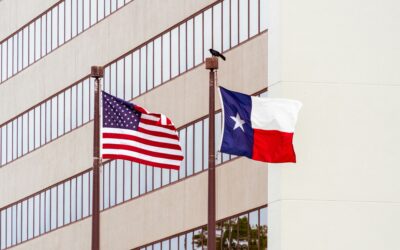
The Texas Red Wall Crack: GOP Fears Trump’s Late Paxton Endorsement Handcuffs Safely Red Senate Seat
The most expensive and vitriolic Senate primary in American history reached its boiling point, as Texas Republicans headed to the polls for a high-stakes runoff election. But beneath the campaign rallies and a staggering $135 million in ad spending, a deep anxiety is fracturing the state’s Republican establishment. A buzzer-beating, eleventh-hour endorsement from President Donald Trump has fundamentally altered the race, igniting fears that a seat safely held by Republicans for over three decades could be placed in serious jeopardy this November. At The Modern Memo, we analyze the proxy war between incumbent Senator John Cornyn and Attorney General Ken Paxton, the raw campaign data driving the panic, and why Democrats believe they have been handed a golden ticket in the Lone Star State. The Eleventh-Hour Intervention For months, President Trump kept both campaigns on ice, declining to tip the scales during the March 3 primary where neither candidate cleared the 50% threshold. The strategic silence frustrated party leadership, who desperately lobbied the White House to stay neutral or back the more traditional incumbent. The Sledgehammer Endorsement: Just days before the runoff, Trump shattered the stalemate by throwing his total support behind Ken Paxton, calling him a “true MAGA Warrior” and “our Country’s BEST Attorney General.” Altering the Terrain: Rice University political science professor Mark Jones observed that the late endorsement completely destabilized the race. “The moment Donald Trump endorsed Ken Paxton, he took a somewhat unlevel playing field and turned it into a steep cliff,” Jones noted, giving Paxton an immediate surge among the grassroots base. The Loyalty Reward: The endorsement is being viewed as a direct reward for Paxton’s unyielding fealty. While Cornyn has positioned himself as a Reagan-era constitutionalist who voted with the administration’s legislative agenda over 99% of the time, Paxton pitched himself as an aggressive political brawler willing to take a sledgehammer to the party establishment. The Primary Fallout: Why the GOP is Panicking While the endorsement has energized core conservative voters, veteran Texas strategists are privately sounding the alarm. They warn that selecting a nominee with significant political baggage could crack the state’s historic red wall. A Liability in November: Senator Cornyn has repeatedly warned that nominate-at-all-costs primary strategies will backfire in a general election. “If a Paxton were the nominee, this would be the first chance Democrats have had in 30 or 40 years to pick up a statewide office,” Cornyn told reporters, arguing that the Attorney General would hand the seat to the opposition “on a silver platter.” The Baggage Burden: Establishment concerns are rooted in Paxton’s turbulent legal history, including a highly publicized 2023 impeachment trial by the GOP-led Texas House over corruption allegations. Though he was ultimately acquitted by the state Senate, party leaders worry those vulnerabilities will become the central target of a relentless general election onslaught. The Resource Drain: Rather than allocating critical national funds to flip vulnerable seats in Maine or North Carolina, the National Republican Senatorial Committee (NRSC) may now be forced to spend tens of millions of dollars playing defense in a state that hasn’t elected a Democratic U.S. Senator since 1993. The Democratic Playbook: Enter James Talarico Waiting in the wings is the Democratic nominee, State Representative James Talarico of Austin. An articulate, formidable fundraising powerhouse, Talarico has deliberately run a disciplined campaign focused on infrastructure, public education, and working-class economic anxiety. The Strategic Target: Talarico’s team is actively praying for a Paxton victory in the runoff. Internal polling suggests that while outlasting an institutional fixture like Cornyn would be a near-impossible climb, facing a deeply polarizing figure like Paxton shifts the race entirely. The Suburbs in Play: Political scientists point out that the shifting demographics of the Texas suburbs—specifically around Houston, Dallas, and Austin—have made the state increasingly competitive. If moderate suburban women and independent voters independent of the MAGA base defect due to Paxton’s controversies, the traditional math of Texas elections collapses. The Knife Fight: Democratic strategists are realistic but highly energized. “Donald Trump’s approval rating is low, and there is a deeply flawed candidate at the top of the ticket, which could spell disaster for Republicans,” Jones added. Final Word The primary runoff in Texas is the definitive proof that the battle for the soul of the Republican Party is far from settled. When you look past the noise of campaign anthems and focus on the data—the $135 million spent on intra-party warfare and the looming vulnerability of a 30-year red stronghold—you gain a clearer picture of a party taking an immense strategic gamble. Quality information replaces the narrative of an easy November victory with the reality of an aggressive realignment that prioritizes ideological purity over general election insulation. It allows you to see that while Ken Paxton has proven he has the guts to win a primary, he may have just handed Democrats the exact opening they need to reshape the United States Senate. By choosing to intervene at the buzzer, Donald Trump has ensured that the road to the majority runs straight through a Texas knife fight.

The Interstate Mayhem: Justice Thomas Blasts SCOTUS for Rejecting Florida Suit Over Blue-State Trucking Licenses Issued to Undocumented Migrants
The U.S. Supreme Court on Tuesday delivered a major blow to interstate accountability, throwing out a high-stakes, original-jurisdiction lawsuit filed by the state of Florida against California and Washington. The Sunshine State had sued the two progressive strongholds, alleging their sanctuary policies openly defy federal transportation and immigration laws by putting thousands of undocumented truckers on American highways without proper vetting or English proficiency. While the unsigned, 7-2 majority dismissed the suit without offering an explanation, Justice Clarence Thomas—joined by Justice Samuel Alito—penned a stinging five-page dissent, blasting the high court for running away from its constitutional duty to adjudicate serious disputes between sovereign states. At The Modern Memo, we analyze the devastating Florida Turnpike crash that triggered this interstate legal war, the raw data behind the blue-state licensing pipeline, and Justice Thomas’s warning about a “disturbing phenomenon” threatening American motorists. The Tragedy: Ten Failed Tests and a Fatal Turn The legal battle wasn’t born out of a abstract political disagreement, but from a horrific, multi-fatality traffic accident on Florida’s Turnpike in August 2025. The Crash: Harjinder Singh, a 28-year-old national of India who entered the United States illegally through the southern border, jackknifed his 80,000-pound commercial tractor-trailer while attempting an illegal, multi-lane U-turn on the highway in St. Lucie County. A passenger van smashed into the side of the semi, killing three people. The Systemic Failures: State and federal post-crash investigations revealed a stunning lack of qualification. Official records showed that Singh had failed his Commercial Driver’s License (CDL) knowledge exam in Washington state 10 separate times in a span of just two months before the state finally handed him a license. He also failed his air brakes knowledge test twice. The Language Barrier: Investigators discovered that Singh could not read standard English road signs and had completely failed the Federal Motor Carrier Safety Administration’s (FMCSA) English proficiency requirements. Bodycam footage from an earlier traffic stop in New Mexico captured a state trooper struggling to communicate basic instructions to Singh due to his lack of English comprehension. The Blue-State Pipeline: Defying Federal Standards Despite his immigration status and clear safety deficiencies, Singh was able to exploit sanctuary state policies to secure commercial credentials. Washington state issued him his first CDL, and California’s DMV subsequently granted him a second, valid non-domiciled CDL. The Florida Accusation: Florida Attorney General James Uthmeier filed an original action directly with the Supreme Court, accusing the West Coast states of willful negligence and creating a public nuisance. The suit argued that by handing big-rig licenses to undocumented migrants who cannot comprehend American traffic safety markers, California and Washington are actively exporting danger across state lines. The Federal Crackdown: The issue has already triggered a severe fiscal standoff with Washington D.C. U.S. Transportation Secretary Sean Duffy put states on notice, withholding roughly $40 million in federal highway safety funds from California due to its systemic non-compliance with commercial driver English-language mandates. The Blue State Defense: Attorneys general from California and Washington dismissed Florida’s lawsuit as a “political stunt.” They countered that their licensing programs comply with state-level sanctuary regulations designed to ensure all drivers are registered and insured, regardless of legal presence. The Thomas Dissent: ‘Nowhere Else to Bring Their Claims’ Under Article III of the Constitution, the Supreme Court possesses original jurisdiction over lawsuits between two or more states, meaning the case bypasses lower federal courts entirely. By refusing to even hear the evidence, Justice Thomas argued that the majority left Florida completely defenseless against extra-jurisdictional threats. The Constitutional Mandate: “This Court declines to even hear Florida’s claims, even though it has nowhere else to bring them,” Thomas wrote in his dissent. He reiterated his long-held view that the Supreme Court does not have the discretion to simply pick and choose which interstate suits it wants to hear. The English Requirement: Thomas directly addressed the core safety hazard at the heart of the litigation. “An illegal alien who cannot read English road signs cannot drive an 80,000-pound tractor-trailer,” Thomas wrote, validating Florida’s concerns over the “disturbing phenomenon” of unlicensed and unqualified drivers causing fatal accidents. A State’s Recourse: Legal scholars noted that Thomas’s framework points out a dangerous constitutional paradox: if the Supreme Court closes its doors to states seeking peaceful, legal remedies against the reckless domestic policies of their neighbors, it strips away the very mechanism meant to keep the Union intact. Final Word The Supreme Court’s dismissal of Florida v. California and Washington is the definitive proof that the legal system is currently failing to protect citizens from the consequences of open-border sanctuary policies. When you look past the noise of blue-state “political stunt” rhetoric and focus on the data—the three dead motorists on the Florida Turnpike, an illegal alien who failed his driving metrics 10 times, and $40 million in withheld federal transit funds—you gain a clearer picture of a dangerous regulatory breakdown. Quality information replaces the narrative of “routine state licensing” with the reality of an interstate public nuisance that transforms 80,000-pound commercial vehicles into unguided missiles. It allows you to see that while seven justices chose bureaucratic convenience, Clarence Thomas chose the safety of the American family. By refusing to hold progressive states accountable for who they put behind the wheel, the high court has ensured that the next tragedy is only a state line away.