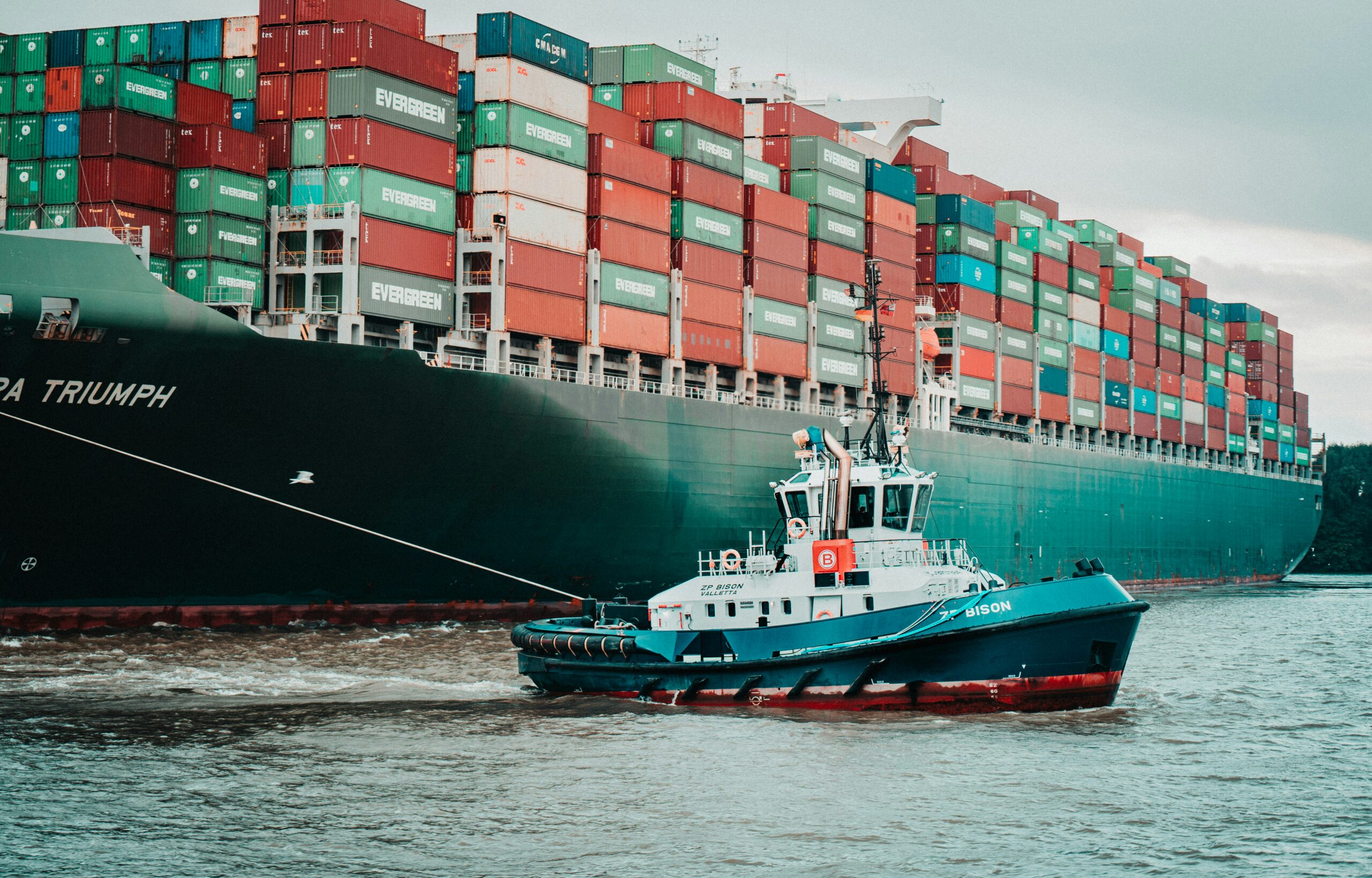

The ink on the “Islamabad Accord” is barely dry, yet the “peace” it promised is already showing signs of a calculated betrayal. As of April 10, 2026, a massive logjam of over 3,200 commercial vessels—ranging from VLCC oil tankers to massive container ships—has piled up outside the Strait of Hormuz. Despite Tehran’s weekend promise to allow safe passage, the waterway remains a “no-go zone” of bureaucratic delays and lingering IRGC threats.
At The Modern Memo, we analyze the breakdown of the ceasefire’s most critical pillar, the economic toll of the “Hormuz Pile-up,” and why the Trump administration is signaling that the B-52s may need to return to the skies.
The Broken Promise: Safe Passage or Selective Sabotage?
Under the terms of the Islamabad Accord ratified on Wednesday, Iran committed to the immediate and unconditional reopening of the Strait. However, the reality on the water tells a far more sinister story.
-
The “Technical” Excuse: Iranian port authorities and the IRGC Navy are claiming that “unexploded ordnance” and “navigational hazards” from the recent U.S. strikes require a slow, controlled entry of ships.
-
The Pile-Up Data: Satellite imagery confirms that over 3,200 vessels are currently idling in the Gulf of Oman and the Arabian Sea. This includes approximately 65 million barrels of oil that are desperately needed to stabilize global markets.
-
Strategic Throttling: Experts believe the regime is intentionally “throttling” the flow of traffic to maintain high oil prices and leverage the ceasefire as a shield while they move remaining military assets into hardened bunkers.
The Economic Toll: A $1.8 Billion-a-Day Crisis
The maritime logjam is not just a logistical headache; it is a direct assault on global trade. Every day the Strait remains “technically” closed, the global economy pays a staggering price.
-
Insurance Skyrockets: Maritime insurance premiums for “War Risk” have failed to drop despite the ceasefire, as Lloyd’s of London cites “unverified safety conditions” within the Strait.
-
Supply Chain Ripples: Container ships carrying electronics, automotive parts, and grain are missing their arrival windows at Jebel Ali and Abu Dhabi, threatening a secondary inflationary spike in the West just as prices began to settle.
-
The “Wait and See” Cost: Analysts estimate the idling cost of this fleet exceeds $1.8 billion per day in fuel, crew wages, and lost opportunity.
The Washington Response: “The Clock is Still Ticking”
The White House has issued a stern warning to Tehran: a “technical” delay is the same as a “hostile” delay.
-
Hegseth’s Warning: Defense Secretary Pete Hegseth stated this morning that U.S. Navy minesweepers are ready to clear the lanes without Iranian assistance. “If they can’t clear the path, we will,” Hegseth remarked, suggesting that any IRGC interference with U.S. minesweeping operations would be treated as a violation of the truce.
-
No More Games: President Trump has reportedly instructed the Pentagon to maintain “Full Combat Readiness” for the carrier groups in the region. The administration views this “pile-up” as a clear violation of the “spirit” of the Islamabad Accord.
Final Word
The 3,200 ships idling outside the Strait are a physical monument to Iranian duplicity. When you look past the noise of “navigational safety” and focus on the data—the unprecedented vessel backlog and the regime’s refusal to facilitate U.S. minesweeping—you gain a clearer picture of an enemy that is using the word “peace” as a tactical maneuver.
Quality information replaces the hope of a “diplomatic breakthrough” with the reality of a strategic bottleneck. It allows you to see that the Islamabad Accord was only the beginning of the pressure, not the end. By choosing to hold Tehran’s feet to the fire, the U.S. is ensuring that “safe passage” is a fact, not a favor.
Where Facts, Context, and Perspective Matter
At The Modern Memo, our goal is simple: to provide clear, well-researched reporting in a media landscape that often feels overwhelming. We focus on substance over sensationalism, and context over commentary.
If you value thoughtful analysis, transparent sourcing, and stories that go beyond the headline, we invite you to share our work. Informed conversations start with reliable information, and sharing helps ensure important stories reach a wider audience.
Journalism works best when readers engage, question, and participate. By reading and sharing, you’re supporting a more informed public and a healthier media ecosystem.
The Modern Memo may be compensated and/or receive an affiliate commission if you click or buy through our links. Featured pricing is subject to change.
Subscribe to The Modern Memo here!
