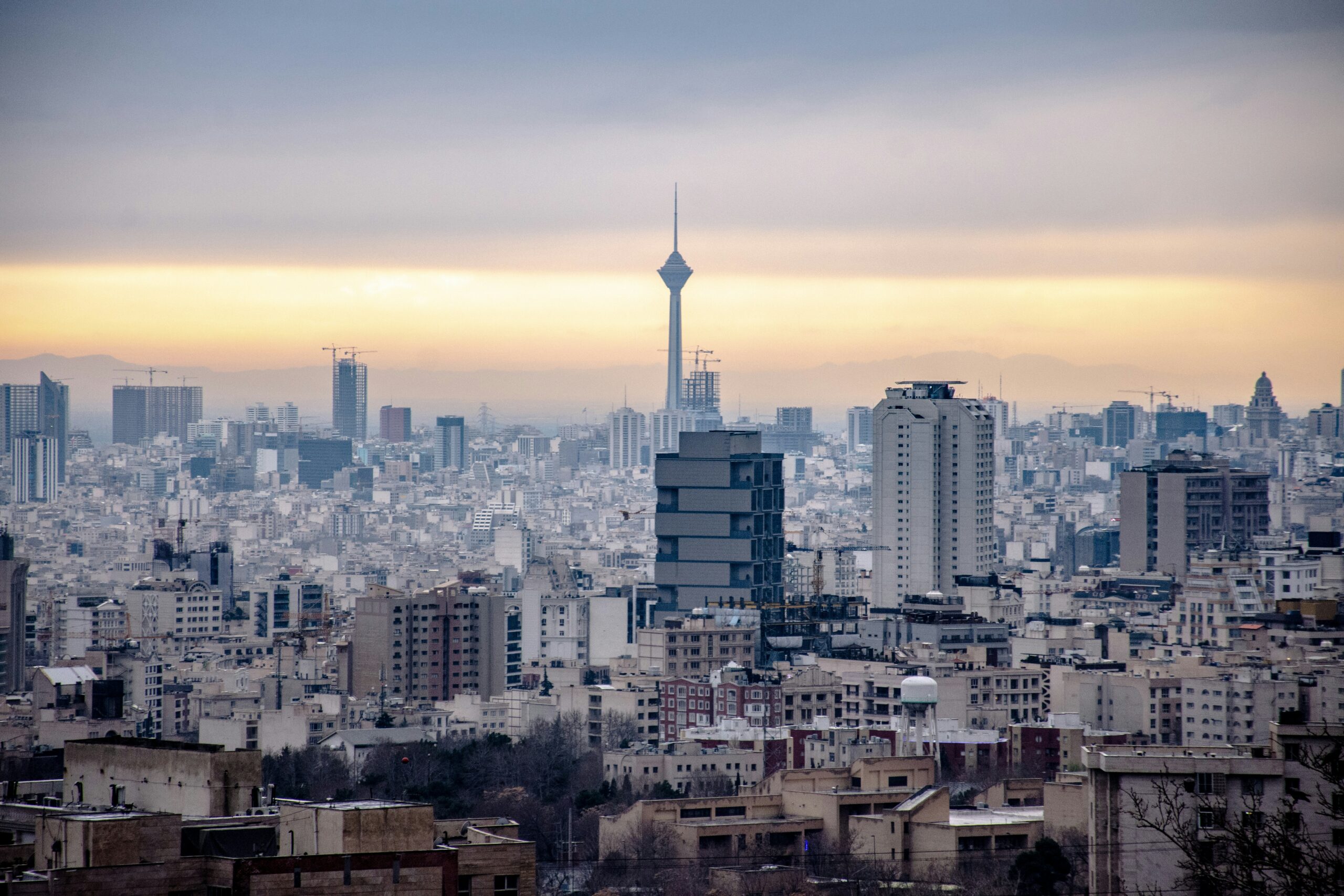

The clock is ticking toward a high-stakes moment of truth in the Middle East. As of Tuesday, April 7, 2026, the Islamic Republic has officially rejected a 45-day temporary ceasefire proposal, opting instead to demand a permanent end to hostilities and “guarantees” against future strikes. The move sets the stage for a massive escalation as President Trump’s final deadline of 8:00 PM Washington time draws near.
At The Modern Memo, we analyze the breakdown of diplomacy, the “Stone Age” warning from the Oval Office, and the tactical strikes already underway as Operation Epic Fury enters its most decisive phase.
The Ultimatum: “Cry Uncle” or Face the Consequences
President Trump has been unambiguous about the consequences of Tehran’s defiance. During an address on the White House lawn, the President confirmed that the 8:00 PM deadline is final.
-
The Infrastructure Threat: “If they don’t cry uncle, no bridges, no power plants, no anything,” the President warned. The administration’s goal is clear: the total neutralization of Iran’s ability to function as a modern state unless the Strait of Hormuz is fully reopened to all international shipping.
-
Widening the Target List: While previous phases of Operation Epic Fury focused on the IRGC and missile sites, the President suggested that if a deal isn’t reached, the U.S. will pivot to “taking the oil”—targeting the economic lifeblood that funds the regime’s regional aggression.
-
A Civilization at Risk: In a sober warning on Truth Social, the President stated, “A whole civilization will die tonight… I don’t want that to happen, but it probably will.”
Rejection at the Eleventh Hour
Despite mediation efforts by Egypt, Pakistan, and Turkey, the Iranian Foreign Ministry characterized the U.S. position as “incompatible with negotiations.”
-
The Demand for Permanence: Tehran has refused a temporary 45-day pause, claiming it no longer trusts the Trump administration after previous “surgical strikes” occurred during diplomatic windows.
-
The “Negotiating Table” Claim: Iranian officials accused the White House of “assassinating the negotiating table,” while the U.S. maintains that only overwhelming force will ensure the free flow of global energy.
-
Regime Defiance: Iran’s President Masoud Pezeshkian claimed that “14 million Iranians” are ready to defend the nation, even as the Israeli Defense Forces (IDF) issued urgent warnings for Iranian civilians to avoid railways and infrastructure targets.
Pre-Deadline Strikes: Hitting the “Backbone”
Even as the clock winds down, the kinetic campaign has not stopped. Reports indicate that the “mopping up” of strategic assets is already accelerating.
-
South Pars Gas Field: Israeli strikes have successfully targeted a major petrochemical plant in the South Pars field—the world’s largest gas field. This strike aimed to sever a primary revenue stream for the regime.
-
Kharg Island Under Fire: Multiple strikes have been reported on Kharg Island, often described as the backbone of Iran’s oil export infrastructure.
-
Dismantling Logistics: Strategic rail networks in Karaj, Kashan, and Zanjan have been hit, effectively paralyzing the regime’s ability to move heavy military equipment across the country.
Final Word
The rejection of a ceasefire by the Islamic Republic is a gamble of historic proportions. When you look past the noise of “diplomatic channels” and focus on the data—the decimation of the Iranian Navy, the destruction of 90% of their missile launchers, and the looming 8 PM deadline—you gain a clearer picture of a regime that has run out of time.
Quality information replaces the fear of “escalation” with the reality of an administration that values decisive results over endless stalemate. It allows you to see this deadline not as a threat, but as the final enforcement of global stability. By choosing to stand firm, the U.S. is ensuring that the “bully of the Middle East” is permanently retired.
Where Facts, Context, and Perspective Matter
At The Modern Memo, our goal is simple: to provide clear, well-researched reporting in a media landscape that often feels overwhelming. We focus on substance over sensationalism, and context over commentary.
If you value thoughtful analysis, transparent sourcing, and stories that go beyond the headline, we invite you to share our work. Informed conversations start with reliable information, and sharing helps ensure important stories reach a wider audience.
Journalism works best when readers engage, question, and participate. By reading and sharing, you’re supporting a more informed public and a healthier media ecosystem.
The Modern Memo may be compensated and/or receive an affiliate commission if you click or buy through our links. Featured pricing is subject to change.
Subscribe to The Modern Memo here!
