
Trump

The Burn Bag Secret: Justice Department Unearthed Cache of Jack Smith Records Inside Forgotten Room
The ongoing, bitter fallout from Special Counsel Jack Smith’s legal campaign against President Donald Trump took an extraordinary turn within the walls of the Department of Justice. Acting Attorney General Todd Blanche revealed that federal investigators have discovered a vast, sequestered cache of files from Smith’s former office hidden inside an overlooked room at the DOJ headquarters. At The Modern Memo, we break down the recovery of these discarded “burn bags,” the explosive theory that a rogue internal agent intentionally preserved the documents, and what this structural cover-up means for the crumbling narrative of independent federal law enforcement. The Discovery: Overlooked Rooms and “Burn Bags” The stunning disclosure came directly from the head of the Department of Justice. According to Blanche, the document recovery operation took place as part of a sweeping internal audit of files left behind by the Special Counsel’s Office following the dismissal of its federal cases against Trump. The Stash: Investigators unsealed a forgotten, secure room within the DOJ complex that had been largely bypassed during the transition of power. Inside, officials found a massive paper trail that had never been cataloged or turned over to the National Archives. Destruction Material: Crucially, the cache consisted of multiple government-issued “burn bags”—heavy-duty paper sacks explicitly used by federal personnel to hold highly sensitive or classified material designated for total destruction via shredding or incineration. The Intercepted Evidence: Instead of being processed through the standard destruction loops, these bags were quietly hoarded, remaining completely concealed from congressional oversight panels and defense attorneys for over a year. The Rogue Agent Theory: Preservation, Not Destruction What makes the discovery highly volatile is the precise arrangement of the hidden room, which Blanche notes completely dismantles the excuse of a simple bureaucratic oversight. Intentional Placement: The physical layout of the burn bags within the room suggests deliberate, strategic concealment. Rather than being left in a designated disposal area, the documents were systematically arranged in a manner indicating that someone inside the operation was actively running a private archive. The Insider Preserver: “The placement suggests an agent or a staffer may have intentionally saved them,” an institutional source close to the probe noted. Investigators believe a rogue actor inside Smith’s inner circle may have kept the papers as a form of professional insurance, or out of deep concern over the legality of the Special Counsel’s tactics. The Impeachment File Connection: The discovery fits perfectly into a pattern of non-disclosure. Late last year, Blanche confirmed to the Senate Judiciary Committee that Jack Smith’s team had systematically withheld vital, mandatory impeachment records from Trump’s defense lawyers in direct violation of the law. Lawmakers now suspect the contents of these saved burn bags could contain the exact exculpatory evidence Smith’s “merry band of partisans” tried to erase from history. The $1.8 Billion Legal Squeeze The discovery of Jack Smith’s ghost files lands at a moment of maximum structural warfare inside Washington. The Anti-Weaponization Engine: Acting Attorney General Blanche is currently spearheading the implementation of a historic $1.8 billion “Anti-Weaponization” Fund designed to legally and financially compensate individuals targeted by politically motivated DOJ prosecutions. The Evidentiary Goldmine: The newly recovered Jack Smith files are expected to be funneled straight into the fund’s review commission. If the unburned papers expose definitive prosecutorial misconduct, selective enforcement, or fabricated evidence, they will serve as the primary legal justification for massive taxpayer-funded payouts to individuals targeted by Smith’s operations. The Left’s Panic: The sudden unearthing of the paper trail has sent shockwaves through congressional Democrats, who are already screaming foul. Senate progressives have demanded immediate investigations into Blanche’s handling of the department, terrified that the contents of the forgotten room will forever destroy the institutional credibility of the previous administration’s legal warfare. Final Word The unearthing of Jack Smith’s hidden burn bags is the definitive proof that the deep state’s architectural campaign against its political rivals was riddled with internal fractures. When you look past the noise of progressive pearl-clutching and focus on the data—government destruction bags hidden in a secret room, an internal agent who chose to preserve what was ordered destroyed, and a $1.8 billion fund waiting to expose the truth—you gain a clearer picture of a weaponized justice system being exposed by its own records. Quality information replaces the corporate narrative of a “by-the-book investigation” with the reality of a panicked operation that tried to incinerate its own tracks. It allows you to see that while Jack Smith wanted his secrets turned to ash, a single agent’s defiance has ensured the truth will have its day in court. By choosing to expose this hidden room, Todd Blanche hasn’t just uncovered old files; he has detonated a bomb underneath the entire legacy of federal lawfare.
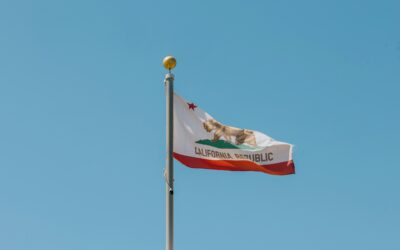
The Slush Fund Skirmish: Newsom Eyeing 100% Tax on Trump Fund While California Burns Billions on Local ‘Boondoggles’
California Governor Gavin Newsom sparked a fierce new battle with the White House, proposing an unprecedented 100% tax on any Californian who receives money from President Donald Trump’s newly established Anti-Weaponization Fund. The aggressive, cash-grabbing proposal has ignited intense accusations of political hypocrisy from conservative critics, who point out that Newsom is trying to confiscate federal payouts while his own state burns through billions on unfinished infrastructure disasters. At The Modern Memo, we analyze the raw data behind the $1.78 billion federal fund, the $2.9 billion budget deficit squeezing Sacramento, and why California’s legendary “train to nowhere” makes Newsom’s rhetoric look entirely uncoupled from fiscal reality. The Federal Target: Trump’s Anti-Weaponization Fund The latest standoff centers on the newly created $1.78 billion federal Anti-Weaponization Fund. Backers describe the fund as a nonpartisan mechanism designed to compensate individuals who were targeted or financially devastated by what the administration characterizes as politically motivated weaponization of the justice system. The Newsom Tax Strategy: Speaking at a press conference, Newsom made his intentions perfectly clear. “Anyone from California that receives any of those funds,” Newsom announced, “we want to tax 100% of those proceeds. And that’s an action the state of California can take. It’s an action we look forward to taking.” The Jan. 6 Battleground: The chief complaint from Newsom and national Democrats is that the fund could be utilized to financially compensate individuals who were indicted or convicted in connection with the January 6 Capitol riot, following the administration’s sweeping pardons and sentence commutations for over 1,500 individuals. “So not only do you get a pardon, you get rewarded,” Newsom complained on social media. “That’s why this is needed.” The 2028 Horizon: Behind the progressive outrage lies a clear electoral calculation. With the 2026 midterm elections looming and Newsom widely viewed as a premier contender for the 2028 Democratic presidential nomination, positioning himself as the chief architect of the anti-Trump “resistance” allows him to shore up his national progressive credentials. The Deficit Problem: Squeezing a $2.9 Billion Shortfall While Newsom frames the 100% claw-back tax as a moral crusade, Sacramento insiders note that the state is also desperately hunting for any extra revenue it can get its hands on. The Budget Gap: Recent fiscal audits reveal that California is staring down a roughly $2.9 billion budget shortfall for the upcoming fiscal year. The No-Bid Backlash: The scramble for cash has brought renewed scrutiny to the state’s own history of loose spending. During the 2021 recall campaign, independent investigations revealed that California had awarded billions of dollars in emergency, no-bid COVID-19 contracts to firms heavily tied to Newsom’s political donors and well-connected insiders. The State-Level Slush Funds: State Republican Senate Minority Leader Brian Jones slammed the administration’s fiscal double standards, pointing back to a controversial $25 million taxpayer-funded legal fund created by Sacramento explicitly to wage “legal warfare” against conservative federal policies—a fund Republicans repeatedly branded an official executive slush fund. The Golden State Boondoggles: Burning Billions The accusation of fiscal hypocrisy is amplified by California’s track record with massive, over-budget public works projects that critics say make Trump’s federal fund look like pocket change. The High-Speed Rail Disaster: California’s high-speed rail project has become the ultimate national textbook example of government waste. After 16 years and roughly $15 billion in expenditures, the project’s projected total cost has ballooned to a staggering $128 billion—and the state has still yet to lay a single operational high-speed track. The Federal Cutoff: The project hit a major structural wall after U.S. Transportation Secretary Sean Duffy permanently pulled the plug on $4 billion in unspent federal grants, citing total mismanagement and a failure to meet binding deadlines. The Bridge to Nowhere: The rail line isn’t the only project drawing fire. Federal transit officials recently mocked California over an unfinished wildlife crossing bridge in the Golden State that has already run an astronomical $21 million over its initial budget, earning it the nickname “the bridge to nowhere” from critics of the state’s regulatory bloat. Final Word Governor Newsom’s plan to implement a predatory 100% tax on federal fund recipients is the definitive proof that progressive leaders are perfectly comfortable with aggressive government spending—as long as they are the ones controlling the checkbook. When you look past the noise of “anti-weaponization” rhetoric and focus on the data—a $2.9 billion state budget deficit, an unprecedented 100% tax proposal on private citizens, and a $128 billion train project without a single track—you gain a clearer picture of an administration attempting to distract from its own structural failures. Quality information replaces the narrative of a righteous state intervention with the reality of a 2028 presidential hopeful deflective posturing. It allows you to see that while Newsom wants to aggressively claw back money from his political opponents, his own taxpayers are left footing the bill for the most expensive infrastructure boondoggles in human history. By choosing to pick a fight over Trump’s federal fund, the California governor has only succeeded in reminding the nation of the multi-billion-dollar glass house he sits in.

The Cover-Up Continues: Trump Lashes Out After Biden Sues His Own Former DOJ to Hide Ghostwriter Audio
The long-running battle over political transparency reached a stunning and chaotic milestone in Washington, D.C. In an unprecedented legal maneuver, former President Joe Biden filed a federal lawsuit against the Department of Justice in a desperate bid to halt the imminent public release of approximately 70 hours of private cand transcripts. The hidden files capture Biden discussing sensitive, classified information with the ghostwriter of his 2017 memoir. At The Modern Memo, we analyze the raw data of Biden’s sudden legal offensive, the impending June deadline that sparked the panic, and why President Donald Trump is blasting the move as one of the most dangerous and corrupt scandals in American history. The Lawsuit: An ‘Invasion of Privacy’ in the Twin Cities Pipeline The legal complaint, filed by Biden’s personal attorneys in the U.S. District Court for the District of Columbia, takes aim at a massive, sudden policy reversal within the Department of Justice regarding transparency standards. The Stolen Content: At the heart of the litigation are extensive recordings and transcripts from 2016 and 2017 between Biden and Mark Zwonitzer, the biographer who drafted his book Promise Me, Dad. The files were seized by federal authorities during the 2023 investigation into Biden’s systemic mishandling of classified documents. The Privacy Defense: Biden’s legal team argued that releasing the raw audio to congressional oversight panels and public interest groups would constitute an unwarranted invasion of privacy. “Every American, including a sitting or former Vice President, has a right to privacy in the personal conversations he has within his own home,” his lawyers wrote. The Sudden Pivot: Under the current administration, the DOJ notified Biden in February 2026 that it was abandoning its previous, defensive posture. Dropping prior exemptions, the department informed Biden it intended to fully comply with outstanding public records law demands and congressional subpoenas by turning over the unredacted files on June 15. Trump Hits Back: ‘What Is He Trying to Hide?’ The response from the White House was immediate and unsparing. President Trump utilized his platform to lambaste his former rival’s legal maneuver, framing the lawsuit as definitive proof of a deeply entrenched culture of evasion and cognitive shielding. The Executive Blame: Trump characterized the lawsuit as one of the most dangerous scandals in modern U.S. history, arguing that Biden is using a team of high-priced lawyers to weaponize the federal court system against the American public’s right to know the truth. The Memory Loophole: Conservative lawmakers have long suspected that the 70 hours of audio contain direct evidence of the severe memory lapses and cognitive decline that ultimately derailed Biden’s 2024 re-election campaign. Trump noted that if Biden’s memory was as flawless as his defenders claimed, he would welcome the release rather than filing emergency cross-claims to bury it. The Classified Double Standard: The White House has consistently pointed out the glaring asymmetry in how classified document retention has been treated. While the previous administration pursued aggressive, multi-count indictments over secure storage at Mar-a-Lago, Biden’s team is actively fighting to ensure the public never hears him read classified foreign policy notebooks aloud to a private, un-cleared biographer. The Hur Report Legacy: ‘Elderly Man with a Poor Memory’ The ghostwriter tapes were a foundational pillar of the 345-page report compiled by former Special Counsel Robert Hur. While Hur ultimately opted against pursuing criminal charges, his characterization of the former president created a political earthquake. The Willful Retention: Hur’s final report explicitly concluded that Biden had willfully retained and disclosed classified materials as a private citizen, including sensitive military logs and foreign policy documents regarding Afghanistan. The Rationale for Acquittal: Hur famously justified his decision not to prosecute by predicting a jury would view Biden as a “sympathetic, well-meaning, elderly man with a poor memory.” The Fuzziness on Display: While the printed transcripts of Biden’s separate, five-hour interview with prosecutors showed him becoming repeatedly fuzzy about dates, document trails, and the timeline of his own vice presidency, the Heritage Foundation and the House Judiciary Committee have argued the actual audio files are vital to evaluating his true fitness and intent. Final Word Joe Biden’s lawsuit against the Justice Department is the definitive proof that the architectural defense of the old establishment relies entirely on closed doors and sealed records. When you look past the noise of “privacy right” justifications and focus on the data—the 70 hours of sequestered biographer tapes, the willful dissemination of classified foreign policy data to an author, and the abrupt June 15 release deadline—you gain a clearer picture of an institutional cover-up running out of runway. Quality information replaces the narrative of “harmless personal conversations” with the reality of an elite political figure desperate to prevent the American electorate from hearing his own unedited voice. It allows you to see that while Biden wants to fight the transparency mandate in a Washington federal court, the demand for accountability is a force that no late-minute motion can permanently restrain. By choosing to sue to hide the receipts, the former president has inadvertently ensured that the countdown to June 15 is the most scrutinized timeline in Washington.
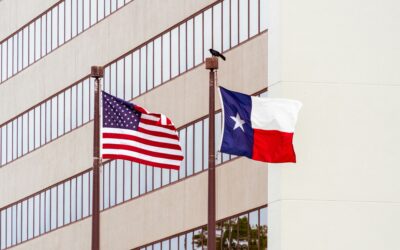
The Texas Red Wall Crack: GOP Fears Trump’s Late Paxton Endorsement Handcuffs Safely Red Senate Seat
The most expensive and vitriolic Senate primary in American history reached its boiling point, as Texas Republicans headed to the polls for a high-stakes runoff election. But beneath the campaign rallies and a staggering $135 million in ad spending, a deep anxiety is fracturing the state’s Republican establishment. A buzzer-beating, eleventh-hour endorsement from President Donald Trump has fundamentally altered the race, igniting fears that a seat safely held by Republicans for over three decades could be placed in serious jeopardy this November. At The Modern Memo, we analyze the proxy war between incumbent Senator John Cornyn and Attorney General Ken Paxton, the raw campaign data driving the panic, and why Democrats believe they have been handed a golden ticket in the Lone Star State. The Eleventh-Hour Intervention For months, President Trump kept both campaigns on ice, declining to tip the scales during the March 3 primary where neither candidate cleared the 50% threshold. The strategic silence frustrated party leadership, who desperately lobbied the White House to stay neutral or back the more traditional incumbent. The Sledgehammer Endorsement: Just days before the runoff, Trump shattered the stalemate by throwing his total support behind Ken Paxton, calling him a “true MAGA Warrior” and “our Country’s BEST Attorney General.” Altering the Terrain: Rice University political science professor Mark Jones observed that the late endorsement completely destabilized the race. “The moment Donald Trump endorsed Ken Paxton, he took a somewhat unlevel playing field and turned it into a steep cliff,” Jones noted, giving Paxton an immediate surge among the grassroots base. The Loyalty Reward: The endorsement is being viewed as a direct reward for Paxton’s unyielding fealty. While Cornyn has positioned himself as a Reagan-era constitutionalist who voted with the administration’s legislative agenda over 99% of the time, Paxton pitched himself as an aggressive political brawler willing to take a sledgehammer to the party establishment. The Primary Fallout: Why the GOP is Panicking While the endorsement has energized core conservative voters, veteran Texas strategists are privately sounding the alarm. They warn that selecting a nominee with significant political baggage could crack the state’s historic red wall. A Liability in November: Senator Cornyn has repeatedly warned that nominate-at-all-costs primary strategies will backfire in a general election. “If a Paxton were the nominee, this would be the first chance Democrats have had in 30 or 40 years to pick up a statewide office,” Cornyn told reporters, arguing that the Attorney General would hand the seat to the opposition “on a silver platter.” The Baggage Burden: Establishment concerns are rooted in Paxton’s turbulent legal history, including a highly publicized 2023 impeachment trial by the GOP-led Texas House over corruption allegations. Though he was ultimately acquitted by the state Senate, party leaders worry those vulnerabilities will become the central target of a relentless general election onslaught. The Resource Drain: Rather than allocating critical national funds to flip vulnerable seats in Maine or North Carolina, the National Republican Senatorial Committee (NRSC) may now be forced to spend tens of millions of dollars playing defense in a state that hasn’t elected a Democratic U.S. Senator since 1993. The Democratic Playbook: Enter James Talarico Waiting in the wings is the Democratic nominee, State Representative James Talarico of Austin. An articulate, formidable fundraising powerhouse, Talarico has deliberately run a disciplined campaign focused on infrastructure, public education, and working-class economic anxiety. The Strategic Target: Talarico’s team is actively praying for a Paxton victory in the runoff. Internal polling suggests that while outlasting an institutional fixture like Cornyn would be a near-impossible climb, facing a deeply polarizing figure like Paxton shifts the race entirely. The Suburbs in Play: Political scientists point out that the shifting demographics of the Texas suburbs—specifically around Houston, Dallas, and Austin—have made the state increasingly competitive. If moderate suburban women and independent voters independent of the MAGA base defect due to Paxton’s controversies, the traditional math of Texas elections collapses. The Knife Fight: Democratic strategists are realistic but highly energized. “Donald Trump’s approval rating is low, and there is a deeply flawed candidate at the top of the ticket, which could spell disaster for Republicans,” Jones added. Final Word The primary runoff in Texas is the definitive proof that the battle for the soul of the Republican Party is far from settled. When you look past the noise of campaign anthems and focus on the data—the $135 million spent on intra-party warfare and the looming vulnerability of a 30-year red stronghold—you gain a clearer picture of a party taking an immense strategic gamble. Quality information replaces the narrative of an easy November victory with the reality of an aggressive realignment that prioritizes ideological purity over general election insulation. It allows you to see that while Ken Paxton has proven he has the guts to win a primary, he may have just handed Democrats the exact opening they need to reshape the United States Senate. By choosing to intervene at the buzzer, Donald Trump has ensured that the road to the majority runs straight through a Texas knife fight.

The Camp David Crunch: Trump Convenes Rare Mountain Summit as Hormuz Strikes Push Ceasefire to the Brink
The illusion of a quiet diplomatic resolution in the Persian Gulf shattered over the weekend, prompting an extraordinary structural shift from the White House. President Donald Trump has ordered his entire Cabinet to bypass traditional Washington channels and assemble on Wednesday at the secluded Camp David presidential retreat in Maryland. The emergency mountain summit comes as intensive, high-stakes peace negotiations in Qatar hit a critical bottleneck, compounded by fresh American military strikes against Iranian forces inside the Strait of Hormuz. At The Modern Memo, we look past the generic press briefings to analyze the structural fracture within the GOP over the proposed “Hormuz-Only” memorandum, the precise data behind Sunday’s naval engagements, and why the administration’s focus is rapidly shifting from tactical restraint to an absolute deadline. The Emergency Summit: Why Camp David? The choice of the heavily guarded, forested retreat in the Catoctin Mountains—a location this President rarely utilizes—is the first major indicator of how volatile the geopolitical calculus has become. Isolating the Cabinet: According to White House and congressional sources, the unscheduled assembly is designed to lock down internal communication. By removing Cabinet secretaries, including Secretary of State Marco Rubio, Defense Secretary Pete Hegseth, and outgoing Director of National Intelligence Tulsi Gabbard, from the media echo chamber of Washington, the President is enforcing a unified front before delivering a final terms package to Tehran. The Looming Midterms: While foreign policy dominates the itinerary, internal memos show the administration is highly sensitive to the economic realities of the conflict. With the pivotal 2026 midterm elections fast approaching, voter anger over the domestic affordability crisis and skyrocketing energy costs has forced the White House to treat the reopening of the Strait of Hormuz as an immediate domestic necessity. A History of Escalation: This marks only the second time the Cabinet has relocated to Camp David during this term. The first mountain session occurred in June 2025, just 48 hours before the United States launched its historic, devastating airstrikes against Iran’s domestic nuclear infrastructure. The Sunday Engagement: Pounding the Mine-Layers The diplomatic leverage being discussed at Camp David is backed by cold, kinetic reality. On Sunday, U.S. Central Command (CENTCOM) ordered localized “self-defense strikes” in southern Iran after surveillance assets caught Iranian forces attempting to re-lock their grip on international shipping lanes. Targeting the Chokehold: U.S. Navy assets and warplanes struck direct targets around Bandar Abbas, a highly strategic port city on the rim of the Strait of Hormuz. The targets included mobile surface-to-air missile launchers that had locked onto American aircraft, alongside several Islamic Revolutionary Guard Corps (IRGC) small boats caught actively trying to emplace naval mines. The Attrition Data: CENTCOM confirmed that two IRGC mine-laying vessels were completely neutralized and a primary missile site was systematically dismantled. Iranian state media later acknowledged that at least four Guard troops were killed in the engagement. The Red Line: CENTCOM spokesperson Captain Tim Hawkins characterized the operation as entirely defensive, stating that the U.S. is exercising maximum operational restraint to protect the fragile, seven-week-old ceasefire, but will not tolerate active mining operations in international waters. The Qatar Friction: The Nuclear Loophole The military friction directly mirrors the diplomatic gridlock currently unfolding in Doha, Qatar, where a high-level Iranian delegation led by parliamentary speaker Mohammad Bagher Ghalibaf is attempting to hammer out a Memorandum of Understanding (MOU). The Proposed Compromise: Under the interim framework currently backed by the White House, Washington would agree to unfreeze select Iranian financial assets held in foreign banks (including Qatari institutions) and ease port blockades. In exchange, Iran would immediately restore unhindered commercial shipping through the Strait, where roughly 20% of the world’s liquefied natural gas and oil flows. The Nuclear Omission: The explosive point of contention—and the driving force behind the Camp David meeting—is that the proposed text completely excludes immediate nuclear concessions. Instead, negotiations regarding Iran’s highly enriched uranium stockpile would be delayed for a 30-to-60-day window after the maritime corridor reopens. The GOP Backlash: This structural delay has triggered fierce pushback from within the President’s own party. Senior Republican lawmakers have openly slammed the plan as a “disastrous compromise,” arguing that unfreezing assets without securing the total destruction or surrender of Tehran’s remaining nuclear material gives the regime an economic lifeline to rebuild its proxy network in Lebanon and Yemen. Final Word The rare Cabinet assembly at Camp David is the definitive proof that the Trump administration is preparing to either close the biggest deal of the decade or unleash an unprecedented level of military force. When you look past the noise of “ceasefire diplomacy” and focus on the hard data—the destroyed IRGC mine-laying boats in Bandar Abbas, the $12 billion economic stakes of the midterms, and the furious pushback from GOP realists—you gain a clearer picture of a superpower running out of patience. Quality information replaces the corporate narrative of an elusive, open-ended peace process with the reality of a President who has backed his opponent into a corner. By choosing to gather his leadership team in the mountains of Maryland, Donald Trump is sending an unmistakable signal: the time for tactical restraint is over, and the Strait of Hormuz will open—either by pen or by fire.
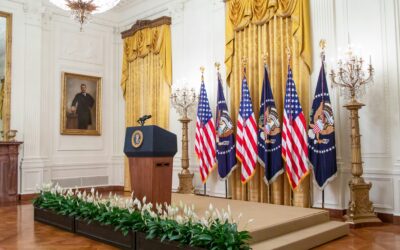
The Countdown to Consequence: Trump Convenes High-Level Situation Room Meeting as Nuclear Talks Hit ‘Dead End’
The space for diplomacy has officially run out. Following a weekend of deadlocked negotiations and fresh regional provocations, President Donald Trump has summoned his top national security advisers to the White House Situation Room. The high-stakes meeting comes directly on the heels of a stark, final warning from the President to Tehran, signaling that the United States is ready to transition from economic strangulation to direct military action. At The Modern Memo, we analyze the collapse of the Pakistan-mediated peace talks, the rigid five-point ultimatum delivered by Washington, and why the administration’s “the clock is ticking” warning means the era of strategic patience is over. The Situation Room Briefing: Preparing the Target List The meeting—convened by the President and attended by Vice President JD Vance, Secretary of State Marco Rubio, Defense Secretary Pete Hegseth, and Joint Chiefs Chairman Dan Caine—is focused on finalizing kinetic options should the Iranian regime reject America’s final terms. The Midnight Warning: The operational shift follows a blunt declaration by the President on social media: “For Iran, the Clock is Ticking, and they better get moving, FAST, or there won’t be anything left of them. TIME IS OF THE ESSENCE!” Netanyahu Coordination: Prior to the Situation Room meeting, the President held a lengthy secure call with Israeli Prime Minister Benjamin Netanyahu. Reports from Jerusalem indicate that the Israeli Security Cabinet is simultaneously convening, with U.S. and Israeli forces aligning coordinate grids for potential joint strikes on Iranian nuclear assets. The Proxies Escalate: The urgency of the military briefing was heightened by a drone strike in the United Arab Emirates that caused a fire near a nuclear power plant, an act of aggression the UAE labeled a “dangerous escalation” and blamed squarely on Iran’s proxy network. The Deadlock: Five Demands vs. Five Preconditions The temporary, Pakistan-mediated truce that halted large-scale bombing has effectively disintegrated. Internal reports reveal that both sides have rejected each other’s core frameworks, leaving no viable path to a traditional nuclear deal. The U.S. Ultimatum: Washington’s five-point list demands total capitulation from Tehran: Surrender 400 kilograms of highly enriched uranium to U.S. custody. Dismantle all but one single nuclear facility. Permanently drop all demands for war compensation. Accept that the vast majority of frozen Iranian assets will remain permanently blocked. End hostilities on all regional fronts prior to any final text being signed The Iranian Defiance: Iranian President Masoud Pezeshkian has countered with a list of “fantasies,” demanding a permanent ceasefire in Lebanon, the immediate lifting of all economic sanctions, and international recognition of Iranian sovereignty over the Strait of Hormuz. The Trump Posture: “No More Favors” The administration is making it clear that the temporary cessation of hostilities was a diplomatic courtesy, not a sign of American hesitation. The Favor to Pakistan: The President reminded reporters that the U.S. only agreed to the recent ceasefire as a “favor to Pakistan,” praising their leadership but noting that Iran chose to use the breathing room to play political games rather than comply. The “Phantom Shift” Defeated: U.S. intelligence reportedly tracked the movement of several Iranian military aircraft to an airbase near Rawalpindi during the truce—a move critics say proves Tehran was trying to shield its assets from imminent destruction. Overwhelming Deterrence: With U.S. warships maintaining a total lock on the Persian Gulf under Operation Epic Fury, the administration is operating from a position of absolute superiority. Final Word The Situation Room meeting is the definitive proof that the United States will no longer allow itself to be blackmailed by rogue states. When you look past the noise of “diplomatic channels” and focus on the data—the rigid five-point mandate and the unprecedented joint posture with Israel—you gain a clearer picture of an administration that has drawn a line in the sand. Quality information replaces the narrative of “endless negotiations” with the reality of a hard deadline. It allows you to see that while Iran wants to talk about compensation and sovereignty, the United States is talking about total disarmament. By choosing to declare that the clock is ticking, the President has ensured that if the Ayatollah does not blink, the response will be swift, surgical, and devastating. Where Facts, Context, and Perspective Matter At The Modern Memo, our goal is simple: to provide clear, well-researched reporting in a media landscape that often feels overwhelming. We focus on substance over sensationalism, and context over commentary. If you value thoughtful analysis, transparent sourcing, and stories that go beyond the headline, we invite you to share our work. Informed conversations start with reliable information, and sharing helps ensure important stories reach a wider audience. Journalism works best when readers engage, question, and participate. By reading and sharing, you’re supporting a more informed public and a healthier media ecosystem. The Modern Memo may be compensated and/or receive an affiliate commission if you click or buy through our links. Featured pricing is subject to change. 📩 Love what you’re reading? Don’t miss a headline! Subscribe to The Modern Memo here!
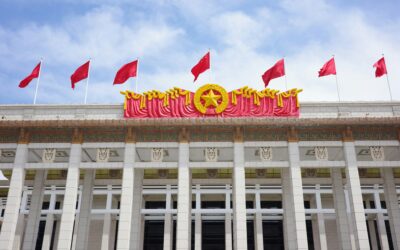
A Night of Grandeur and Grit: Trump and Xi Exchange Historic Toasts During High-Stakes Beijing State Banquet
Under the glittering chandeliers of the Great Hall of the People, the two most powerful men on earth set aside the rhetoric of trade wars and territorial disputes for an evening of meticulous diplomacy. On the second night of his critical visit to Beijing, President Donald Trump and Chinese President Xi Jinping shared a state banquet that was as much about personal chemistry as it was about global stability. At The Modern Memo, we analyze the strategic “Lauding” of the U.S.-China relationship, the underlying tensions of the “New Pacific Era,” and why this visit is being viewed as the ultimate test of the President’s “Dealmaker-in-Chief” doctrine. The Banquet: “Respect and Results” The evening was a masterclass in soft power, featuring traditional Chinese music, a multi-course feast, and a series of toasts that emphasized a mutual desire to avoid a “New Cold War.” President Trump’s Toast: Standing before a room of global dignitaries, the President praised the “unbelievable” hospitality of the Chinese people. He emphasized that while the two nations have “big, beautiful differences,” their cooperation is the “absolute key” to global security and economic prosperity. President Xi’s Response: Xi Jinping reciprocated with a call for “win-win cooperation,” noting that the Pacific Ocean is “vast enough to accommodate both China and the United States.” He characterized the current moment as a “pivotal crossroads” for the 21st century. The “Personal Touch”: Observers noted the lengthy private conversations between the two leaders during the meal—a stark contrast to the distant, formal exchanges seen in previous administrations. The High-Stakes Agenda: What Lies Beneath the Smiles Despite the cordiality of the banquet, the second day of the visit was defined by grueling negotiations behind closed doors. The “Peace Through Strength” posture was on full display earlier in the afternoon. Trade Equity: The President reportedly pressed Xi on the “Level Playing Field” initiative, demanding an end to currency manipulation and the forced transfer of American intellectual property. Sources indicate that a $350 billion trade agreement—primarily involving American energy and agriculture—is in the final stages of drafting. The Taiwan Standoff: While the banquet focused on unity, the earlier bilateral meetings were described as “candid.” The U.S. delegation reportedly reiterated that any change to the status quo in the Taiwan Strait would be met with “unparalleled economic and military consequences.” The Korean Peninsula: Both leaders reaffirmed their commitment to a “fully denuclearized” North Korea, though disagreements remain over the “Absolute Anchor” blockade currently impacting regional shipping lanes. A ‘New Pacific Era’? The 2026 visit is being framed by the administration as the beginning of a “New Pacific Era,” where American interests are no longer secondary to globalist platitudes. Direct Diplomacy: By engaging Xi directly in Beijing, the President is bypasses traditional multilateral institutions, preferring a “leader-to-leader” approach that he believes yields faster results. The “Magnificent” Optics: The state media in China has provided wall-to-wall coverage of the visit, a sign that Beijing is taking the “America First” resurgence with extreme seriousness. One Chinese analyst noted that the President is seen as a “formidable but predictable” partner who values strength over subtext. Final Word The state banquet in Beijing was the definitive proof that even in a world of high-tech warfare and trade tariffs, the “personal deal” still matters. When you look past the noise of “diplomatic theater” and focus on the data—the potential $350 billion trade deal and the mutual acknowledgment of Pacific dominance—you gain a clearer picture of a relationship that is being rebuilt on a foundation of realism. Quality information replaces the narrative of “inevitable conflict” with the reality of a strategic competition that is being managed by two leaders who understand the cost of failure. It allows you to see that while the smiles in the Great Hall were real for the cameras, the iron-fisted negotiations in the map rooms are what will truly define the next decade of human history. Where Facts, Context, and Perspective Matter At The Modern Memo, our goal is simple: to provide clear, well-researched reporting in a media landscape that often feels overwhelming. We focus on substance over sensationalism, and context over commentary. If you value thoughtful analysis, transparent sourcing, and stories that go beyond the headline, we invite you to share our work. Informed conversations start with reliable information, and sharing helps ensure important stories reach a wider audience. Journalism works best when readers engage, question, and participate. By reading and sharing, you’re supporting a more informed public and a healthier media ecosystem. The Modern Memo may be compensated and/or receive an affiliate commission if you click or buy through our links. Featured pricing is subject to change. 📩 Love what you’re reading? Don’t miss a headline! Subscribe to The Modern Memo here!

Shadow of the Syndicate: Mexican Senator Slams Sheinbaum for Protecting ‘Narco-Politicians’ Following US Indictments
A political firestorm has erupted in Mexico City, as the fallout from a massive U.S. Department of Justice indictment reaches the highest levels of the Mexican government. Following the unsealing of charges against ten current and former officials for allegedly partnering with the Sinaloa Cartel, a prominent opposition senator has accused President Claudia Sheinbaum of actively shielding “narco-politicians” within her own administration. At The Modern Memo, we analyze the “indictment heard ’round the world,” the names fueling the scandal, and why the Trump administration is signaling that “sovereignty” will no longer be a shield for cartel collaborators. The Indictment: Ten Officials in the Crosshairs The U.S. indictment, unsealed late yesterday in the Eastern District of New York, names ten individuals accused of facilitating the shipment of thousands of tons of fentanyl and cocaine into the United States. The Partners: The list includes three current state-level officials and seven former high-ranking members of the security apparatus. They are accused of providing “protection, intelligence, and safe passage” to the Sinaloa Cartel in exchange for millions in bribes. The Sinaloa Connection: Federal prosecutors allege these officials functioned as a “government wing” of the cartel, using state resources to eliminate rival traffickers and ensure the syndicate’s dominance. Extradition Demands: The U.S. has reportedly issued immediate extradition requests for all ten individuals, setting up a direct confrontation with the Sheinbaum administration. The Accusation: Sheinbaum’s ‘Shield’ During a heated session of the Mexican Senate this morning, Senator Lilly Téllez delivered a blistering critique of the President’s response to the scandal. “Protecting the Guilty”: Téllez accused President Sheinbaum of refusing to cooperate with U.S. authorities to protect her political allies. “The President talks about sovereignty, but she is really talking about impunity,” Téllez declared. “She is shielding narco-politicians because their fall would bring down her entire project.” The “Hugs, Not Bullets” Legacy: Critics argue that Sheinbaum is continuing the failed policies of her predecessor, allowing cartel influence to seep into the very foundations of the state under the guise of “social peace.” The Silence from Los Pinos: While Sheinbaum has officially stated that Mexico will “review the evidence” before taking action, her refusal to immediately suspend the current officials named in the indictment has sparked national outrage. The Trump Doctrine: “Clean House or We Will” The timing of the indictments is being viewed as a strategic move by the Trump administration to force Mexico’s hand on border security and cartel influence. Designation Warnings: Sources within the U.S. State Department suggest that if the Sheinbaum administration continues to block extraditions, the U.S. is prepared to designate several Mexican states as “narco-controlled zones,” which would trigger a range of economic sanctions and travel bans. Unilateral Action: The President has signaled that the U.S. will “no longer wait for permission” to take out cartel leadership if the Mexican government remains compromised. The recent “Operation Epic Fury” in the Gulf has already shown the administration’s willingness to use overwhelming force against hostile actors. Final Word The Sinaloa indictment has pulled back the curtain on the “Narco-State” reality that has plagued Mexico for decades. When you look past the noise of “sovereignty” and focus on the data—the ten indicted officials and the billions of dollars in cartel revenue flowing through government hands—you gain a clearer picture of a neighbor in crisis. Quality information replaces the narrative of “cooperation” with the reality of a Mexican administration that is facing a choice: purge the criminals within its ranks or face the full economic and military weight of a United States that has run out of patience. By choosing to shield these “narco-politicians,” Sheinbaum may be signing the death warrant for her own administration’s credibility. Where Facts, Context, and Perspective Matter At The Modern Memo, our goal is simple: to provide clear, well-researched reporting in a media landscape that often feels overwhelming. We focus on substance over sensationalism, and context over commentary. If you value thoughtful analysis, transparent sourcing, and stories that go beyond the headline, we invite you to share our work. Informed conversations start with reliable information, and sharing helps ensure important stories reach a wider audience. Journalism works best when readers engage, question, and participate. By reading and sharing, you’re supporting a more informed public and a healthier media ecosystem. The Modern Memo may be compensated and/or receive an affiliate commission if you click or buy through our links. Featured pricing is subject to change. 📩 Love what you’re reading? Don’t miss a headline! Subscribe to The Modern Memo here!

‘Friendly Federal Assassin’: DOJ Builds Massive Case Against Left-Wing WHCA Shooter Targeting Trump Cabinet
The Department of Justice is rapidly assembling a formidable case against Cole Tomas Allen, the 31-year-old California man accused of attempting to carry out a political massacre at the White House Correspondents’ Association (WHCA) Dinner on Saturday night. Allen, a former Caltech engineering student and part-time teacher from Torrance, is set to be arraigned in federal court this afternoon as investigators peel back the layers of what is being described as a premeditated, anti-Trump assassination plot. At The Modern Memo, we analyze the “Friendly Federal Assassin” manifesto, the suspect’s history of radical left-wing donations, and why Acting Attorney General Todd Blanche believes the shooter’s primary goal was the systematic elimination of the Trump administration. The Manifesto: Targeting the Cabinet Minutes before he attempted to breach the security perimeter at the Washington Hilton, Allen reportedly sent a chilling “manifesto” to family members. In the document, he explicitly outlined a plan to hunt down members of the Trump administration. The Priority List: In his writings, Allen identified administration officials as targets, stating they were “prioritized from highest-ranking to lowest.” “Friendly Federal Assassin”: Allen signed the document using the alias “coldForce” and “Friendly Federal Assassin,” a moniker investigators believe reflects his radicalized view that he was performing a “service” by attacking elected officials. Anti-Christian Rhetoric: Authorities also uncovered writings in which Allen accused the President of failing to act with “Christian behavior,” a narrative Trump allies say is a thin veil for deep-seated religious and political hatred. A History of Radical Leanings While the corporate media has been slow to label the suspect’s affiliations, federal campaign records and social media archives paint a clear picture of a man steeped in far-left ideology. The Harris Connection: Records show that Allen was a registered Democrat who donated to Kamala Harris’s 2024 presidential campaign. “The Wide Awakes”: Family members told investigators that Allen was involved with a group called “The Wide Awakes” and had recently attended “No Kings” protests in California, movements often associated with militant anti-Trump sentiment. The Weaponry: When Allen was tackled by Secret Service agents—one of whom was shot but saved by a bulletproof vest—he was reportedly armed with a shotgun, a handgun, and multiple knives. The DOJ Response: Arraignment and Accountability Acting Attorney General Todd Blanche and U.S. Attorney for D.C. Jeanine Pirro have signaled that the initial charges are just the beginning of a long legal battle for Allen. Initial Charges: Allen currently faces counts of using a firearm during a crime of violence and assault on a federal officer. However, Blanche confirmed on Face the Nation that attempted assassination of the President is “absolutely” on the table. Premeditated Travel: Evidence suggests Allen traveled by train from California to Chicago and then to D.C., checking into the Hilton as a guest days before the event to scout the security perimeter. The “Lone Wolf” Theory: While the FBI is investigating his links to radical groups, both the President and Metropolitan Police have characterized Allen as a “lone wolf” actor who was radicalized online. Final Word The shooting at the WHCA Dinner is a grim confirmation of the “political violence” warning signs that have been ignored by the left for years. When you look past the noise of “motive uncertainty” and focus on the data—the explicit targeting of the Cabinet and the shooter’s history of radical donations—you gain a clearer picture of a man who didn’t just snap, but was methodically groomed by a culture of hatred. Quality information replaces the “senseless violence” narrative with the reality of a targeted political attack. It allows you to see that the “Friendly Federal Assassin” was anything but friendly—he was a calculated threat to the heart of the American government. By choosing to build an airtight case, the DOJ is ensuring that while the ballroom may have been shaken, the rule of law will remain unshakable. Where Facts, Context, and Perspective Matter At The Modern Memo, our goal is simple: to provide clear, well-researched reporting in a media landscape that often feels overwhelming. We focus on substance over sensationalism, and context over commentary. If you value thoughtful analysis, transparent sourcing, and stories that go beyond the headline, we invite you to share our work. Informed conversations start with reliable information, and sharing helps ensure important stories reach a wider audience. Journalism works best when readers engage, question, and participate. By reading and sharing, you’re supporting a more informed public and a healthier media ecosystem. The Modern Memo may be compensated and/or receive an affiliate commission if you click or buy through our links. Featured pricing is subject to change. 📩 Love what you’re reading? Don’t miss a headline! Subscribe to The Modern Memo here!

Operation Epic Fury: Trump Issues “Shoot and Kill” Order as Naval Conflict Reaches Boiling Point
The diplomatic gloves have officially come off. At 10:04 AM ET today, April 23, 2026, President Trump issued a definitive and chillingly clear directive to the U.S. Navy: “Shoot and kill” any small Iranian vessels caught attempting to deploy mines in the Strait of Hormuz. The order marks a massive escalation in Operation Epic Fury, signaling that the era of “procedural” warnings is over and the era of terminal consequences has begun. At The Modern Memo, we analyze the seizure of the Majestic X, the unprecedented supply shock hitting global markets, and why the “Islamabad Standoff” has turned the Persian Gulf into a graveyard for diplomacy. The “Shoot and Kill” Directive: No More Warnings The Presidential order represents a shift from “maximum pressure” to “lethal enforcement.” After weeks of Iranian “fast-attack” craft playing cat-and-mouse with U.S. destroyers, the rules of engagement have been simplified to their most brutal form. Targeting the Mine-Layers: The order specifically targets the small, maneuverable Iranian boats used by the IRGC to seed the Strait with “stealth” mines. By issuing a “shoot and kill” mandate, the administration is treating these vessels not as legitimate military actors, but as maritime terrorists. Force Protection: “We are not going to let our sailors be blown up by cowardly mine-layers,” a senior Pentagon official remarked. The Navy has already tripled its mine-sweeping operations in the Strait to clear the “choke point” for global commerce. The Seizure of the Majestic X The lethal order followed a major victory for the U.S. Navy’s interdiction teams. In a daring operation in the open waters of the Indian Ocean, U.S. forces successfully boarded and seized the Majestic X, a Guinea-flagged tanker. The Smoking Gun: Intelligence reports confirmed the Majestic X was acting as a “ghost ship,” smuggling Iranian crude oil in direct violation of the Absolute Anchor blockade. Cutting the Cash Flow: The seizure is a significant blow to Tehran’s dwindling treasury. By intercepting these vessels in the Indian Ocean—far from the Iranian coast—the U.S. is proving that there is no “safe harbor” for those attempting to fund the IRGC’s regional chaos. The “Largest Supply Shock” in History While the U.S. Navy works to clear the lanes, the economic toll of the conflict is reaching historic proportions. Energy experts are no longer using the word “crisis”—they are calling it a “supply shock.” Market Paralysis: With Iran continuing to disrupt commercial traffic despite the blockade, the global energy flow has slowed to a trickle. The Price of War: Unlike previous shocks, this is a “deliberate decoupling” of Iranian energy from the world stage. Experts warn that the sustained disruption in the Strait could lead to structural shifts in global manufacturing and transportation costs that will be felt for a decade. The Islamabad Standoff: Diplomacy in the Dark Despite the “technical” extension of the ceasefire on Tuesday, the reality on the ground—and on the water—is one of total war. Dueling Attacks: Both sides are currently engaged in what analysts call “dueling attacks” at sea. While the U.S. seizes tankers and clears mines, Iran continues to launch asymmetric strikes, making the prospect of face-to-face peace talks in Pakistan look like a pipe dream. The Failure of the Pause: Critics argue that the ceasefire extension was a mistake that allowed Iran to reposition its mine-laying assets. The “Shoot and Kill” order is seen as the President’s admission that diplomacy cannot happen while the enemy is still actively trying to sink the table. Final Word Operation Epic Fury has moved past the point of no return. When you look past the noise of “international concern” and focus on the data—the seizure of the Majestic X and the triple-down on mine-clearing—you gain a clearer picture of a superpower that has decided to end the threat once and for all. Quality information replaces the fear of “escalation” with the reality of “resolution.” It allows you to see that the 10:04 AM order isn’t an act of aggression; it’s an act of sanitation. By choosing to “shoot and kill” the mine-layers, the President is ensuring that the only thing “shocked” by this conflict is the regime that thought it could hold the world hostage. Where Facts, Context, and Perspective Matter At The Modern Memo, our goal is simple: to provide clear, well-researched reporting in a media landscape that often feels overwhelming. We focus on substance over sensationalism, and context over commentary. If you value thoughtful analysis, transparent sourcing, and stories that go beyond the headline, we invite you to share our work. Informed conversations start with reliable information, and sharing helps ensure important stories reach a wider audience. Journalism works best when readers engage, question, and participate. By reading and sharing, you’re supporting a more informed public and a healthier media ecosystem. The Modern Memo may be compensated and/or receive an affiliate commission if you click or buy through our links. Featured pricing is subject to change. 📩 Love what you’re reading? Don’t miss a headline! Subscribe to The Modern Memo here!